
News · 18 Jun 2026 · Claire Bennett
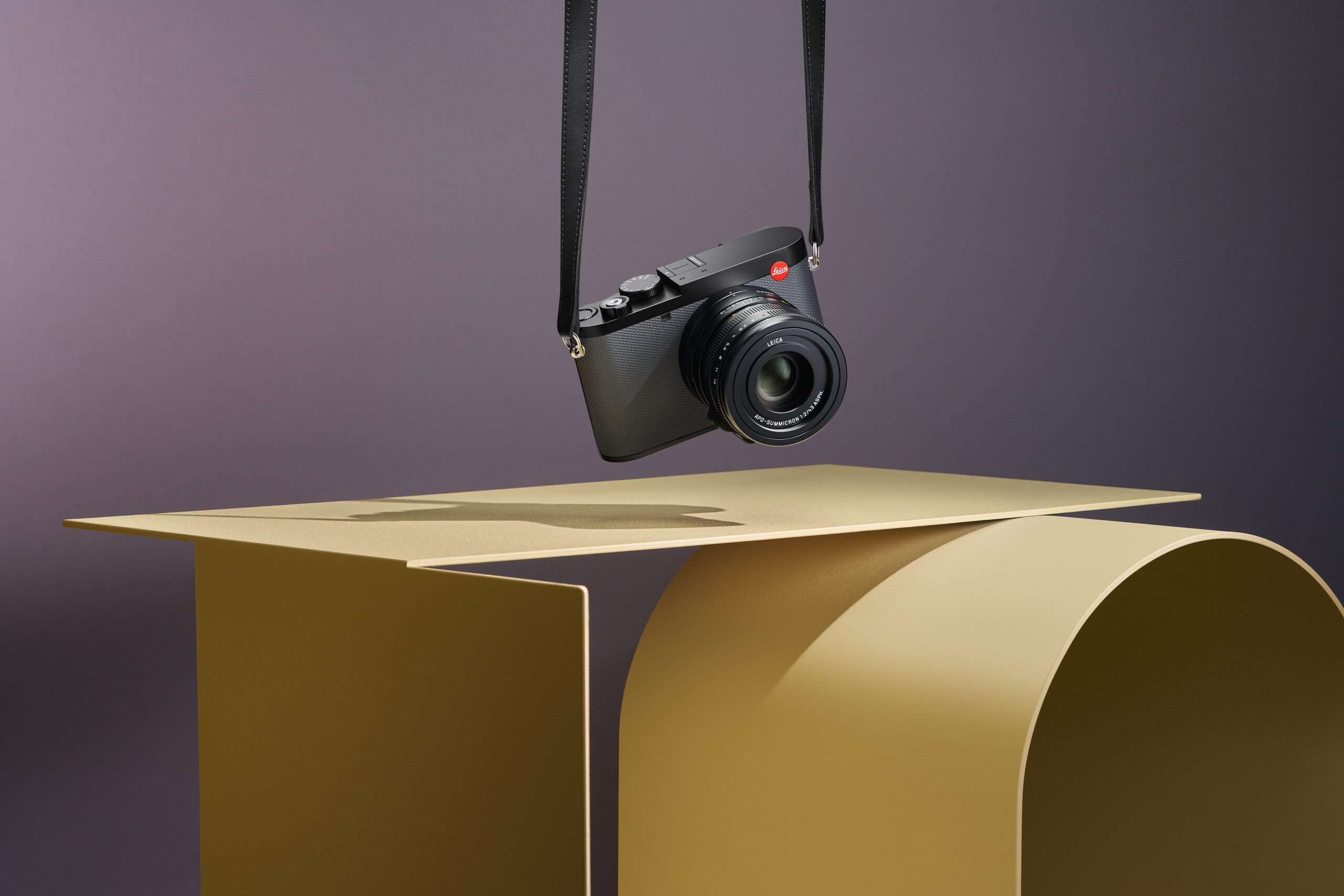
The Leica Q3 43 is the most quietly divisive camera I have written about all year: a £5,800 fixed-lens compact that asks you to give up every interchangeable lens you own and trust a single 43mm focal length to do everything. DPReview handed it a Gold award in its in-depth 2024 review, praising the image quality and the lens while noting that the video modes and autofocus do not quite reach the same height, and on the spec sheet the strengths are hard to argue with. The harder question, and the one no manufacturer page will answer honestly, is who in Britain should actually spend the money. Established UK dealers such as Red Dot Cameras list the black body at £5,800 including VAT, with most UK listings nudging £5,900; the camera launched at $6,895 in the United States, so this is not a quirk of currency, it is simply what a Leica costs.
The Q3 43 at a glance
- Price: around £5,800 to £5,900 in the UK (Red Dot Cameras lists it at £5,800, VAT included); launched at $6,895 in the US.
- Sensor: 60.3MP full-frame BSI CMOS with triple-resolution capture (60 / 36 / 18MP).
- Lens: fixed 43mm f/2 APO-Summicron ASPH, designed specifically for this body, with macro.
- Engine and video: Maestro IV processor, 8K video, image-stabilised lens, IP52 weather sealing.
- The catch: one focal length, no swapping, no upgrade path beyond cropping in.
What £5,800 actually buys you
Strip away the red dot and what you are paying for is a full-frame sensor bonded permanently to a lens that Leica built for nothing else. There is no kit-lens compromise here, and no temptation to keep buying glass, because there is nowhere to put it. That is the entire pitch, and it is a deliberate one. I have watched the camera market spend two years pushing buyers towards ever larger system kits, and the Q3 43 runs hard in the opposite direction: one body, one lens, one decision, made once.
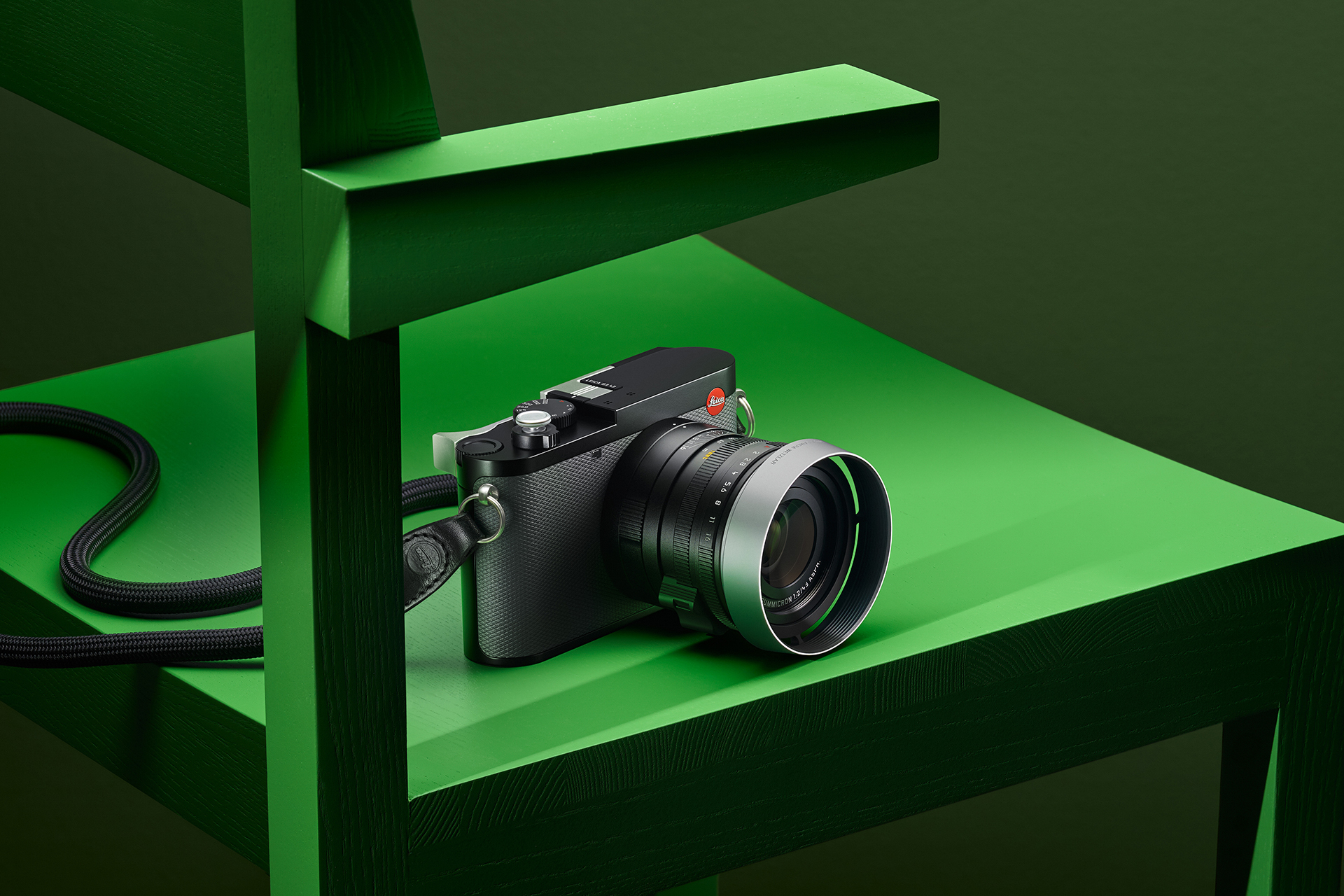
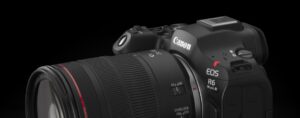
The body is magnesium with IP52 sealing, which matters more than it sounds: this is a camera Leica expects you to carry every day rather than baby in a bag. At that price the comparison most UK buyers reach for is a full interchangeable-lens kit. For roughly the same outlay you could build a serious setup around a Canon EOS R6 Mark III or pair a body with two zooms and still have change. The Q3 43 gives you none of that flexibility, and charges you a premium for the privilege. Whether that is madness or clarity depends entirely on the kind of photographer you are, which is the thread I want to pull on here.
The 43mm question: why Leica built a second Q3
The original Q3 uses a 28mm lens. This one uses 43mm, and that single number is the whole reason it exists. Twenty-eight millimetres is a reportage focal length: wide, environmental, a little dramatic, and unforgiving of anyone who does not want to step right up to a subject. Forty-three millimetres is close to what the human eye actually sees, which makes it the most natural-feeling prime most people will ever shoot. Leica’s own explainer on the difference between the two cameras is worth watching before you spend anything, because it frames the choice better than any spec table.
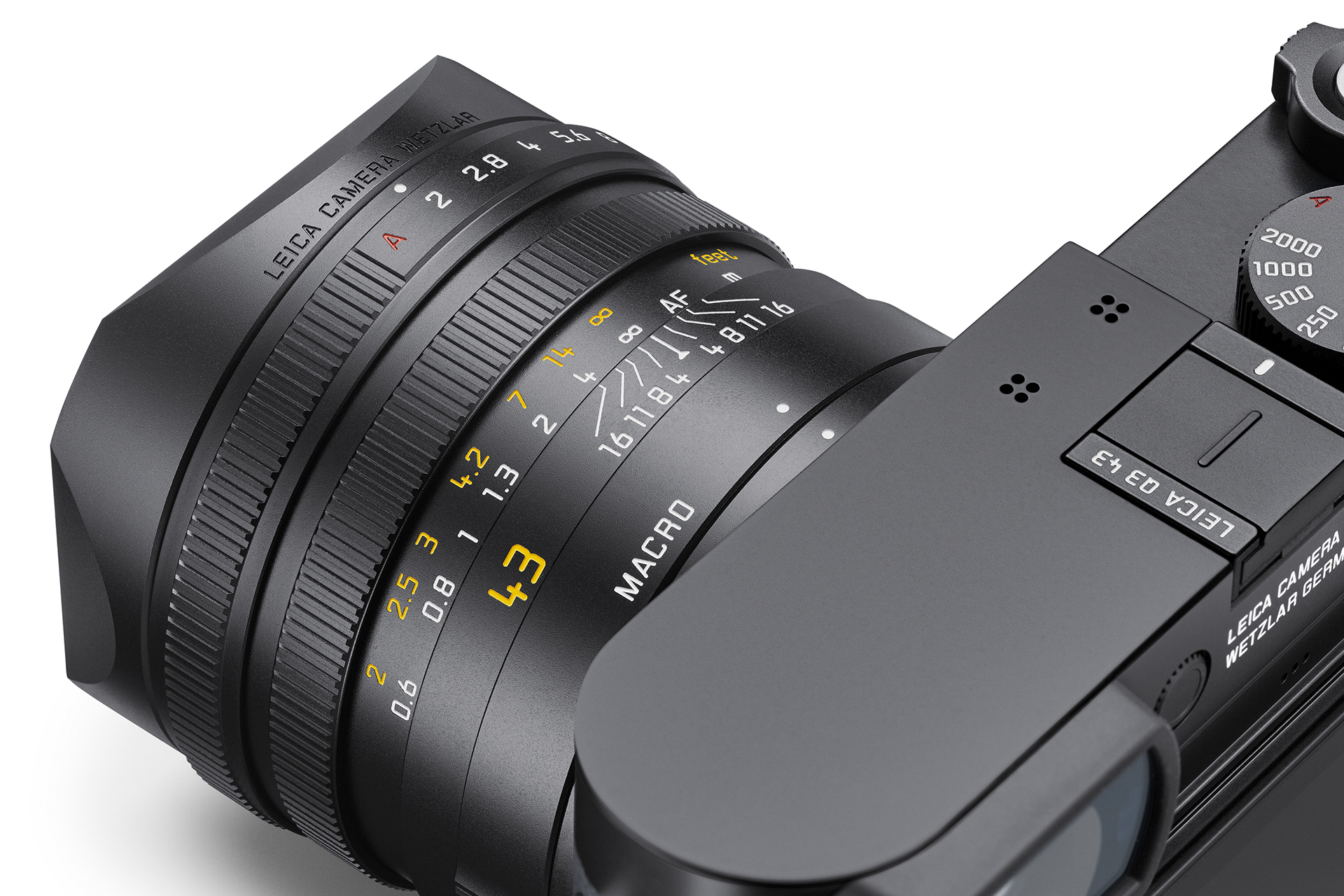
The lens itself is an APO-Summicron, Leica’s apochromatic designation, which means it corrects colour fringing to a standard you normally only meet on lenses that cost as much as the whole camera here does. It focuses close enough for macro, opens to f/2 for genuine subject separation, and is stabilised in a body this small. This is the part of the Q3 43 that is not marketing. A 43mm prime of this calibre, bolted to a 60MP sensor and tuned as a single optical system, is something you cannot assemble piecemeal at any price. If you have spent years happily shooting one focal length, this is the camera built for you. If you switch lenses by reflex, it will frustrate you within a week.
Sixty megapixels and the triple-resolution trick
The 60.3MP BSI sensor is the same class of chip that has powered Leica’s recent flagships, and it does something clever to soften the one-lens constraint. Triple-resolution capture lets you shoot at 60, 36 or 18 megapixels, and because the file is so large to begin with, cropping in to an effective 60mm, 75mm, 90mm or even 120mm framing still leaves you with a usable image. It is not optical zoom, and I would not pretend otherwise, but it is the closest a fixed-lens camera gets to giving you a second and third focal length for free.

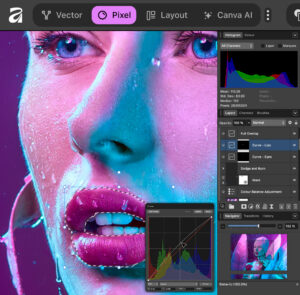
Sixty megapixels also demands discipline at the editing desk, because the files are large and they reward careful processing rather than batch presets. If you already run a serious workflow, the kind of decision I covered in my Capture One versus Lightroom comparison, you will get the most out of this sensor. If you mostly share to a phone screen, you are paying for resolution you will never see, and an iPhone would do the job, which is exactly why I keep pointing casual buyers towards the best iPhone in the UK instead of a £5,800 compact.
The look you are actually paying for
Specifications travel badly when the subject is rendering. What a £5,800 Leica buys, beyond resolution, is the way the files look straight out of camera: the colour, the falloff, the way skin and light are handled before you touch a single slider. The apochromatic lens and Leica’s processing give portraits a clean, slightly understated character that owners consistently describe as the reason they tolerate the price and the single focal length. This is subjective, and I will not pretend a number proves it, but it is the most honest part of the camera’s appeal.

Autofocus has been the historic weakness of the Q line, and reviewers agree it is materially improved here, with a hybrid system that finally keeps pace with moving subjects rather than hunting. It is still not a sports camera, and anyone shooting fast action should look at a proper interchangeable body. But for the deliberate, considered photography this camera is built around, the focusing is no longer the excuse it once was.
Where video fits, and where it does not
The Q3 43 records 8K video and accepts an external microphone, and on paper that reads like a hybrid tool. In practice it is not why you buy this camera, and I would be doing you a disservice to suggest otherwise. A single 43mm lens is a real constraint for moving images, and anyone whose work leans towards film is better served by a dedicated hybrid such as the Panasonic Lumix S1 II or an action camera like the GoPro Hero 13 Black for the run-and-gun work this is not designed for.
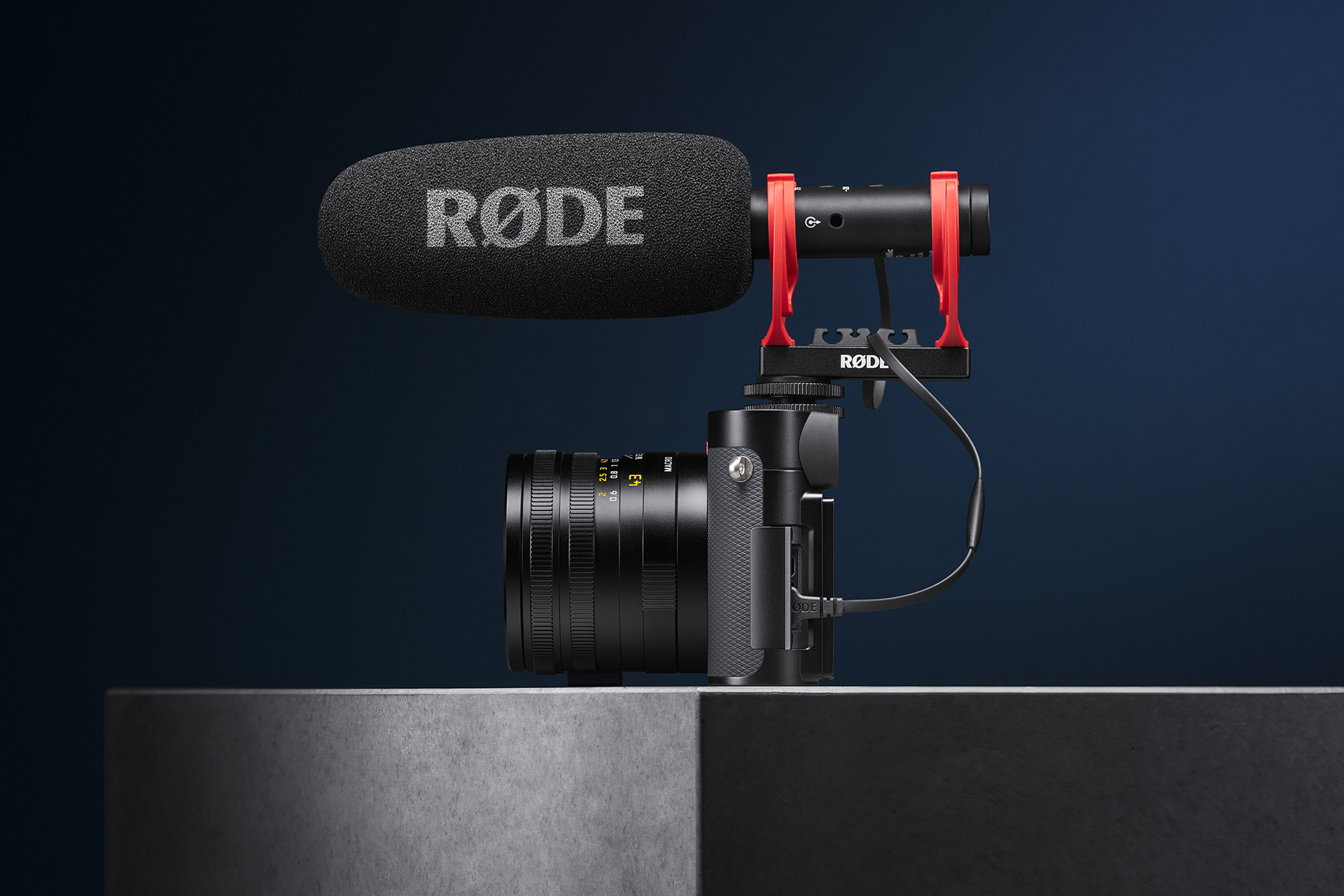
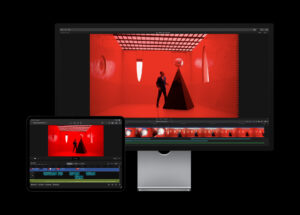
Treat the video as a capable bonus for the occasional clip, not as half the reason to spend the money, and you will not be disappointed. If you genuinely split your time between stills and serious video, your budget is better spent on a system that does both without apology, and your editing time better spent inside a tool such as the one I weighed up in my Final Cut Pro versus DaVinci Resolve piece.
Where to buy the Leica Q3 43 in the UK
This is not a camera you will find discounted at a high-street chain, and that is part of the point. A handful of UK checks are worth making before you commit:
- Leica Camera UK and the official Leica Stores (Mayfair, Manchester) sell direct, with interest-free credit options that spread the £5,800 over a couple of years.
- Specialist dealers such as Red Dot Cameras list the black body at around £5,800 including VAT; confirm stock before travelling, as availability comes and goes.
- The used market through dealers like MPB and Wex is worth watching for an ex-demo or lightly used body, where a few hundred pounds can come off without losing the warranty cover a private sale would.
- Check the focal length is right for you first. Borrow or rent a 40mm to 43mm prime for a weekend before spending this much on a lens you cannot change.
Who I’d actually tell to buy one
I have spent enough years watching people buy expensive cameras they never grow into to be blunt about this one. The Leica Q3 43 is not a value purchase and it is not trying to be. It is for the photographer who already knows they shoot best at a single natural focal length, who wants one beautifully made object to carry for the next decade, and who values the way a file looks over the flexibility of a bag full of lenses. For that person, the price is high but the logic is sound, and they will use it until it wears out.
For everyone else, and that is most people, the honest answer is to keep the money. If you switch lenses constantly, shoot fast action, or do real video work, a full system serves you better for less. And if your photography lives mostly on a phone screen, no £5,800 compact will change your pictures the way learning to see at 43mm would. That, in the end, is what the Q3 43 is really selling: not a spec sheet, but the discipline of one focal length. Buy it for that reason or do not buy it at all.





Reader discussion
Leave a comment
Comments are moderated. Keep it useful, accurate, and on topic.