
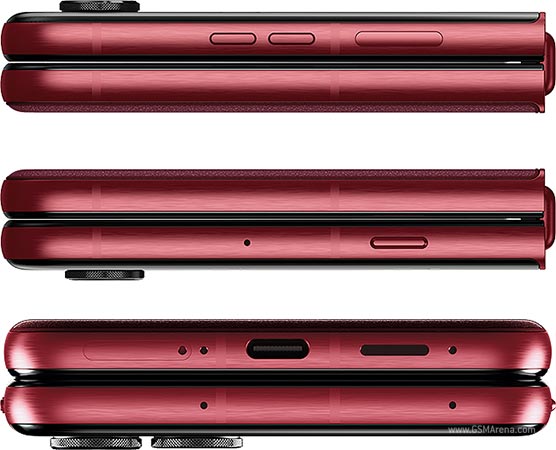
The Motorola Razr 70 Ultra is the most polished flip phone Motorola has ever sold in Britain, yet it arrives carrying an awkward question: if you already own last year’s Razr 60 Ultra, is there really enough here to justify another £1,199.99? Launched around 29 April 2026 and already on UK sale, the new flagship folder keeps almost everything that made its predecessor a critics’ favourite and layers on a slightly bigger battery and fresh finishes, while carrying over the same Snapdragon 8 Elite chip as before. This head-to-head walks through where the 2026 model genuinely moves forward, where it stands still, and which of the two flip phones is the smarter buy for UK shoppers right now.
- The new flagship launched around 29 April 2026 and is on UK sale now at £1,199.99 on Motorola GB; US pricing is $1,499.99 (Motorola UK product page; PCMag, May 2026).
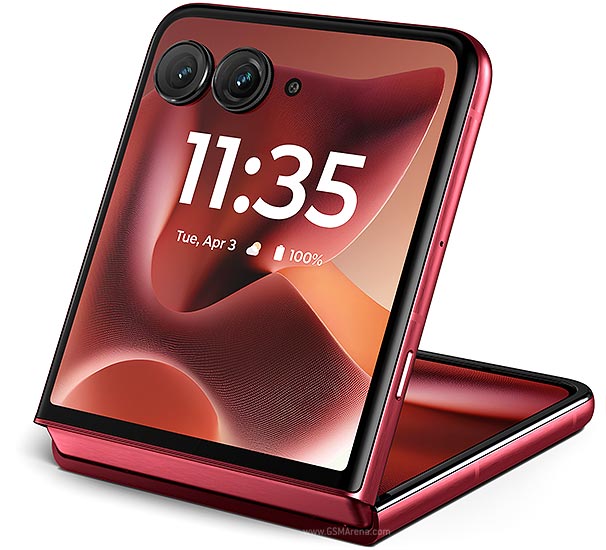
- The 4-inch (165Hz) cover screen and 7-inch (165Hz) inner display are unchanged from the Razr 60 Ultra, so there is no bigger external panel this year (PhoneArena, Apr 2026; Trusted Reviews, May 2026).
- Battery grows from 4,700mAh to 5,000mAh while keeping 68W TurboPower charging; the dimensions are unchanged at 7.2mm unfolded and 15.7mm folded, weighing 199g, identical to the Razr 60 Ultra (GSMArena; Motorola UK product page).
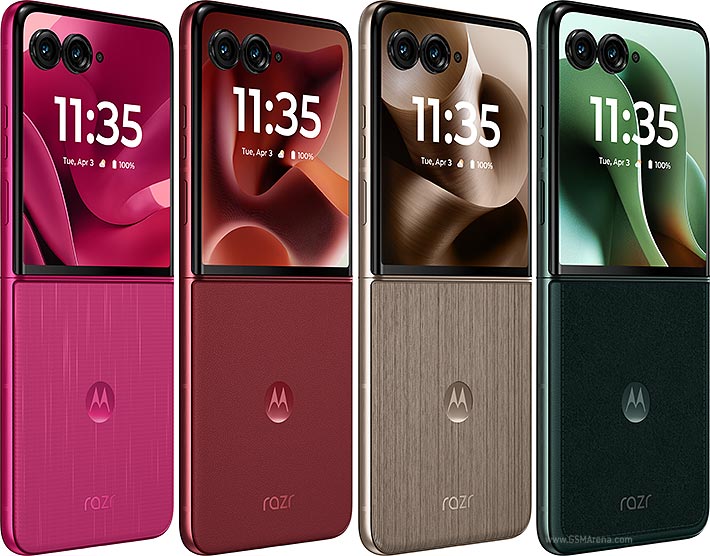
- It runs a Snapdragon 8 Elite chip with up to 16GB RAM and 512GB storage, and adds new Pantone Cocoa Wood and Alcantara finishes (PhoneArena, Apr 2026; SlashGear, May 2026).
- Reviewers call it iterative: Trusted Reviews’ Cam Bunton says he is “still not sure why anyone would buy it over the previous Razr 60 Ultra” (Trusted Reviews, May 2026).
Motorola Razr 70 Ultra vs Razr 60 Ultra: the quick verdict
Let us start with the bottom line for busy readers. The 2026 flip is a better phone in absolute terms, with a larger battery and some lovely new materials, but the gap over the 2025 model is narrow enough that an upgrade is hard to recommend at full price. If you are buying a premium flip phone for the first time, the newer model is the one to get. If you already carry the Razr 60 Ultra, the case for trading up is thin, and you may be better served by waiting or by looking sideways at rivals such as the Galaxy Z Fold 7 in the UK if you want a different kind of foldable entirely. The table below sets out the headline differences before we go round by round.
| Spec | Razr 70 Ultra (2026) | Razr 60 Ultra (2025) |
|---|---|---|
| UK price | £1,199.99 | Launched at a similar premium tier |
| Cover screen | 4in, 165Hz (unchanged) | 4in, 165Hz |
| Inner screen | 7in, 165Hz | 7in, 165Hz |
| Processor | Snapdragon 8 Elite | Snapdragon 8 Elite |
| RAM / storage | Up to 16GB / 512GB | Up to 16GB / 512GB |
| Battery | 5,000mAh, 68W | 4,700mAh, 68W |
| Dimensions / weight | 7.2mm / 15.7mm, 199g | 7.2mm / 15.7mm, 199g |
| New finishes | Pantone Cocoa Wood, Alcantara | Previous-generation colours |
Round 1: design, build and those new finishes
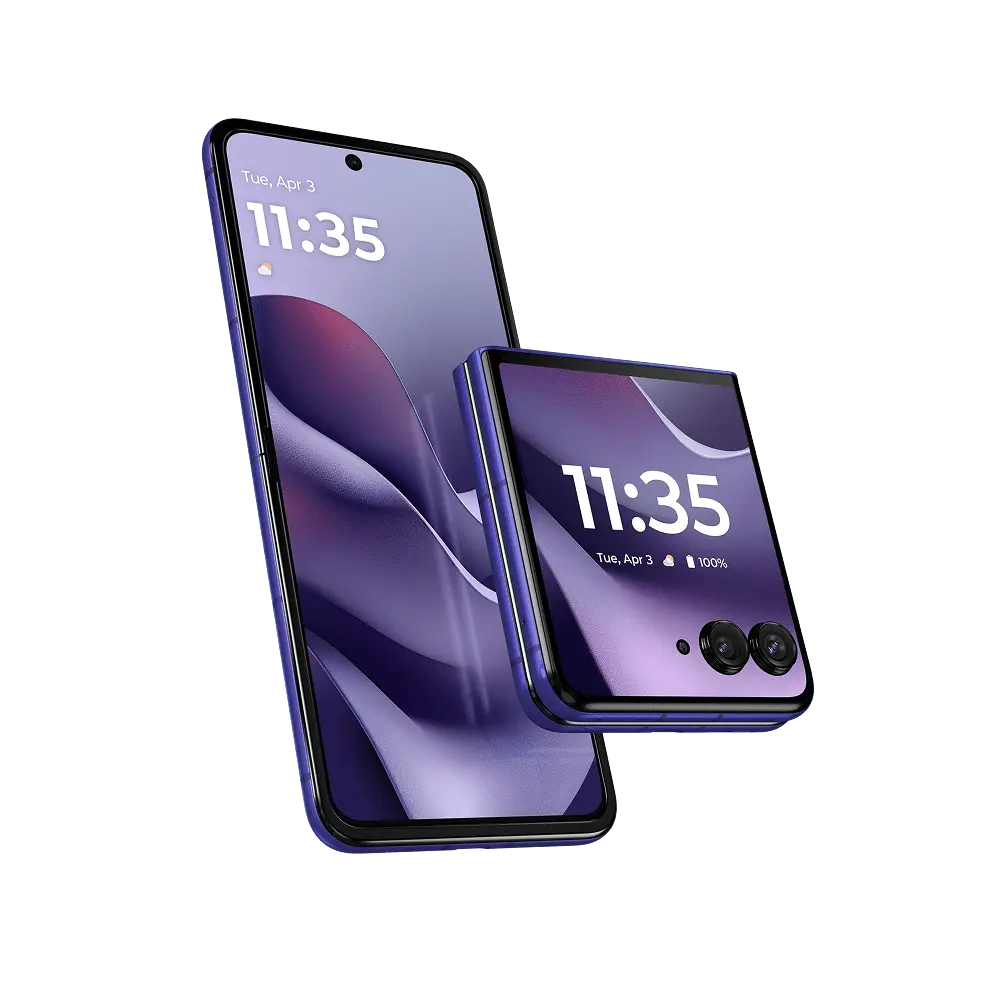
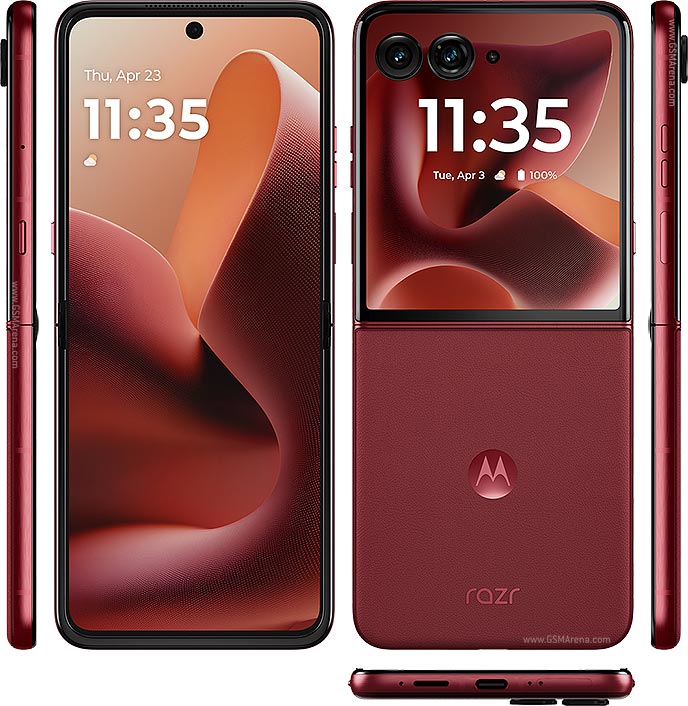
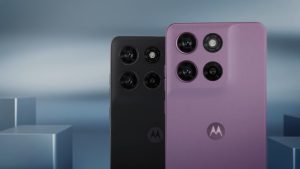
Place the two phones side by side and you would struggle to tell them apart at a glance. Motorola has kept the rounded metal frame, the dual-camera cover-screen layout and the overall silhouette, so the 2026 model is unmistakably a continuation rather than a redesign. What has changed is the finish on offer. The new Pantone Cocoa Wood option brings a genuine wood-veneer back, and an Alcantara version adds a suede-like texture that feels distinctly upmarket in the hand. These are more than gimmicks: they give the newer phone a sense of occasion that plain glass cannot match, and they are the clearest visual signal that you are holding the 2026 device.
The numbers tell a story of continuity. The newer flip measures 7.2mm unfolded and 15.7mm folded and tips the scales at 199g, figures identical to the Razr 60 Ultra, so Motorola has fitted a bigger battery without making the phone any thicker or heavier. In the hand the two are indistinguishable on size and weight. On materials and tactile appeal the newer phone edges ahead, though buyers who prefer a classic look will find the older model just as handsome. If premium materials matter to you across the wider market, our roundup of the best iPhone alternatives in the UK is a useful frame of reference. Round 1 winner: the 2026 flip, for the finishes alone.
Round 2: the displays stay exactly the same
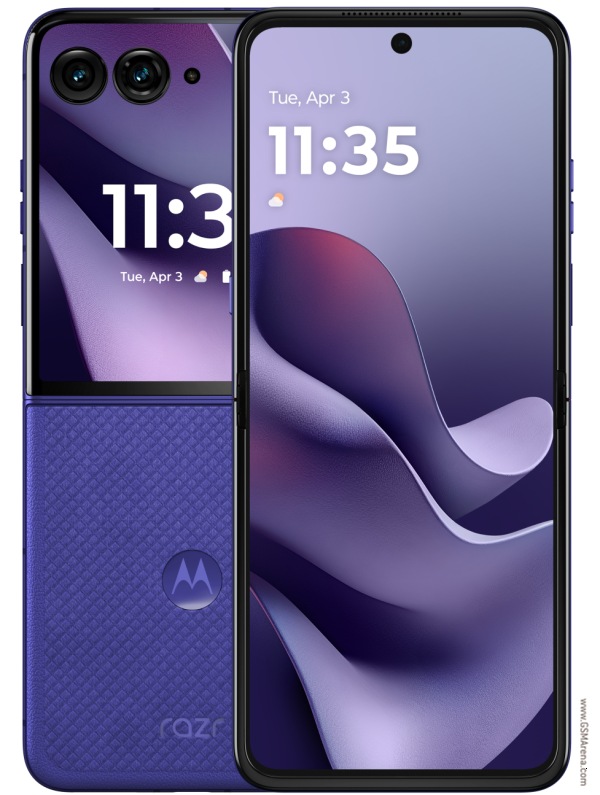
This is the round that disappoints. The cover display on the 2026 flagship remains a 4-inch panel running at 165Hz, identical in size and refresh rate to the Razr 60 Ultra, and the 7-inch inner screen is likewise unchanged at 165Hz. If you were hoping Motorola would stretch the external glass further, that did not happen this year, so do not expect a bigger cover screen as a reason to upgrade. The good news is that the panels were already excellent. Reviewers have consistently praised the Razr cover screen as one of the strongest in the flip category, with broad app support and genuine usefulness for replies, navigation and media without flipping the phone open.
Because nothing has moved here, this round is effectively a tie, and that matters for the upgrade question. A flip phone lives and dies by its screens, and when both generations share the same hardware, owners of the older model have one fewer reason to switch. New buyers, of course, still get a class-leading display experience whichever they choose. For those weighing a flip against a more conventional handset, our look at the best mid-range Android phones in the UK shows how much screen you get lower down the price ladder. Round 2 winner: a draw, since the displays are identical.
Round 3: performance and the Snapdragon question
Under the bonnet, the newer flip runs a Snapdragon 8 Elite processor paired with up to 16GB of RAM and 512GB of storage, which keeps it firmly in flagship territory. In practice the experience is fast, fluid and ready for everything from heavy multitasking to gaming, and it should stay that way for years. The catch is that the Razr 60 Ultra uses the very same Snapdragon 8 Elite chip, so the day-to-day difference between the two is effectively nil for most people. You would need a stopwatch and a benchmark app to spot the gap in normal use.
Because both phones run that identical chip, there is no real performance gap to bank on for the future either. If raw performance is your priority across categories, our guide to the best gaming phones in the UK puts the Razr’s flip-friendly chip in wider context, and Android owners should note how the platform itself is evolving in our explainer on the Android 17 features UK phone owners get. With the same silicon on both sides, this round is a tie. Round 3 winner: a draw, since the processor is unchanged.
Motorola’s own “Meet the motorola razr 70 ultra” clip above leans hard on the finishes, the cover-screen experience and the camera, which tells you where the company itself sees the appeal. It is a useful primer on the design language, but watch it with the upgrade question in mind: almost everything it shows applies just as well to the Razr 60 Ultra, which underlines how iterative this generation really is.
Round 4: battery life and charging
Here is where the 2026 model lands its most meaningful blow. Battery capacity rises from 4,700mAh on the Razr 60 Ultra to 5,000mAh on the newer flip, a 300mAh bump that Motorola squeezed in without ballooning the body, partly thanks to denser battery chemistry. For a flip phone, where internal space is at a premium, that is a real and welcome gain, and it should translate into a little more comfort getting through a long day. The 68W TurboPower wired charging carries over, so you still top up quickly, even if the headline charging figure has not improved.
Endurance has always been the soft spot for flip phones, so any increase is genuinely useful rather than a spec-sheet flourish. We have not seen exhaustive UK endurance testing pitting the two directly, so we would stop short of promising a dramatic real-world difference, but more capacity in the same footprint is the kind of upgrade that quietly improves daily life. If battery anxiety is your main concern, this round alone may sway you. Round 4 winner: the 2026 flip, for the larger 5,000mAh cell.
Round 5: cameras and everyday photography
Both phones use a familiar dual-camera cover-screen arrangement, and the imaging hardware is broadly comparable across the two generations. The standout feature of any Razr remains the ability to frame shots on the external display, using the main sensors for higher-quality selfies and group photos than a front camera could ever deliver. That trick is just as good on the older model, so photographers tempted by the flip form factor are not missing out by choosing the 2025 device. Day to day, results are pleasing in good light and competitive with rivals, even if the very best slab flagships still pull ahead in tricky conditions.
If camera quality is the deciding factor in your next purchase, it is worth comparing the Razr against dedicated camera-value champions rather than other flips. Our Honor 200 Pro versus Pixel 9 Pro camera verdict and the Pixel 10 Pro versus iPhone 17 Pro comparison both show what the same money buys in a traditional shape. Between these two flips, though, the camera experience is close enough to call even. Round 5 winner: a draw, with only marginal gains for the newer phone.
Round 6: price and where the value lands
Value is where the upgrade case really wobbles. The newer flip is listed at £1,199.99 on Motorola GB, a price that puts it squarely among the most expensive phones you can buy in Britain. The Razr 60 Ultra, meanwhile, can increasingly be found at a discount as retailers clear stock, which widens the gap in pounds while narrowing it in features. When the older model does most of what the newer one does for noticeably less, the maths starts to favour the 2025 device for anyone who is not desperate to own the latest thing.
That calculation shifts if you are buying outright versus on contract, and UK carrier deals can soften the blow considerably. It is also worth weighing the Razr against other premium options at this price, including whether a more mainstream flagship such as the Samsung Galaxy S26 suits you better, or whether the rumoured Samsung Galaxy Z Fold8 is worth holding out for if you want a foldable with a different shape. On pure value, the older Razr is the smarter spend today. Round 6 winner: Razr 60 Ultra, on price.
What the reviewers are saying
The critical consensus is striking in its consistency. Multiple outlets have described the 2026 flip as an excellent phone that is nonetheless a hard sell to existing owners, with words like “iterative” and “near-identical” recurring across hands-on coverage. Trusted Reviews’ Cam Bunton put the dilemma more bluntly than most after living with the device.
As good as the Razr 70 Ultra is, and it is good, after spending a couple of weeks with it, I’m still not sure why anyone would buy it over the previous Razr 60 Ultra.
Cam Bunton, Trusted Reviews (May 2026)
That captures the whole debate. Nobody is arguing the 2026 model is bad; the criticism is that it is so similar to its predecessor that the premium is hard to justify for anyone already in the Razr family. For newcomers the verdict is far warmer, because they get the best version of a genuinely likeable flip phone. The distinction between those two audiences is the key to deciding whether to buy. If you want to see how other 2026 head-to-heads have shaken out, our iPhone 17e versus Pixel 10a comparison follows the same value-first logic.
Where to buy or check next in the UK
If you have decided the newer flip is for you, it is widely stocked. Motorola UK sells the phone directly at £1,199.99, and you can also find it through major retailers and carriers including Currys, AO, EE, Vodafone, Three, GiffGaff and Motorola UK itself. SIM-free buyers should compare the outright price against contract bundles, since a carrier deal can spread the cost and sometimes undercut the headline figure over the term. It pays to check more than one retailer, because availability of specific finishes such as the Cocoa Wood and Alcantara editions can vary.
Bargain hunters chasing the Razr 60 Ultra should move quickly, as clearance stock of the older model tends to come and go. Either way, sanity-check the tariff as well as the handset, because the right plan can matter as much as the phone. For broader buying context this season, our running guide to the best Android phones under £500 and the comparison-led cheaper-flagship face-off can help you judge whether a flip phone is truly where your money should go.
Our verdict
Weighing the rounds together, the 2026 flip wins on design finishes and battery, draws on displays, cameras and performance, and loses on value, which leaves us with a clear split decision. If you are buying a premium flip phone for the first time, buy the 2026 model: it is the best Razr yet, and the new finishes and larger battery make it the one to own. If you already have the Razr 60 Ultra, keep it. The improvements are real but modest, and they do not add up to £1,199.99 of reasons to trade in a phone that still does almost everything its successor does. The smartest move for most existing owners is to wait a generation, or to spend the upgrade money on a tariff or a different category of device entirely. Motorola has built a lovely flip phone; it has simply built one that is a little too close to last year’s to demand your money twice.
Our score: 8/10 (Razr 70 Ultra)
Our score: 7.5/10 (Razr 60 Ultra)









Reader discussion
Leave a comment
Comments are moderated. Keep it useful, accurate, and on topic.