The Gothic 1 Remake is faithful, atmospheric and genuinely hard to put down, but it arrives as an Unreal Engine 5 heavyweight with launch bugs and crashes that you should know about before you spend a penny. Released on 5 June 2026 by developer Alkimia Interactive and publisher THQ Nordic (Steam; PC Gamer, June 2026), this is a ground-up rebuild of the 2001 Piranha Bytes classic, and the question most UK players are asking is simple: will it run on my rig, and is it worth £41.99 right now? Our verdict in this performance and value review is built on the official spec sheet, the critic consensus and Steam user sentiment, not a fabricated hands-on, and we lay out exactly what a mid-range UK PC needs to enjoy it.
Key facts
Launched 5 June 2026 on PC (Steam), PS5 and Xbox Series X|S; built in Unreal Engine 5 with DirectX 12 (Steam; THQ Nordic).
UK price is £41.99 on Steam; the US price is $49.99 (Fanatical UK; SteamDB).
Minimum spec asks for 8GB VRAM (RTX 2070 or RX 6700 XT) plus 16GB RAM and a 60GB SSD; recommended jumps to 12GB VRAM and 32GB RAM (Steam).
Critic average sits around 72 to 73 (OpenCritic, Metacritic), while Steam user reviews are Very Positive overall at around 86%, with the English-language reviews softer at 79% (June 2026).
Why it matters: upscaling is effectively mandatory, and a first patch followed a 6 June developer note acknowledging PC crashes.
What this faithful rebuild actually is
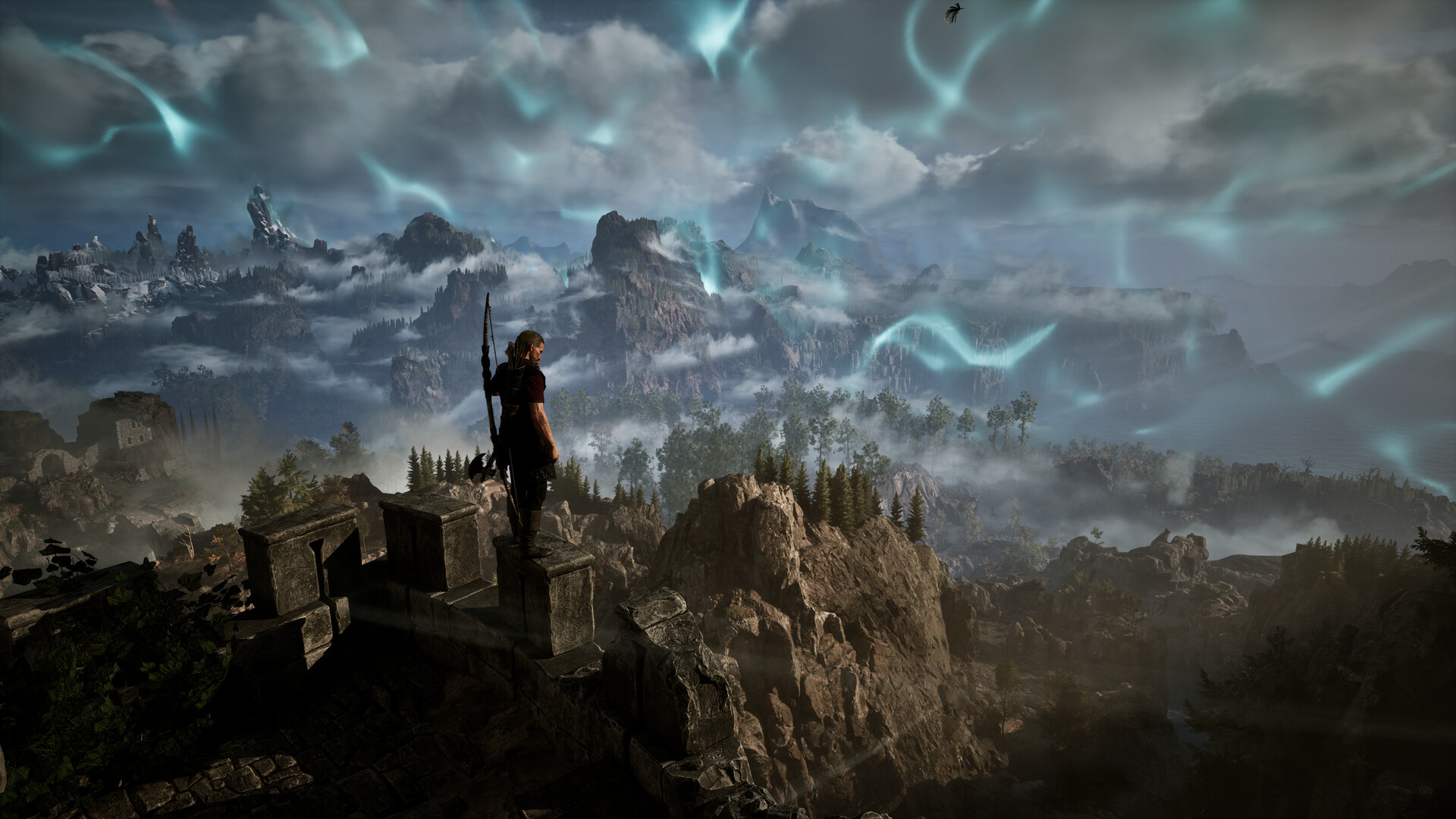
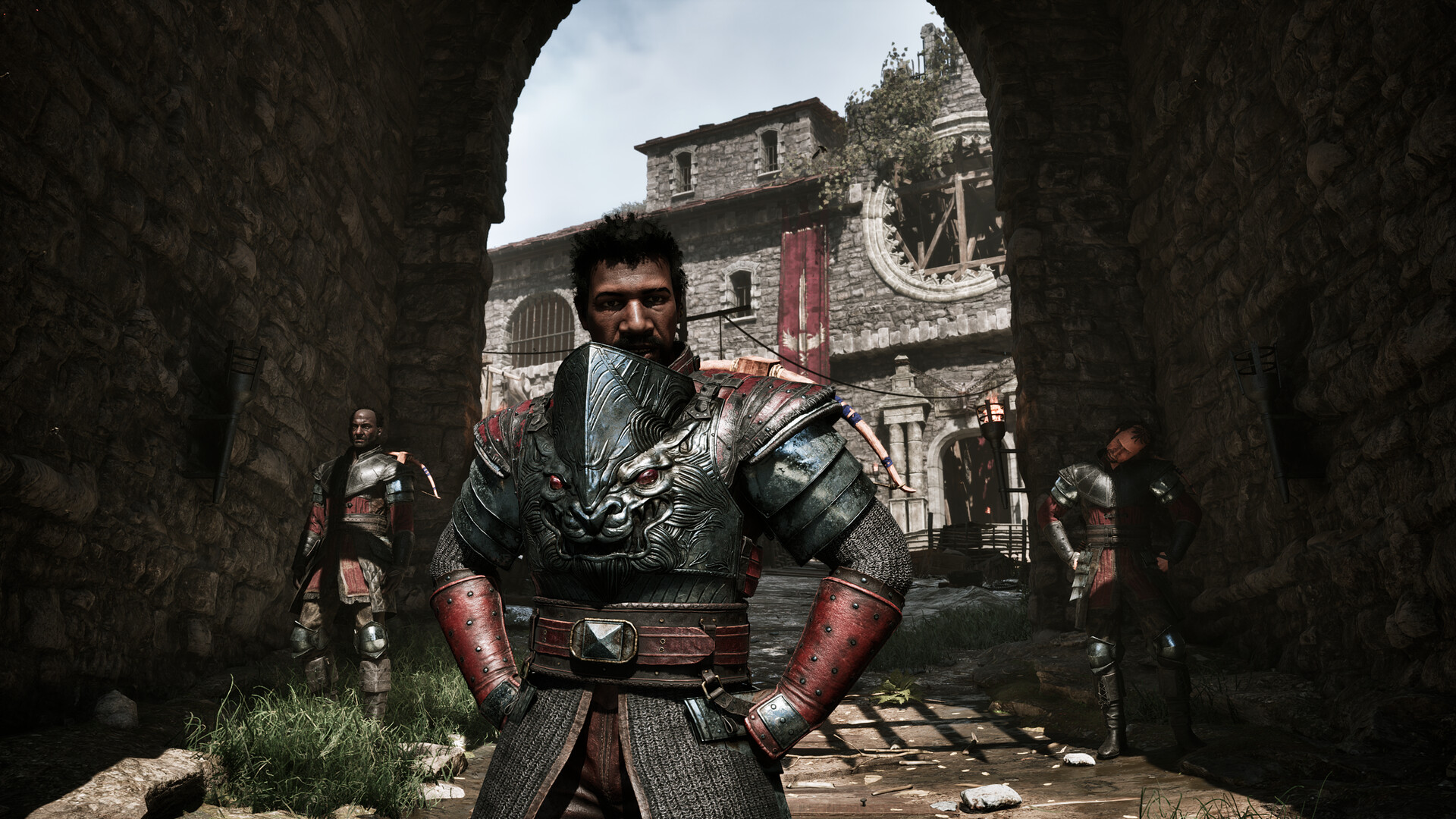
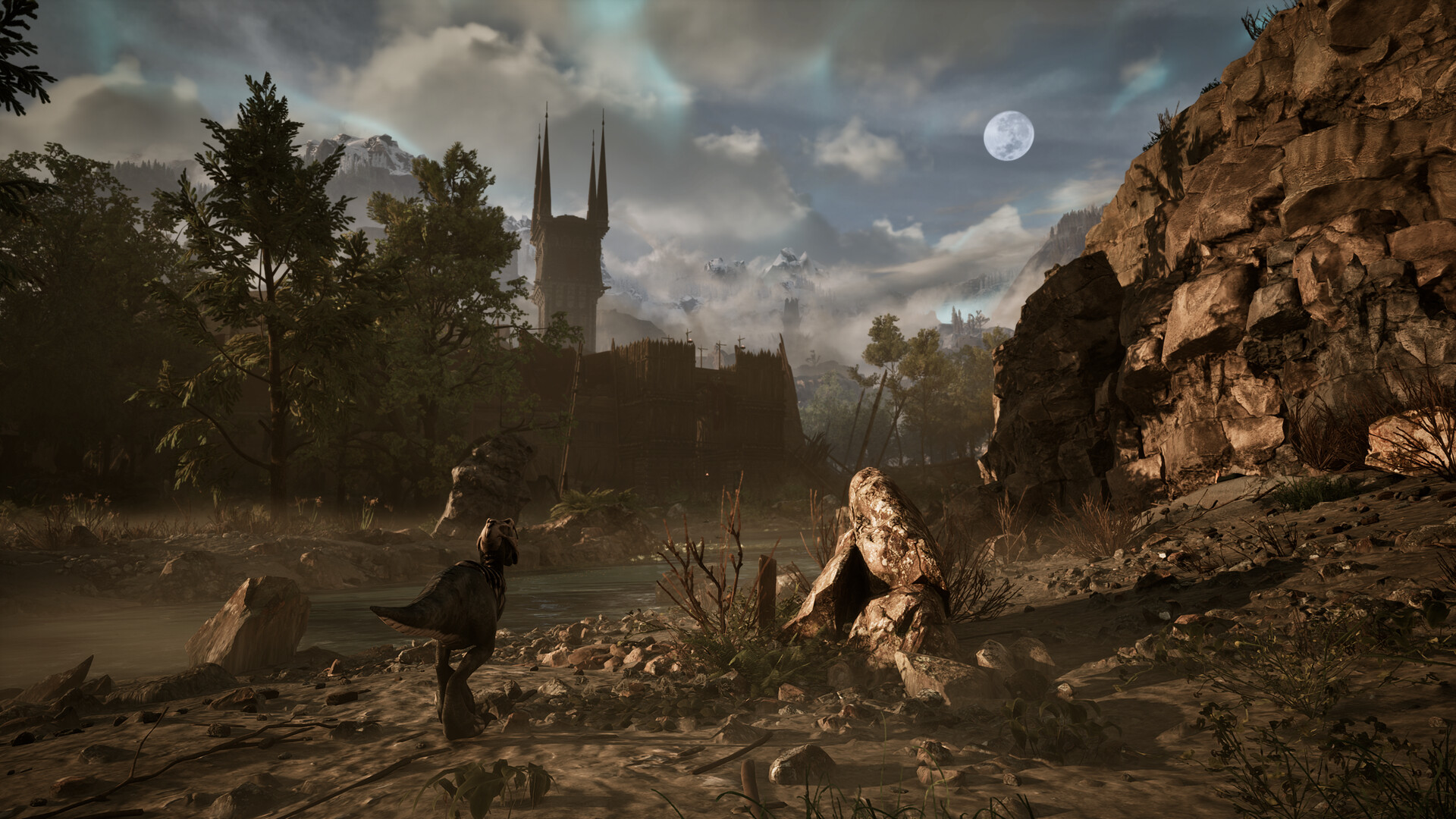
This is not a remaster with sharper textures bolted onto old code. Alkimia Interactive has rebuilt the dark medieval fantasy world of the original from scratch in Unreal Engine 5, running on DirectX 12, while preserving the things that made the 2001 game a cult favourite: the penal mining colony trapped under a magical barrier, the three rival factions, and the uncompromising design that refuses to hold your hand. THQ Nordic has been clear that the goal was fidelity to tone and structure, not a soft modern reboot, and on that count the reviews largely agree it has succeeded. PC Gamer (June 2026) summed up the feeling that it looks like Gothic, feels like Gothic and is Gothic.
For newcomers, the short version is that this is a slow-burn, systems-driven role-playing game where you start weak and earn everything. There are no default quest markers or compass; you must buy a map, learn the land, and pick a faction whose choices ripple through the story. If you have been weighing up other big releases this season, our round-up of the Xbox Games Showcase 2026 gives useful context on where this sits in a crowded UK gaming calendar. Playtime runs well over 50 hours, so this is a commitment rather than a weekend filler.
Official Gothic 1 Remake system requirements explained
Start with the official numbers, because they are demanding. The minimum specification on Steam calls for 64-bit Windows 10 or 11, an Intel Core i7-7700K or AMD Ryzen 5 1600X, 16GB of RAM and a graphics card with 8GB of VRAM, specifically an NVIDIA RTX 2070 or AMD RX 6700 XT. DirectX 12 is required, along with 60GB of storage that the publisher stresses should be an SSD or NVMe drive rather than a mechanical hard disk. That 8GB VRAM floor is the headline: it rules out a lot of older budget cards and the once-popular 4GB and 6GB tier entirely.
The recommended specification pushes harder, asking for an Intel Core i7-7700K or AMD Ryzen 5 3600X, 32GB of RAM, and a 12GB card such as the RTX 3070 Ti or RX 6800 XT, again on NVMe storage. The CPU listing is unusual in that the recommended Intel chip matches the minimum, which tells you this is a GPU-bound and memory-hungry game rather than one that punishes older processors. If you are still on 16GB of system memory, the remake will run, but the recommended sheet is a strong hint that 32GB is the comfortable target for a UE5 title of this scale.
Image: THQ Nordic
Will a mid-range UK rig run it?
Here is the practical answer for the most common UK gaming PCs. An RTX 4060 or RTX 4070-class card, the sort of GPU most British buyers landed on over the past two years, comfortably clears the 8GB VRAM minimum and meets or beats the recommended tier on raw power. The catch is that UE5 at higher settings is heavy enough that even capable cards lean on help, and published benchmarks from outlets such as pcgameshardware and GameGPU (June 2026) show significant VRAM demand and a real GPU cost when you push resolution and detail. In plain terms, a typical £700 to £900 UK desktop or gaming laptop will play it well, provided you accept upscaling as part of the setup rather than an optional extra.
PC Gamer’s reviewer ran the game on an RTX 4060 test rig and still found the UE5 performance cost meant reducing settings or turning on frame generation to keep things smooth. That is the single most useful data point for UK readers, because the 4060 is the volume card in pre-built machines from the big retailers. If your PC also does double duty as a productivity machine, our look at the Logitech MX Master 4 in the UK pairs nicely with a gaming desktop, though you will want a proper mouse for Gothic’s revamped combat. For portable play, see our take on the Steam Deck OLED in 2026, but temper expectations given the demands here.
Why upscaling is effectively mandatory
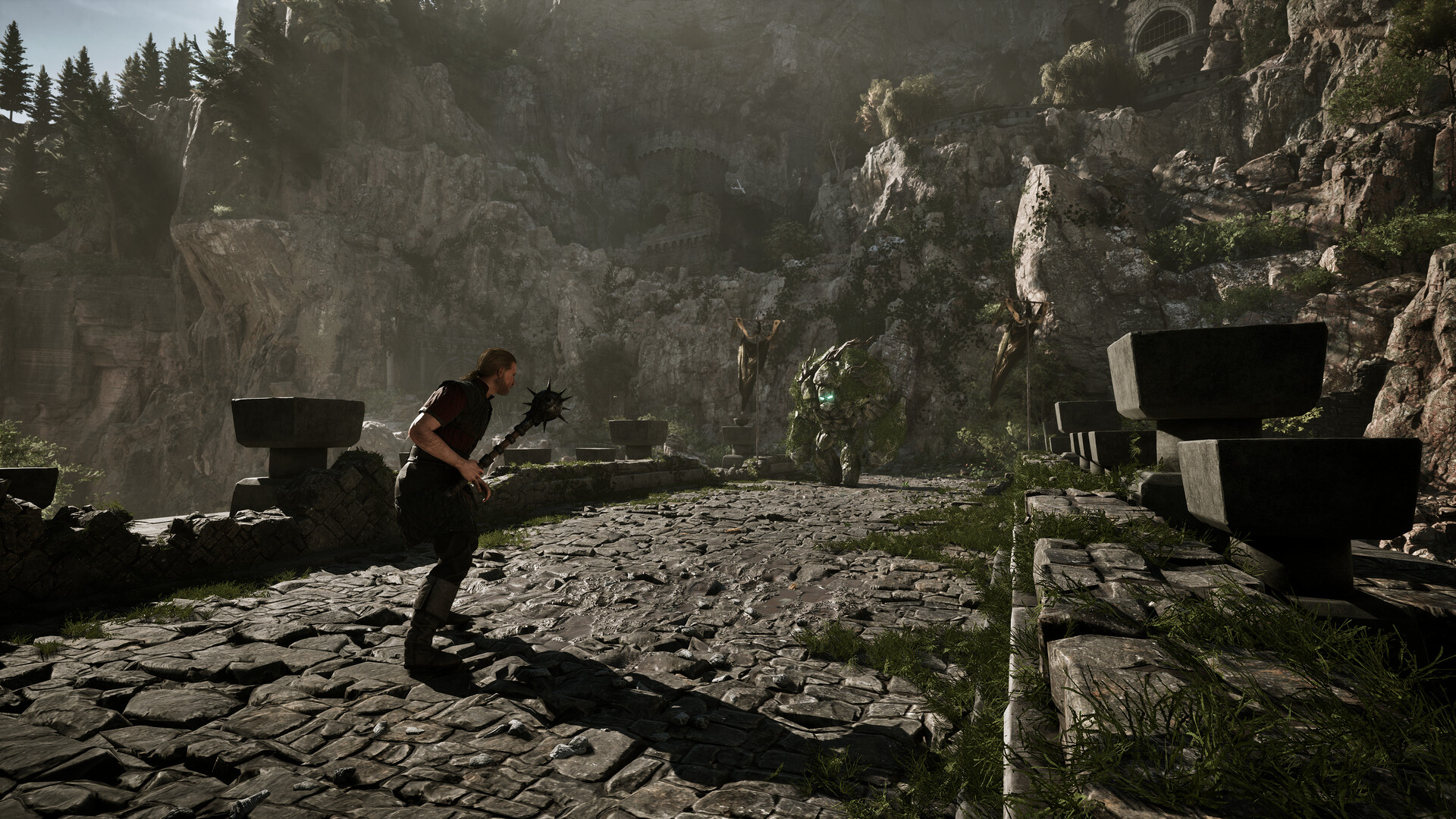
The good news is that the remake ships with native support for the full suite of modern upscalers: NVIDIA DLSS, including DLSS 4.5, AMD FSR, Intel XeSS, and frame generation. The less good news is that on current evidence you will want to use them. Benchmarks indicate the UE5 implementation is GPU-heavy at higher settings with significant VRAM demand, so upscaling is effectively mandatory for smooth high-resolution play rather than a nice-to-have for squeezing out extra frames. If you are gaming at 1440p or 4K, treat DLSS or FSR as a default-on setting from the first launch.
Image: THQ Nordic
For UK players, the upshot is that the choice of GPU brand matters less than it used to, because whichever team you are on has a supported upscaler. An NVIDIA card gets DLSS 4.5 and frame generation, AMD owners get FSR, and Intel Arc users get XeSS. What does not change is the underlying VRAM pressure: if your card sits near the 8GB minimum, you will lean on upscaling harder and may need to drop texture settings to avoid stutter. This is the same pattern we have seen across recent UE5 releases, and it is worth factoring into any upgrade plan if you are due a new graphics card this year.
Before the verdict, it is worth watching the official trailer to see the visual ambition the engine is delivering, and the world the colony is set in.
Video: THQ Nordic
That cinematic polish is real, but it sets up the central tension of this launch: the visuals are ambitious, and the engine cost and stability issues are the price of that ambition. The next section is where we get honest about the bugs.
The launch bug and crash situation
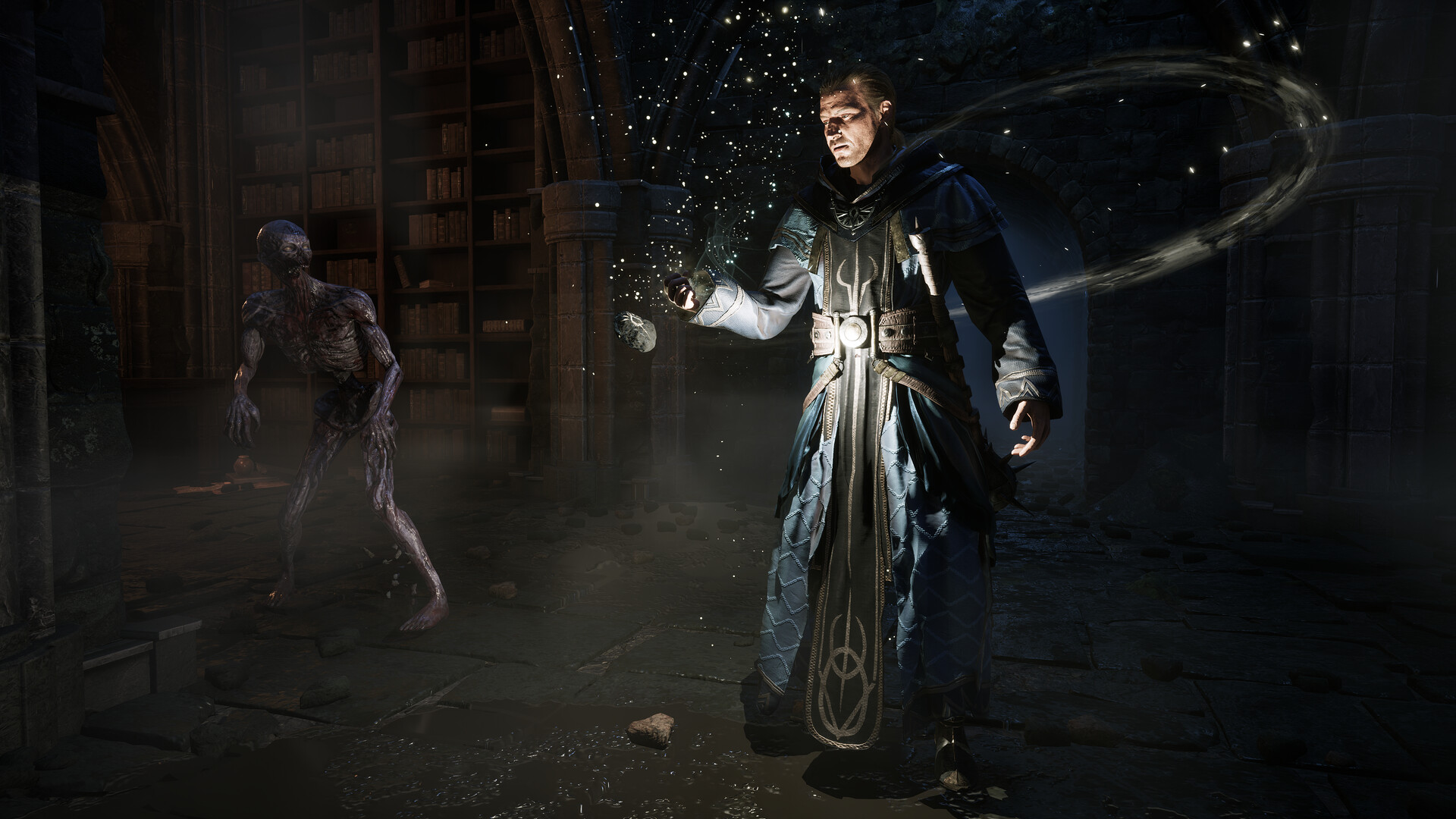
This is the part we will not gloss over. On 6 June 2026, one day after release, the developer issued a statement acknowledging PC crashes and the mixed feedback on a new lockpicking minigame, and confirmed that a first patch was planned for the following Monday. That is a fast response, and a good sign for the medium term, but it confirms the launch was rough. Multiple reviews and players reported crashes, bugs, optimisation issues, audio glitches and visual pop-in across platforms (PC Gamer, PSU.com, Finger Guns, June 2026). The console picture was worse in places, with PS5 criticised in some outlets as effectively locked to sub-30fps.
Image: THQ Nordic
PC Gamer’s review reinforced the point from the PC side, calling out persistent jank including NPC pop-in, clipping and characters stuck in geometry, alongside dark night-time visibility and the divisive lockpicking minigame. None of this is unusual for a large UE5 launch, and patches typically smooth the worst edges over the first few weeks, but it is exactly why a will-it-run review has to be a will-it-run-well review. For a wider sense of the week’s gaming and tech stories, our UK tech news round-up for 7 June 2026 sets the scene, and if you would rather try before you commit, our guide to Xbox Game Pass in June 2026 is worth a look for subscription alternatives.
Critics versus Steam users: a real split
The scores tell an interesting story. Professional critics landed in mixed-to-average territory: the OpenCritic top-critic average sits around 72 with roughly 53% of critics recommending it, and Metacritic shows a similar 73. PC Gamer was notably tougher, scoring it 60 out of 100, praising the gritty atmosphere, rewarding progression, improved combat and controls, modernised visuals and mouse-aim ranged attacks, while criticising the early-game grind, the persistent jank, the dark nights, the annoying lockpicking minigame and the UE5 performance cost. That is a review that admires the bones while flagging the rough surface.
Steam users, though, are warmer. The remake holds a Very Positive overall rating, with close to 86% of nearly 15,000 reviews positive, though the English-language slice is a softer 79% and rated Mostly Positive (Steam, June 2026). That gap between the critic average and the player score is the most telling thing in this review. It usually means a game with sharp edges that nonetheless delivers strongly for the people who were always going to love it, in this case Gothic fans and patient role-playing veterans. GamersGlobal, quoted on the Steam store page, scored it 8.5 out of 10 and captured that fan reaction.
As a Gothic fan, Alkimia Interactive could have only disappointed me with the remake. But that’s not the case at all: it looks like Gothic, it feels like Gothic, it is Gothic!
Image: THQ Nordic
GamersGlobal, 8.5/10, quoted on the Steam store page
How faithful is it to the 2001 original?
Very, by design, and that is both its strength and its barrier to entry. The remake keeps the three factions with branching impact, the deliberate lack of default quest markers or a compass, the requirement to buy a map, the tough early game, dynamic NPC routines and unrestricted exploration that lets you wander into danger you are not ready for. This is the structure that built Gothic’s reputation as a thinking person’s role-playing game, and Alkimia has resisted the temptation to smooth it into a more conventional open-world experience. If you bounced off the original’s stiffness in 2001, the faithfulness here may not win you over.
What has been modernised is the moment-to-moment play. Combat and controls are improved, ranged attacks now use proper mouse-aim, quests and NPC routines have been expanded, there is new traversal, and the divisive lockpicking minigame is a fresh addition. Playtime sits comfortably over 50 hours, so the value-per-pound argument is strong if the design clicks with you. For readers who prefer a gentler on-ramp into big releases, our coverage of Apple’s WWDC 2026 plans and our verdict on whether the Samsung Galaxy S26 is worth it in the UK show how we weigh value across very different kinds of tech.
Specs and scores at a glance
Detail
Minimum
Recommended
CPU
Core i7-7700K / Ryzen 5 1600X
Core i7-7700K / Ryzen 5 3600X
RAM
16GB
32GB
GPU (VRAM)
RTX 2070 / RX 6700 XT (8GB)
RTX 3070 Ti / RX 6800 XT (12GB)
Storage
60GB SSD/NVMe, DirectX 12
NVMe
Scores
OpenCritic ~72, Metacritic ~73
Steam Very Positive (~86%)
UK price
£41.99 on Steam (US $49.99)
The gap between a mixed critic average and a Very Positive Steam score is the whole story: a game with sharp edges that still delivers for the players it was built for.
Image: THQ Nordic
Our view
Where to buy or check next in the UK
On PC, Steam is the obvious home at £41.99, and it is where the Very Positive user reviews and the GamersGlobal quote live, so it is also the best place to read fresh impressions before buying. UK key reseller Fanatical lists the same £41.99 price, which is useful for keeping an eye on any early discount, and SteamDB is the tool to bookmark if you want to track price history and wait for a sale. On console, the game is available for PS5 and Xbox Series X|S, though the performance reports there are weaker, so check current patch notes before committing on those platforms.
Whichever store you choose, the smart move is to check the latest patch status first, given the developer’s 6 June note and the planned Monday update. If you are deciding between buying outright and using a subscription this month, our Xbox Game Pass June 2026 guide and our wider Xbox Games Showcase round-up are both worth a read for context on what else is competing for your time and money right now.
Our score: 7/10. The Gothic 1 Remake is a confident, atmospheric and remarkably faithful rebuild that nails the tone and structure that made the 2001 original a cult classic, and the Very Positive Steam reception shows it lands hard for fans and patient role-players. At £41.99 for 50-plus hours, the value is genuinely strong if the uncompromising design suits you. The reason we land at seven rather than higher is the launch state: persistent jank, crashes acknowledged by the developer, heavy UE5 performance demands and weaker console showings are real, and the mixed critic average reflects that. Our advice for UK buyers is split. If you have an RTX 4060 or 4070-class rig, love deliberate role-playing games and do not mind a few rough weeks, buy now and lean on DLSS or FSR. If you want it smooth and stable, or you are on a card near the 8GB minimum, wait for the first one or two patches and a sale. The risk that flips this verdict is whether THQ Nordic and Alkimia keep patching at pace; if they do, this becomes an easy recommendation.
How much does the Gothic 1 Remake cost in the UK?
The Gothic 1 Remake costs £41.99 on Steam in the UK, with the same price listed at key reseller Fanatical (SteamDB; Fanatical UK). For reference, the US price is $49.99, but UK buyers pay the £41.99 figure. Given the launch bugs, it can be worth waiting for an early discount that SteamDB will help you track.
What are the official PC system requirements?
The minimum specification asks for 64-bit Windows 10 or 11, an Intel Core i7-7700K or AMD Ryzen 5 1600X, 16GB of RAM, and an 8GB graphics card such as the RTX 2070 or RX 6700 XT, plus DirectX 12 and 60GB of SSD or NVMe storage. The recommended tier moves to a Ryzen 5 3600X, 32GB of RAM and a 12GB card like the RTX 3070 Ti or RX 6800 XT (Steam).
Will an RTX 4060 run the Gothic 1 Remake?
Yes. An RTX 4060 clears the 8GB VRAM minimum and runs the game well, but PC Gamer’s test on an RTX 4060 rig still needed reduced settings or frame generation to stay smooth because of the Unreal Engine 5 performance cost. Treat upscaling as default-on, especially at 1440p or higher.
Is upscaling like DLSS or FSR required?
Effectively, yes, for smooth high-resolution play. The game natively supports NVIDIA DLSS, including DLSS 4.5, AMD FSR, Intel XeSS and frame generation. Benchmarks show the UE5 build is GPU-heavy with significant VRAM demand at higher settings, so leaving an upscaler on is the practical default rather than an optional tweak (pcgameshardware; GameGPU, June 2026).
Is the Gothic 1 Remake buggy at launch?
It has real launch issues. On 6 June 2026 the developer acknowledged PC crashes and mixed lockpicking feedback and planned a first patch for the following Monday. Reviews and players reported crashes, bugs, optimisation problems, audio glitches and pop-in, with PS5 criticised as sub-30fps in some outlets (PC Gamer; PSU.com; Finger Guns, June 2026).
How does it compare to the 2001 original?
It is deliberately faithful. The remake keeps the three factions, the lack of default quest markers and compass, the need to buy a map, the tough early game, dynamic NPC routines and unrestricted exploration. It modernises combat and controls, adds mouse-aim ranged attacks, expands quests and NPC routines, introduces new traversal and adds a divisive lockpicking minigame, with playtime over 50 hours (PC Gamer; IGN; Steam, June 2026).
What did critics and Steam users score it?
Critics were mixed: the OpenCritic top-critic average is around 72 with roughly 53% recommending it, and Metacritic shows about 73. PC Gamer scored it 60 out of 100. Steam users are warmer, with a Very Positive overall rating at around 86% positive from nearly 15,000 reviews, though the English-language slice is a softer 79% (OpenCritic; Metacritic; Steam, June 2026).
Should I buy now or wait?
If you have an RTX 4060 or 4070-class rig, love deliberate role-playing games and can tolerate rough edges, buy now and use DLSS or FSR. If you want it smooth and stable, or your GPU is near the 8GB minimum, wait for the first one or two patches and an early sale. Our score is 7/10 largely because of the launch state.
We use cookies to make this site work, measure how it is used, and (with your consent) personalise advertising. Strictly necessary cookies always run. Analytics and advertising cookies run only if you accept. See our Cookie Policy and Privacy Policy.
MobileTechWorld Ltd — Companies House registration 16224011. Independent UK technology publisher since 2009.














Reader discussion
Leave a comment
Comments are moderated. Keep it useful, accurate, and on topic.