News · 3 Jun 2026 · MTW Editorial Team
Nothing Phone 3 UK pricing starts at £799 for the 12GB/256GB model, which makes it the most expensive handset the London brand has built and its first genuine attempt at a flagship. This guide pulls together the confirmed price, the specifications that matter and the places you can actually buy it in Britain, then sets the Phone (3) against the Android rivals UK shoppers are cross-shopping it with in 2026. The aim is simple: help you decide whether the most distinctive phone on the shelf is also the right one for your money.
Nothing launched the Phone (3) on 1 July 2025 at an event in London, with sales following on 15 July. It runs the Snapdragon 8s Gen 4 chip, carries a redesigned rear light system called the Glyph Matrix, and ships with one of the longest software commitments in the Android mid-to-upper tier. Almost a year on, the price has held and the phone has settled into a clear position in the market, which is exactly when a buying guide becomes useful rather than speculative.
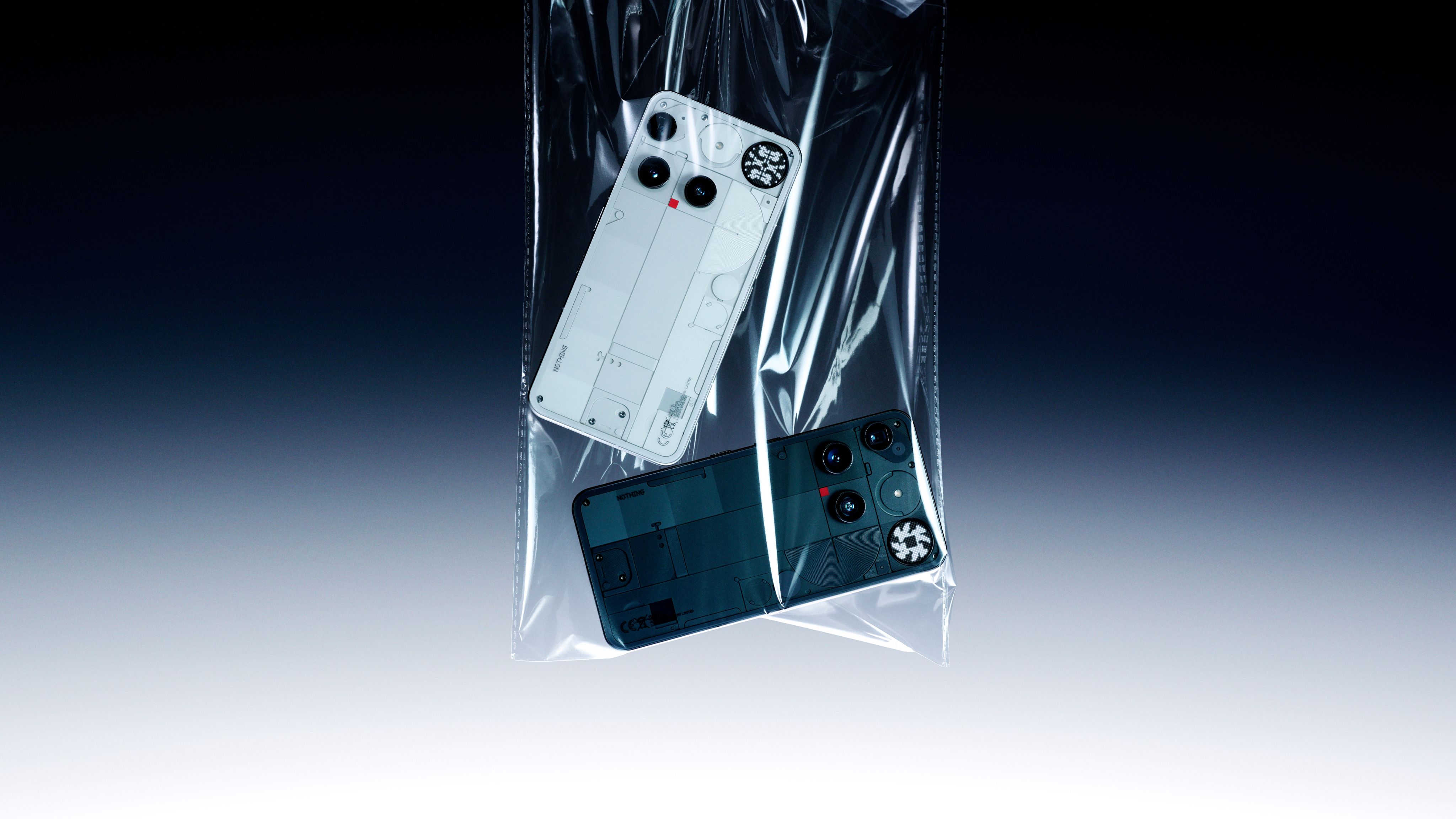
What the Nothing Phone (3) is, and why it matters now
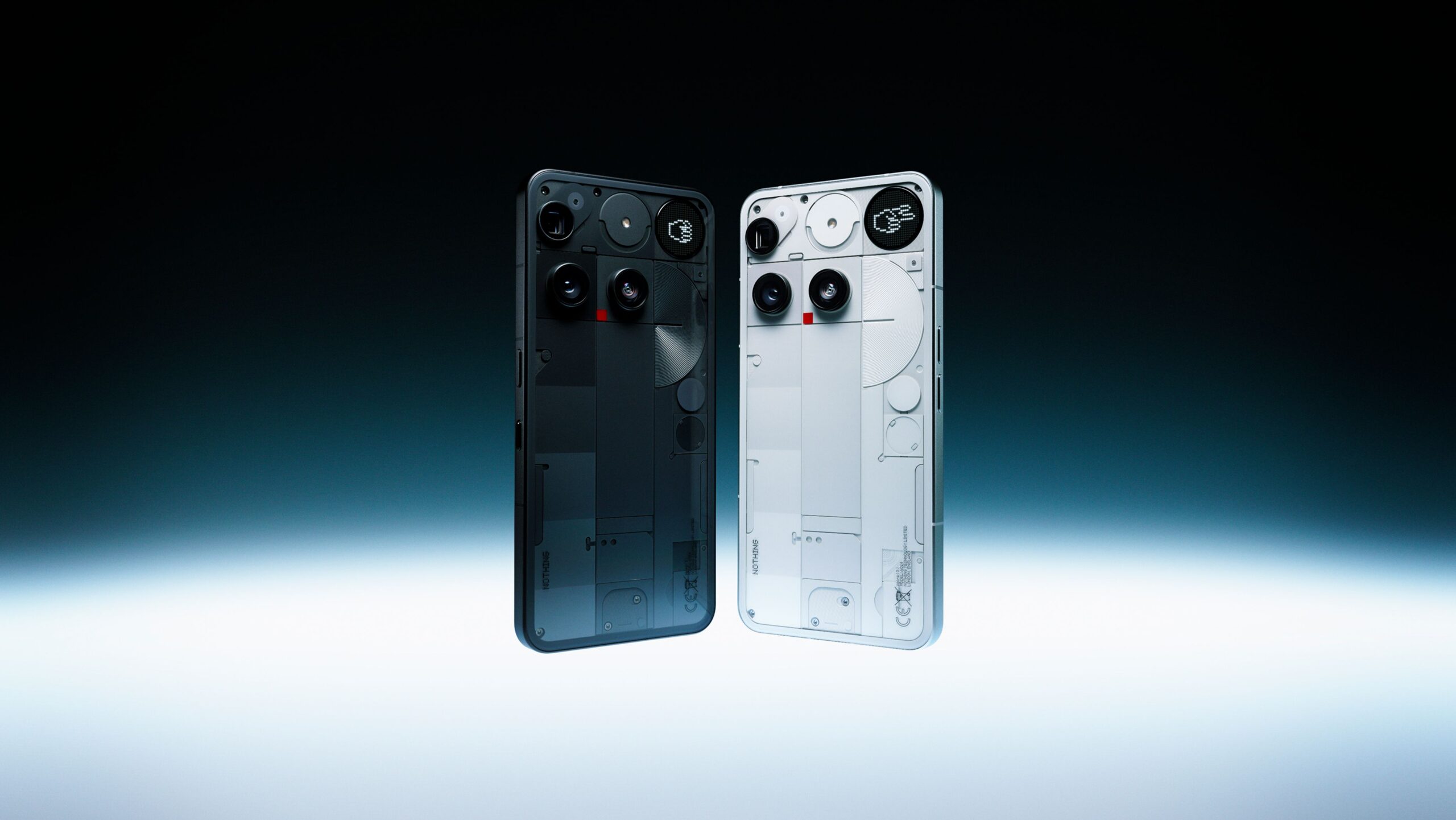
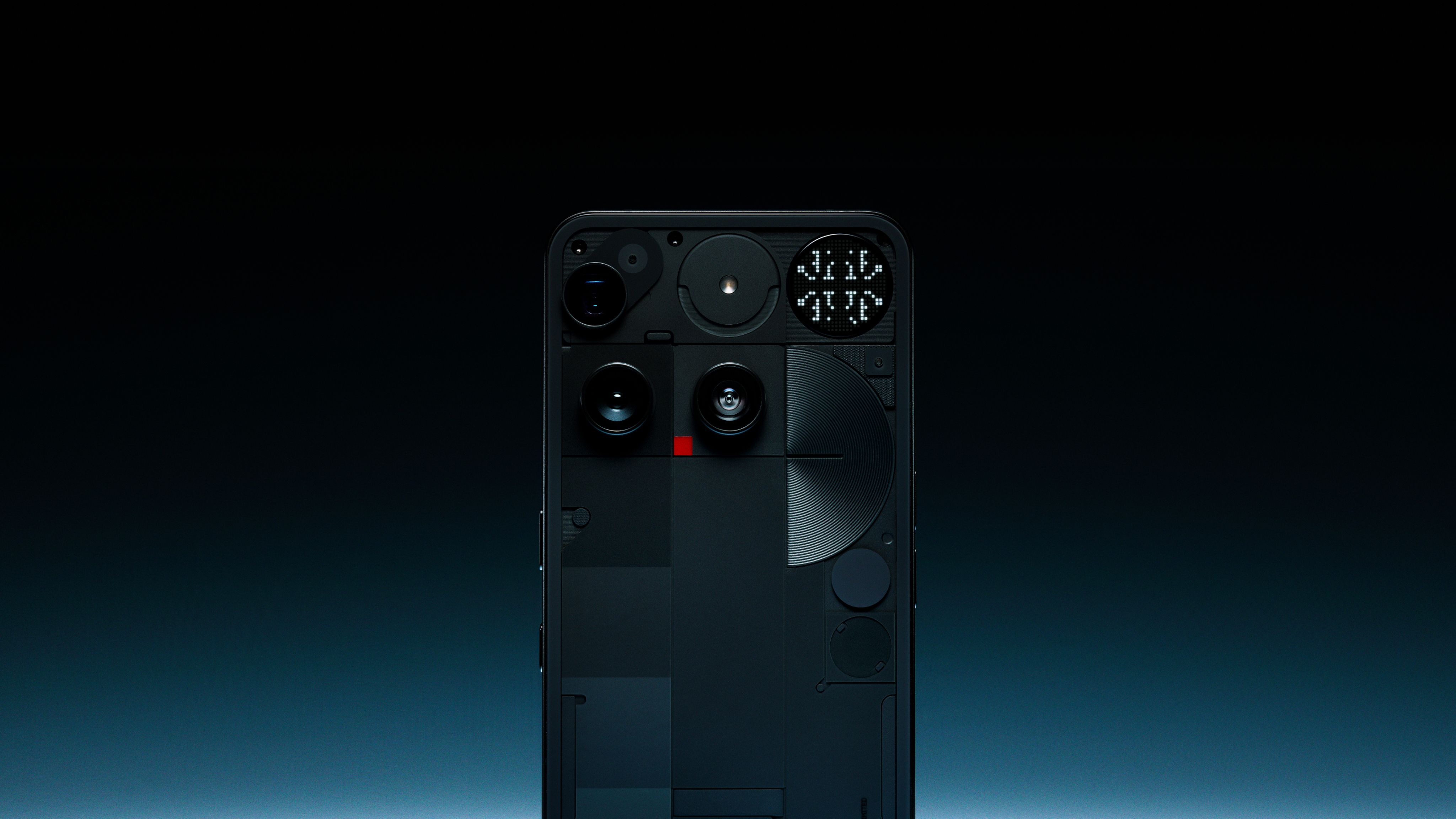
The Phone (3) is Nothing’s first device the company is willing to call a flagship outright. Earlier Nothing phones leaned on personality and price; this one asks for £799 and expects to be judged against more established names. The pitch is a transparent design language, a software experience that strips back the usual Android clutter, and a rear light interface that has evolved from the strips of light on previous models into a small dot-matrix panel. If you have followed the brand since the Phone (1), the jump in ambition is obvious, and so is the jump in cost.
It matters now because the price has not moved and the software promise has held up in practice. Nothing committed to five years of Android version upgrades and seven years of security patches, which is a meaningful figure to weigh when you are spending close to £800. That support window is competitive with what Google and Samsung offer at the top of their ranges, and it reframes the Phone (3) as a long-hold device rather than a novelty. For anyone comparing it with the field, our roundup of the best iPhone alternative UK 2026 is a useful companion, because the Phone (3) is squarely aimed at buyers who want something that is not an iPhone and not a default Galaxy.
Key facts and full specifications
The headline numbers are easy to state and easy to verify. The Phone (3) uses a 6.67-inch OLED display running at a 120Hz refresh rate, with a quoted peak brightness of 4,500 nits. Inside sits Qualcomm’s Snapdragon 8s Gen 4, built on a 4nm process. The battery is rated at 5,150mAh on the international model, with 65W wired charging and 15W wireless charging. Those four specifications alone put it in flagship territory on paper, and they are the figures we kept returning to when judging value.

The camera array is a triple 50-megapixel setup: a main sensor with optical stabilisation, a 50MP telephoto with 3x optical zoom and stabilisation, and a 50MP ultrawide. The front camera is also 50MP. Storage comes in 256GB or 512GB, paired with 12GB or 16GB of RAM respectively, and there is no microSD slot. The phone carries an IP68 rating for dust and water resistance, measures 160.6 by 75.6 by 9mm, and weighs 218g. It shipped on Android 15 with Nothing OS 4.1 and is upgradable to Android 16. The full breakdown is below.
| Spec | Detail |
|---|---|
| Display | 6.67-inch OLED, 120Hz, 4,500 nits peak brightness |
| Chipset | Qualcomm Snapdragon 8s Gen 4 (4nm) |
| RAM and storage | 12GB/256GB or 16GB/512GB, no microSD |
| Rear cameras | 50MP main (OIS), 50MP 3x telephoto (OIS), 50MP ultrawide |
| Front camera | 50MP |
| Battery | 5,150mAh (international model) |
| Charging | 65W wired, 15W wireless |
| Durability | IP68 dust and water resistance |
| Software | Android 15 (Nothing OS 4.1), 5 years OS, 7 years security |
| Weight | 218g |
| UK price | £799 (12/256GB), £899 (16/512GB) |
The Glyph Matrix and Nothing OS
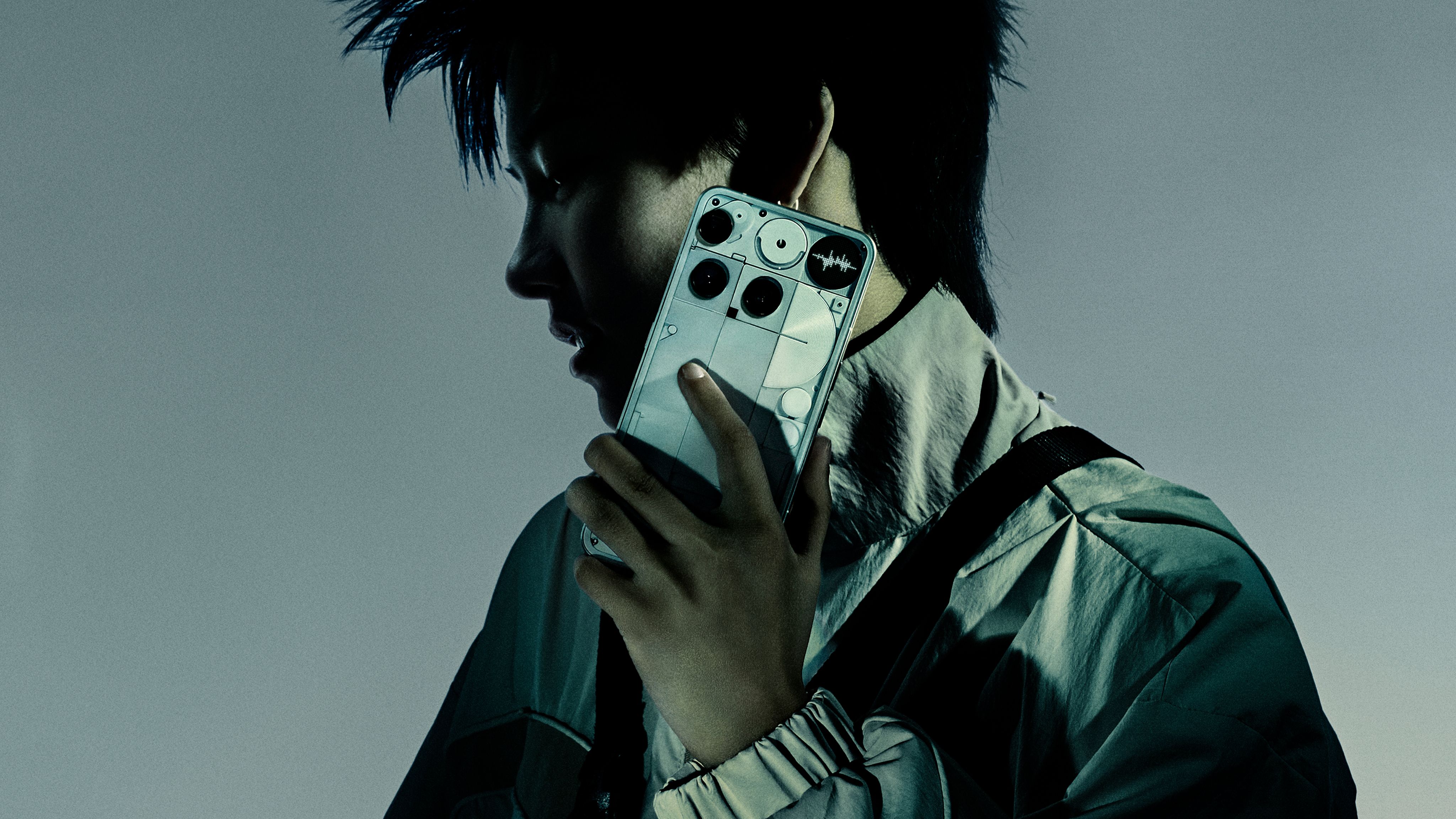
The Glyph Matrix is the feature that defines the phone visually. Where earlier Nothing handsets used strips of LED light around the rear, the Phone (3) replaces them with a small circular dot-matrix display in the top corner of the back panel. It can show a clock, a battery indicator, caller silhouettes, simple games and a set of mini tools Nothing calls Glyph Toys. It is controlled by a touch-sensitive button beneath the glass, so you cycle through functions without picking the phone up. None of this is essential, but it is the clearest expression of the brand’s argument that a phone should be fun to live with.
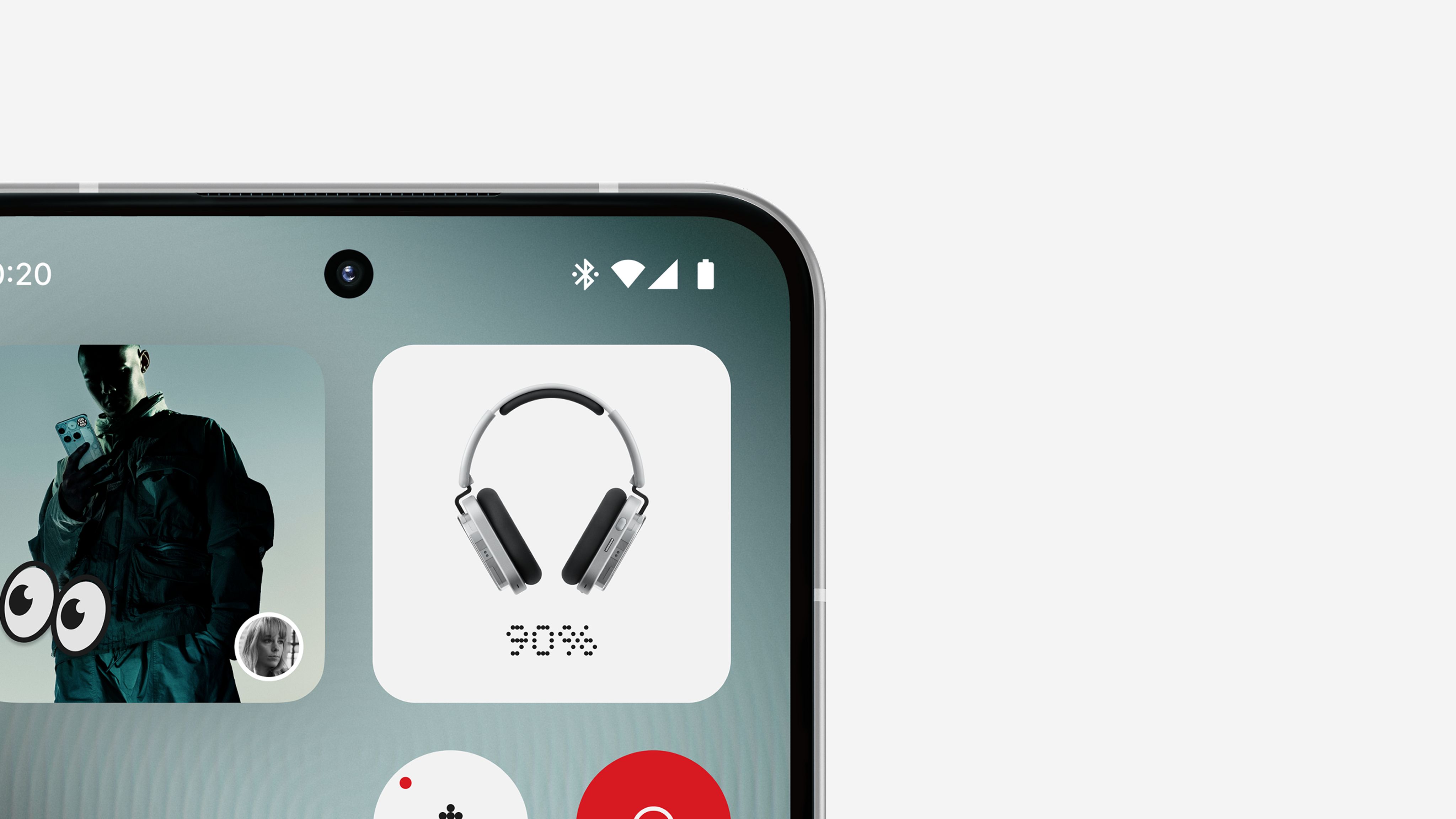
Nothing OS remains the bigger draw for day-to-day use. It is a light skin over Android with a consistent monochrome aesthetic, a dot-style font and widgets that lean into the look. The software side now folds in more AI, including Essential Space, a feature that captures notes, screenshots and voice memos and organises them for you. If you are weighing how much of this AI layer actually changes your week, our wider look at Gemini Intelligence on Android in the UK is worth reading alongside, because Nothing leans on Google’s underlying services for much of the heavy lifting and the practical gains are similar across modern Android phones.
Watch the Phone (3) reveal
Nothing’s own launch film, “Phone (3): Come to Play”, is the quickest way to see the design and the Glyph Matrix in motion before you commit to a viewing in person. It is short, it shows the transparent rear and the dot display clearly, and it sets out the brand’s tone better than any spec sheet can.
If the look does nothing for you, that is a fair reason to skip it, because the design is most of what you pay the premium for. If it draws you in, the rest of the package is strong enough to justify the interest. Either way, seeing it move tells you more than a still image, and it is worth two minutes before you read on to the camera and performance sections.
Cameras, performance and battery in real use
The triple 50MP system is the most rounded camera Nothing has shipped. The main sensor handles daylight and low light competently, the 3x telephoto is the standout addition for a phone at this price, and the ultrawide keeps the same resolution rather than dropping to a token sensor. It is not going to unseat the best from Google or Apple in a side-by-side pixel-peep, but it is consistent, and the 3x optical reach is genuinely useful for events and travel. The 50MP front camera is more than enough for video calls and selfies.
On performance, the Snapdragon 8s Gen 4 is the point of most debate. It is a strong upper-tier chip rather than the absolute top-end 8 Elite, and Nothing chose it deliberately. The trade-off is real: you get smooth everyday performance and capable gaming, but you are not buying the highest benchmark scores on the market. For most people that is the right call, though dedicated mobile gamers should read our list of the best gaming phone UK 2026 picks before deciding, since a few rivals push raw frame rates harder. Battery life from the 5,150mAh cell comfortably clears a day, and 65W wired charging refills it quickly, while the 15W wireless option is a welcome flagship touch.
Two practical points are worth flagging from extended use. First, the chip choice has a knock-on benefit beyond support length: it runs cooler than the very top-end silicon under sustained load, so long video calls and navigation sessions stay comfortable in the hand. Second, the 4,500 nits peak figure is a brief highlight measurement rather than a sustained full-screen brightness, but in practice the display is easily legible outdoors in British summer sun, which is the test that matters. Neither point changes the headline verdict, but both are the kind of detail that only surfaces after living with a phone for weeks rather than reading the launch slides.
How it compares with Pixel 10, Galaxy S26 and mid-range Android
At £799 the Phone (3) sits in a crowded part of the market. The Pixel line is the obvious camera and AI benchmark, and our comparison of the Pixel 10 Pro versus iPhone 17 Pro at £899 against £1,099 shows how the Google flagship is priced just above Nothing’s asking figure. If photography is your single priority, a Pixel will likely edge ahead on computational results. What the Phone (3) offers in return is a design and software identity that neither Google nor Samsung try to match, plus that long support window.
Against Samsung’s Galaxy S26 family, the calculus is about ecosystem and polish versus character. Samsung’s software is feature-dense and its retail presence in the UK is unmatched, but it can feel busy next to Nothing OS. There is also a real question of whether you need to spend £799 at all. Plenty of buyers will be better served lower down the range, and our guide to the best mid-range Android phone UK 2026 picks under £500 makes the case that the gap to flagship has narrowed. If budget is the priority and you can wait, the Samsung Galaxy A27 leak and what UK budget Android buyers should expect is the other side of that conversation. The Phone (3) earns its premium only if the design and the support window matter to you specifically.
Where to buy or check next in the UK
The cleanest route is the brand’s own UK store at nothing.tech, where you can choose colour, capacity and any launch trade-in, and check delivery and the standard returns window before you commit. Currys stocks the Phone (3) in 256GB and 512GB across black and white, and is worth checking for click-and-collect availability and any bundle pricing; the product listings sit under its dedicated Nothing pages. John Lewis is the retailer to watch if warranty cover matters to you, given its longer guarantee on many electronics, so compare the headline price against the after-sales terms rather than the sticker alone.

Amazon UK is the place to track for short-term discounts and fast delivery, and it is where the price is most likely to dip below £799 during sale events, so set an alert rather than buying on day one if you are not in a hurry. Argos and Very are also viable for spreading the cost or collecting locally. On the network side, availability through EE, Vodafone and Three varies by season; if you want it on contract, check whether your chosen network carries the exact storage tier you want before signing, because stock can be patchier than at the open-market retailers. If you intend to run it on eSIM, our eSIM setup UK 2026 walkthrough for EE, VodafoneThree and O2 covers the steps so you can switch on day one. Across every retailer, the four things to confirm are price, delivery timing, the returns window and the warranty length, because those are where the deals actually differ.
One more comparison is worth doing before you check out. Nothing’s own store often bundles a trade-in or a case at launch windows, which can quietly close the gap to a high-street discount, so price the deal as a whole rather than the handset alone. If you are buying outright and plan to keep the phone for the full support window, the longer guarantee at John Lewis can be worth a few pounds more up front. If you are happy to self-insure and want the lowest possible figure, Amazon UK during a sale event is usually the floor. Map your priority to the retailer that matches it, and the £799 starting figure starts to look more flexible than it first appears.
Our verdict: who should buy the Phone (3)
Our view is that the Nothing Phone (3) is the right buy for a specific person: someone who wants a phone with a clear identity, values a clean software experience, and is reassured by five years of OS updates and seven years of security patches at £799. For that buyer, the design is not a gimmick but the point, and the rest of the package, from the 120Hz OLED to the 65W charging and the triple 50MP cameras, is strong enough that you are not sacrificing much to get the look you want.
We would steer two groups elsewhere. If your single priority is camera output, a Pixel at a similar price will likely satisfy you more. If you mainly want value, a sub-£500 Android now does most of what this phone does without the premium, and waiting for a sale could shave real money off the Nothing’s price. What would change our recommendation is a sustained discount: at £699 or below, the Phone (3) becomes much easier to recommend broadly rather than to the design-led buyer alone. At full price today, buy it because you want this phone, not because it wins a spec sheet.
| What we like | What we’d watch |
|---|---|
| Five years of OS updates, seven years of security patches | £799 start price is Nothing’s highest ever |
| Distinctive transparent design and Glyph Matrix | Snapdragon 8s Gen 4 is upper-tier, not top-end |
| Triple 50MP cameras with a 3x optical telephoto | No microSD and only two storage tiers |











Reader discussion
Leave a comment
Comments are moderated. Keep it useful, accurate, and on topic.