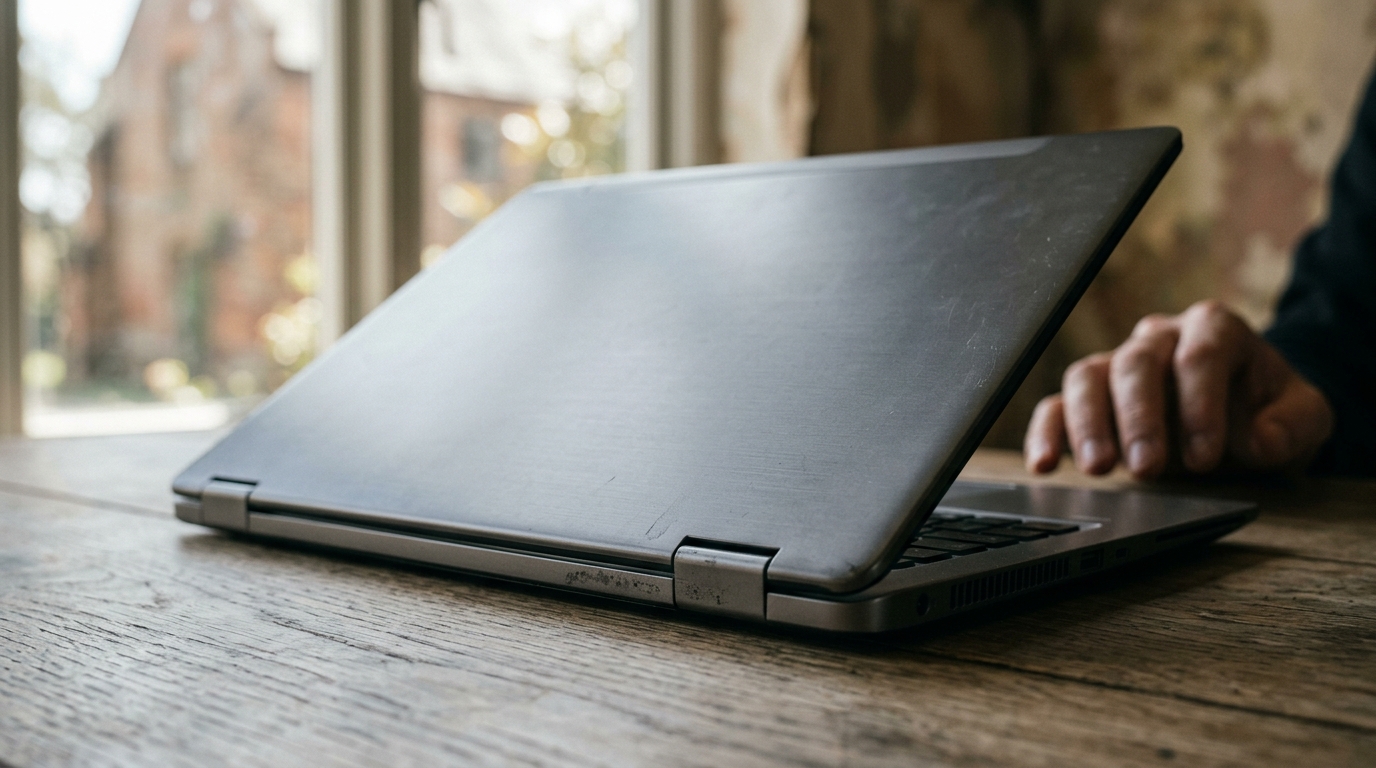
The x86 laptop as the default choice is finished, and 2026 is the year that stopped being a hot take and became the obvious one. Between Apple Silicon owning the Mac outright and Qualcomm’s Snapdragon X2 Elite making Windows-on-Arm credible, Qualcomm’s own positioning of its chips as the “fastest and most efficient processors for Windows PCs” is no longer marketing bravado – it is roughly where the market landed.
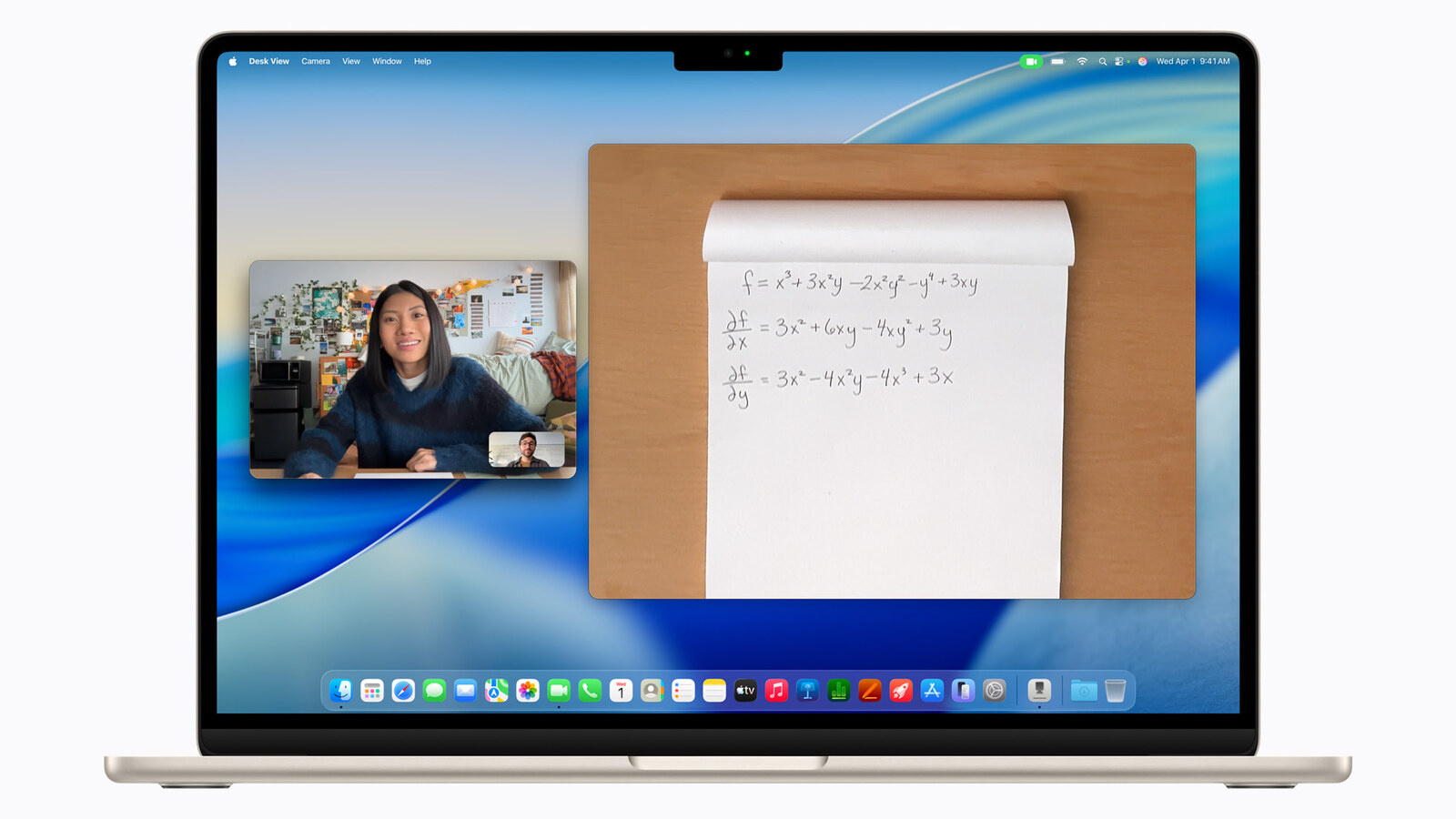
- Apple’s entire consumer laptop line is Arm; the MacBook Air M5 starts at £1,099, is fanless and quotes up to 18 hours.
- Qualcomm’s Snapdragon X2 Elite shipped into 2026 Windows laptops as a Copilot+ platform.
- Independent reporting has Snapdragon Arm Windows laptops at a small but fast-rising share of 2026 shipments.
- x86 still wins gaming and legacy enterprise – but not the mainstream thin-and-light.
Why the x86 laptop lost the mainstream
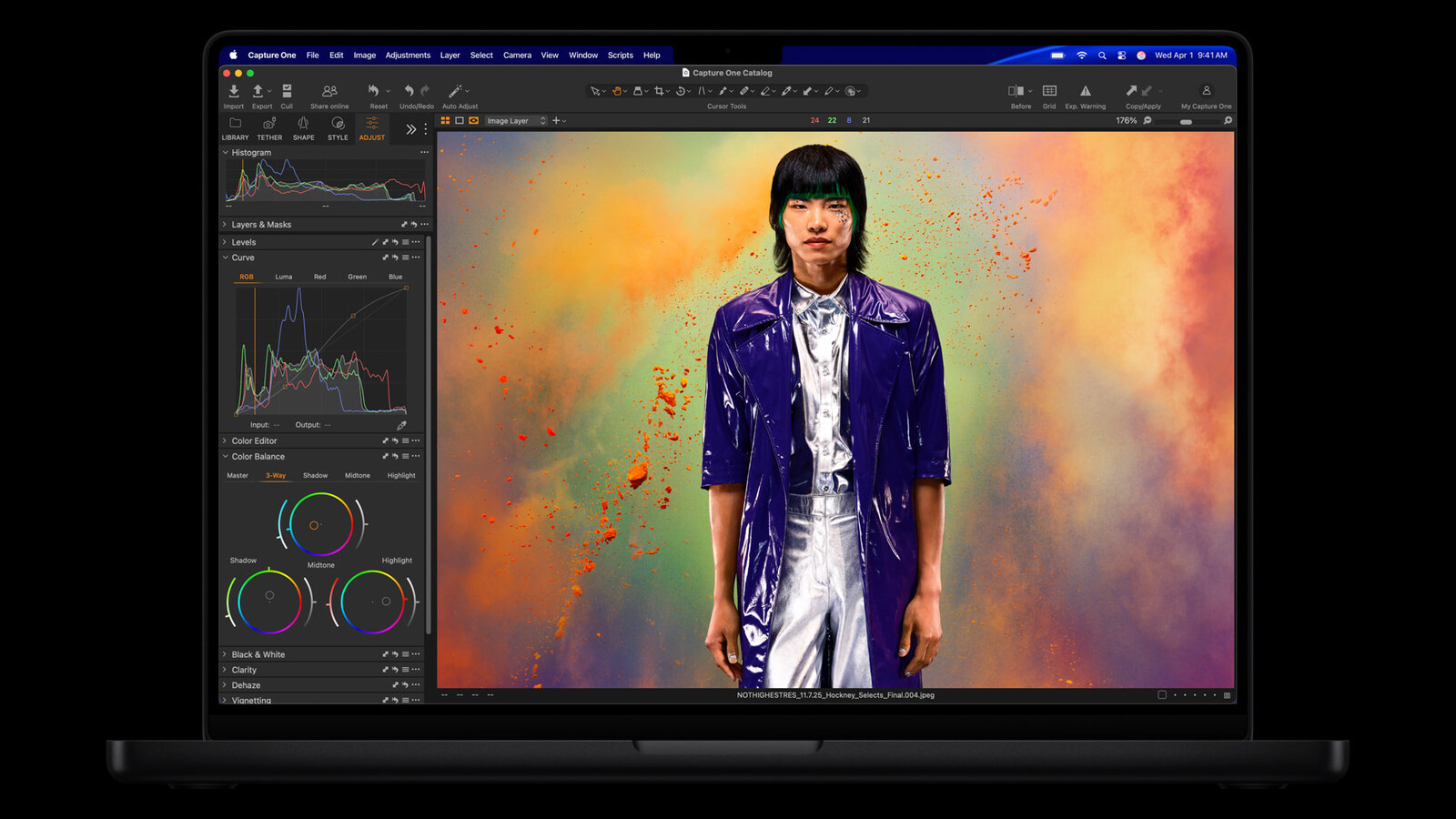
The case is not ideological, it is physical. The thing buyers actually want from a portable computer – all-day battery, silence, instant wake, a cool palm rest – is exactly what an efficient Arm SoC delivers and what x86’s power budget keeps fighting. Apple proved it with the M-series and never looked back; its cheapest laptop, the fanless MacBook Air M5 at £1,099, runs for a quoted 18 hours and never spins a fan. That is not a spec-sheet flex, it is the experience an x86 ultraportable still cannot match without compromise. We made the buyer case for it in our MacBook Air M5 vs Pro comparison.
For years the rebuttal was “fine for Macs, but Windows is x86 forever”. That rebuttal died in 2026. Qualcomm’s Snapdragon X2 Elite arrived in a serious wave of Windows laptops, Microsoft treats it as a first-class Copilot+ platform, and the compatibility excuses have largely been engineered away. Our coverage of the Snapdragon X2 Elite laptop wave tracked exactly how fast that shift moved.
The compatibility story is the one that quietly flipped. The first Windows-on-Arm wave failed because translation was slow and the apps people needed were missing. By 2026 the big productivity, browser and creative suites ship native Arm builds, and the emulation layer for the long tail is fast enough that most users never notice which path their software took. That was always the only thing keeping x86 mandatory on Windows, and once it stopped being a wall, the platform’s last universal advantage went with it.
The x86 laptop’s last real arguments
An honest editorial has to concede the exceptions, because they are real. x86 still owns PC gaming, where the library, anti-cheat and GPU ecosystem are built around it. It still owns swathes of enterprise software with native x86 dependencies and validation cycles measured in years. And Intel’s latest Panther Lake parts are a genuine leap that reviewers have – fairly – called Intel’s own “M1 moment”. None of that is nothing.
But “still essential for gaming rigs and locked-down enterprise fleets” is not the same as “the default laptop”. It is the definition of a legacy stronghold: important, defensible, and shrinking. The mainstream thin-and-light – the thing most people walk into a shop or a website to buy – is no longer an x86 conversation, and pretending otherwise is nostalgia, not analysis.
What this means for UK buyers
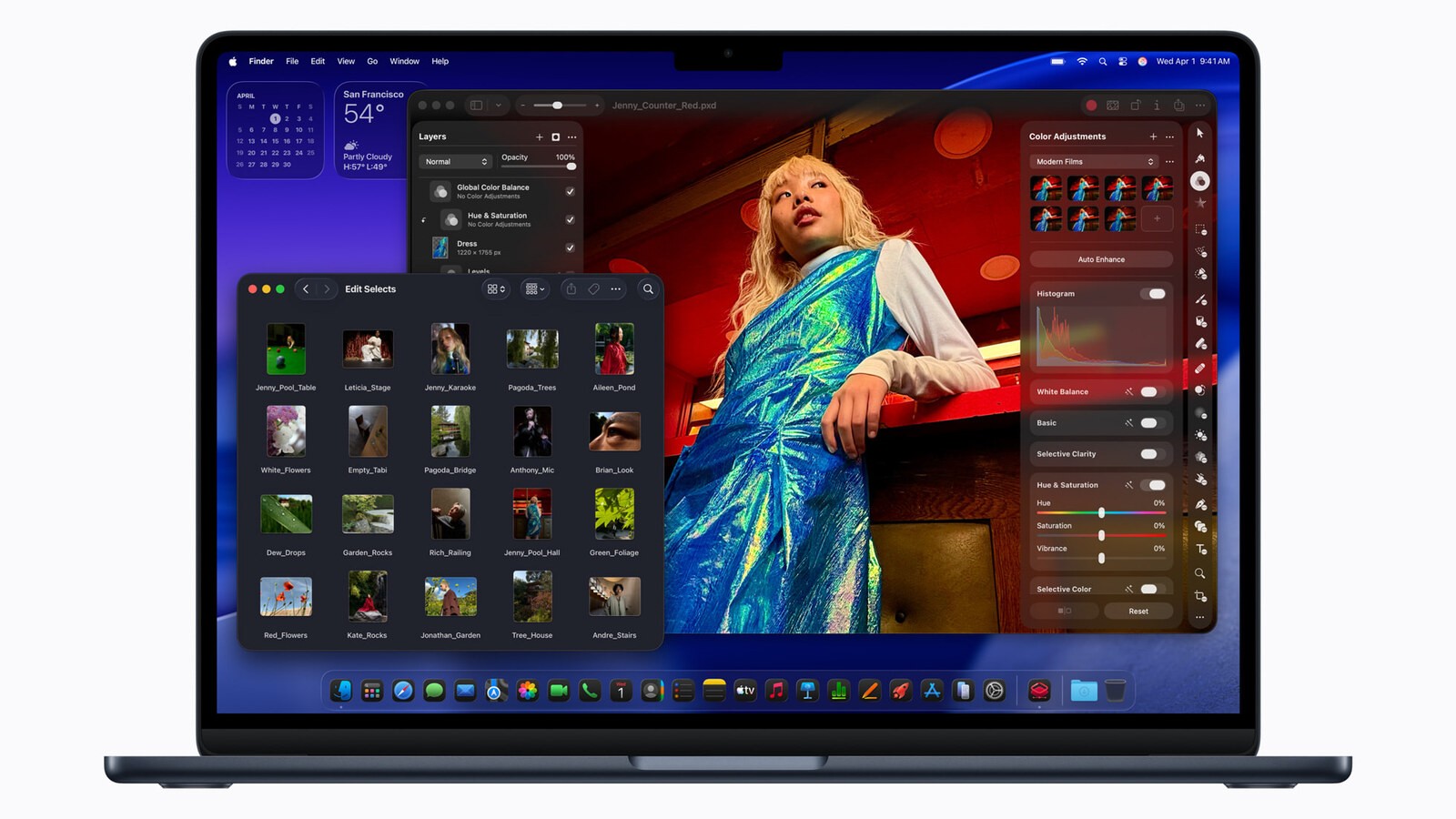
For British buyers the practical advice has flipped. The safe default in 2026 is an Arm laptop – a MacBook if you want macOS, a Snapdragon X2 machine if you want Windows – and x86 is the considered exception you pick for a specific reason. That is the precise inverse of the advice anyone would have given in 2022, and it is why our older Arm vs x86 buyers guide now reads like a halfway house rather than a debate.
The one caveat worth money: check your must-run software before buying Arm, especially niche Windows tools and games with kernel-level anti-cheat. If everything you use is mainstream, the question is settled. The shift mirrors the supply-chain logic we covered when Apple’s chip strategy made its direction of travel obvious.
The AI-PC pitch makes the tilt worse for x86. The entire Copilot+ marketing push is built around a high-performance on-device NPU, and Arm platforms – Apple’s M-series and Qualcomm’s Snapdragon X2 – led on that metric before Intel and AMD caught up. When the industry’s headline feature is measured in NPU throughput rather than peak CPU clocks, the architecture that started the race on efficiency is the one writing the rules. x86 spent 2026 reacting to a benchmark Arm chose.
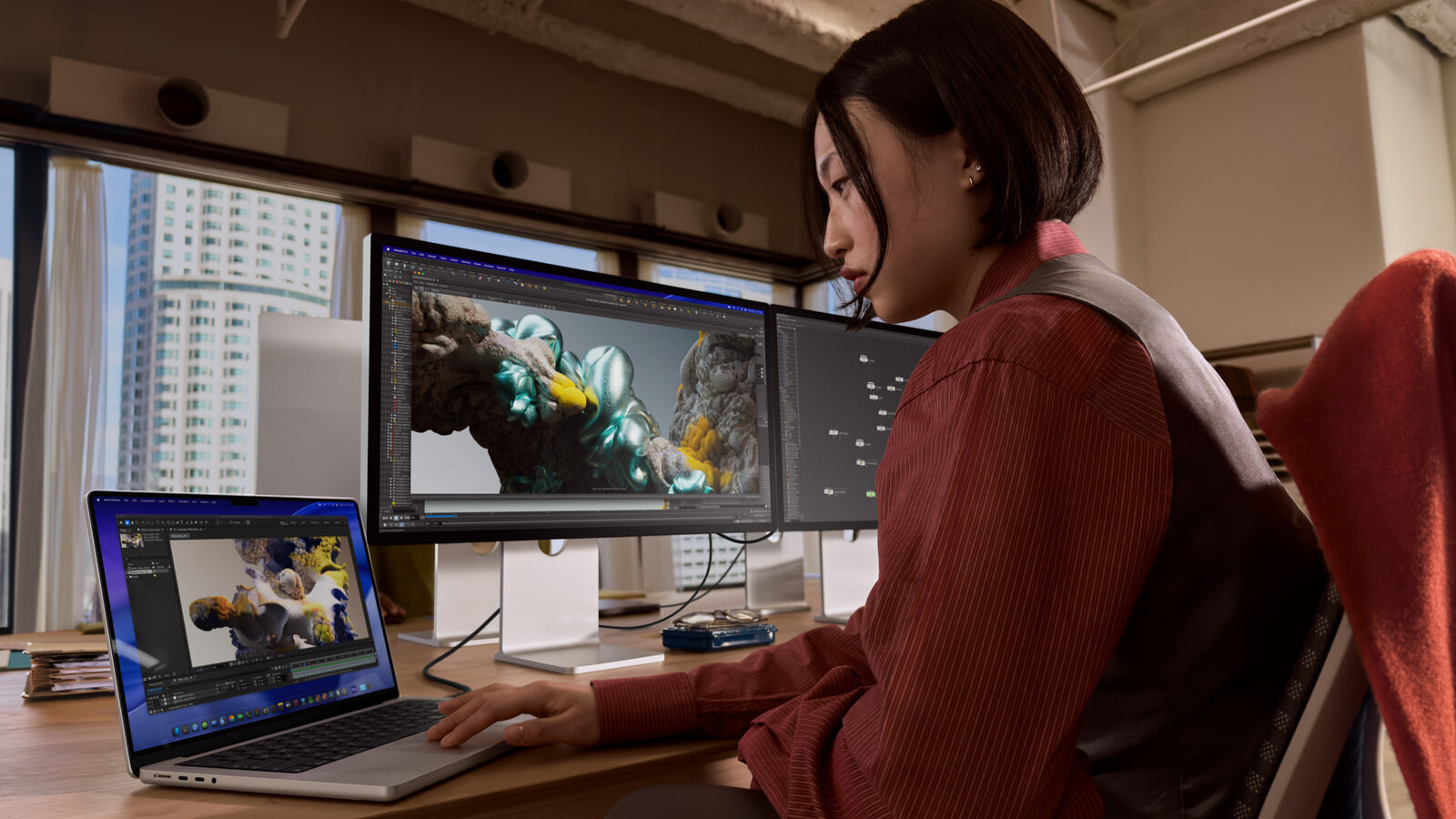
The market signal backs the argument up. Independent reporting has Arm-based Snapdragon machines taking a small but fast-rising slice of Windows laptop shipments, while Apple’s Arm share of the premium laptop market needs no introduction. A single-digit Windows share sounds trivial until you remember it was effectively zero two years ago, and that it is concentrated in exactly the thin-and-light segment that defines what “a laptop” means to most buyers.
x86 laptop versus Arm in 2026
| Use case | 2026 winner | MTW read |
|---|---|---|
| Mainstream thin-and-light | Arm | Battery and silence decide it |
| PC gaming | x86 | Library and anti-cheat lock-in |
| Locked-down enterprise | x86 | Legacy validation, for now |
| AI-PC / Copilot+ | Arm | NPU-first platforms lead |
Why this matters
Architecture transitions feel slow until they look sudden. The x86 laptop did not collapse; it was quietly demoted from “the default” to “a specialist tool”, and most buyers will make the switch without ever thinking about instruction sets. That is what winning an architecture war actually looks like – it becomes invisible.
Intel and AMD are not going bankrupt, and nobody should pretend they are. But the centre of gravity has moved, and the burden of proof has flipped with it. In 2026 the x86 laptop is the one that has to justify itself, and for most people it no longer can.
MTW verdict
The x86 laptop is finished as the default, and Arm won – Apple Silicon outright on the Mac, Snapdragon X2 credibly on Windows. Buy Arm unless a specific game or enterprise app forces x86. The exceptions are real but they are exceptions, and that is the whole story.
MMTW Editorial
Buyer action
Where to buy or check next
Use this as the final check before ordering a phone, changing network or trusting a headline monthly price.






Reader discussion
Leave a comment
Comments are moderated. Keep it useful, accurate, and on topic.