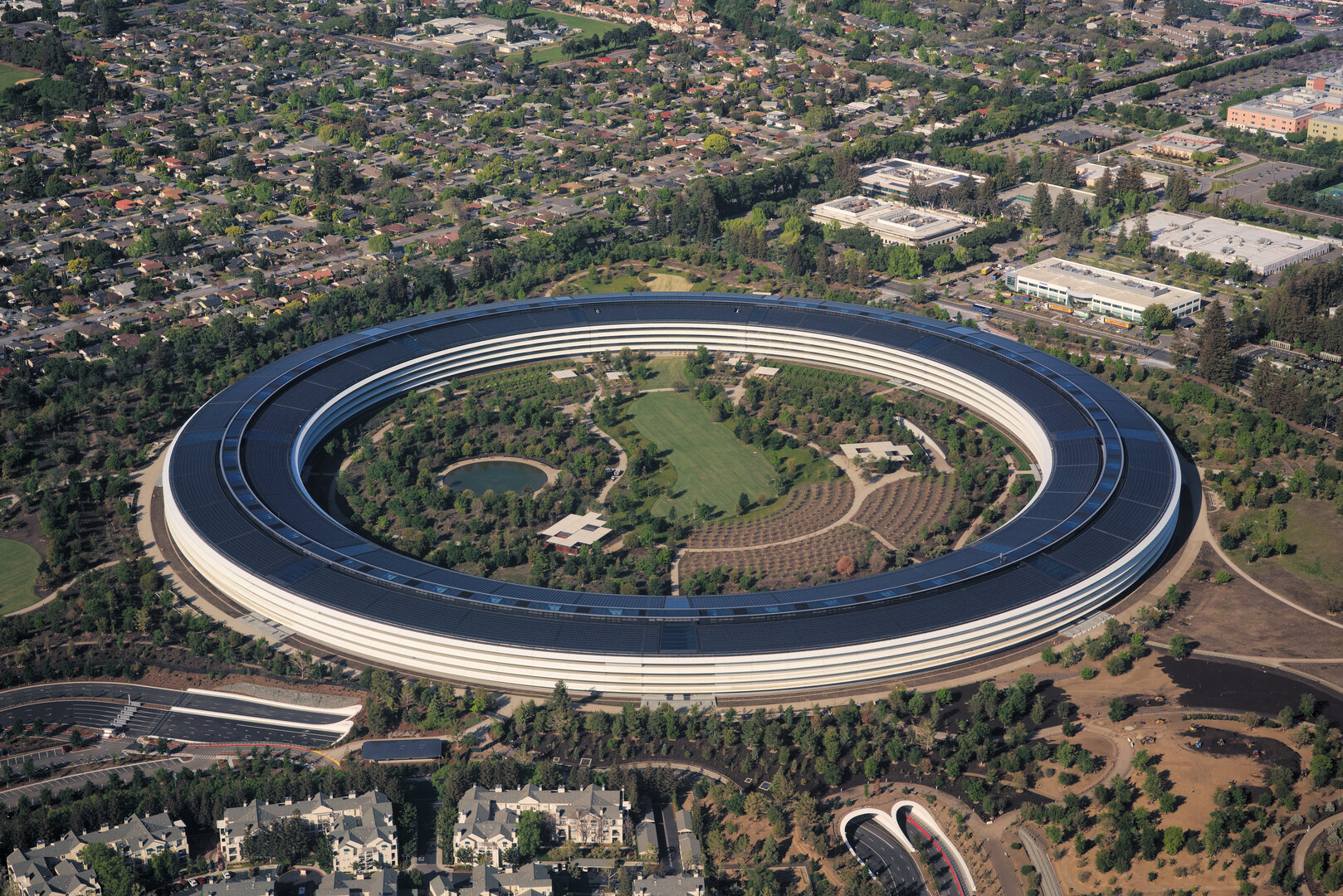
Apple Intel chip deal is the 8 May editorial story that just rewrote the semiconductor map. The Wall Street Journal reported a preliminary agreement under which Intel will manufacture some of the chips powering Apple devices, ending more than a year of talks and a decade of TSMC-only sourcing.
- The Wall Street Journal first reported the Apple Intel chip deal on 8 May 2026 after more than a year of negotiations.
- Intel shares jumped roughly 14 per cent on the news, hitting a fresh all-time high, while Apple stock added about 2 per cent.
- Apple is expected to use Intel’s enhanced 18A-P process for at least the lower-end M-series chips, with possible expansion to other lines later.
- The US government, which became Intel’s largest shareholder under a deal with CEO Lip-Bu Tan, helped push the two companies to the table.
Why the Apple Intel chip deal actually matters
For more than a decade Apple has trusted exactly one company with its most important silicon. TSMC has built every A-series and M-series chip Apple has ever shipped under the Apple Silicon banner. The Apple Intel chip deal does not change that fact overnight, but it ends Apple’s single-source dependency for the first time since the Mac transition to its own designs in 2020. That is the kind of structural change you only get when a vendor cannot keep up. Apple’s iPhone 17 production was reportedly capacity-constrained because TSMC has been steering wafer space toward AI server chips for Nvidia and others. When demand for AI silicon eats into your supplier’s roadmap, you find a second supplier — and in 2026 that supplier is finally Intel.
The market reaction tells you how big this is. Intel shares jumped about 14 per cent on Friday 8 May, hitting an all-time high after a brutal three-year stretch. Apple shares added roughly 2 per cent, which is unusual for a company that size on a supply-chain story. The reason both moved is that the Apple Intel chip deal validates Intel Foundry as a real merchant business and gives Apple long-term insurance against TSMC capacity shocks. There is also a political layer: the US government became Intel’s largest shareholder last year as part of the deal that brought in CEO Lip-Bu Tan, and President Trump is reported to have personally pressed Tim Cook on Intel during a White House meeting.
What the Apple Intel chip deal actually covers
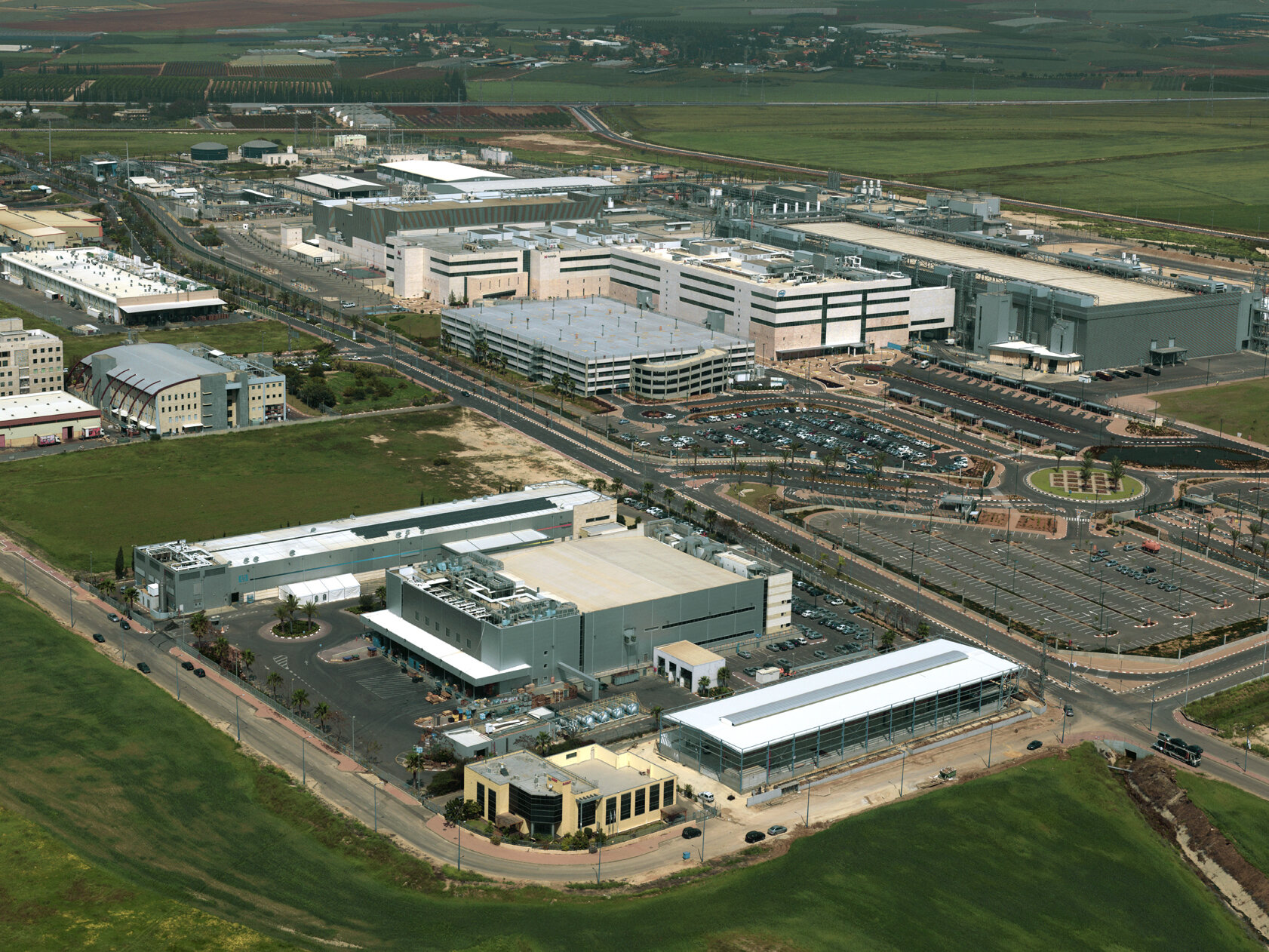
The deal is preliminary and the WSJ is careful about specifics. What is reported: Intel will manufacture chips Apple designs, on a contract-foundry basis, exactly like TSMC does today. The first chips in scope are the lower end of the M-series — the kind that go into entry MacBook Air and base iPad Pro models — with iPhone chips a possible later phase. The process node is expected to be Intel 18A-P, an enhanced version of Intel 18A that adds more transistor variants for customer designs. None of this means Intel is suddenly competing on architecture; Apple’s chip designs are still Apple’s. Intel is just the foundry.
That matters because Intel has spent the last three years trying to convince anyone that its foundry business can win merchant customers. Nvidia, AMD and now Apple have all been on the wishlist. Apple is the most credible win to date and the one that proves Intel 18A is ready for high-volume external work. We already covered the financial groundwork in our editorial on the £11 (about $14.2) billion Intel factory buyback, and the May deal is what that move was setting up. It also vindicates the strategy of buying back capacity rather than selling it off.
Apple Intel chip deal versus TSMC: the new map
TSMC’s monopoly on advanced Apple silicon has been the most important fact in mobile hardware for half a decade. The Apple Intel chip deal does not end it but it ends the simplicity of the story. From here Apple has a primary supplier on TSMC’s leading node and a secondary supplier on Intel 18A-P. Anyone who has worked in supply chain knows what that does to negotiating power, capacity guarantees and pricing.
| Foundry | Apple role pre-8 May 2026 | MTW read after the Apple Intel chip deal |
|---|---|---|
| TSMC | Sole manufacturer of every Apple Silicon chip since 2020 | Still primary, but loses the leverage of being the only option. |
| Intel Foundry | Zero Apple business since the 2020 transition | Confirmed contract for entry M-series chips on Intel 18A-P from 2027 onward. |
| Samsung Foundry | No current Apple Silicon work | Now the third wheel and under pressure to win its own Apple slot. |
The Intel pitch is also national-security flavoured. Apple’s reliance on a single Taiwan-based fab has been a US policy concern for years. Spreading some Apple production to Intel fabs in Arizona and Ohio is the kind of move Washington wants and is willing to subsidise. It is also why the WSJ flags President Trump’s intervention. The Apple Intel chip deal is partly an industrial-policy outcome, not just a commercial one.
What UK Apple buyers should watch next
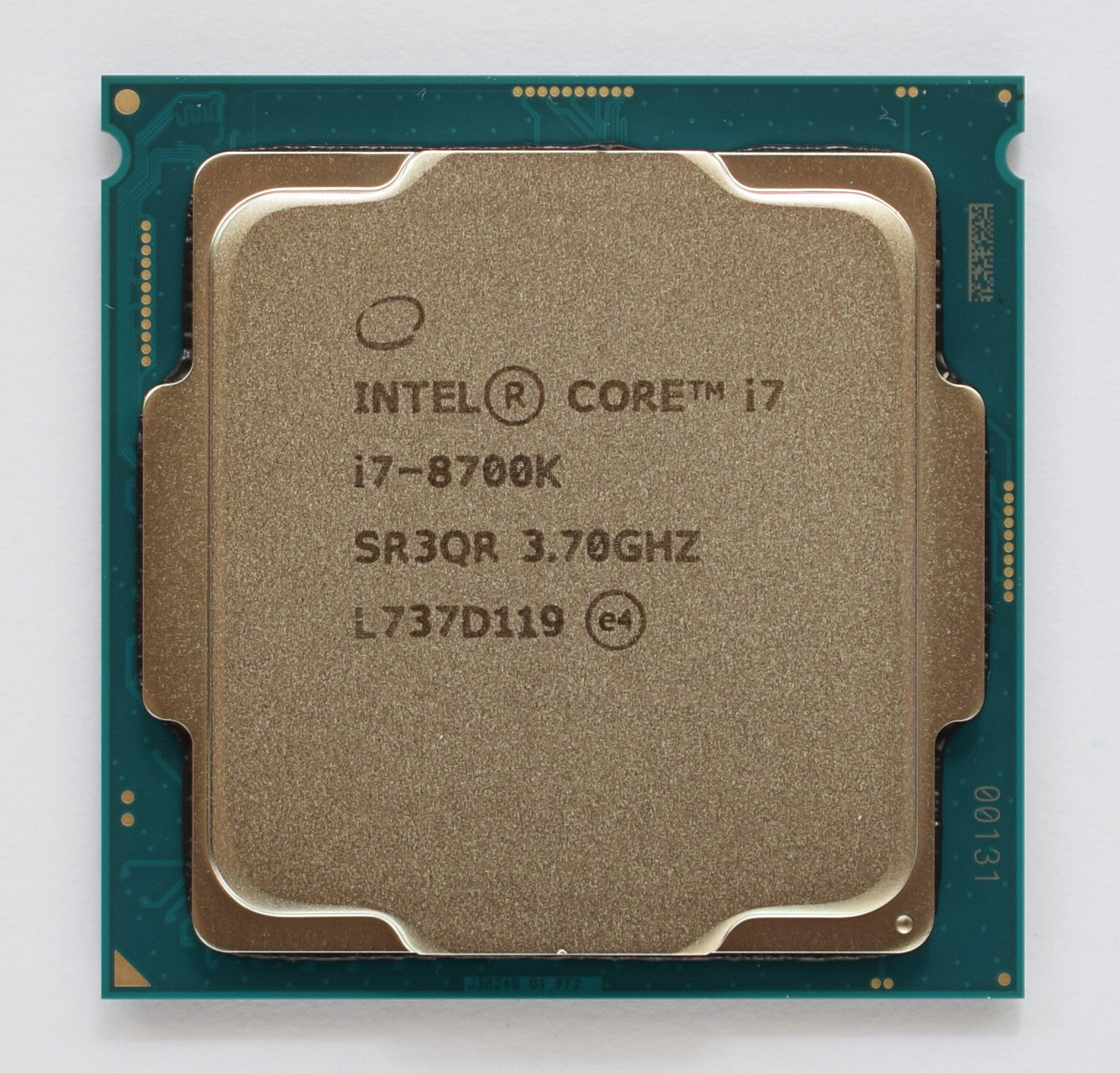
For UK customers nothing changes in 2026. Every Mac, iPad and iPhone shipping this year was already taped out on TSMC nodes well before the 8 May report. The earliest you might see Intel-made silicon inside an Apple product is 2027, and even then the first batches are expected to be entry M-series for MacBook Air or base iPad lines. That said, the second-order effects start immediately. Apple now has more leverage to push for tougher pricing and capacity guarantees, and Intel’s foundry pipeline gets a customer credible enough to attract others. The same logic applies to Apple’s roadmap on the iPhone side, which we recently mapped in our iPhone 18 Pro leaks coverage.
Watch for three things over the next quarter. First, whether the deal expands beyond the lower-end M-series — Intel keeps hinting it could win iPhone A-series work too. Second, whether Microsoft, Qualcomm or other large customers follow Apple onto Intel 18A-P, since one anchor customer usually drags others in. We already saw early signs of that effect in our coverage of the Microsoft Surface 2026 refresh, where Intel won back design slots it had been losing. Third, whether Apple and Intel disclose volume targets at WWDC or Intel Innovation later this year; until they do, the Apple Intel chip deal is reported as preliminary and could yet shrink in scope.
The bigger picture is straightforward. Apple has admitted that single-sourcing chips is no longer safe in an AI-driven supply chain. Intel has admitted that internal-only silicon was not a viable plan. The Apple Intel chip deal solves both problems at once. For Tim Cook it is supply-chain insurance; for Lip-Bu Tan it is the customer that turns Intel Foundry into a real business. The market priced it as a win for both sides, and on the evidence available on 8 May 2026, that looks correct.
MTW verdict
The Apple Intel chip deal is the most important supply-chain story of 2026 so far. Intel finally has a tier-one foundry customer, Apple finally has a credible second source, and TSMC’s monopoly on advanced Apple silicon is over in principle even if not yet in practice. Treat any Mac you buy in 2027 with curiosity about which fab made the chip.
MMTW Editorial
Buyer action
Where to buy or check next
Use this as the final check before ordering a phone, changing network or trusting a headline monthly price.











Reader discussion
Leave a comment
Comments are moderated. Keep it useful, accurate, and on topic.