Why Your iPhone Does Less in Britain Than in Paris – and the CMA’s Quiet Plan to Change It
A British iPhone does less than a French one because the UK chose the cautious half of Europe's reforms. Since March 2024 the EU's Digital Markets Act has let an…
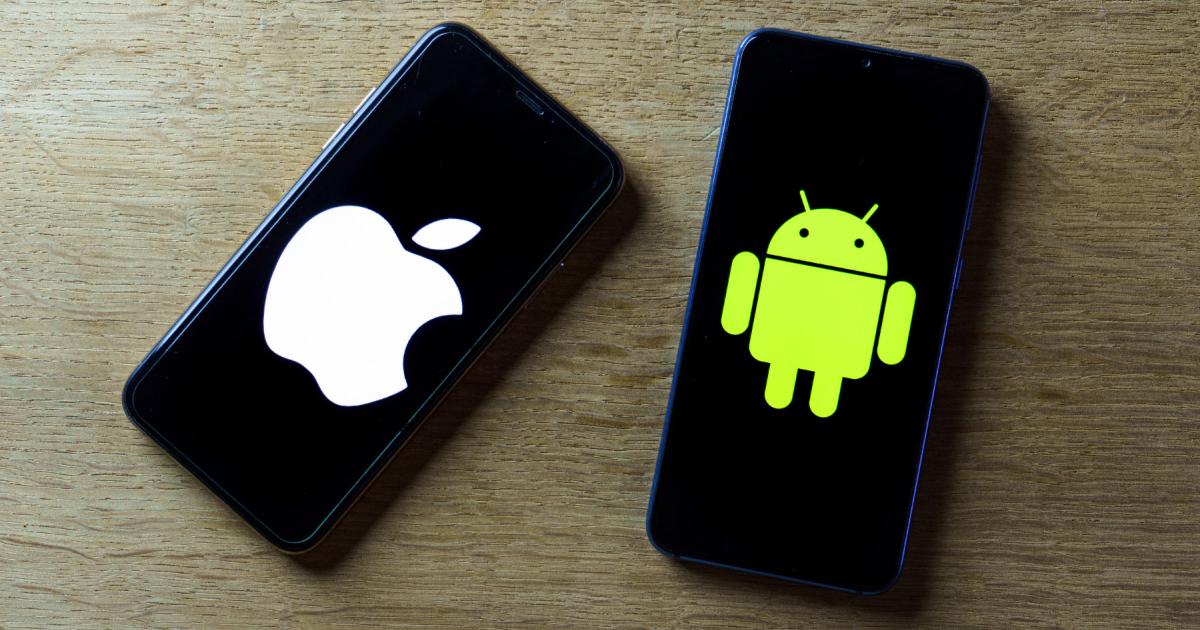
A British iPhone does less than a French one because the UK chose the cautious half of Europe’s reforms. Since March 2024 the EU’s Digital Markets Act has let an iPhone owner in Paris install rival app stores, sideload software and swap the browser engine. In July 2025 the Competition and Markets Authority designated Apple and Google as holding “Strategic Market Status” over UK mobile platforms — but it demanded only browser-engine access and payment steering, and left sideloading on the shelf. So the owner of a £1,200 iPhone in Manchester still runs the locked-down version of the identical hardware sold in Madrid.
The short version: The EU’s DMA (in force March 2024) forced Apple to allow alternative app stores, sideloading and a browser choice screen. The UK’s Digital Markets, Competition and Consumers Act (passed April 2024) gave the CMA matching powers but a self-described “lighter touch.” The July 2025 designation pushes browser-engine competition and developer payment steering, but explicitly does not mandate sideloading or third-party app stores. The single change most likely to improve your phone is ending Apple’s WebKit rule.
I want to be clear about where I stand before I walk you through it: the CMA has done the right thing by acting, and the wrong thing by flinching. Britain has chosen the cautious half of the reforms that the EU forced through, and the half it left on the table is the half that actually hands power back to you.
What Brussels prised open in March 2024
The template here is European. The EU’s Digital Markets Act entered force in November 2022 and bit hard from March 2024, when the firms it labels “gatekeepers” had to comply or face fines scaled to global turnover. For an iPhone owner in Dublin or Berlin, the change was tangible: Apple itself announced in January 2024 that iOS would, for the first time, allow alternative app marketplaces and sideloading — installing software from outside the App Store — alongside a browser choice screen designed to break Safari out of its default slot.
The browsers matter more than the app stores. The European Commission’s own interoperability factsheet, updated in May 2026, frames the choice screen and the end of forced defaults as the levers that make a smartphone genuinely yours rather than a leased shop window. The Commission’s 2024 annual report tracks all of this as live enforcement, not aspiration.
A walled garden is lovely until you realise you don’t hold the key to the gate — and that, until now, is the deal every British flagship has quietly run on.
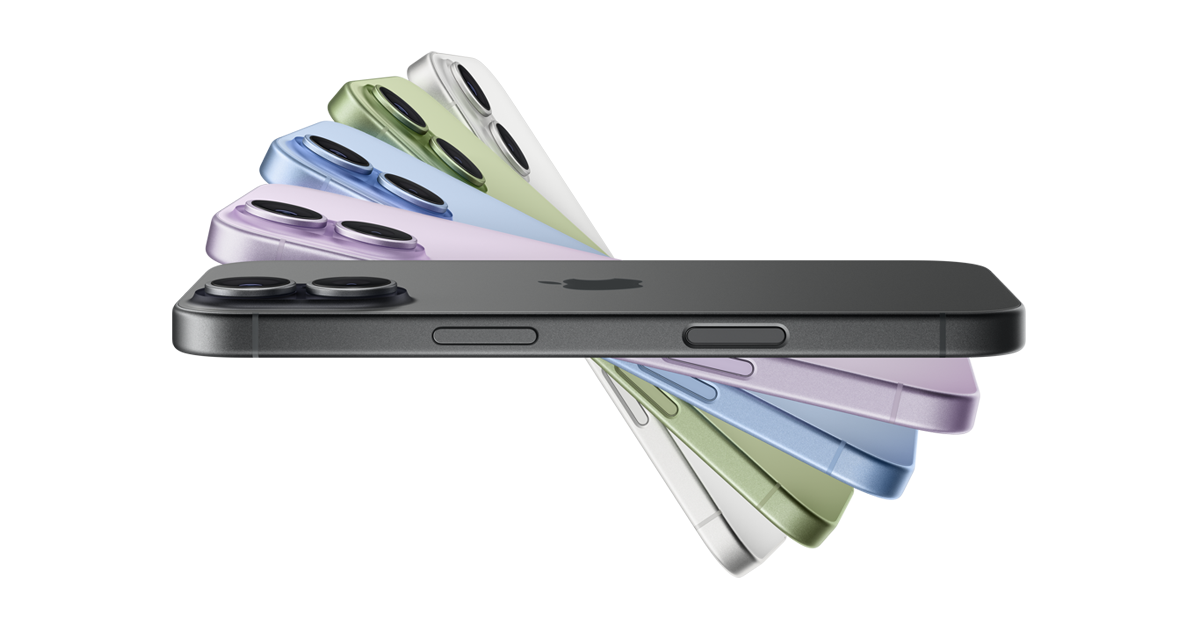
Image: Apple
Britain went its own way — and chose less
The UK had its own vehicle ready. The Digital Markets, Competition and Consumers Act passed in April 2024, handing the CMA powers that broadly mirror the DMA but, by Whitehall’s own framing, with a deliberately “lighter touch.” That phrase is doing an enormous amount of work. Lighter touch sounds reasonable, even British. In practice it means the regulator gets to pick and choose which of Europe’s openings it actually demands.
And it has chosen carefully. The July 2025 designation, set out in the CMA’s mobile platforms programme, leans on two things: opening up browser engines, and letting developers “steer” you towards cheaper payment options outside the app — the external links that let a Spotify or a Netflix point you to its own checkout and skip the platform commission. What it has explicitly not done is mandate sideloading or third-party app stores. That work is, in the CMA’s own language, paused — analysed, considered, and left on the shelf.
The browser engine is the real prize
If you only take one thing from this, make it this: the WebKit rule is the quiet scandal of the British smartphone. For years, every browser on your iPhone — Chrome, Firefox, Edge, all of them — has been a costume worn over Apple’s own WebKit engine. They could change the icon and the bookmarks bar; they could not change what actually rendered the web. That is why a “different” browser on iOS so rarely felt different.
The CMA’s plan to end WebKit restrictions is the single change most likely to improve the phone in your pocket, because it lets a rival compete on speed, battery use and features rather than skin-deep. This is the part of the programme I would defend without hesitation, and the part I would push the regulator to deliver on the firmest possible timetable. Developer steering is welcome too — every commission the platforms can’t levy is, eventually, money that need not come out of your subscription.
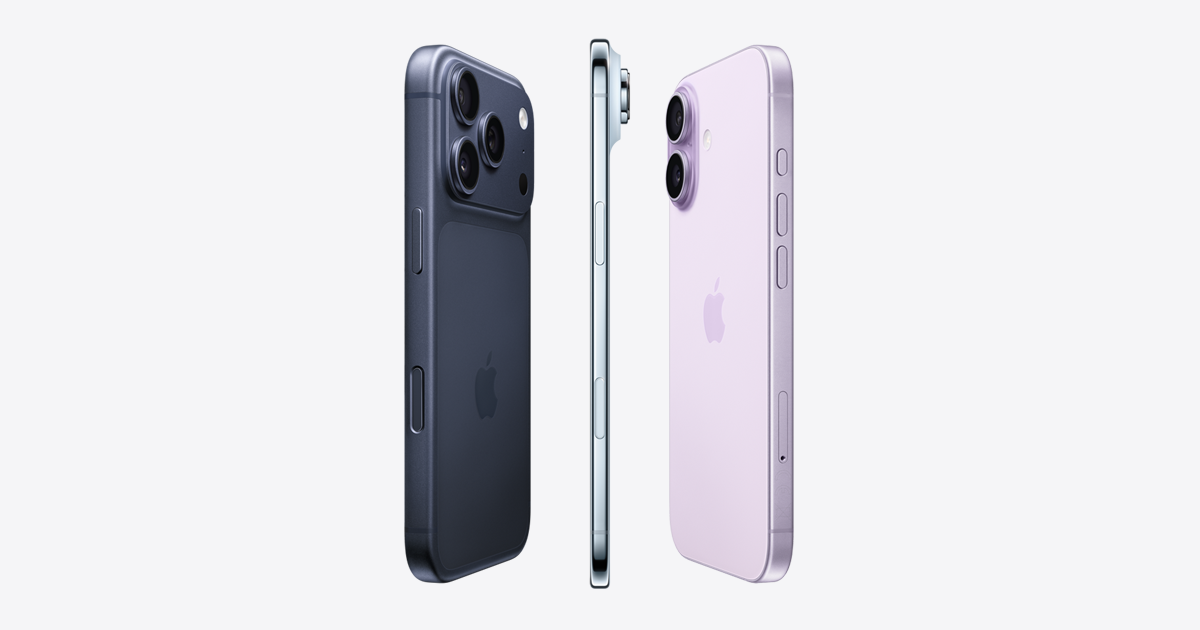
Image: Apple
Where the lighter touch leaves you short
Sideloading is where I part company with the CMA. The official worry is security, and it is not a stupid worry — opening the gates does invite malware and scams, and Britain is right to take that seriously. But “seriously” should mean designing the safeguards, not declining the freedom. An iPhone owner in Madrid can install a marketplace Apple disapproves of and accept the consequences; an iPhone owner in Manchester, holding the identical hardware, cannot. The difference isn’t the phone. It’s the postcode and a regulator that blinked.
There is a real risk in this divergence beyond principle. If the UK settles for the comfortable half of the reforms, the manufacturers get to treat us as the easy market — the one where the old defaults survive, where the commissions hold a little longer, where “for legal reasons in the European Union” is a phrase that never quite makes it across the Channel. Voluntary commitments, which is what the CMA is leaning on for now, are exactly as durable as a gatekeeper’s appetite to keep them.
What I’d actually do, and what would change my mind
If you are buying a flagship this year — and at the premium end, an iPhone Pro or a Pixel Pro is still the phone I’d put on the table — buy it for the hardware and the cameras, not for any freedom you imagine the regulation has already delivered. As of now it largely hasn’t; the browser-engine opening is the change to actually watch land, and I’d judge the CMA on whether it ships on a hard deadline rather than a polite request.
What would move me off the fence on sideloading? A credible, audited safeguards regime — proper sandboxing, clear consent, real liability when a rogue store does harm — published before, not after, the decision to keep us locked down. Give me that and I’ll happily concede the caution was earned. Until then, the honest summary is the uncomfortable one: Brussels handed its citizens the keys to the gate in March 2024, and Britain, two years on, is still deciding whether we can be trusted with them. We can. The CMA should stop hedging and say so.
MMTW Editorial
Buyer action
Where to buy or check next
Use this as the final check before ordering a phone, changing network or trusting a headline monthly price.
We use cookies to make this site work, measure how it is used, and (with your consent) personalise advertising. Strictly necessary cookies always run. Analytics and advertising cookies run only if you accept. See our Cookie Policy and Privacy Policy.
MobileTechWorld Ltd — Companies House registration 16224011. Independent UK technology publisher since 2009.














Reader discussion
Leave a comment
Comments are moderated. Keep it useful, accurate, and on topic.