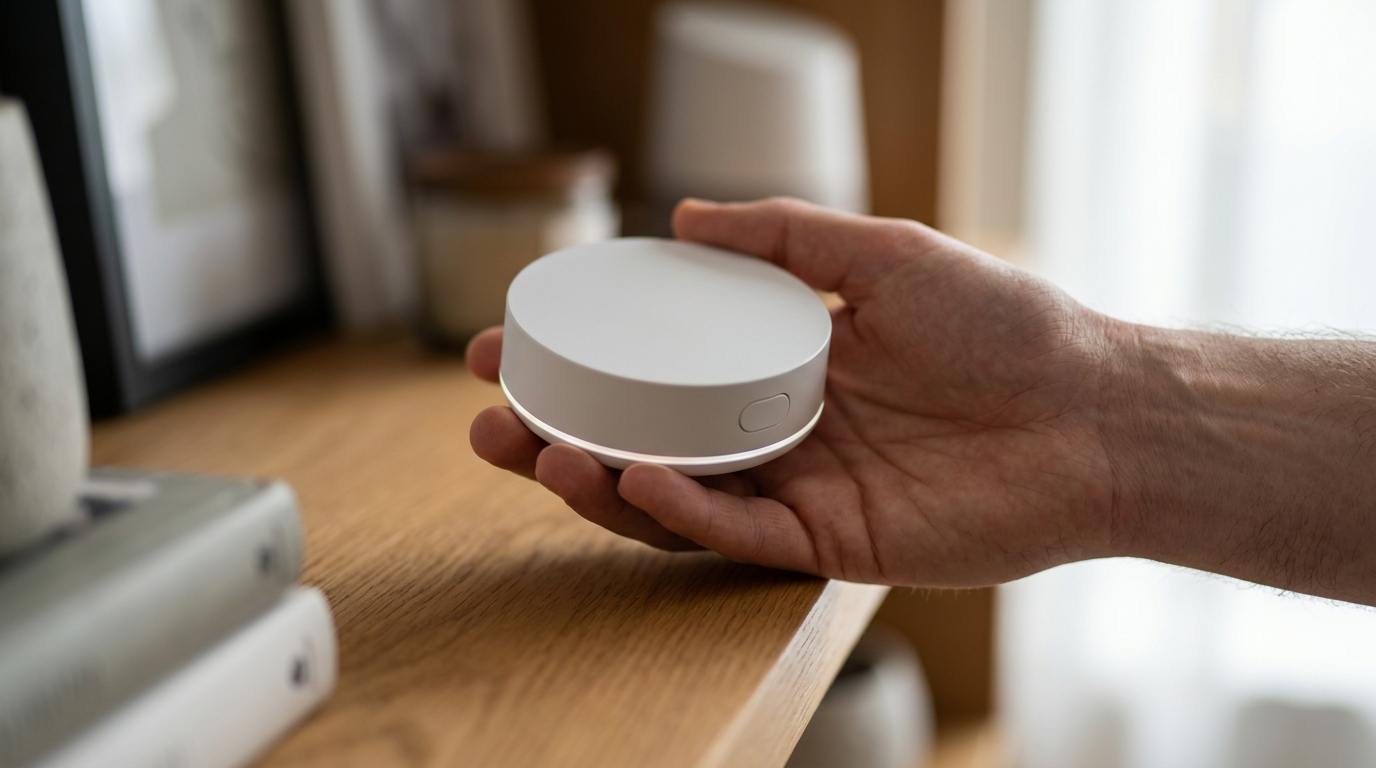
When Matter One Year had passed since its announcement, the promise was compelling: a universal smart home standard backed by Apple, Google, Amazon, and Samsung that would end the fragmentation plaguing the industry. Buy any Matter-certified device, and it would work with any Matter-compatible platform. No more checking compatibility charts. No more being locked into a single ecosystem. It sounded like the future. Now that Matter has been in the real world for over a year, it is worth asking an honest question: has it actually delivered?
Universal Smart Home: Contents
- What Matter Got Right
- Where Matter Has Fallen Short
- The Manufacturer Problem
- Should You Buy Matter-Only Devices?
- The Verdict: Progress, Not Revolution
What Matter Got Right
Credit where it is due: Matter has made certain basic tasks noticeably simpler. If you buy a Matter-certified smart plug, light bulb, or door sensor, the initial setup process is genuinely easier than it was in the pre-Matter era. Scanning a QR code or tapping an NFC tag and having the device appear in your preferred app (Apple Home, Google Home, Amazon Alexa, or Samsung SmartThings) is a marked improvement over the old days of downloading a manufacturer’s app, creating an account, updating firmware, and then adding the device to your platform.
For single-platform households, this works well. If you exclusively use Apple Home, for instance, a Matter-certified Eve smart plug pairs quickly, shows up reliably, and responds without noticeable latency. The same is true if you are all-in on Google Home or Alexa. The basic device categories that Matter supports, including lighting, plugs, sensors, locks, and thermostats, cover the core of what most people want from a smart home.
Where Matter Has Fallen Short
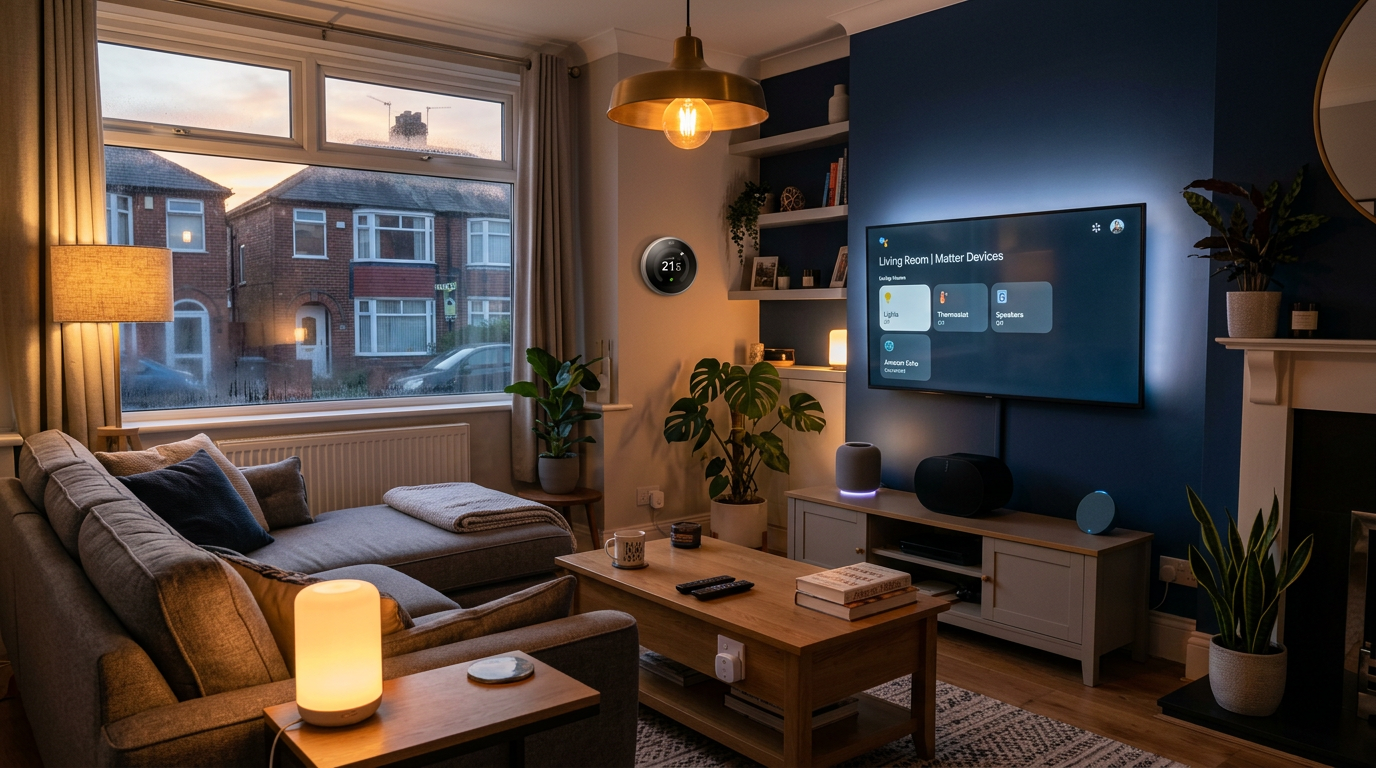
The problems start when you try to use Matter the way it was marketed: across multiple platforms simultaneously. The multi-admin feature, which lets a single Matter device be controlled by multiple platforms at once, remains frustratingly inconsistent. In theory, you should be able to add your Matter smart plug to both Apple Home and Google Home, and control it from either. In practice, this process frequently fails, times out, or results in one platform losing control of the device after a firmware update.
Device category limitations are finally closing but still matter. Matter 1.4 added robot vacuum support and Matter 1.5, ratified late in 2025, brought security cameras into the spec. That means a current Roborock or an Aqara Camera Hub G350 can work natively with Matter-compatible hubs. However, doorbell and video camera rollouts from big-name brands like Ring and Nest are still piecemeal, and legacy products frequently need a hub firmware update (or will never get one) to take advantage of the new classes.
Thread reliability has also been inconsistent in mixed environments. If your Thread border routers are from different manufacturers (say, an Apple TV and a Nest Hub), the mesh network can behave unpredictably. Devices may become unresponsive, respond slowly, or drop off the network entirely. This typically resolves with a power cycle, but it is not the “just works” experience that was promised. For a broader look at what works and what frustrates in the smart home space, see our smart home 2026 overview.
The Manufacturer Problem
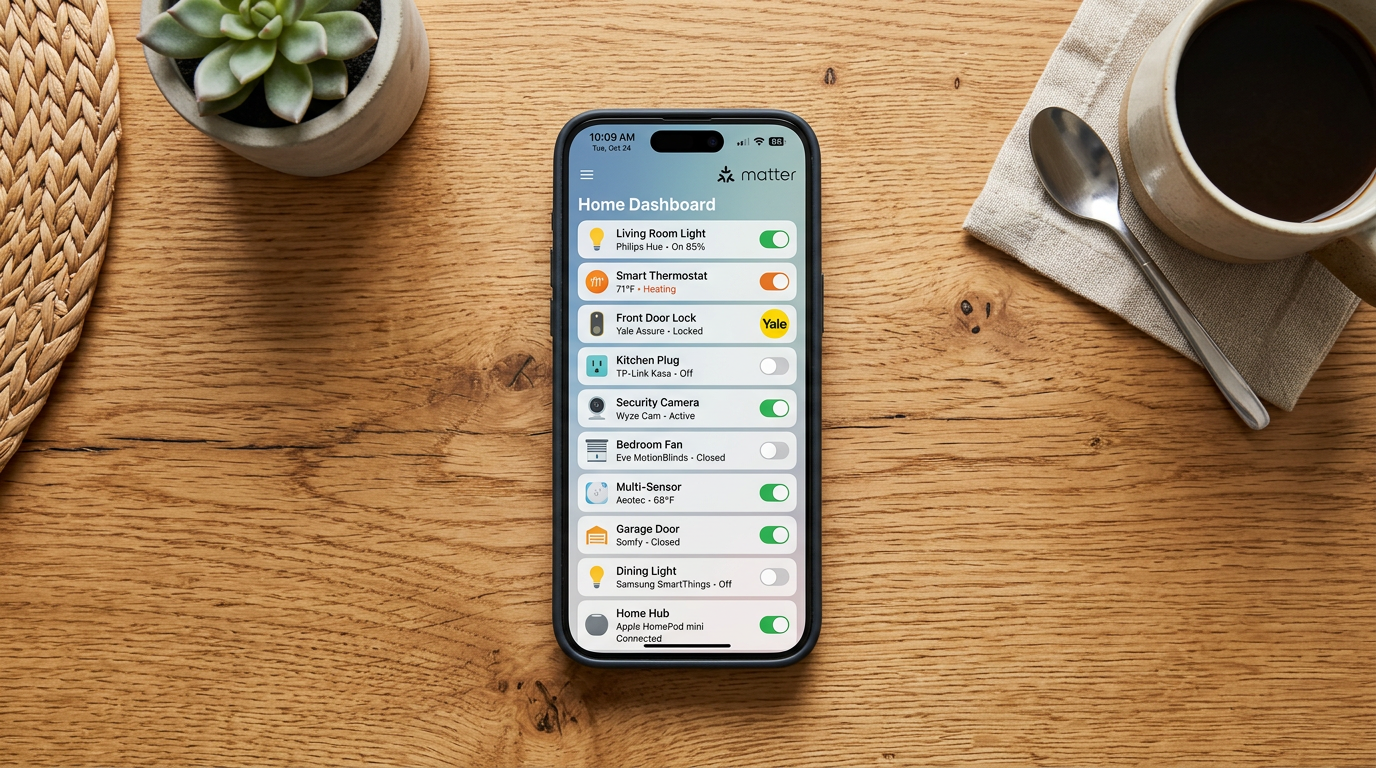
Underneath the standard sits an old problem: manufacturers still have an incentive to push their own apps and ecosystems. A Matter implementation is often bolted on top of a bespoke cloud platform, and manufacturers reserve their advanced features (energy dashboards, historical sensor data, richer automations) for their own apps. So a Matter device might turn on when asked, but you lose access to half of what you paid for unless you keep using the vendor’s app anyway.
The result is that buying a “Matter-certified” device does not guarantee a smooth experience. The certification process ensures baseline interoperability, but it does not test for the edge cases and real-world scenarios that cause most problems. This is improving as the Connectivity Standards Alliance tightens its certification requirements, but it will take time.
Should You Buy Matter-Only Devices?
This is the practical question most buyers are asking, and the answer is nuanced. If you are starting a smart home from scratch and want to future-proof your investment, buying Matter-certified devices is sensible. The standard will improve, and devices you buy today will benefit from those improvements via firmware updates. For basic categories like lights, plugs, and sensors, Matter devices work well enough today to recommend.
However, we would not recommend buying a device solely because it supports Matter if there is a better non-Matter alternative for your specific platform. If you use Apple Home exclusively, a HomeKit-native device may still offer a better experience than a Matter device with HomeKit support bolted on. The same applies to Alexa and Google Home. Our guide on how to use Matter to connect smart home devices walks through the practical setup process.
The Verdict: Progress, Not Revolution
Matter is better than what came before it, but it has not yet delivered the revolution it promised. The standard is real, it works for basic use cases, and it is improving. But the dream of a truly platform-agnostic smart home, where every device works seamlessly with every platform, is still a few years away at best. If you are building or expanding a smart home today, Matter is worth considering as part of your strategy, but it should not be the only factor in your buying decisions.

The smart home still requires patience, and that has not changed. For those exploring where to start, our guides to the best smart plugs and best smart locks offer practical starting points that work today, regardless of which standard ultimately wins.
MMTW Editorial
Buyer action
Where to buy or check next
Use this as the final check before ordering a phone, changing network or trusting a headline monthly price.








Reader discussion
Leave a comment
Comments are moderated. Keep it useful, accurate, and on topic.