For half a decade, the UK mobile playbook has been boring. EE, O2 and Vodafone quietly migrated customers to SIM-only, left flagship handsets to John Lewis and Currys, and told shareholders that device subsidies were a dying business. That consensus is about to crack. 2026 will be the year the UK mobile subsidy wars come back, and the trigger is not what most analysts expect.
The surface explanation is that AI features are only useful on new hardware. The deeper explanation is that Apple and Samsung have run out of upgrade ammunition for their own stores. Trade-in values are compressed. Instalment plans are saturated. The one remaining lever is the carrier subsidy, and the US experience over the past eighteen months shows it still works.
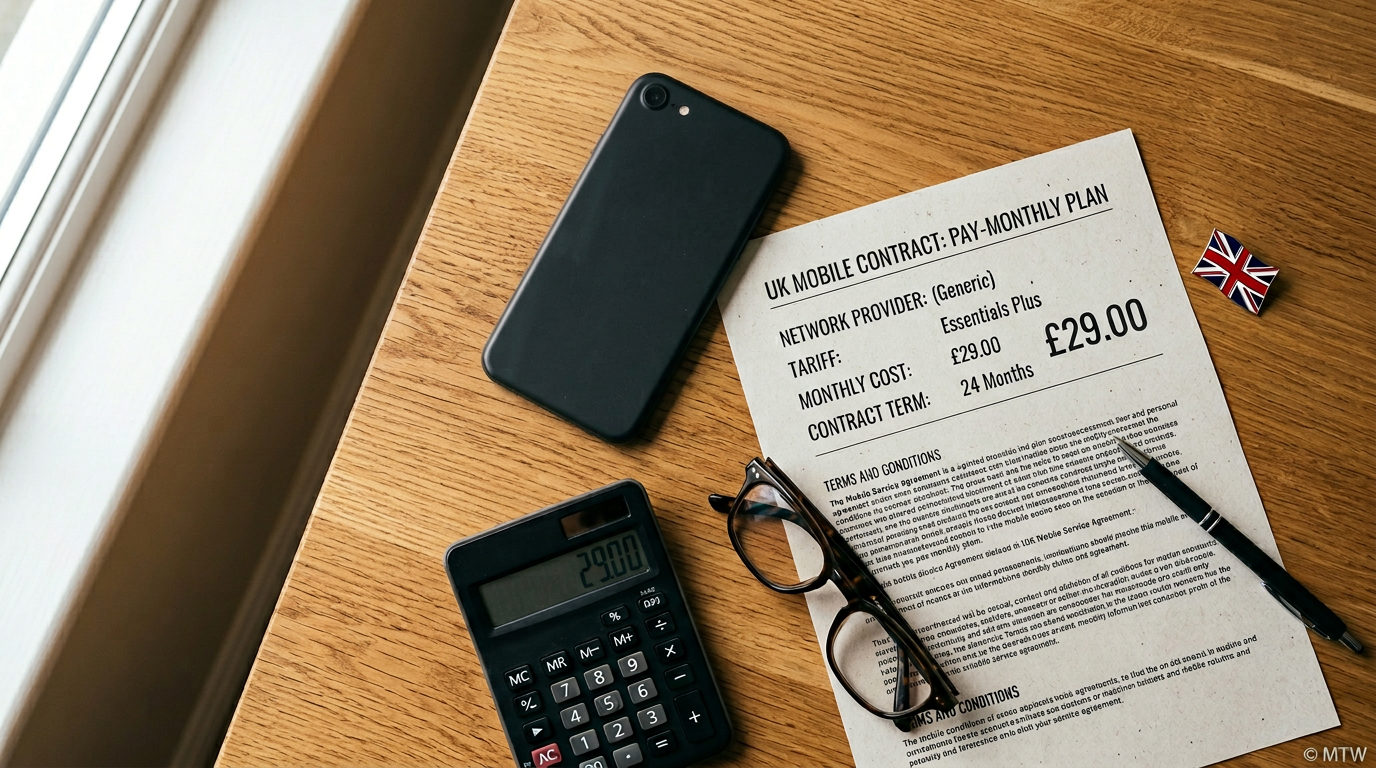
What sparked it: Three uncomfortable data points
Point one: industry analyst commentary consistently flags UK flagship handset refresh rates lengthening past the three-year mark, with the longest cycle on record. Point two: T-Mobile US has continued to gain ground over the past year on the back of aggressive iPhone subsidies. Point three: EE’s churn moving in the wrong direction in recent operator updates. None of these alone forces a strategy shift. Together, they do.
Who moves first
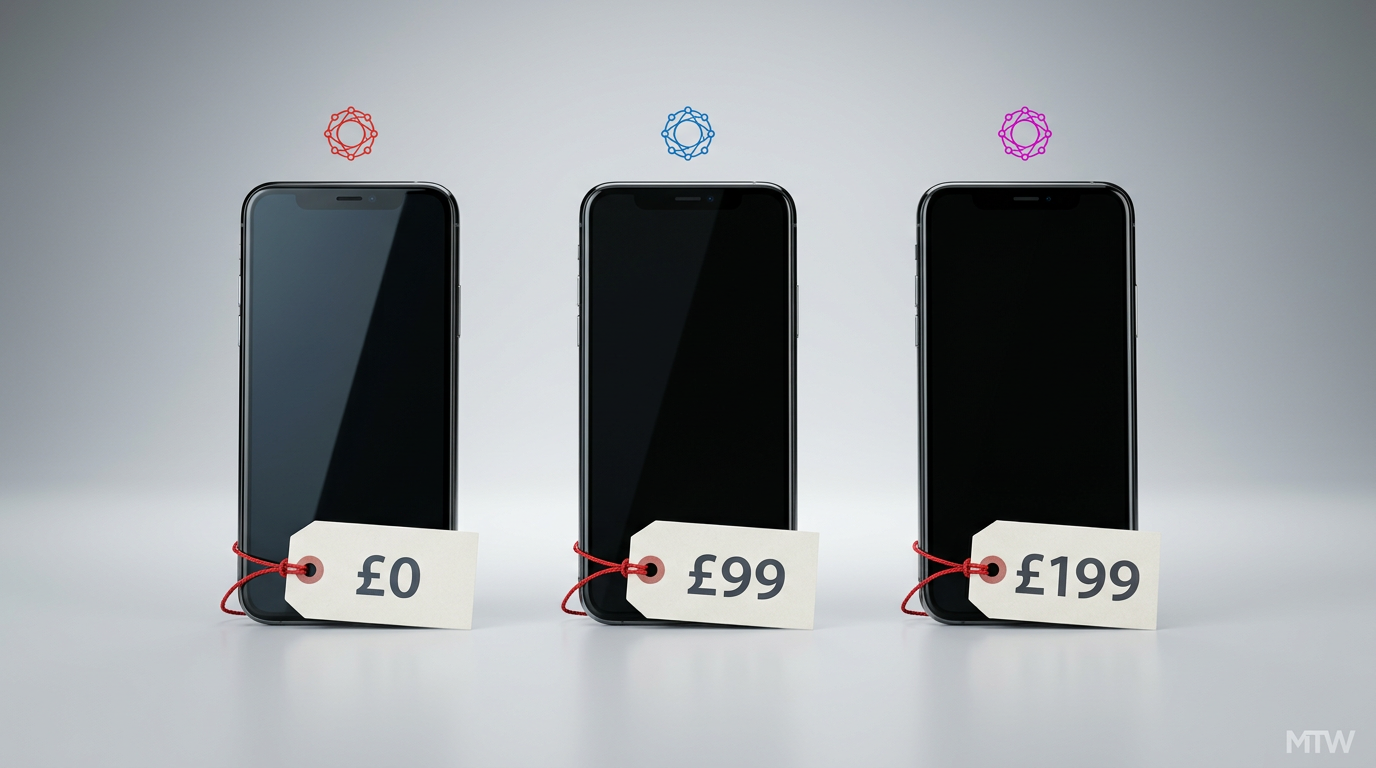
EE will. It has the biggest existing postpay base, the best credit book, and the only UK network that can quietly eat a subsidy without hurting its business customer margin. Expect £200 to £300 off a Galaxy S26 Ultra or iPhone 17 Pro for 24-month contract customers before June. O2 will follow within a month. Vodafone will be third and grumpy about it. Three UK will undercut everybody on cheaper SKUs, as usual.
Why this matters to you
Anyone upgrading in the second half of 2026 should wait. The June and October discount windows will be the most aggressive UK handset promotions since 2019. SIM-only customers with a phone older than three years will be the most heavily targeted with upgrade offers — that is the demographic carriers have stopped monetising and want back. Expect personalised offers by text, not generic ones on the website.
What the carriers are betting on
The carrier bet is that subsidised handsets will generate enough ARPU uplift through add-on 5G data, AI service bundles and device insurance to justify the upfront cost. Vodafone has hinted at internal modelling ford a a double-digit ARPU lift from bundled-device customers. If it is right, this is a rational strategic shift. If it is wrong, we are watching the start of another margin-destroying five-year cycle.

| Network | Likely first move | Target device | Timing |
|---|---|---|---|
| EE | £200-£300 off with 24m contract | S26 Ultra, iPhone 17 Pro | Before June |
| O2 | Bundle with AI add-ons | Galaxy S26, Pixel 10 Pro | June-July |
| Vodafone | Device + 5G data bundle | iPhone 17, S26 | Q3 2026 |
| Three UK | Aggressive mid-range SKUs | Nothing Phone 3a, A57 | Rolling |
Verdict
The age of the UK SIM-only default is ending. For buyers, this is a win — waited upgrades will be cheaper and more generous than they have been in years. For carriers, this is a return to a playbook that burned them last time. For Apple and Samsung, it is free marketing and bigger ASPs. Start watching network upgrade pages in May. The good deals will not last.
- UK mobile subsidy wars argument: EE, O2, Vodafone and Three are positioned to return to handset subsidy after half a decade of SIM-only emphasis.
- Trigger conditions: lengthening UK handset refresh cycles, mature instalment-plan saturation and renewed US carrier success with iPhone subsidies.
- Likely first move: EE, with discount-led 24-month contracts on the Galaxy S26 Ultra and iPhone 17 Pro.
- Buyer takeaway: discount windows in mid and late 2026 will be the most aggressive since 2019.
What UK mobile subsidy wars mean for the SIM-only customer
If you are on a £15-£25 SIM-only deal with a phone older than three years, you are precisely the customer carriers will spend the second half of 2026 trying to win back. Expect personalised upgrade offers by SMS, generally pitched as “switch to a 24-month device contract and pay £X less than you would in the Apple Store”. The right play is to wait until at least May, compare against the iPhone Upgrade Programme and the Samsung Trade-In Plus offer, and check whether a longer 36-month contract actually beats a SIM-only plus credit-card-financed handset.
Why the UK mobile subsidy wars argument cuts against carriers
Subsidy economics historically destroy operator margins in three to five years. The premise of this round is that AI-bundled service uplift (5G data add-ons, AI features, device insurance) closes the gap. That assumption is unproven at UK scale. If carriers misjudge it, we are watching the start of another loss-making cycle. If they are right, UK buyers get the best handset pricing they have seen in five years. Either way, the SIM-only consensus is breaking.
For more, see our companion piece on the best budget phones under £300 UK 2026, the 9000mAh battery phone trend shifting the value proposition below flagship, and our take on the Xiaomi 16 Pro Max as a UK alternative.
MTW verdict
The UK mobile subsidy wars story is the most interesting consumer-mobile trend of 2026 that is not about phones themselves. If you are eligible to upgrade between June and October, wait. The offers that carriers will run in the second half of the year will be more aggressive than anything seen since 2019, and the patient buyer is the one rewarded.
MMTW Editorial
Buyer action
Where to buy or check next
Use this as the final check before ordering a phone, changing network or trusting a headline monthly price.














Reader discussion
Leave a comment
Comments are moderated. Keep it useful, accurate, and on topic.