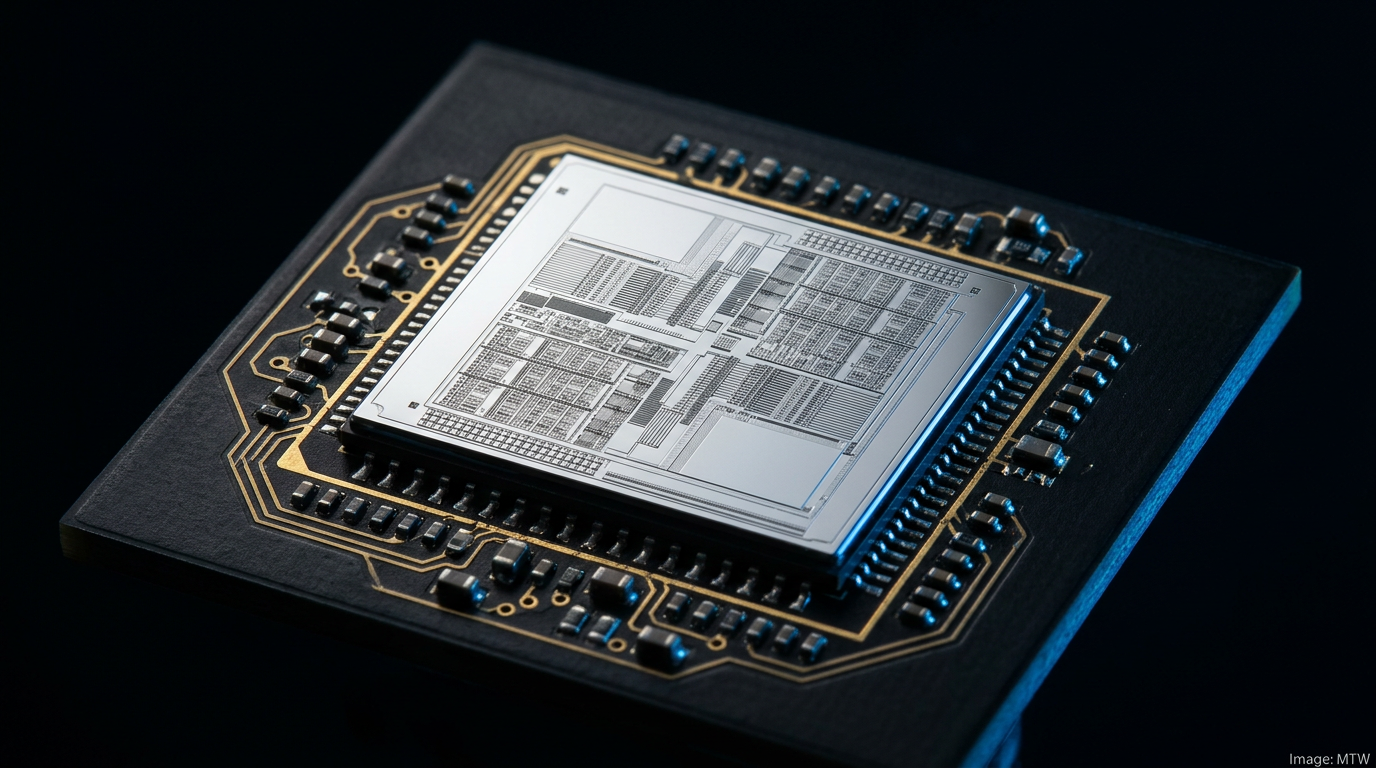
Qualcomm’s Snapdragon 8 Elite Gen 2 pitch from last September’s Snapdragon Summit buried the lead. Everyone reported the 100 TOPS NPU and the 4.61 GHz Oryon Gen 3 Prime cores. The real story is that Qualcomm has finally assembled a coherent argument for why on-device AI is a better pitch than Gemini-in-the-cloud, and it should worry Google more than Samsung’s Gemini-on-800-million-devices deal.
The Snapdragon 8 Elite Gen 2 now runs larger language models in the 7B class locally with acceptable latency. That used to require a top-tier data centre GPU as recently as 2023. In 2026, it runs on a phone you will carry in a coat pocket through a rainy Thursday in Manchester.
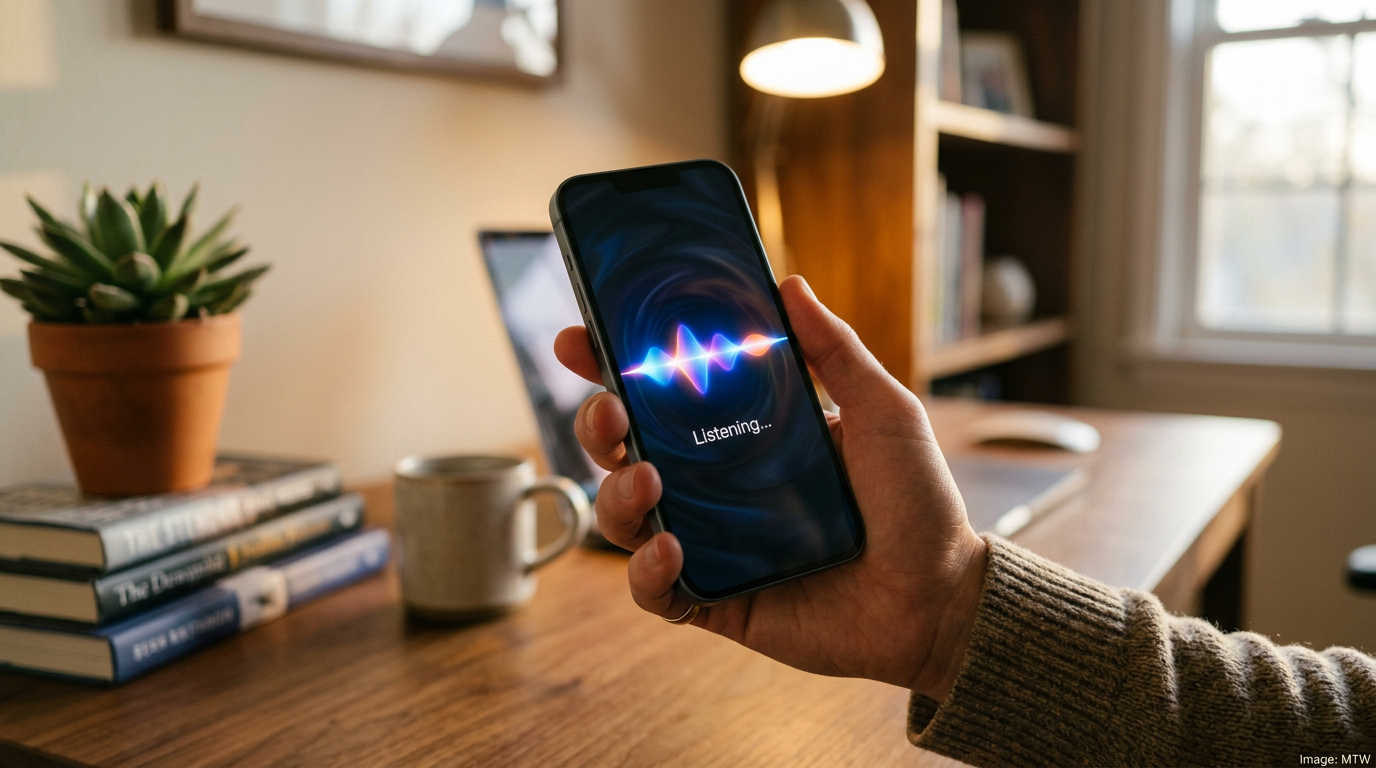
Why local beats cloud for most of what users actually do
The use cases that matter to real UK users — summarising a WhatsApp chat thread, redrafting an email, transcribing a Teams meeting, extracting dates from a screenshot — are latency-sensitive, privacy-sensitive, and do not benefit from a 200B parameter frontier model. A 7B to 13B model running on-device with personalised context outperforms a generic cloud call for these tasks. Qualcomm has quietly been pitching this for three years. The hardware is finally there.
What the Elite Gen 2 actually enables
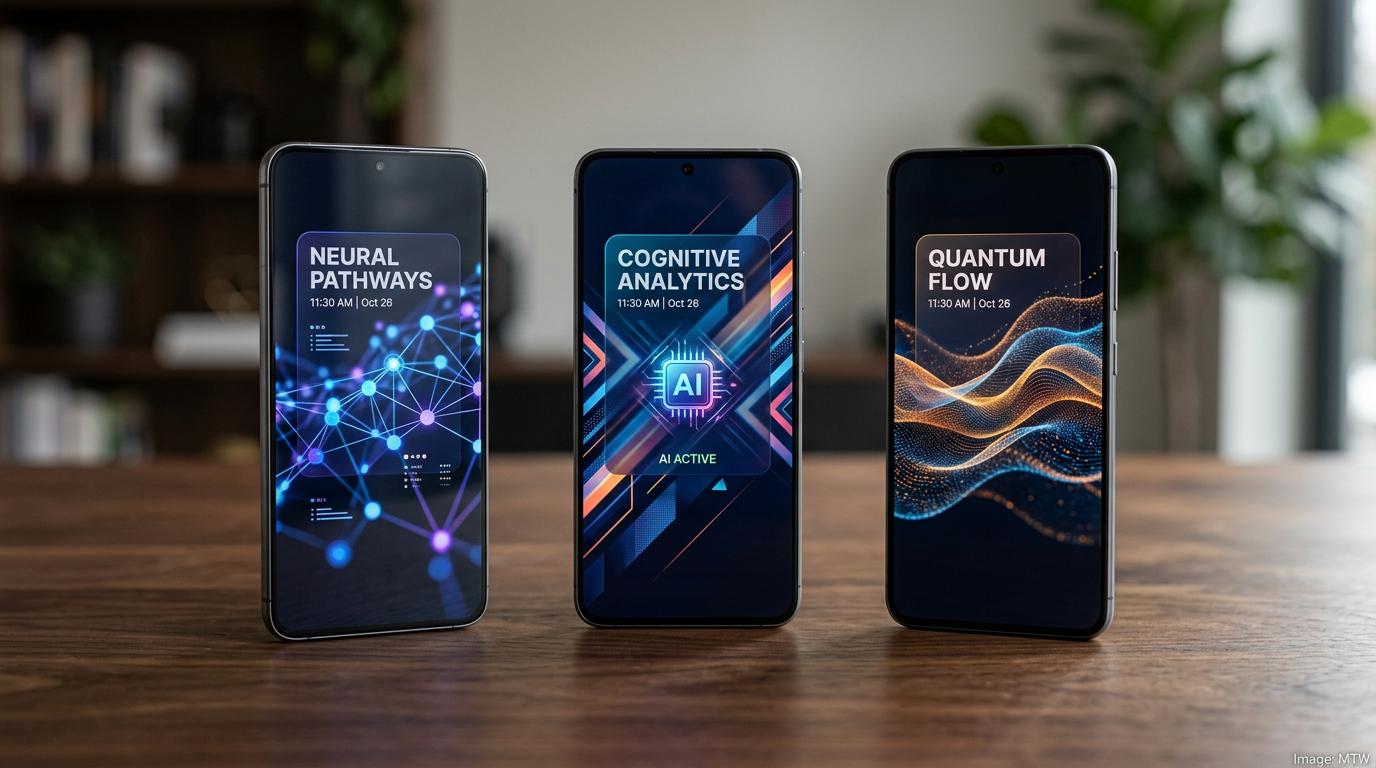
Three concrete things. One: real-time, always-on personal context indexing — your messages, photos, calendar, and notes are continuously available to an on-device model without ever leaving the phone. Two: sub-second language-model responses for common flows, which is the threshold where AI actually feels like a feature rather than a novelty. Three: credible offline AI at a fraction of the power cost that made on-device inference a battery killer last generation.

How this undercuts Gemini-on-the-cloud
Samsung’s 800 million Gemini deployment pushes traffic to Google’s data centres for every interaction. That is great for Google’s search moat and terrible for European privacy posture. Qualcomm’s pitch to Samsung, Oppo, Xiaomi and OnePlus is that they can offer the same feature set entirely on-device, keep the data local, and make Google optional. Whether OEMs take the deal is the genuine strategic question of 2026 Android.
Where Qualcomm still has problems
The SDK fragmentation is real. Qualcomm, MediaTek, and Google’s own AI stack do not share a common runtime, which means an OEM who wants to target both Snapdragon and Dimensity has to double their effort. Until there is a shared ONNX-style layer for on-device mobile AI, cloud-hosted Gemini will remain the path of least resistance for tired OEM engineering teams. Qualcomm knows this and has not yet solved it.
| Approach | Latency | Privacy | Battery cost |
|---|---|---|---|
| On-device Snapdragon 8 Elite Gen 2 | Sub-second | Excellent | Moderate |
| Cloud Gemini via Samsung | 1-3 seconds | Google-dependent | Minimal local |
| Hybrid (current Pixel) | 0.5-2 seconds | Mixed | Moderate |
Verdict
Qualcomm has the better pitch for 2026 and 2027. Cloud AI wins on raw capability, on-device wins on everything most UK users actually care about day to day. The company that solves the developer experience problem — Qualcomm, Google, or a surprising third party — will shape the next decade of mobile AI. Watch the Samsung Galaxy S27 launch for the answer.
- Snapdragon 8 Elite Gen 2 on-device AI runs on Qualcomm’s 3nm SoC, announced 25 September 2025 at the Snapdragon Summit.
- 2x Oryon Gen 3 Prime cores at 4.61 GHz, 6x Performance cores at 3.63 GHz, 100 TOPS Hexagon NPU.
- About 25% CPU uplift over the first-gen Snapdragon 8 Elite, with the bigger story being on-device AI throughput.
- Devices began shipping in late 2025 (China-first), Western flagships across early-to-mid 2026.
What the Snapdragon 8 Elite Gen 2 on-device AI argument changes
Through the first six months of shipping silicon, the Snapdragon 8 Elite Gen 2 on-device AI claim has held up better than the marketing might have predicted. Real-world benchmarks from OEM partners show personal-context indexing, message summarisation, and screenshot data extraction running with sub-second latency on flagship hardware. That is the threshold where on-device AI stops feeling like a curiosity and starts replacing the cloud round-trip for daily flows. None of this requires a 200B-parameter frontier model. Most of what UK users actually do on their phones never did.
Why the Snapdragon 8 Elite Gen 2 on-device AI pitch matters for UK Android
UK and EU privacy posture is the real strategic wedge. A phone that handles personal data locally is a phone that does not have to defend its cloud-handling decisions to the ICO or to European regulators. For Samsung, Xiaomi and Honor selling into the UK, the Snapdragon 8 Elite Gen 2 on-device AI route is the simplest path to a defensible privacy story. Whether they take it depends on whether they want to reduce Google’s leverage over the Android stack. Most will keep a hybrid for now.
For more, see our coverage of Google’s Gemma 4 open-weights release, our deeper take on Gemini on every Android, and the Xiaomi 16 Pro Max as the first Western-relevant 8 Elite Gen 2 ship vehicle.
MTW verdict
The Snapdragon 8 Elite Gen 2 on-device AI pitch is the most credible counterweight to a Gemini-everywhere Android. Qualcomm has the silicon, the throughput, and the privacy argument. What it has yet to ship is a developer story that does not fragment across MediaTek and Google’s own AI stack. The OEM that solves that first owns the next two years of Android AI.
Buyer action
Where to buy or check next
Use this as the final check before ordering a phone, changing network or trusting a headline monthly price.













Reader discussion
Leave a comment
Comments are moderated. Keep it useful, accurate, and on topic.