
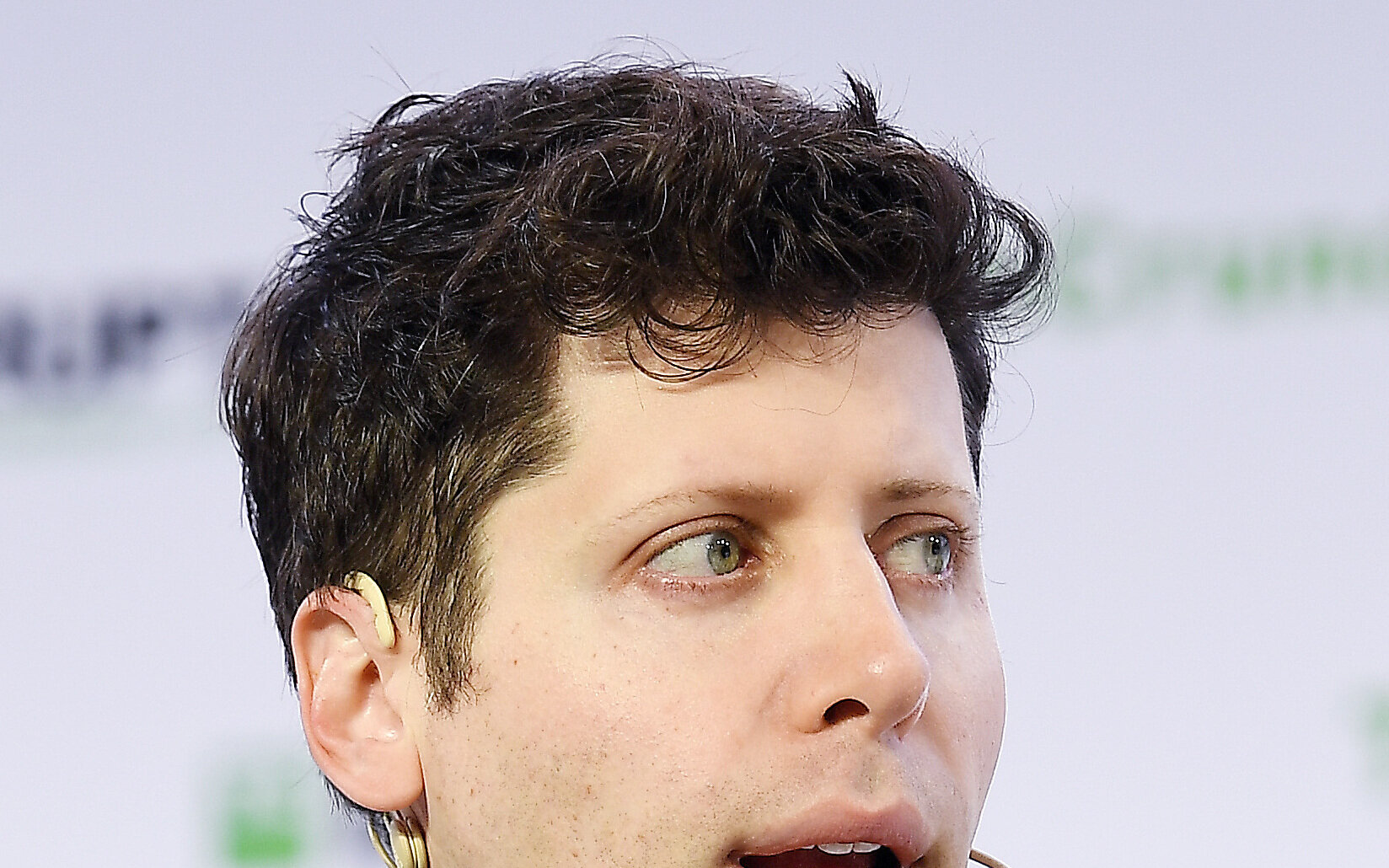
OpenAI is hiring aggressively, set to nearly double its headcount from around 4,500 to 8,000 employees by the end of 2026. In the same month, it killed Sora (reportedly burning around £1 (about $1) million per day in compute), blindsided Disney (who had pledged a £1 (about $1) billion equity investment), and admitted ChatGPT needs to become a productivity tool to justify its existence. Sam Altman has reportedly stepped back from overseeing safety teams to focus on fundraising and building data centres. If this sounds like a company that knows exactly what it’s doing, you haven’t been paying attention.
What Happened
- The Hiring Spree That Doesn’t Add Up
- The Safety Problem Nobody Wants to Talk About
- The IPO Clock Is Ticking
- What GPT-5.4 Tells Us
- Should You Be Worried?
OpenAI Is Hiring Thousands, But the Numbers Don’t Add Up
OpenAI is hiring at a staggering pace, currently employing roughly 4,500 people with a target of 8,000 by December. That’s around 3,500 new hires in nine months, about 12 new employees every single working day, as CNBC reports from the Financial Times. The company is hiring across product, engineering, research, sales, and a new role it calls technical ambassadorship, which sounds suspiciously like enterprise sales with a fancier title.
Meanwhile, the company just laid off an unspecified number of employees from the Sora team when it shut down the product. It’s simultaneously reducing and expanding, a pattern that suggests internal strategy is being rewritten in real time rather than following any coherent plan, as TechCrunch notes.
The Safety Problem Nobody Wants to Talk About
This follows a pattern. OpenAI’s original safety board was dissolved and reconstituted. Several senior safety researchers have departed over the past two years, including co-founder Ilya Sutskever. The company’s stated mission is to build artificial general intelligence that benefits all of humanity, but the operational priorities increasingly look like “raise money, ship products, deal with safety later”.

The IPO Clock Is Ticking
The 8,000-person headcount target suddenly makes sense: it’s an IPO signal. Large enterprise sales teams require large employee counts. Investors see headcount growth as a proxy for business momentum. OpenAI needs to look like Salesforce, not a research lab, particularly now that the company has closed a £96 (about $122) billion round at an £675 (about $852) billion valuation and is openly targeting a Q4 2026 IPO.
What GPT-5.4 Tells Us
The good news is that GPT-5.4, released on 5 March, is genuinely impressive. The million-token context window via the API is a real differentiator for enterprise users. The reported ~18 per cent reduction in error rates over GPT-5.2 matters. Morgan Stanley analysts noted GPT-5.4 Thinking scored competitively on the GDPVal benchmark of economically valuable tasks, as OpenAI’s own launch post confirms.
But the best model in the world doesn’t matter if the company building it can’t decide what it is. Is OpenAI a research organisation pushing the boundaries of AI? An enterprise software company selling productivity tools? A consumer tech company (RIP Sora)? A hardware company building data centres? Right now, it’s trying to be all four simultaneously, and the contradictions are showing.
Should You Be Worried?
If you’re a ChatGPT user: probably not immediately. GPT-5.4 is excellent, and the product is more reliable than it’s ever been. But the Sora shutdown, which also killed the £1 (about $1) billion Disney equity deal before it was finalised, should serve as a warning: OpenAI will kill products that don’t serve its IPO narrative, regardless of how many users or partners depend on them, as Variety reports. For more, see our AI coverage.
If you’re building your business on OpenAI’s API: be cautious. OpenAI is hiring thousands, but that does not guarantee strategic clarity. A company this volatile in its strategic direction may deprecate, reprice, or fundamentally change the tools you depend on. Have a migration plan. Claude and Gemini both offer competitive alternatives, and neither company is in the middle of an identity crisis. For more, see our news coverage.
The uncomfortable truth is that the most important AI company in the world is being run like a startup that just discovered it needs to become a corporation, and it’s trying to do the transformation in public, at speed, while building technology that could reshape civilisation. What could possibly go wrong?
Why OpenAI hiring 4000 people while killing products is the new normal
OpenAI hiring 4000 people while simultaneously deprecating half a dozen product features looks contradictory on the press release and makes perfect sense on the org chart. The company is running a classic growth-stage prioritisation sweep, killing low-margin side projects, concentrating engineering on the Foundry and agents stack, and using the freed-up headcount budget to hire into the surfaces that actually drive revenue. Meta ran the same playbook in 2024, Google did it quietly in 2025, and OpenAI is simply catching up to standard big-tech portfolio management.
The interesting OpenAI hiring 4000 detail is where the headcount is going. The leaked allocation suggests the bulk of the new roles are in inference infrastructure, agents, enterprise sales and safety evaluation, with comparatively modest additions to the foundation-model research team. That distribution tells you OpenAI believes the next twelve months of revenue growth comes from deployment efficiency and enterprise sell-through rather than from another GPT-5.x capability jump. It is a defensible bet, and one that mirrors where Anthropic is spending as well.
For OpenAI product users, the product killings matter more than the hires. The discontinued features are concentrated in the consumer tier, the GPT store cull, the plugins sunset, the voice mode consolidation, and the pattern is clear: if you are paying twenty quid a month for Plus, expect the consumer surface to keep narrowing and the enterprise surface to keep widening. The OpenAI hiring 4000 story is genuinely a strategy pivot, not just a press release, and the consumer users are the ones who feel the trade-off first.
Buyer action
Where to buy or check next
Use this as the final check before ordering a phone, changing network or trusting a headline monthly price.












Reader discussion
Leave a comment
Comments are moderated. Keep it useful, accurate, and on topic.