
I have spent a fair bit of 2026 fielding the same question from friends and family: with the latest Apple iPad (A16) sitting at £329 on the UK store as of June 2026, is the cheapest iPad still the smartest tablet you can buy, or has the £599 iPad Air quietly become the one that actually makes sense? Both Apple’s own UK iPad specifications and the wider buying-guide consensus give a clear, if slightly uncomfortable, answer, and I think it pays to be honest about where the value really lands.
My short version is this: the entry iPad remains brilliant value for a specific, large group of people, and a quiet false economy for everyone else. The trick is working out which camp you are in before you spend, rather than after. Let me walk through it the way I would for my own family.
What you actually get for £329 (cheapest iPad)
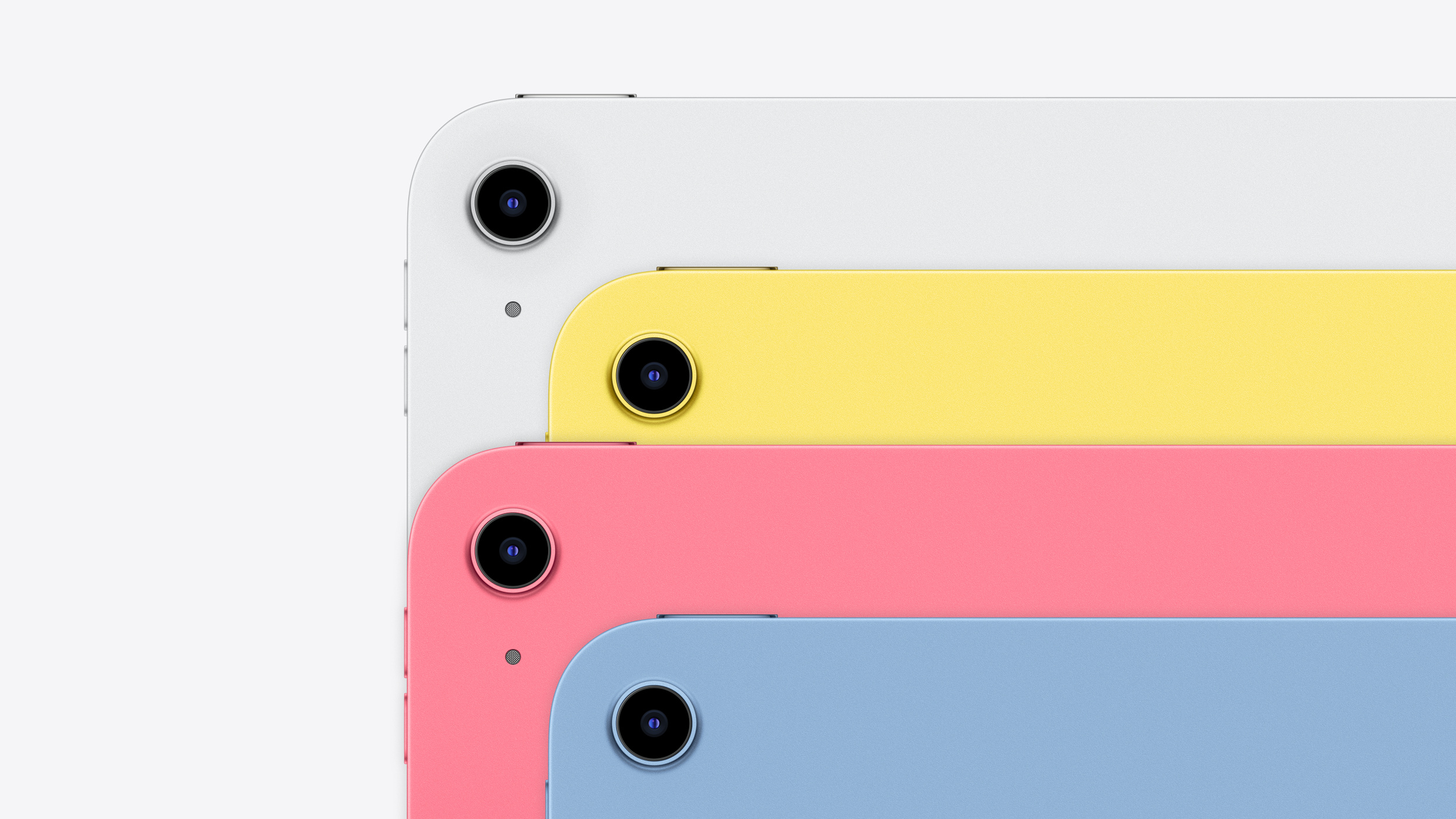
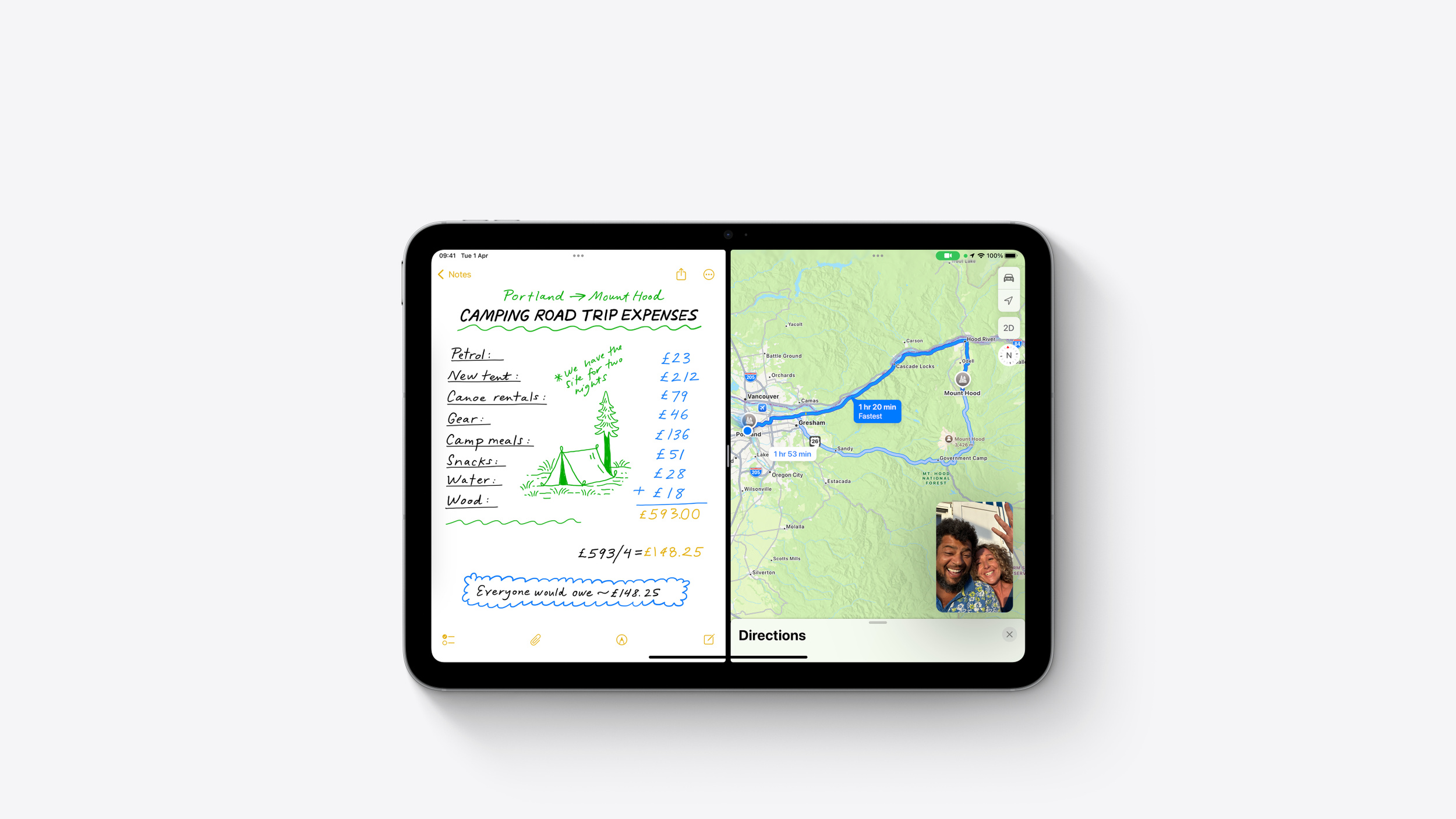
According to Apple’s UK iPad pages, the current entry iPad runs Apple’s A16 chip with a 5-core CPU, a 4-core GPU and 6GB of RAM, paired with an 11-inch Liquid Retina display at 2360 by 1640 and 264 pixels per inch, brightening to 500 nits. Storage starts at 128GB, which is double the old base capacity and genuinely useful. For everyday duties, that is plenty: streaming, browsing, video calls, light note-taking and the school workload most children throw at it.
The A16 is not a slow chip. It is the same generation of silicon that powered a flagship iPhone, so it handles the App Store catalogue without complaint. If your honest use is a sofa tablet, a kitchen recipe screen or a travel companion for the kids, the £329 iPad does everything you need and will keep doing it for years. This is the same logic I applied when I argued you can often happily skip the upgrade and buy last year’s flagship: raw capability outran most people’s needs a while ago.
The compromises Apple does not put on the price tag
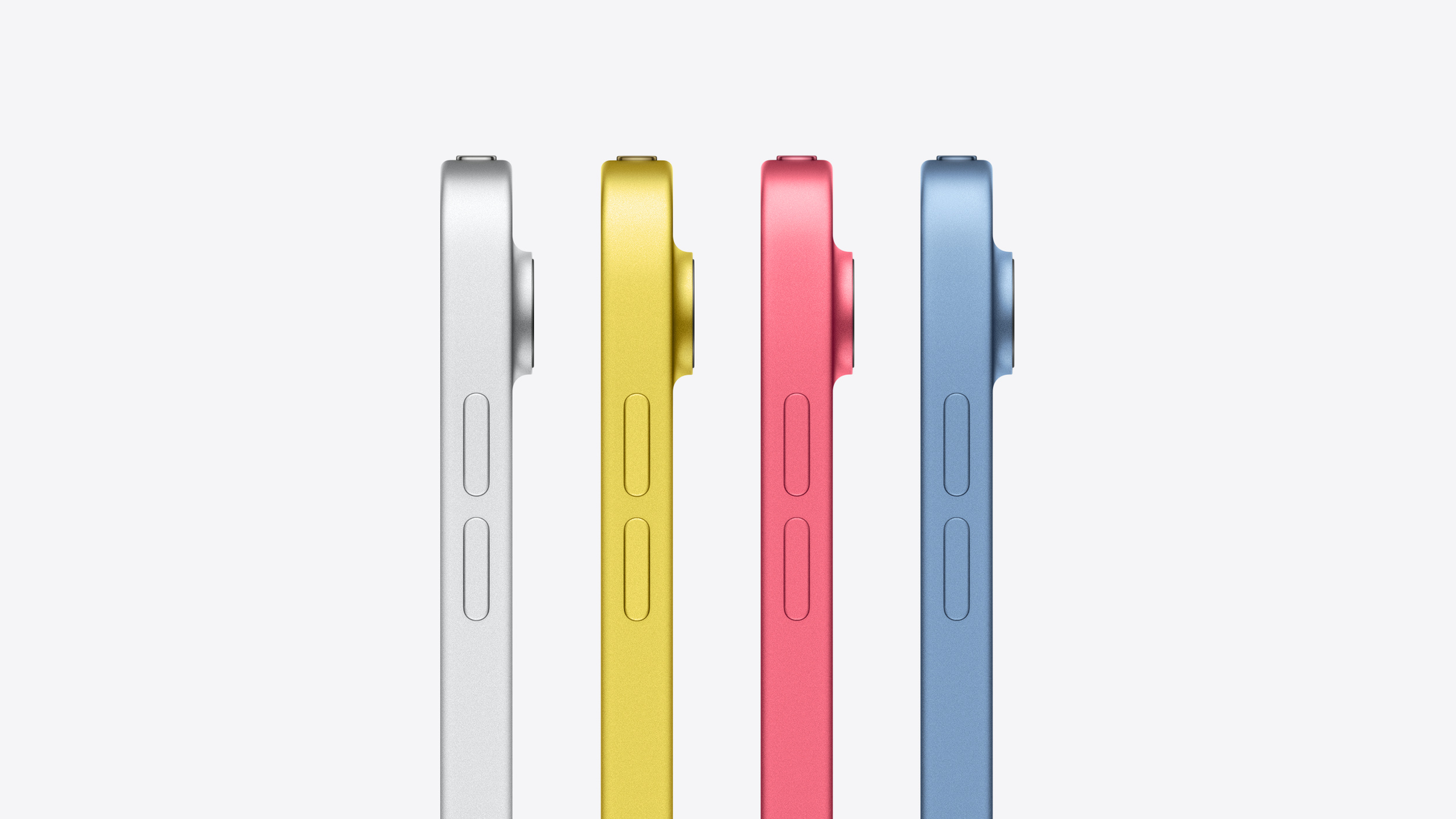
Here is where I have to be candid, because the cuts are real. The entry iPad’s display is not laminated and lacks the anti-reflective coating you get further up the range, so there is a slim air gap under the glass and more glare in a bright room. The USB-C port is limited to USB 2.0 speeds of 480Mb/s, which matters the day you try to offload a big batch of photos or video. It also supports only the Apple Pencil (USB-C), not the Apple Pencil Pro, so the fancier squeeze and barrel-roll tricks are off the table.
The biggest line in the sand is Apple Intelligence. The A16 iPad does not run Apple’s on-device AI features, while the M-series iPads do. If you care about where the platform is heading, that is the one limitation that will age least gracefully, and it is the reason I would not call this iPad the most future-proof choice for a heavy user. It is a flagship-class chip in a deliberately compromised chassis, and you should buy it knowing that.
The £270 question: when the iPad Air wins
The 11-inch iPad Air at £599 closes every one of those gaps. It has the Apple M4 chip with 8GB of RAM, a fully laminated display with anti-reflective coating, Apple Pencil Pro and Magic Keyboard support, and full Apple Intelligence. Apple’s own figures for the Air put its GPU around 50% faster than the A16. On paper the £270 premium looks steep; in practice, for the right buyer, it is the difference between a tablet that copes and a tablet that flies.
The catch that people forget is accessories. The moment you add a Pencil and a keyboard to the £329 iPad to turn it into a laptop substitute, the gap to a similarly equipped Air shrinks to roughly £150. At that point the Air’s better screen, faster chip and AI readiness are far easier to justify. If you are doing real productivity, Stage Manager, external display work or design, the Air is the honest recommendation, and a 13-inch option exists if you want more canvas.
How the entry iPad stacks up against Android
It would be unfair to judge the £329 iPad only against its pricier siblings. Against the wider market it remains the tablet to beat at the price, largely because of software longevity. Apple’s track record suggests the A16 iPad should keep receiving iPadOS updates into the early 2030s, which is well beyond what most rivals manage. If you want to see how the alternatives compare, our roundup of the best Android tablet in the UK for 2026 is the place to start, and the picture there only sharpens the iPad’s case on support length.
This longevity argument is the same one that runs through Apple’s cheaper phones too. I made it about the iPhone 16e and again with the iPhone 17e: Apple’s entry hardware tends to outlast much pricier Android kit purely because the updates keep coming. A tablet that is still safe and supported in 2032 is doing quiet financial work that a spec sheet never shows.
Buying it well in the UK
If you decide the entry iPad is right, buy it sensibly. The list price is £329 for the 128GB Wi-Fi model, and I would steer most people to that capacity rather than paying up. Cellular and bigger storage tiers add cost quickly, and for a home tablet they rarely earn their keep. Tethering to your phone covers the occasional out-and-about need without a second data plan.
Watch the discount theatre, too. Tablets get swept into seasonal sales, but the entry iPad rarely moves far below list, so do not let a tiny saving rush you into the wrong model. I went through this in detail with the Prime Day fake discount trap, and the lesson holds: a real bargain is the right device at a fair price, not the wrong device with a sticker on it. The same restraint applies if you are weighing a tablet against a dedicated reading device, which our Kindle versus Kobo comparison unpacks.
So, is the cheapest iPad still the best value tablet in the UK? For casual users, families, students on a budget and anyone who wants a reliable second screen, yes, comfortably, and I would buy it again without hesitation. For creators, hybrid workers and anyone who wants the platform’s AI future, the £329 saving is the expensive option, and the Air earns its money. Be honest about which one you are, and the cheapest iPad will either be the bargain of the range or the one that quietly costs you more.
How much does the entry iPad (A16) cost in the UK?
Does the cheap iPad support Apple Intelligence?
Should I buy the entry iPad or the iPad Air?
How long will the A16 iPad get software updates?
Buyer action
Where to buy or check next
Use this as the final check before ordering a phone, changing network or trusting a headline monthly price.






Reader discussion
Leave a comment
Comments are moderated. Keep it useful, accurate, and on topic.