UPDATED · News · 25 Feb 2013 · MTW News Desk
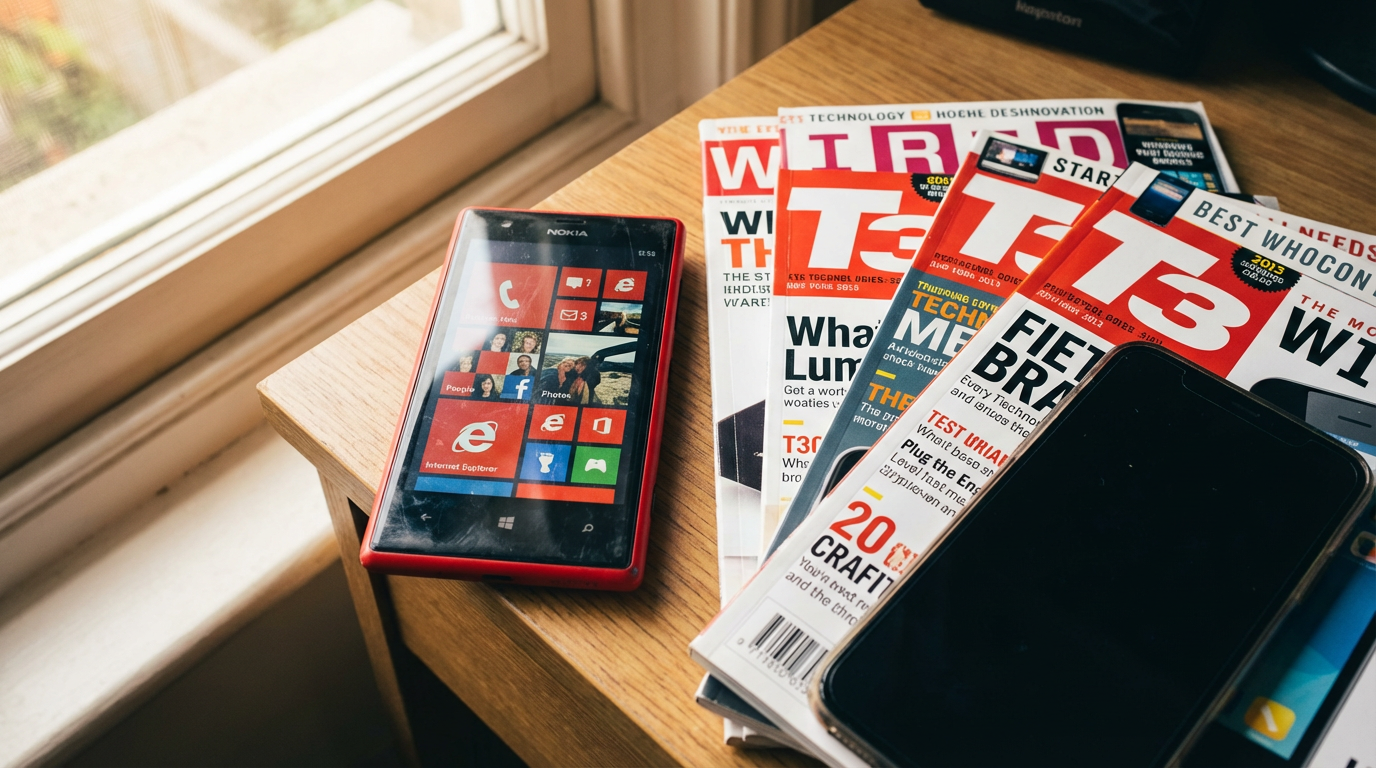
Looking back at the February 2013 announcement of the Nokia Lumia 720, it is hard not to feel a pang of what-might-have-been. The Lumia 720 was the phone that, on paper, should have made Windows Phone a mainstream force in the mid-range. A 6.7MP Carl Zeiss camera with an f/1.9 aperture – genuinely a world first at that price – wireless charging via accessory cover, 5GHz Wi-Fi, NFC and a polycarbonate body in colours nobody else had the nerve to ship. At 249 euro before VAT and contract-free, it was the right phone at the right price.
What the Nokia Lumia 720 actually delivered in 2013
The Nokia Lumia 720 sat between the 820 and the 620 in Nokia’s stack, but the headline numbers undersold what it actually did well. The 4.3-inch ClearBlack WVGA panel had black levels and outdoor sunlight legibility that put 720p IPS panels of the same era to shame. The 2,000mAh battery – paired with the relatively modest Snapdragon S4 1.0GHz dual-core and a frugal Windows Phone 8 build – delivered honest two-day battery life. The wireless charging cover accessory, while clunky, was years ahead of where iPhone or Android flagships were on the same feature.
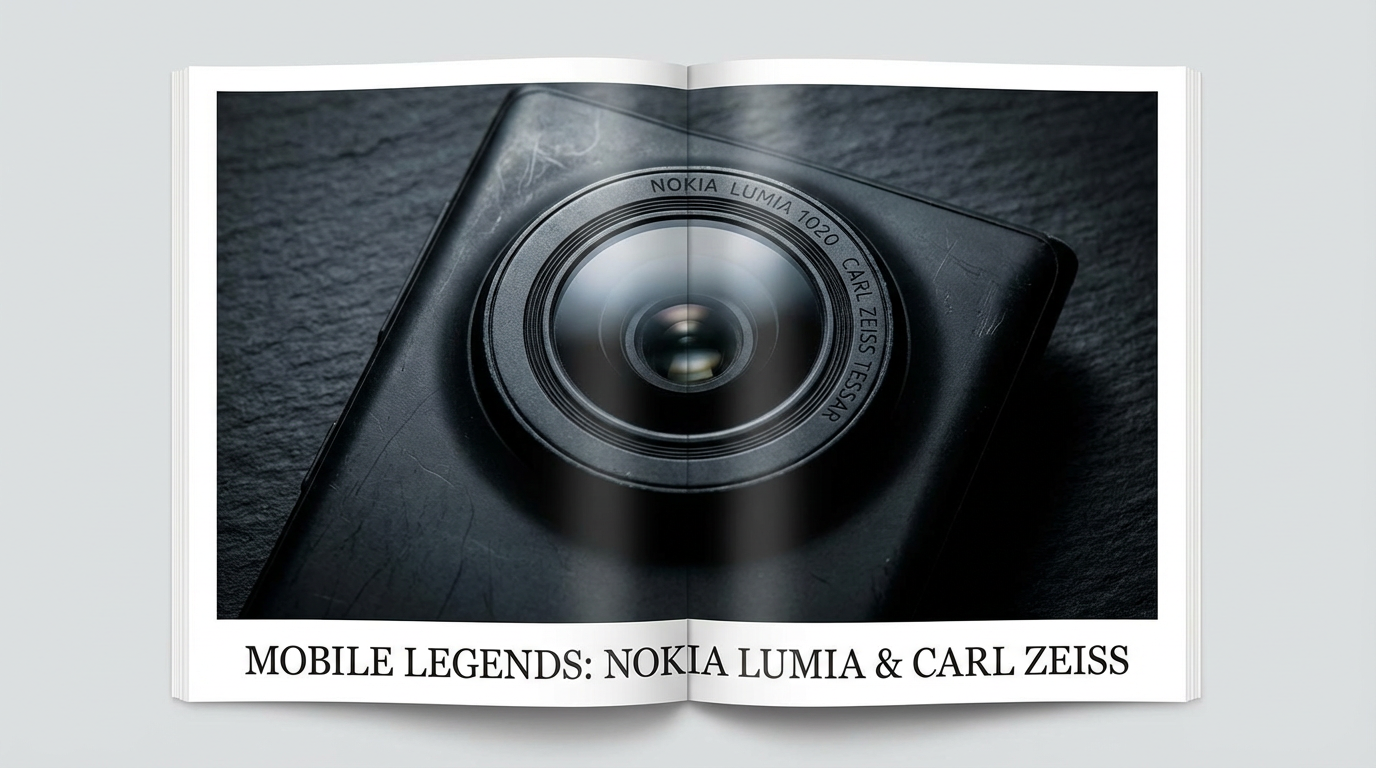
The Carl Zeiss camera was the genuine hero. The f/1.9 aperture combined with backside illumination meant low-light shots that humiliated the Galaxy S4 mini and the iPhone 5C in the same price bracket. Skype HD calling on the front camera, automatic HDR, and Nokia’s own Pro Camera app gave you manual ISO and exposure control on a sub-300 quid handset in 2013. None of this was normal at the time.
Why Windows Phone lost despite shipping the Nokia Lumia 720
The Nokia Lumia 720 is a useful lens through which to understand why Windows Phone failed. The hardware was excellent. The pricing was sharp. Nokia’s industrial design was a generation ahead of what Samsung and HTC were shipping in plastic. The problem, as anyone who actually owned one will tell you, was the apps. The Windows Phone Store in 2013-2014 had ChatGPT-era marketing budgets thrown at it and the missing apps still arrived a year late or never at all. Banking apps, transit apps, the long tail of utilities that make a smartphone genuinely yours – all of it limped along.
Microsoft’s acquisition of Nokia’s devices business in 2014 should have been the moment the platform stabilised. Instead it was the beginning of the end. The Lumia 720’s design language got cheaper rather than more confident, the camera lead Nokia had built up was squandered on uninspired follow-ups, and by 2017 the platform was effectively dead. The Lumia 720 is one of the last phones from the brief period when Windows Phone genuinely felt like the future.
Specs that mattered then and still hold up now
| Spec | Nokia Lumia 720 |
|---|---|
| Display | 4.3-inch ClearBlack WVGA LCD, 2.5D glass |
| Chipset | Qualcomm MSM8227, 1.0GHz dual-core |
| RAM / Storage | 512MB / 8GB + microSD |
| Rear camera | 6.7MP BSI, Carl Zeiss, f/1.9, autofocus, LED flash, 720p video |
| Front camera | 1.3MP wide-angle (Skype HD) |
| Battery | 2,000mAh + optional wireless charging cover |
| Connectivity | NFC, dual-band Wi-Fi a/b/g/n, BT 3.0, A-GPS + GLONASS |
| Dimensions / Weight | 127.9 x 67.5 x 9mm, 128g |
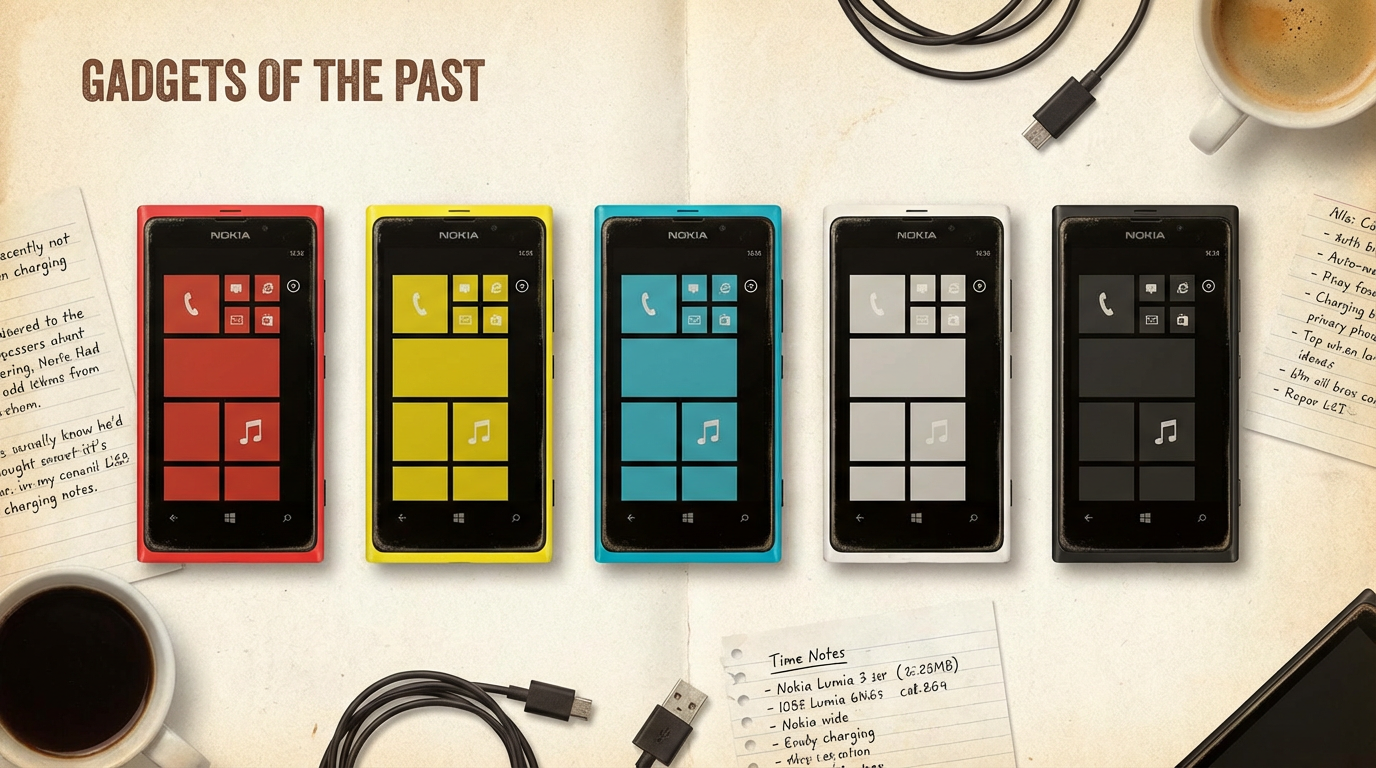
| Colours | Gloss white, matte red, yellow, cyan, black |
| Launch price | EUR 249 SIM-free, March 2013 |
What modern Nokia Lumia 720 owners should do today
If you still have a Nokia Lumia 720 in a drawer, the harsh reality is that it is no longer a usable smartphone in any modern sense. Windows Phone 8 reached end of support in 2017, the app store was closed in 2019, and even the basic features that still work – calls, SMS, the camera – are bottlenecked by the lack of any current security updates. Treat it as a museum piece, photograph it for nostalgia, and move on.
For collectors, the Nokia Lumia 720 is one of the more interesting Windows Phone-era devices to own precisely because of the f/1.9 Carl Zeiss camera and the cheerful colour palette. Mint cyan and yellow units in original packaging are creeping up in value on auction sites. As a piece of mobile history it is worth holding onto. As a daily driver, the kindest thing you can do is recycle it responsibly through the Nokia or local council take-back scheme.
The Nokia Lumia 720 verdict, in retrospect
The Nokia Lumia 720 was a great phone trapped in a doomed ecosystem. Everything Nokia controlled – the chassis, the camera, the colours, the battery life – is still impressive when you pick one up today. Everything Microsoft controlled – the apps, the platform momentum, the developer story – is exactly why you cannot use it anymore. The lesson the industry should have taken from it is that hardware excellence cannot rescue a software ecosystem that nobody wants to build for. The lesson it actually took, judging by the next decade of Android and iOS, is that the only way to win mobile is to be already winning. The Lumia 720 deserved better.
Buyer action
Where to buy or check next
Use this as the final check before ordering a phone, changing network or trusting a headline monthly price.