UPDATED · News · 18 May 2026 · Claire Bennett
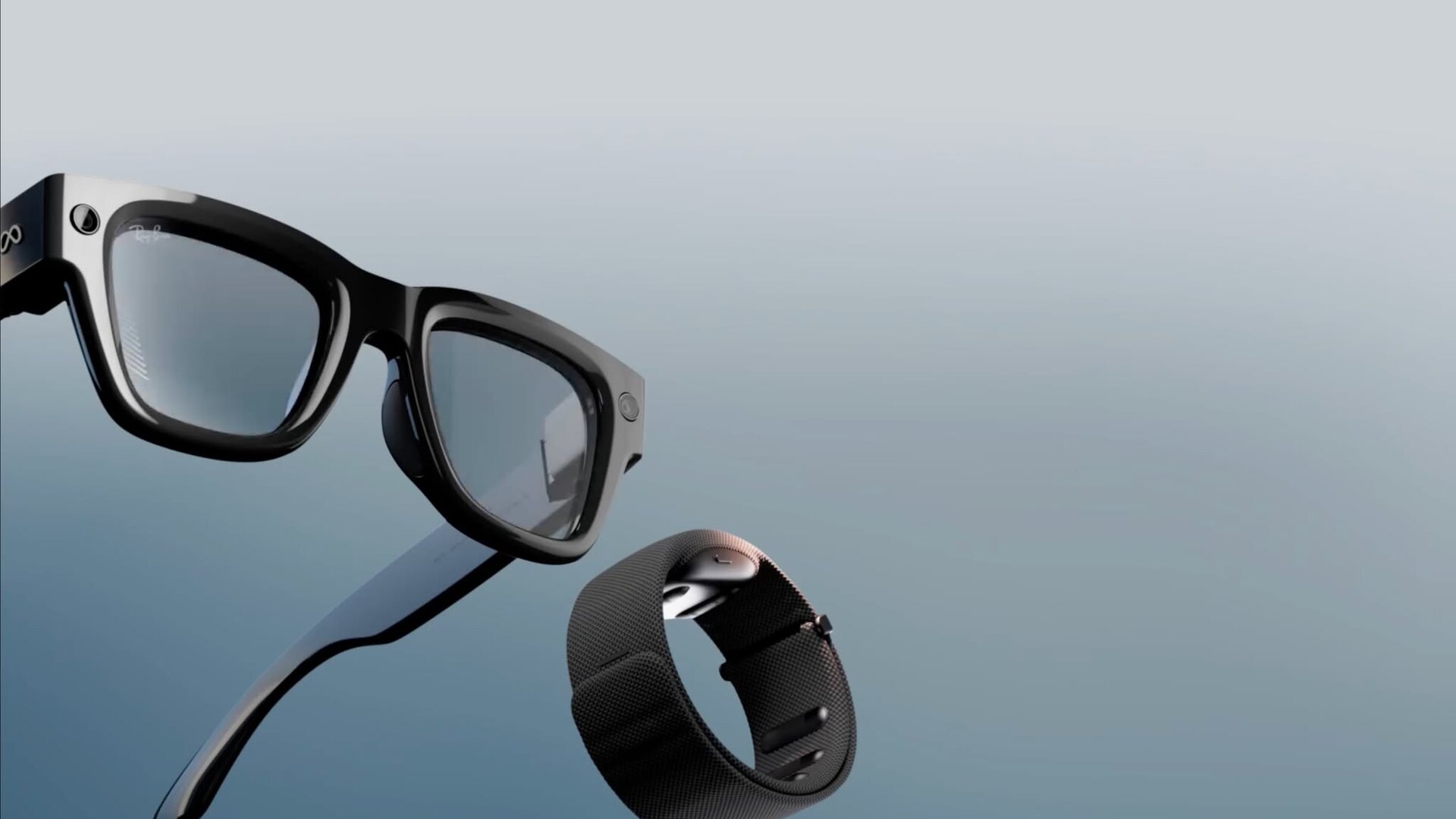
Meta Ray-Ban Display is the smart-glasses story that just changed what hands-free input means, and it lands with a sting for British buyers. Meta announced that neural handwriting, the feature that lets you write messages with a fingertip on any surface, is now rolling out to every Meta Ray-Ban Display owner rather than a US early-access few.
- Neural handwriting on the Meta Ray-Ban Display now works for everyone across Instagram, WhatsApp, Messenger and native Android and iOS messaging.
- It runs on the Meta Neural Band, an sEMG wristband that reads finger movement as you “write” on any surface.
- Meta also shipped Display Recording, expanded walking navigation and opened developer preview access.
- The glasses remain US-only at $799 (around £600); Meta paused the UK launch, so British buyers still cannot buy them.
Why the Meta Ray-Ban Display matters now
Until this week, neural handwriting on the Meta Ray-Ban Display was a US-only early-access trick limited to a couple of messaging apps. Meta’s own wording is now blunt: “everyone will have access to neural handwriting, which will work across Instagram, WhatsApp, Messenger, and native Android and iOS messaging.” You wear the Meta Neural Band, an sEMG wristband that reads the electrical signals of finger movement, and trace letters on your leg, a desk or mid-air. The glasses turn that into text, silently, without a phone in your hand.
This is the input problem every smart-glasses maker has fumbled, and it is why the Meta Ray-Ban Display suddenly looks like a product rather than a demo. Voice is socially awkward in public; touch temples are fiddly; camera gestures are slow. Writing with a finger is fast, private and works on the Tube. It is a sharper answer than anything in the Samsung AI glasses pipeline, and a more practical everyday interaction than the screenless wrist wearables we covered with the Fitbit Air UK launch.
What else shipped with the Meta Ray-Ban Display update
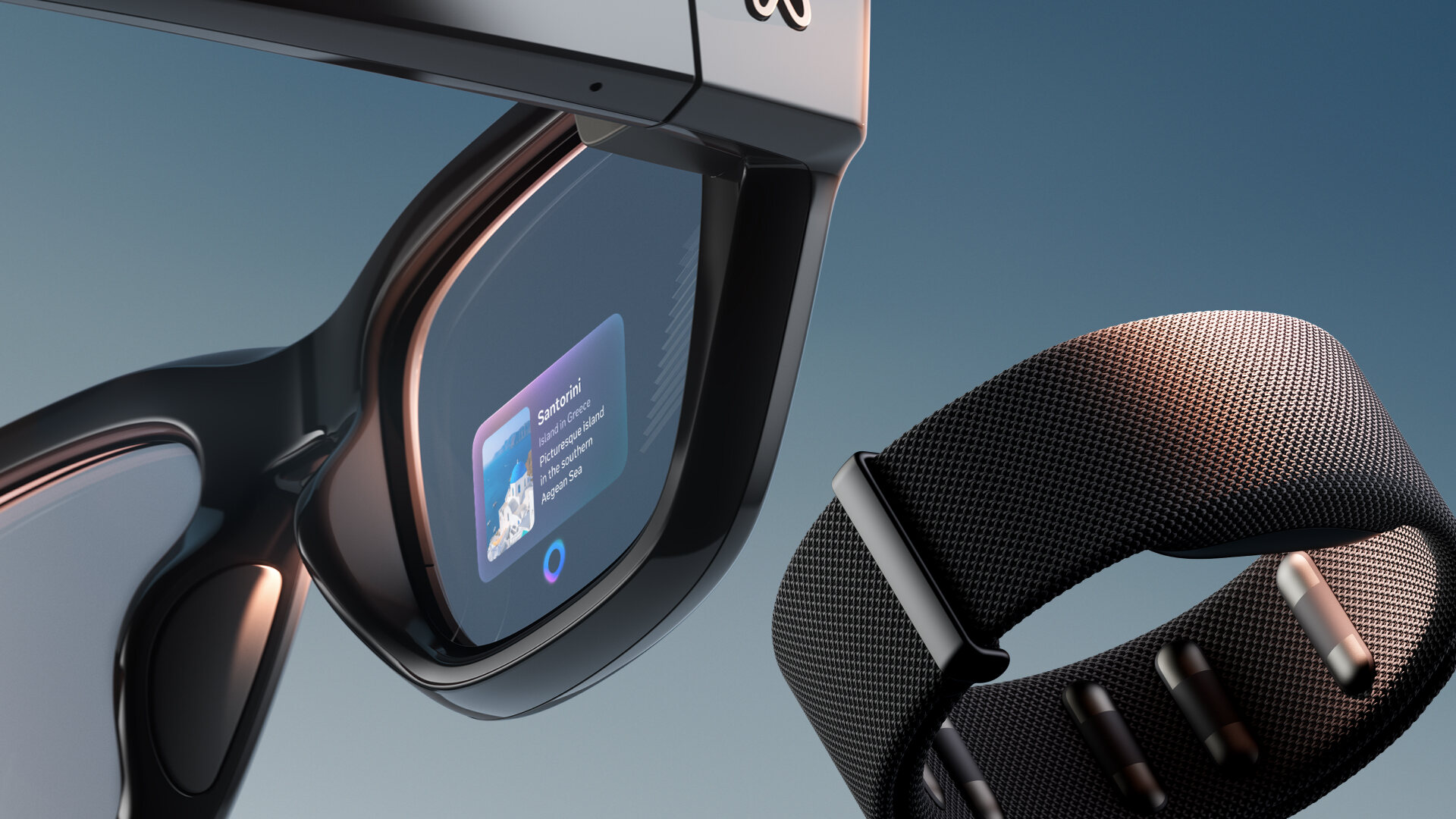
Neural handwriting is the headline, but the 14 May update is broader. Display Recording, in Meta’s words, “combines your in-lens display interactions, your view of the world, and audio into a single, ready-to-share video” – effectively a built-in screen recorder for real life. Walking directions have “expanded throughout the entire US” and now also work when travelling to major international cities including London, Paris and Rome. And Meta opened a developer preview so third parties can build web apps and use the Wearables Device Access Toolkit, which is how this category eventually gets a reason to exist beyond messaging.
Hardware-wise the Meta Ray-Ban Display has not changed: a 600×600 colour display in the right lens, quoted up to 5,000 nits, a 20-degree field of view, 32GB storage, Wi-Fi 6, Bluetooth 5.3, an IPX4 rating and a 69g frame in Black or Sand. The Meta Neural Band is bundled in the box, not sold separately, which matters because the band is what makes neural handwriting possible at all.
How Meta Ray-Ban Display neural handwriting actually works
The mechanism is the interesting bit. The Meta Neural Band uses surface electromyography, reading the tiny electrical signals your forearm muscles produce before and as your fingers move. Meta has been public that it does not need a camera or a touch surface to register the strokes; the band infers the letter shapes from muscle activity, so you can write against your thigh under a desk, on a train armrest, or in the air with no visible gesture. That is the part rivals have not matched: it is discreet by design, and discretion is exactly what stops smart glasses being socially toxic in a quiet office or a packed Northern line carriage.
It is not magic. Neural handwriting on the Meta Ray-Ban Display is best for short replies rather than long-form writing, accuracy improves as the system adapts to your hand, and it leans on the in-lens display for confirmation so it is a glasses-plus-band system, not a band-only one. But as a way to answer a message without pulling out a phone, it is the first implementation that feels designed for real public use rather than a stage demo, and it reframes the Meta Neural Band from an accessory into the actual point of the product.
The Meta Ray-Ban Display problem for UK buyers
Here is the part Meta would rather you skim past. The Meta Ray-Ban Display is still sold only in the United States, at $799 (around £600 at today’s exchange rates), and there is no UK price because there is no UK launch. At CES 2026 Meta paused its planned expansion to the UK, France, Italy and Canada, saying it had “decided to pause our planned international expansion” to “continue to focus on fulfilling orders in the US,” citing extremely limited inventory and unprecedented demand. Five months later the software is racing ahead while British availability has gone backwards.
| Capability | Status | MTW read |
|---|---|---|
| Neural handwriting | Now everyone, US units | The real reason to want these |
| Display Recording | Shipped | Quietly the best creator feature |
| UK availability | Paused since CES 2026 | The dealbreaker for British readers |
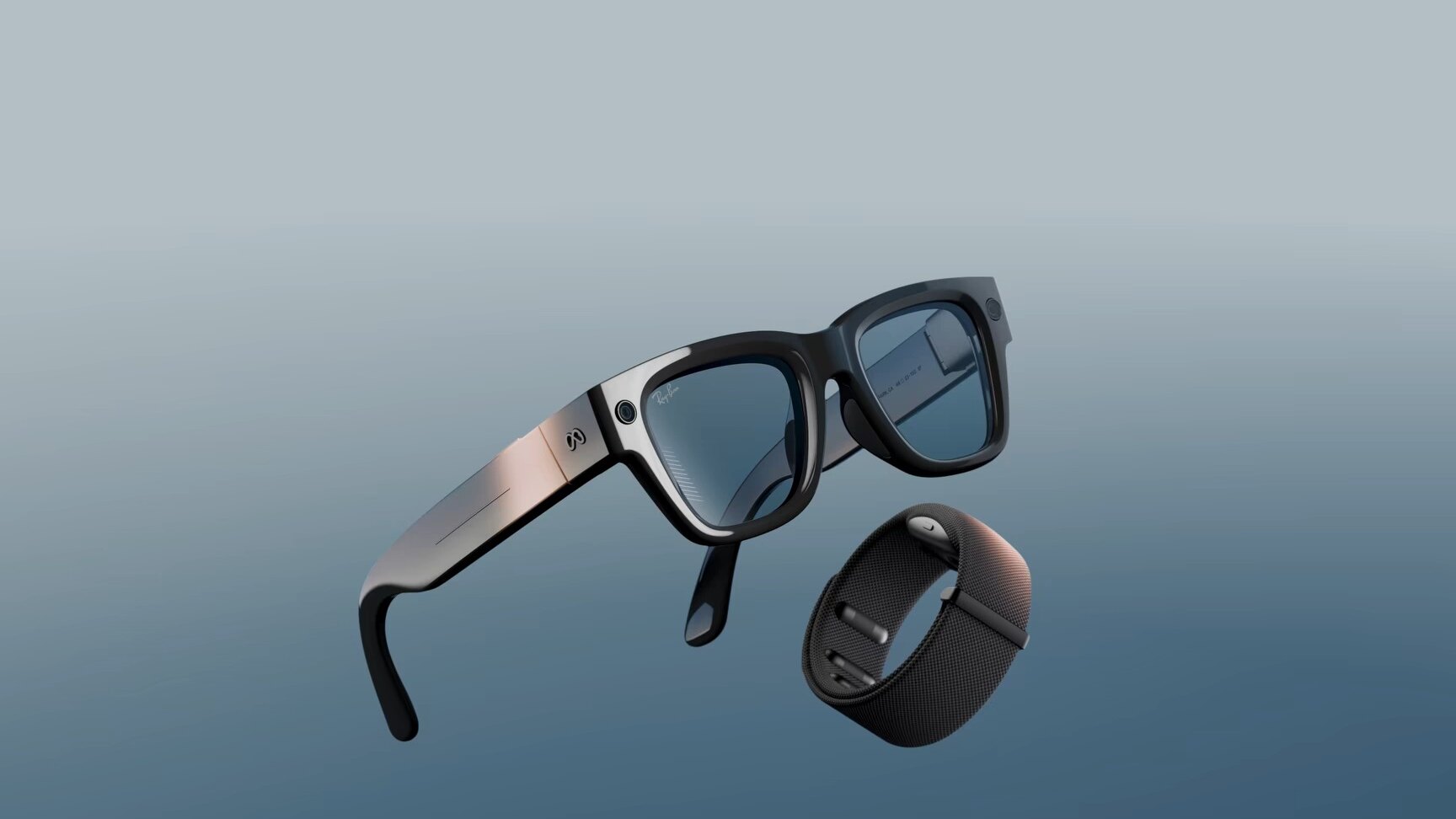
For UK readers the practical takeaway is mixed. The Meta Ray-Ban Display is now clearly the most usable display-glasses product on the market, and neural handwriting is the feature that justifies the category, but you cannot legitimately buy one here and importing a US unit means no warranty and a device tuned for US retail support. If you are weighing wrist wearables instead, our Fitbit Air versus Apple Watch SE comparison and the Garmin Forerunner 70 UK launch are the things you can actually purchase today.
The strategic signal is the louder story. Meta is willing to let the Meta Ray-Ban Display sell out in one country and stay there while it perfects the software, betting that input, not optics, wins this race. On the evidence of neural handwriting, that bet looks right – which makes the UK freeze sting more, not less.
MTW verdict
Neural handwriting makes the Meta Ray-Ban Display the first display-glasses product that solves input instead of apologising for it, and Display Recording is a genuine bonus. The winner here is Meta’s Neural Band strategy. The loser is the UK buyer, who gets the roadmap and none of the hardware. Do not import; wait for an official UK launch and hold Meta to it.
Buyer action
Where to buy or check next
Use this as the final check before ordering a phone, changing network or trusting a headline monthly price.










Reader discussion
Leave a comment
Comments are moderated. Keep it useful, accurate, and on topic.