News · 20 Feb 2013 · MTW Editorial Team

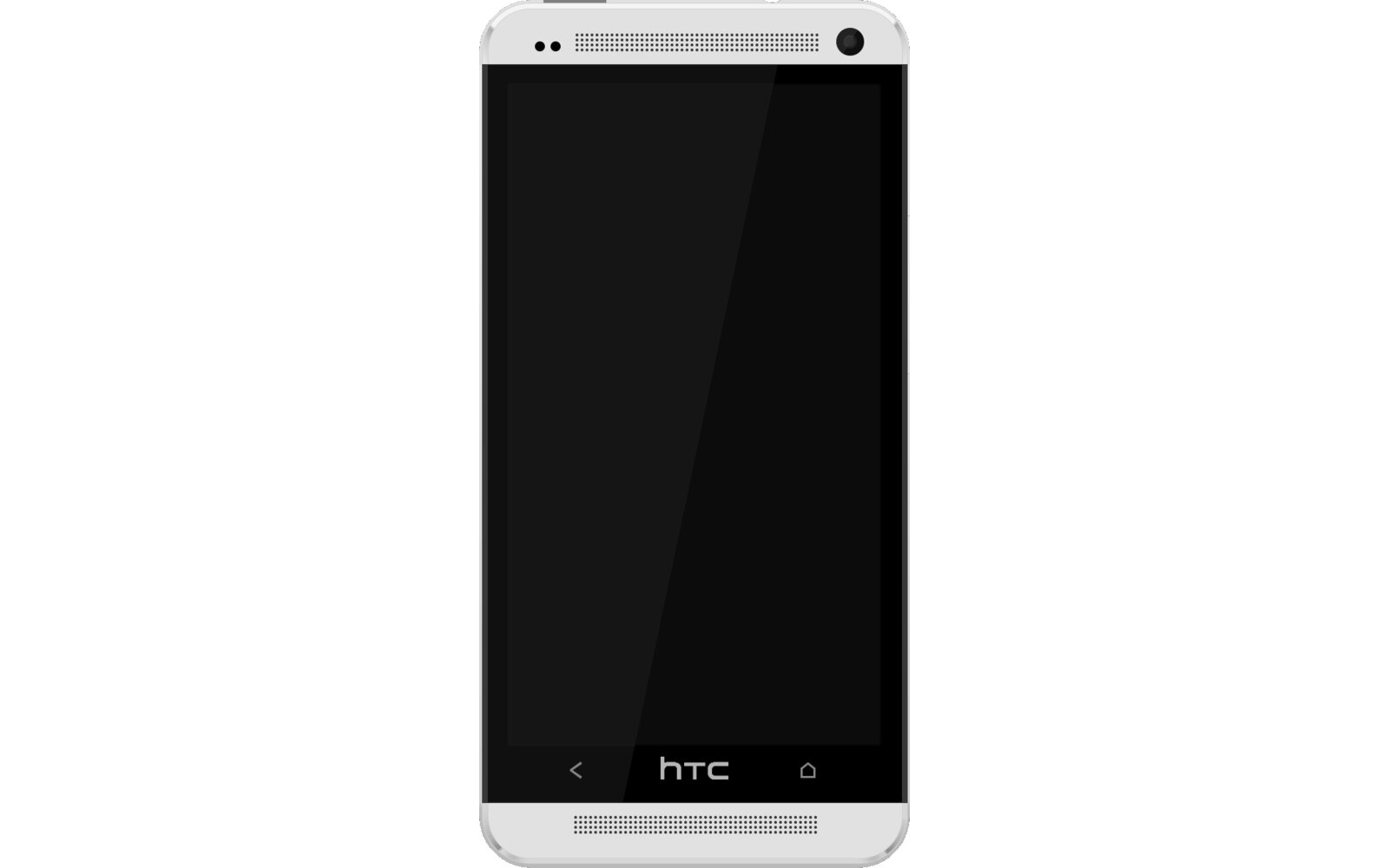
The new HTC ONE is here and for the most part looks like the most powerful, well build smartphone that will hit the market this year. Sure it’s an Android handset but us Windows Phone users should expect to see this same hardware later this year as long as Microsoft update’s its WP8.X chassis specs to add support for Qualcomm’s new line of Snapdragon S400 / S600 & S800 SoC and 1080P screen resolution support.
Don’t get caught by the insane PR that HTC’s been pushing because the HTC ONE is definitely not going to revolutionize anything. A closer look at the specifications and features will give you the distinct feeling the Taiwanese manufacturer has been taking a really close look at what the competition has been doing (especially Nokia) and simply implementing hardware and software scenarios already available elsewhere but with its own touch.
Much of the buzz has been about the new camera sensor packed in the HTC ONE which for better or worst has been named the “HTC UltraPixel Camera”, a branding reminiscent of Nokia’s own PureView cameras. Before taking a closer look at this fancy offering let’s just check the HTC ONE hardware specification below:
Size: 137.4 x 68.2 x 9.3mm
Weight: 143g
Display: 4.7 inch, Full HD 1080p, 468 PPICPU speed
Qualcomm® Snapdragon™ 600, quad-core, 1.7GHz
Platform Android
Android™ with HTC Sense™
HTC BlinkFeed™
SIM card type
microSIM
Memory
Total storage : 32GB/64GB, available capacity varies1
RAM : 2 GB DDR2
Network
HSPA/WCDMA:
• Europe/Asia: 850/900/1900/2100 MHz
GSM/GPRS/EDGE:
• 850/900/1800/1900 MHzGPS
Internal GPS antenna + GLONASS
Digital compassSensors
Gyro sensor
Accelerometer
Proximity sensor
Ambient light sensorConnectivity
• 3.5 mm stereo audio jack
• NFC capable3
• Compliant with Bluetooth 4.0
• Bluetooth 4.0 with aptX™ enabled
• Wi-Fi®: IEEE 802.11 a/ac/b/g/n
• DLNA® for wirelessly streaming media from the phone to a compatible TV or computer
• Support consumer infrared remote control
• micro-USB 2.0 (5-pin) port with mobile high-definition video link (MHL) for USB or HDMI connection (Special cable required for HDMI connection.)Sound enhancement
HTC BoomSound™
• Dual frontal stereo speakers with built-in amplifiers
• Studio-quality sound with Beats Audio™
• HDR Microphone
• Sense VoiceCamera
• HTC UltraPixel Camera
• BSI sensor, Pixel size 2.0 µm, Sensor size 1/3′
• Dedicated HTC ImageChip™ 2
• F2.0 aperture and 28 mm lens
• Optical Image Stabilization (OIS)
• Smart Flash: Five levels of flash automatically set by distance to subject
• Front Camera: 2.1 MP, 880 wide angle lens with HDR capability
• 1080p Full HD video recording for both front and back cameras
• HDR Video
• Continuous shooting and VideoPic
• Slow motion video recording with variable speed playback
• HTC Zoe™ with HTC Zoe™ Highlights and HTC Zoe™ Share
• Retouch with Object Removal, Group Retouch, and Sequence ShotMultimedia
Audio supported formats:
• Playback: .aac, .amr, .ogg, .m4a, .mid, .mp3, .wav, .wma (Windows Media Audio 9)
• Recording: .amr
Video supported formats:
• Playback: .3gp, .3g2, .mp4, .wmv (Windows Media Video 9), .avi (MP4 ASP and MP3)
• Recording: .mp4Battery
Embedded rechargeable Li-polymer battery
Capacity : 2300 mAh
The HTC ONE looks amazing on paper. It is powered by the latest Snapdragon S600 which is a quad-core Krait 300 with Adreno320 GPU (APQ8064Pro @ 1.7Ghz) features 2GB of LPDDR2, HDR Microphones (Nokia Rich Recording ..?) etc.. But the message gets confusing when the company starts pushing its new camera moto: More MPixels isn’t the solution precisely because the HTC UltraPixel Camera sensor only packs 4MPx compared dot 8MPx is which is norm in most High-end smartphones. The big difference is that the size of the pixels on HTC’s UltraPixel Sensor is 2µm compared to 1.4µm on the 8.7MP sensor of the Nokia Lumia 920. This, according to HTC allows the sensor to capture more light per pixel, thus resulting in better low light performance. Unfortunately this won’t compensate for the lack of pixels so the resulting images shot in perfectly lit scenarios will most probably be less detailed that the same shots taken with sensors packing a higher pixel count. Also contrary to what HTC has been claiming the HTC One sensor isn’t the biggest sensor on a smartphone at all. It actually has the same size as the one found in Nokia Lumia 920 and is miles behind the actual biggest one which is the 41MP monster packed in the Nokia 808.
The confusing message is more clearly seen when you take a closer look at the HTC One screen. According to HTC less MPs is better for the camera (which is where it actually really matters..) but gazillions of pixels really is important on the device’s screen. The HTC ONE feature a 4.7” SLCD3 panel with a resolution of 1080P this amounts to the stunningly high 468PPI! This is the epitome of useless given that there’s barely no way any human being can make the difference between a 332PPI like on the 920 and this 468PPI monster. It would have been cheaper for HTC to pack a 720P or 768P screen , would have improved battery life and GPU performance without making any difference to the end user…Oh well lower MPx sensor is apparently a plus so…HTC’s PR must be right I guess.
One last thing regarding the camera (besides the HTC ZOE stuff that is nothing more that HTC’s version of Nokia’s SmartShoot and Cinemagraph but probably better implemented than the Finnish’s offering from the looks of it) it feature OIS (Optical Image Stabilization) similar to what is found on the Nokia Lumia 920. Well that’s according to HTC because there’s no info at all regarding the company’s implementation of the technology and some are even doubting that it’s hardware based. According to Nokia’s ex-imaging top head Damian Dining “that maybe their ‘spec’ but it only works to 1/7.5 vs Nokia’s 1/3 sec”. And I repeat, not much else is known about this. AS a matter of fact not a single camera sample image has been released and only 3 images have been floating around thanks to the folks at GSMArena who managed to snap them last night after the presentation. The verdict is that they look rather bad…but let’s wait for the final hardware and software before passing any judgment.
All in all, the HTC ONE is one heck of a piece of hardware and even though they whole camera thing seems to be clouded by dodgy PR it’s actually nice to see another company besides Nokia attempting to dramatically improve imaging on smarpthones. As a matter of fact this seems to be a very good move by HTC especially for its Windows Phone 8 handsets given that there’s currently no Qualcomm SoC on the market that can handle a gigantic 41MP sensor like the one in the 808 (which is why I doubt that the rumored Nokia EOS will feature it) and 4MP photos are faster to process by the hardware, take less space etc. There’s a whole lot more to talk about but please voice your opinion in the comments below.
Follow @MobileTechWorld
Buyer action
Where to buy or check next
Use this as the final check before ordering a phone, changing network or trusting a headline monthly price.