There is no price tag on the box, because there is no box in the way you’d expect. Buy a Whoop 5.0 and you are not really buying a tracker at all — you are signing up to a yearly membership, and the band arrives as a component of the deal. That single decision, more than any sensor, is what you’re actually weighing up. When PCMag’s UK team put the 5.0 through its paces in 2025, the hardware was almost the least interesting part of the story; the pricing structure was the headline. We have followed up on this thread in Ecovacs Deebot X8 Pro Omni UK 2026: is the flagship mop-vac worth u00a31,299.
So let me be blunt about the question that matters for a British buyer in 2026: is a screen-free band you can’t switch off, wrapped in a subscription you can’t dodge, worth £169 to £349 a year? I think it can be — but only for a very particular kind of person, and the tier you pick decides whether it’s a smart buy or an expensive habit.
The band that refuses to be a watch (screen-free recovery band)
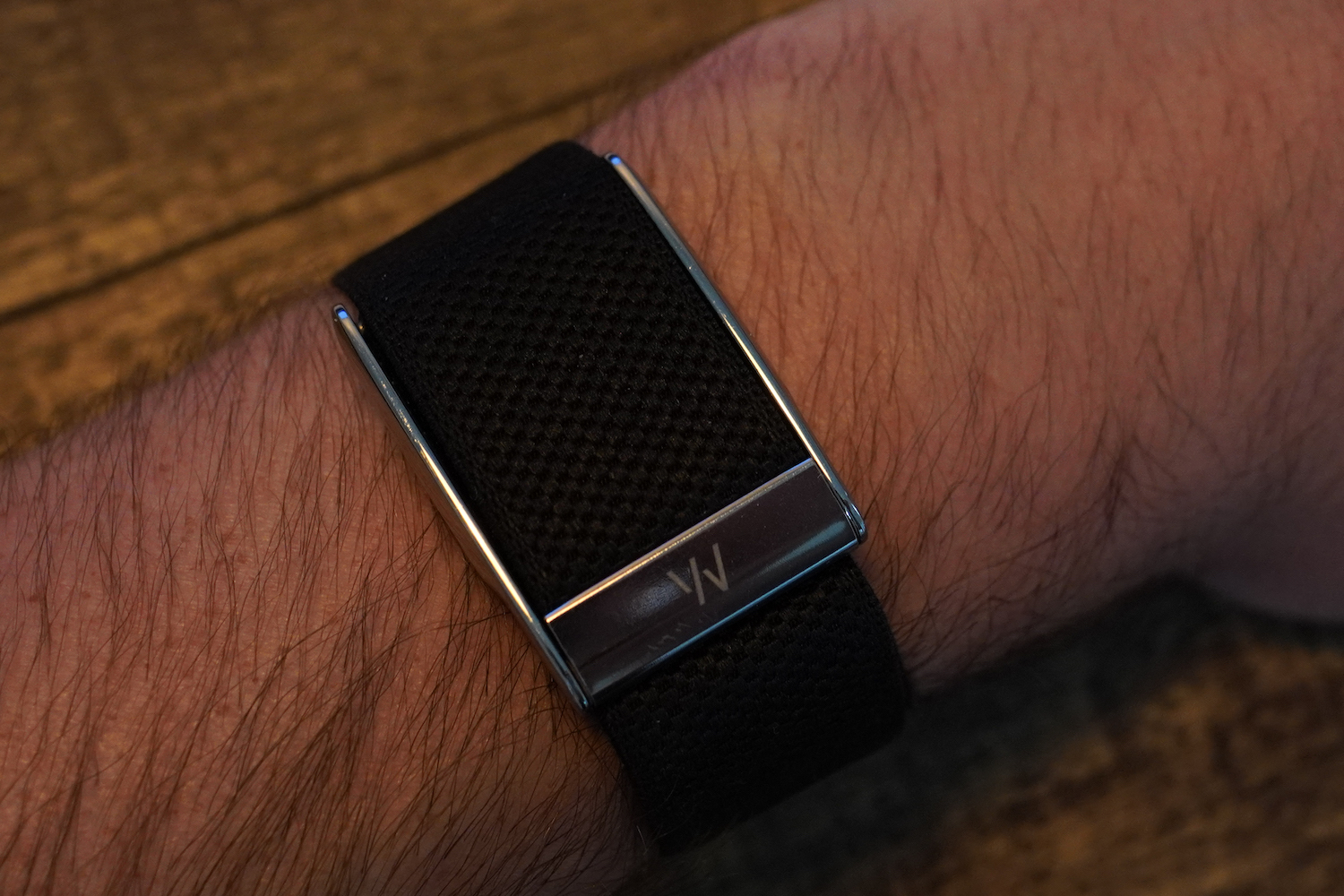
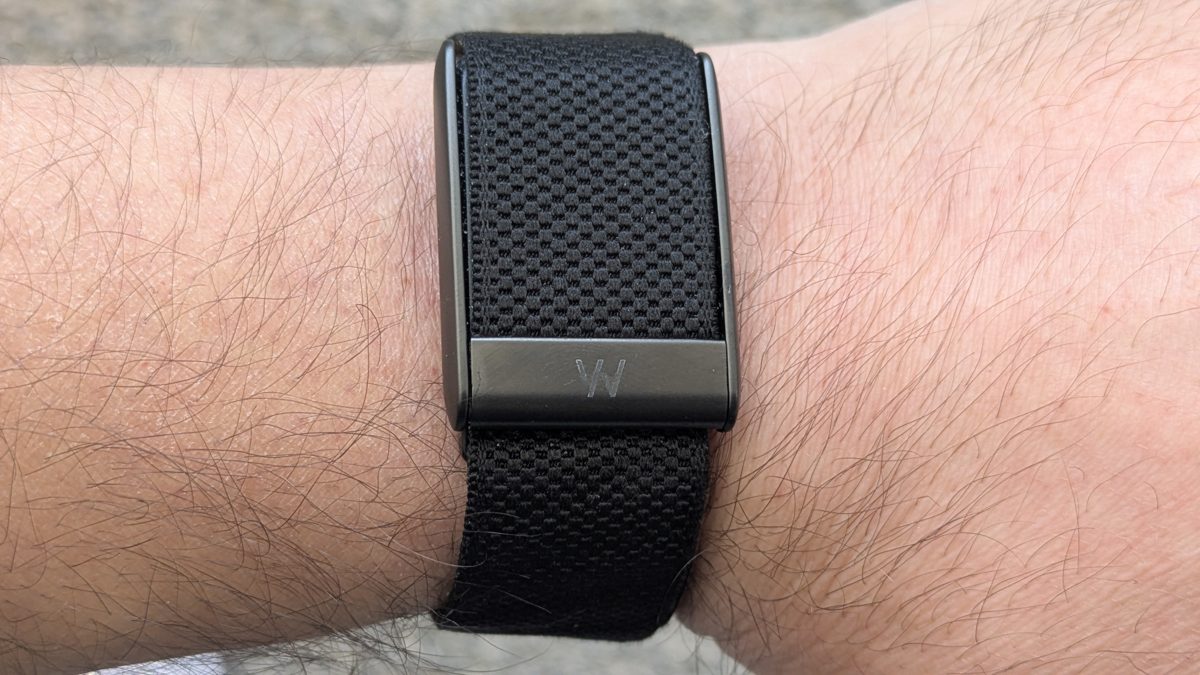
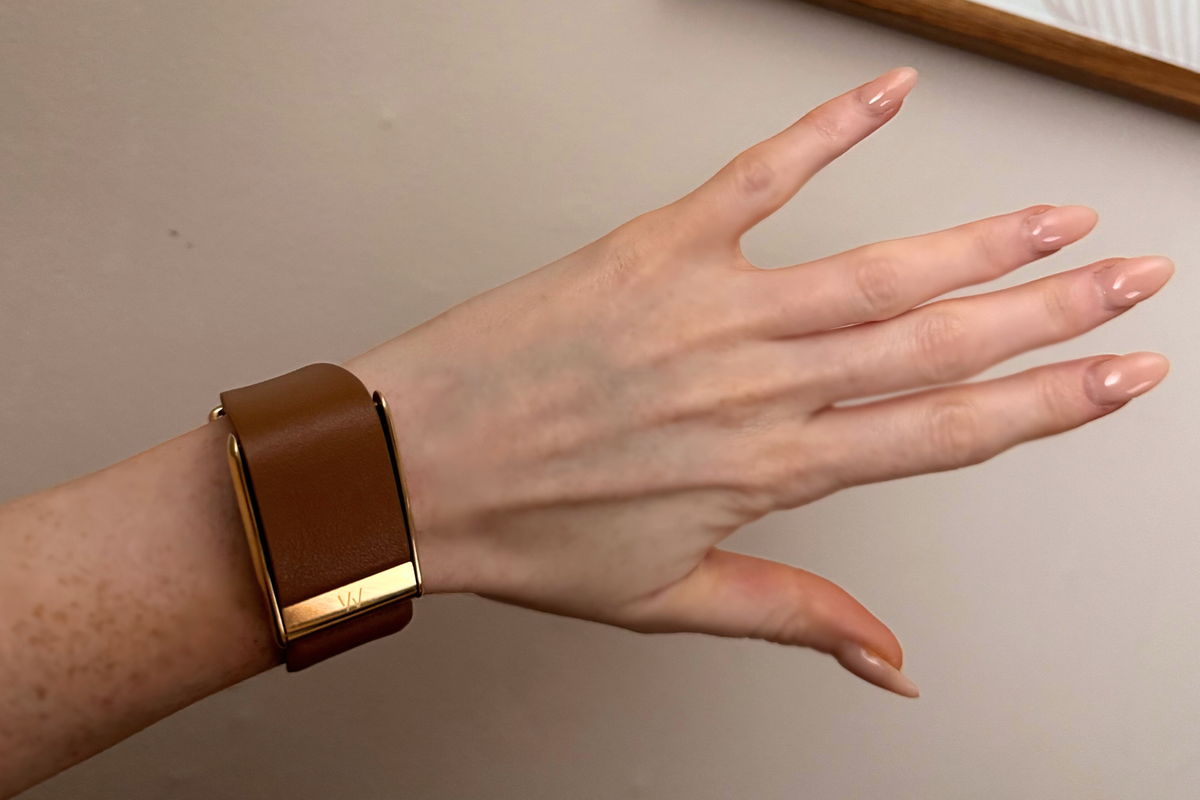
The defining choice Whoop has made, again, is to give you nothing to look at. The 5.0 is a screen-free recovery band measuring 34.7mm x 24mm x 10.6mm and weighing just 26.5g, waterproof to 10 metres. There is no display, no notifications buzzing at your wrist, no glanceable step count. Everything lives in the app. If the idea of a fitness device is that it nags you into moving, this is the opposite philosophy: it watches, it scores, and it stays silent until you go looking for the data.
That restraint is the point, and it’s also the risk. A £229 device that shows you nothing on your arm is a hard sell to anyone used to a smartwatch face. But it’s precisely why the 5.0 disappears — you can wear it in the shower, in bed, under a shirt cuff, and forget it exists. For sleep and recovery tracking, which is Whoop’s whole reason for being, an invisible band you never take off beats a bright watch you charge every night.
The upgrade that actually earns the fanfare
The single most meaningful change over the 4.0 is mundane and brilliant: battery life. The 5.0 runs for 14 or more days on a charge, against the roughly four days the 4.0 managed — a jump PCMag flagged as the headline hardware story when the new membership tiers landed. That is not a spec-sheet nicety. A recovery tracker only works if it’s on your body 24/7, and the old four-day cycle meant a charge-up every few days, usually at exactly the wrong moment. Two weeks between top-ups turns Whoop from a device you manage into one you genuinely forget about.

There’s a redesigned sensor array under the hood too, feeding the more advanced health readings that Whoop reserves for its dearer tiers — including a medical-grade MG option pitched at ECG and blood-pressure-style insight. The hardware, in other words, is finally good enough that the subscription becomes the only real debate.
You are not buying a gadget that depreciates on a shelf. You are renting a service, and the band is the least expensive part of the arrangement.
Three tiers, and the £180 gap that decides everything
Whoop now sells three UK memberships, each bundling the app and a band for a year with no upfront hardware cost. The entry point is Whoop One at £169 a year, aimed squarely at first-timers — strain, sleep and recovery, the core loop that made Whoop’s name. Step up to Whoop Peak at £229 a year and you add healthspan and stress monitoring, the “how is my body ageing and coping” layer. At the top sits Whoop Life at £349 a year, the medical-grade tier with ECG and blood-pressure monitoring, as the Independent’s IndyBest review lays out.
The gap between the floor and the ceiling is £180 a year, every year, and that is where a British buyer needs to be honest with themselves. Whoop One at £169 is the tier most people should start on: it covers the recovery-and-sleep story that genuinely differentiates the platform. Peak’s stress and healthspan metrics are pleasant, but ask whether you’ll act on them. Life’s clinical readings are compelling on paper, yet £349 annually is squarely into “do I have a medical reason for this” territory rather than “nice to have”.
The subscription arithmetic Britain keeps ignoring
Here is the sum nobody puts on the marketing page. Whoop One at £169 a year is roughly £14 a month, forever. Stay on it three years and you have handed over more than £500. There is no version of Whoop you own outright; stop paying and the band stops meaning anything. That’s a very different proposition from a one-off wearable purchase, and it’s a model the wider industry has been quietly normalising — the same creeping subscription logic I flagged when Garmin started charging £6.99 a month for Connect+ on hardware you’d already bought outright.
Context matters here, and the competition has noticed. When Google launched the screenless Fitbit Air at £99 to chase Whoop, it was a direct shot at exactly this pricing model — a screen-free band at a fraction of the annual outlay. Whoop’s answer isn’t to compete on price; it’s to argue that the depth of its recovery science justifies the premium. Whether it does depends entirely on how much you’ll use it.
Who thrives with it, and who should walk away
The 5.0 rewards commitment and punishes dabbling. If you train seriously — marathon blocks, strength cycles, anything where recovery is the limiting factor — the daily recovery score and strain coaching genuinely shape decisions, and a 14-day battery on an invisible band is close to the ideal form factor. For that reader, £169 a year for Whoop One is defensible, and stepping up to Peak’s £229 makes sense once the base habit sticks. The road.cc review reached a similar conclusion from an endurance-athlete’s seat: the data is only as valuable as your willingness to train around it.
If you want a screen, notifications, contactless payments or a device that shows you the time, this is not remotely your product — a premium smartwatch does all of that and tracks fitness besides. And if you suspect you’ll wear it keenly for a fortnight and then let the direct debit run in the background, the honest move is to not start. Whoop’s whole value depends on the data you keep feeding it; a lapsed subscriber is just paying rent on a strap.
Where I land after doing the sums
The Whoop 5.0 is the best version of a genuinely good idea, finally freed from the battery anxiety that undercut it. The screen-free discipline is a feature, not a compromise, and the recovery science is the real reason to buy in. But the tier you choose is the whole review. Whoop One at £169 is the one I’d back for the athlete who lives by their recovery score — enough platform to matter, priced where an annual commitment is fair. Peak at £229 earns its keep only if you’ll actually engage with stress and healthspan, and Life at £349 belongs to people with a specific clinical reason to want ECG on their wrist, not to the merely curious. Buy into the philosophy and pick the tier your habits can honestly sustain, and the 5.0 is worth it. Sign up hoping the band will make the habit for you, and you’ll have bought Britain’s most sophisticated way to waste £169 a year.
Buyer action
Where to buy or check next
Use this as the final check before ordering: UK watch pricing swings between the brand store, the networks and the high street.








Reader discussion
Leave a comment
Comments are moderated. Keep it useful, accurate, and on topic.