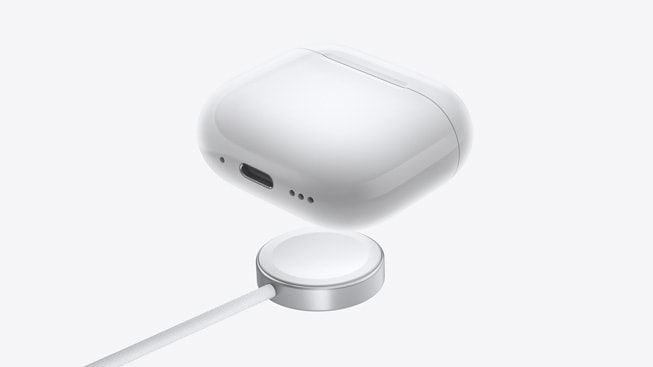
You have spent good money on a pair of wireless earbuds, but something is not quite right. The bass feels thin, active noise cancellation is underwhelming, or the earbuds keep slipping during a run. Before you blame the hardware, choose the right ear tips. The small silicone or foam pieces that sit inside your ear canal have an outsized impact on sound quality, comfort, and noise isolation, and most people are wearing the wrong size.
Right Ear Tips: Contents
- Why Ear Tip Fit Matters So Much
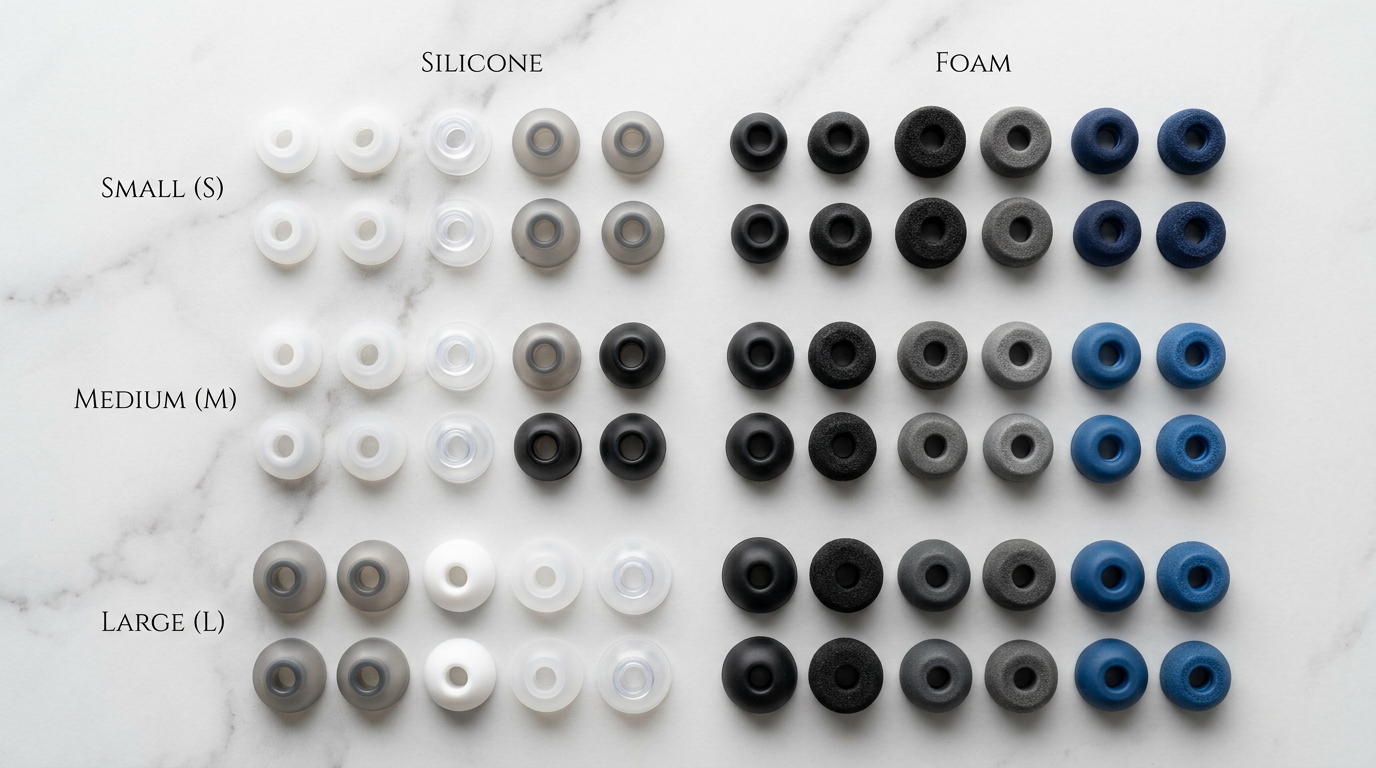
- Silicone vs Memory Foam vs Hybrid Tips
- How to Test Your Fit
- When to Size Up vs Size Down
- Third-Party Options Worth Trying
- Maintaining Your Ear Tips
Why Ear Tip Fit Matters So Much
Wireless earbuds work by creating a seal between the ear tip and your ear canal. This seal does three critical things. First, it keeps the earbuds physically in your ears. Second, it provides passive noise isolation by blocking external sound from entering the canal. Third, and this is what most people miss, it creates an enclosed acoustic chamber that allows the earbud driver to produce its intended frequency response.
Without a proper seal, bass frequencies escape through the gaps. This is why earbuds can sound tinny or lacking in low-end punch even though reviews praise their audio quality. The reviewers had a good seal; you do not. Fix the seal, and you often fix the sound.
Silicone vs Memory Foam vs Hybrid Tips
Silicone tips are the default for most earbuds. They are durable, easy to clean, and cheap to replace. They do not stick to ear wax the way foam does. They last six months to a year of daily use. The downside is a slightly inconsistent seal as your ear shape changes with jaw movement.
Memory foam tips compress when you pinch them, then slowly expand inside the canal to fill it precisely. That delivers the best seal and the best passive noise isolation, and dramatically improves ANC performance on most earbuds. Downsides: they wear out faster (two to three months), absorb oils and wax, and can feel warmer in the ear on long sessions.
Hybrid tips such as the SpinFit or Final E series combine silicone’s durability with an angled or stretchable construction that seals more reliably than stock silicone. They are a good middle ground if foam does not agree with your ears.
How to Test Your Fit
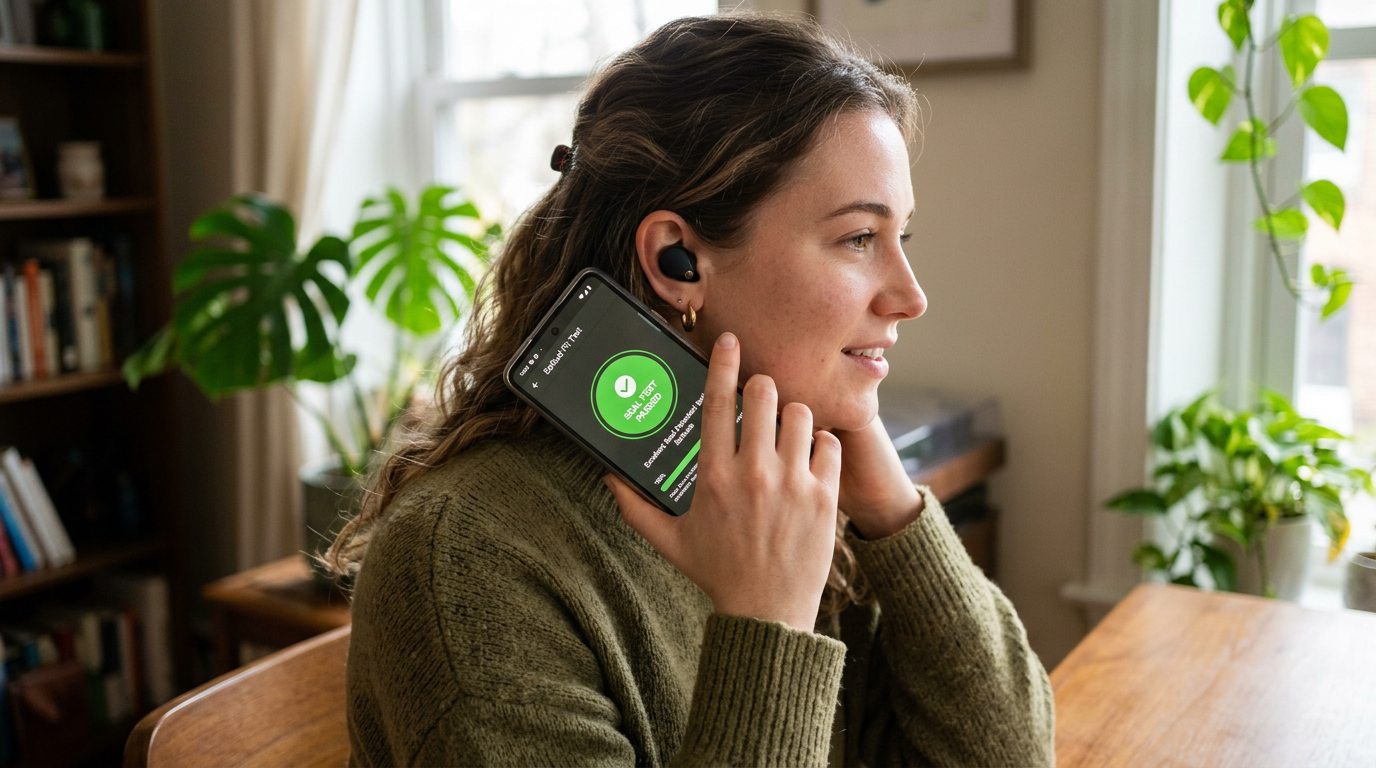
Several earbud manufacturers now include fit test features in their companion apps, and these are genuinely useful. AirPods Pro run an Ear Tip Fit Test from Bluetooth settings on your iPhone. Samsung Galaxy Buds use the Galaxy Wearable app. Sony’s Headphones Connect app and Bose’s Music app have similar seal tests. Each runs a short audio sequence and, using the earbud microphones, measures the seal and suggests which included tip size to use.
If your earbuds do not have a fit test, use the manual method. Insert the earbuds, play a bass-heavy track, and gently press each earbud deeper into the ear. If the bass response noticeably increases when you press, your seal is not ideal. A good seal should sound full without any pressing.
When to Size Up vs Size Down
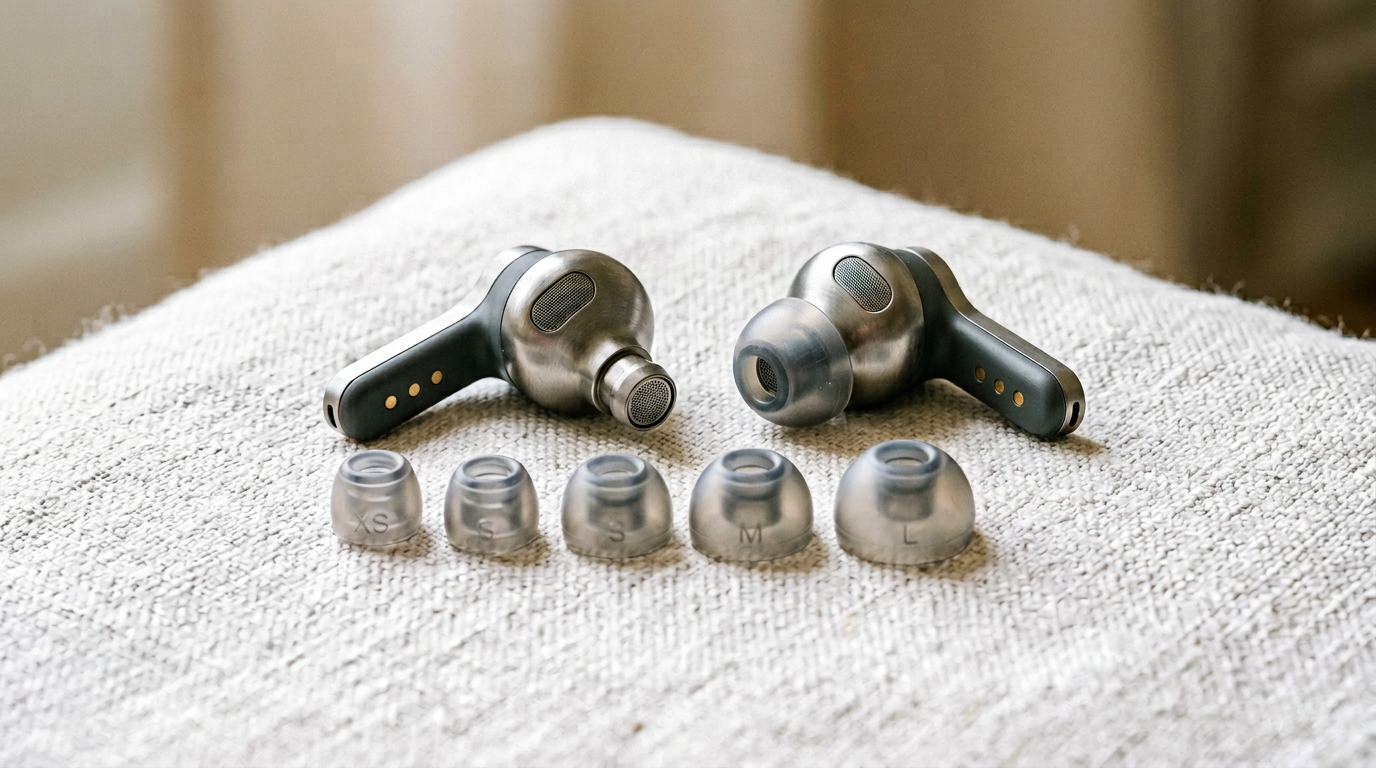
Choosing between ear tip sizes is not always intuitive, and many people default to the medium tips that come pre-installed without trying alternatives.
Size up if: the earbuds feel loose, slip during movement, or bass sounds weak. A larger tip fills more of the ear canal opening and creates a tighter seal. You might also need to size up if you pass the fit test inconsistently, sometimes good, sometimes not, as your ear canal may be on the boundary between sizes.
Size down if: the earbuds cause discomfort, pressure, or soreness after 30 minutes of wear. Pain is a clear sign the tip is too large for your canal. You should also size down if inserting the earbuds requires excessive force or feels like you are actively stretching your ear canal. A good fit should feel snug but never painful.
Try different sizes in each ear: your ears are not identical. It is completely normal to need a medium tip in one ear and a large in the other. Most manufacturers include enough tips for mixed sizing, and using different sizes is the correct approach if your ears differ.
Third-Party Options Worth Trying
Comply foam tips are the market leader in aftermarket ear tips for good reason. They make models specifically designed for AirPods Pro, Galaxy Buds, Sony, and most major earbud brands. Their TrueGrip Pro line offers excellent noise isolation and a secure fit that resists falling out during exercise. Expect to pay around £15 to £20 for a pack of three pairs.
SpinFit CP360 and CP1025 are hybrid silicone tips with a patented swivel design that adjusts the tip angle inside your ear canal for a more natural fit. They work particularly well for people who find standard silicone tips comfortable but want improved isolation. Roughly £10 to £15 per pack.
AZLA SednaEarfit tips are premium silicone options available in an unusually wide range of sizes, including half-sizes between standard S, M, and L. If you have tried all three included sizes and none feels quite right, AZLA’s expanded size range often solves the problem.

Dekoni Bulletz are memory foam tips with a slightly firmer density than Comply, which some users prefer for longer listening sessions. They degrade a bit more slowly too, stretching their useful life to three or four months.
Maintaining Your Ear Tips
Regardless of material, ear tips accumulate earwax, skin oils, and debris over time. This buildup degrades the seal, reduces sound quality, and is a perfect environment for bacteria. Clean them regularly.
Clean silicone tips weekly by removing them from the earbuds and washing with warm soapy water. Dry thoroughly before reattaching. For foam tips, gently wipe with a dry or very slightly damp cloth. Do not submerge foam tips in water, as they absorb moisture and take hours to dry completely.
Replace foam tips every two to three months, or sooner if they no longer spring back to their original shape after compression. Silicone tips last much longer but should be replaced if they develop tears, lose elasticity, or become permanently discoloured. For more on getting the best from your earbuds, our budget earbuds guide covers models that ship with particularly good tip selections.
Getting the right ear tips might seem like a minor detail, but it is genuinely the single cheapest upgrade you can make to your audio setup. Before spending money on new earbuds, spend ten minutes experimenting with different tips. The improvement might surprise you.
Buyer action
Where to buy or check next
Use this as the final check before ordering a phone, changing network or trusting a headline monthly price.









Reader discussion
Leave a comment
Comments are moderated. Keep it useful, accurate, and on topic.