UPDATED · News · 16 May 2026 · Hannah Foster
ChatGPT personal finance is live, and it is the most consequential thing OpenAI has shipped to ordinary users this year: on 15 May 2026 the company began a preview that lets ChatGPT read your bank accounts, cards and investments through Plaid. OpenAI’s own announcement frames it as “a new personal finance experience” — a dashboard plus an assistant grounded in your real money. It is also, for now, something British users cannot have.
- OpenAI launched the ChatGPT personal finance preview on 15 May 2026 for ChatGPT Pro subscribers in the United States, on web and iOS.
- Account connections run through Plaid, covering more than 12,000 institutions including Schwab, Fidelity, Chase, Robinhood, American Express and Capital One.
- ChatGPT can see balances, transactions, investments and liabilities, but not full account numbers, and it cannot move money — access is read-only.
- Disconnecting an account in Settings > Apps > Finances removes the synced data within 30 days; OpenAI says private chats do not use connected financial data.
What ChatGPT personal finance actually does
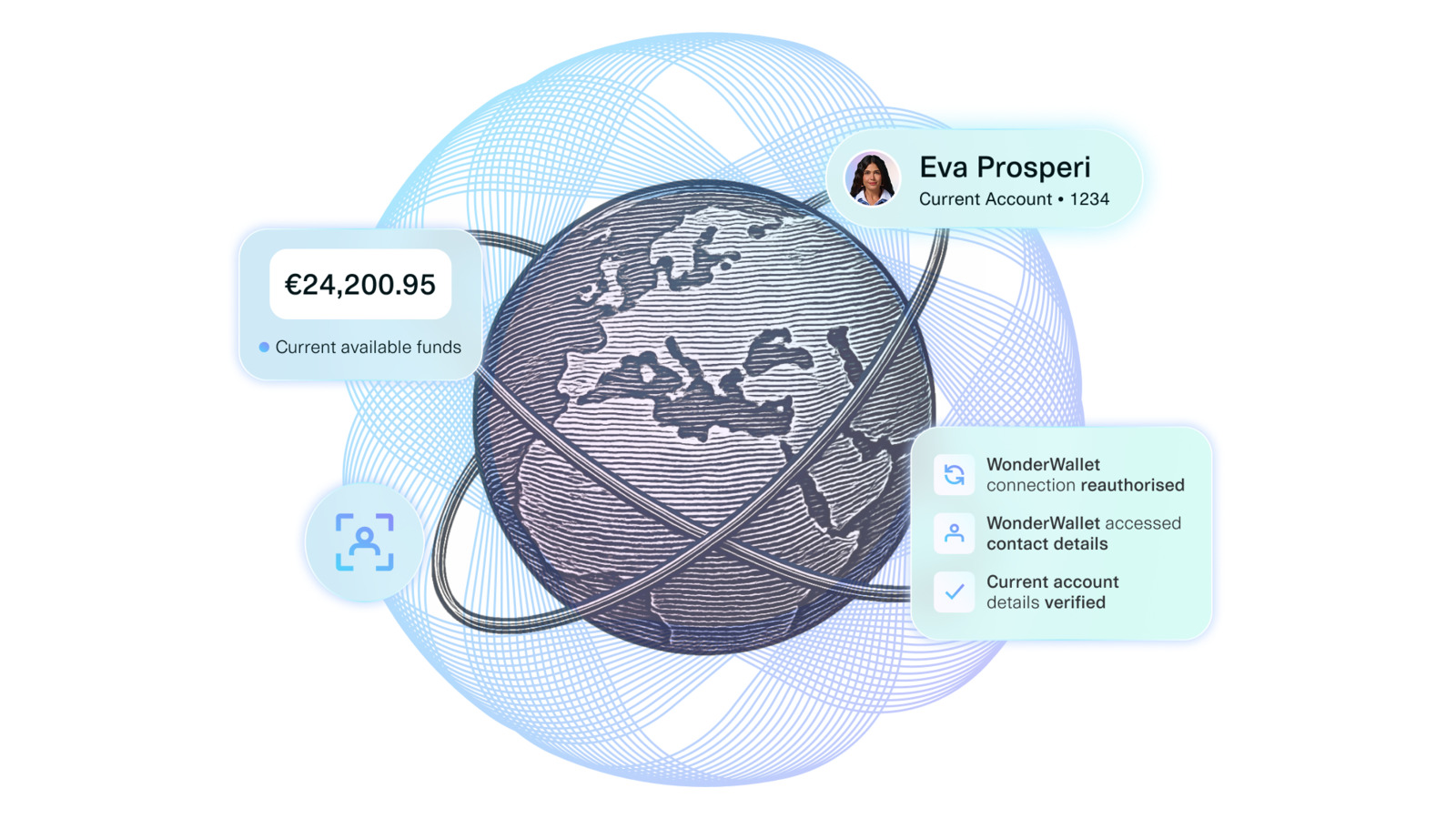
Strip away the framing and the mechanics are simple. You open Finances from the ChatGPT sidebar, or type “@Finances, connect my accounts”, and Plaid brokers a connection to your bank, card issuer or brokerage. ChatGPT then builds a dashboard of spending, subscriptions, upcoming payments and portfolio performance, and answers questions against that live data instead of generic budgeting platitudes. This is the same plumbing fintech apps have used for years — OpenAI’s contribution is putting a capable model on top of it. It is the logical extension of the agentic push we covered when GPT-5.5 reframed ChatGPT around doing things rather than answering them.
The guardrails are better than the headlines suggest. Access is read-only: ChatGPT can see balances, transactions, investments and liabilities, but it cannot see full account numbers and it cannot move a penny. Disconnect a service in Settings and the synced data is purged within 30 days. OpenAI also says private chats do not draw on connected financial data, and there are controls to keep finance information out of ChatGPT’s long-term memory. For a company that has spent a year answering security questions — see our piece on the ChatGPT Mac app security update — this is a deliberately conservative first move.

Why the ChatGPT personal finance launch leaves the UK out
Here is the part British readers should sit with. The preview is United States only, limited to OpenAI’s top consumer tier, with ChatGPT Plus support promised later and Intuit support flagged as coming soon. None of it is available in the UK. And the irony is sharp: the account-linking that Plaid provides in America is precisely what the UK standardised years ago through FCA-regulated Open Banking. Britain built the regulated rails first; OpenAI is now bolting an AI onto the American equivalent and calling it new.
That regulatory gap is exactly why the UK launch will be slower and should be. Connecting an account is trivial; what an AI is allowed to say about your money is not. Anything resembling guidance on investments or debt runs into the FCA’s financial-promotions regime, and feeding a full transaction history into a model engages UK GDPR in ways a US preview can sidestep. When this reaches Britain it will arrive wrapped in disclaimers — and that is the system working, not failing.
The real ChatGPT personal finance trade-off
Convenience is not the story. Your transaction history is the single most revealing dataset you own — it exposes where you live, what you earn, your health, your habits and your weaknesses with more precision than any social feed. Handing that to a model in exchange for a tidier dashboard is a genuine trade, and it deserves a clearer answer than “trust us” about whether that data ever informs model training or product analytics beyond the immediate session.
| Aspect | What OpenAI confirmed | MTW read |
|---|---|---|
| Access level | Read-only; no fund movement | The correct, conservative call |
| Data on disconnect | Purged within 30 days | Reasonable, but not instant |
| Availability | US Pro preview only | The UK wait is regulatory, not technical |
| Coverage | 12,000+ institutions via Plaid | Breadth is not the risk; data use is |
The competitive read matters too. OpenAI is racing the same money-management ground that rivals are circling — we saw the enterprise version when Claude for Small Business shipped with QuickBooks and PayPal inside, and the assistant fight is the throughline of Gemini versus GPT-5.5. Personal finance is where AI assistants stop being toys and start being infrastructure, and whoever owns the trusted money layer owns the user.

What UK users should do about ChatGPT personal finance
Nothing yet — because you cannot, and that enforced patience is useful. Watch three things before the feature crosses the Atlantic. First, the data-use language: a UK launch must state plainly whether connected financial data is ever used for training or analytics, not merely whether it appears in chat. Second, the FCA posture: expect heavy guardrails around anything that reads as investment or debt advice, and treat their absence as a red flag. Third, the deletion guarantee: 30 days is acceptable for a preview, but a mature product handling UK bank data should do better and say so.
The utility here is real. An assistant that can actually see your subscriptions and spending will beat a manual budgeting spreadsheet for most people, and the read-only design shows OpenAI has learned from a bruising year of trust questions. But ChatGPT personal finance is not a toy you should rush into the moment it lands in Britain. It is a data relationship, and the right move is to read the UK terms carefully before you connect a single account.

MTW verdict
ChatGPT personal finance is the most useful and the most sensitive feature OpenAI has shipped to consumers, and the read-only, 30-day-deletion design is the right starting point. But the US-only preview hides the hard part: UK users should wait for FCA-shaped terms and an unambiguous statement on training use before handing ChatGPT their transaction history. Brilliant utility, real risk — read the small print first.
Buyer action
Where to buy or check next
Use this as the final check before ordering a phone, changing network or trusting a headline monthly price.














Reader discussion
Leave a comment
Comments are moderated. Keep it useful, accurate, and on topic.