The number that reframes 3D printing in 2026 is £239. That is what Bambu Lab now asks for the A1 Mini on its UK store — and it is the machine the popular roundups, including 3D Printer Advice’s UK buyer’s guide (prices checked June 2026), keep crowning as the best all-round FDM printer you can buy. Not the cheapest. The best. That distinction matters, because the old assumption — that a printer good enough to live on your desk and actually get used cost four figures — quietly stopped being true.
I want to walk this the way I’d walk it for a friend who asked me where to start and where it ends: from a first filament machine you won’t outgrow in a month, up to a prosumer resin printer that earns its bench space. One caveat I’ll be honest about up front — some of the headline prices floating around the guides are optimistic, and I’ll flag where the real UK figure is higher than the number you’ll see quoted.
| Printer | Type | UK price | Best for |
|---|---|---|---|
| Bambu Lab A1 Mini | FDM, open frame | £239 | Your first printer; multi-colour with the AMS Lite |
| Creality Ender 3 V3 SE | FDM, open frame | £149 | Learning the mechanics; a taller 220×220×250mm plate |
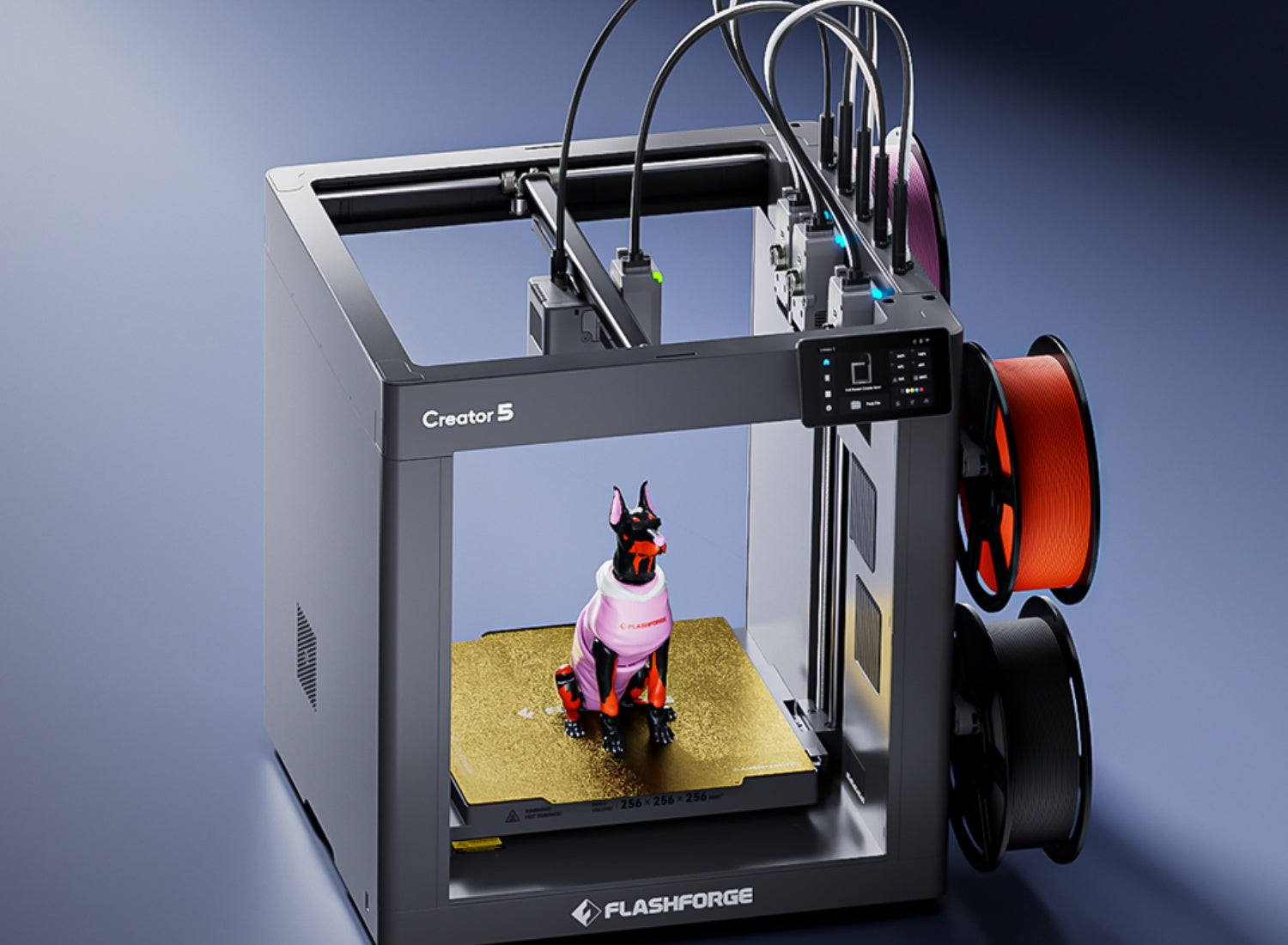
| Flashforge Adventurer 5M | FDM, enclosed | ~£259 (UK listing unverified) | ABS/ASA engineering filaments |
| Bambu Lab P1S Combo | FDM, enclosed | £999 | Selling prints; reliability as the whole job |
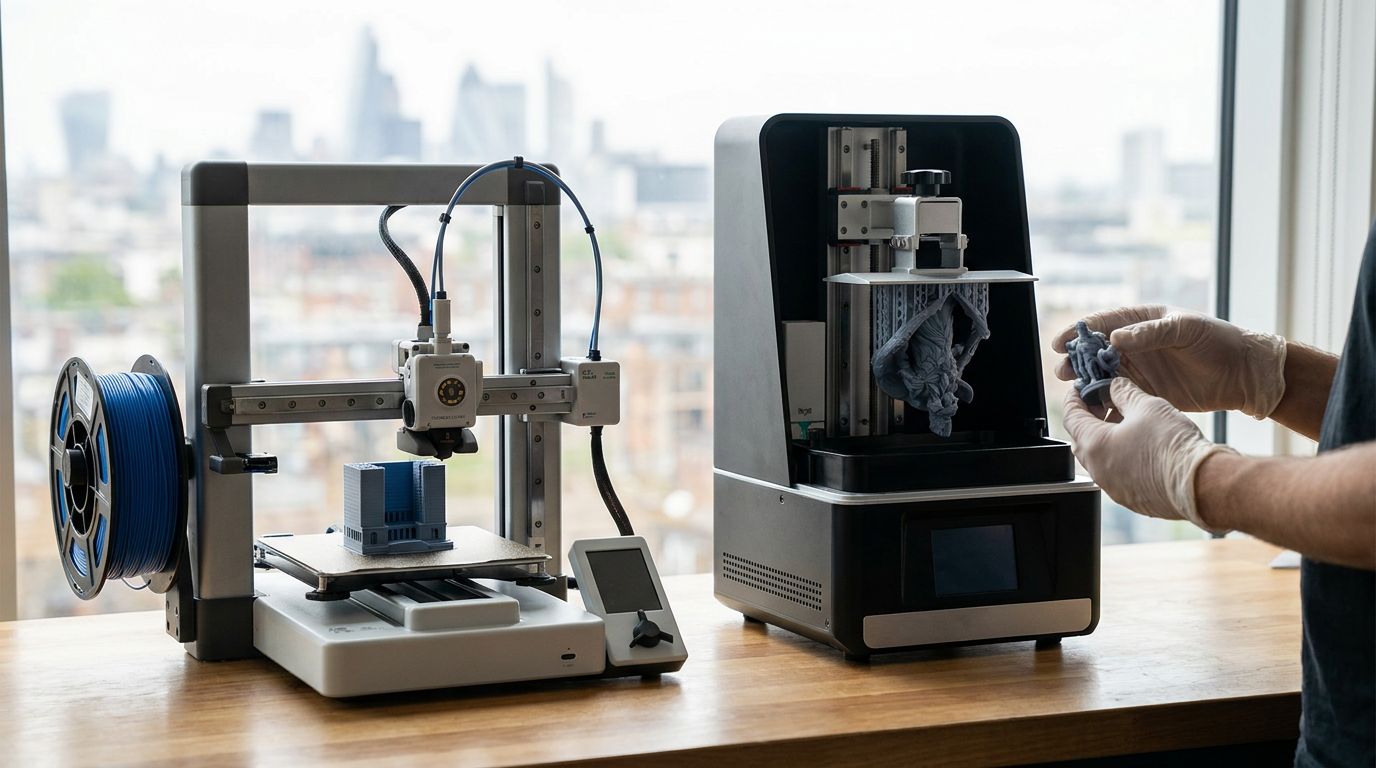
| Elegoo Mars 4 Ultra | Resin (LCD) | sub-£250 (Saturn 3 Ultra ~£349) | Fine detail: miniatures, jewellery, dental masters |
The one I’d actually start with: Bambu Lab A1 Mini (Best 3D printer)
If you want a single recommendation and no further reading, this is it. The A1 Mini does the boring-but-decisive things automatically: it auto-calibrates, runs up to 500mm/s, and gives you a 180x180x180mm build volume that is smaller than the spec-sheet warriors will tell you to want — and bigger than most people ever actually use. Add the AMS Lite and you get multi-colour printing, which is the feature that turns a printer from a novelty into something the household keeps coming back to.
What sells me on it isn’t the speed figure. It’s that the A1 Mini removes the failure points that make beginners quit. 3D Printer Advice’s head-to-head against the Ender 3 line lands on the same conclusion: the Bambu just works, and “just works” is worth paying for. At £239 it isn’t a budget pick — it’s the sensible one.
The right first printer isn’t the one with the biggest build plate or the lowest price. It’s the one you’ll still be using in six months because it never made you feel stupid.
The deliberate entry point: Creality Ender 3 V3 SE
There is still a case for the Ender 3 V3 SE, and it’s a specific one. JustBuyNow lists it as a runner-up at £149, and it brings things the old Enders never did out of the box: auto bed levelling, a direct-drive extruder, and a genuinely useful 220x220x250mm build volume — taller than the A1 Mini’s.
I’d point someone here for one reason only: if you actively want to learn the mechanics — tinkering, tuning, understanding why a print failed — the Ender rewards that curiosity in a way the Bambu’s sealed-box competence does not. If you want a tool rather than a hobby, spend the extra ninety pounds on the A1 Mini and never think about bed levelling again. Pick the Ender because you’re interested in the machine, not because you’re saving money.
Going enclosed: the mid-range FDM question
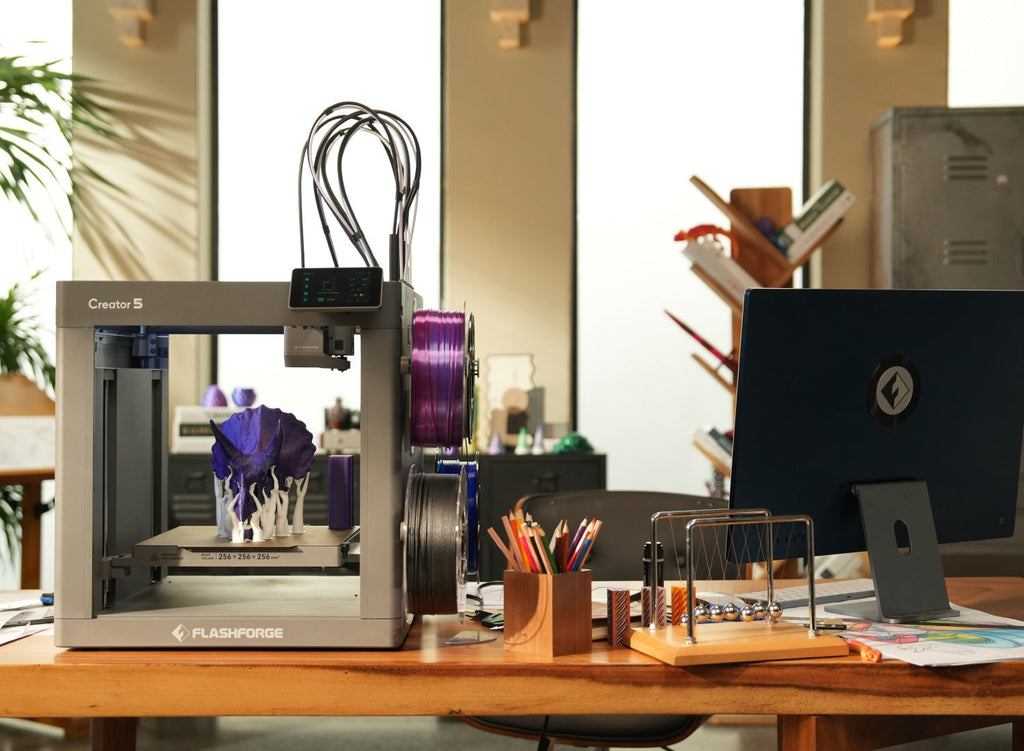
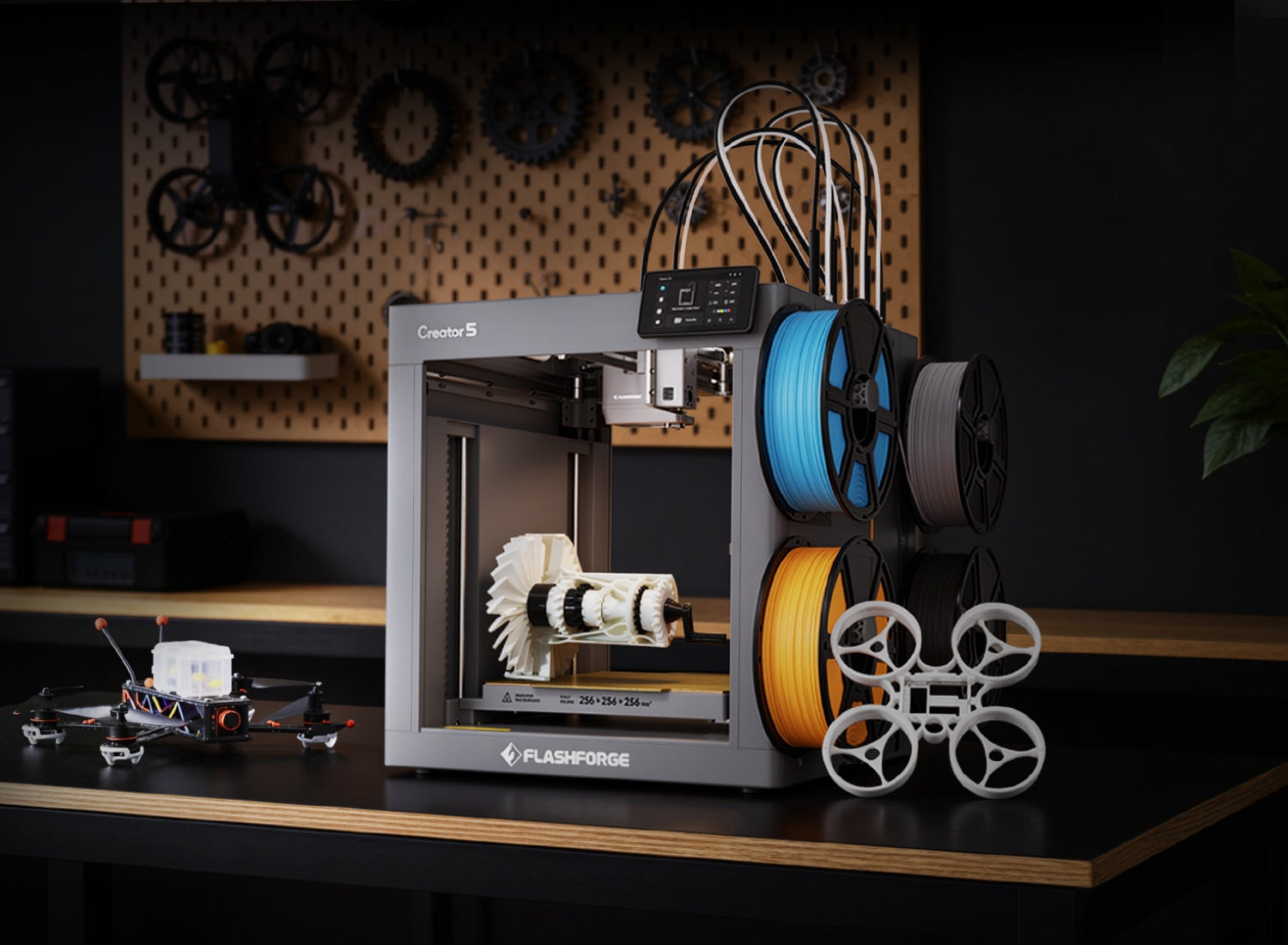
This is where I’d urge caution, because it’s where the published guides get shakiest. The Flashforge Adventurer 5M gets named as the enclosed mid-range pick — enclosed chamber, 220x220x220mm volume, a quoted 600mm/s top speed — at “around £259.” I couldn’t verify that UK figure against a first-party listing, and comparable enclosed machines sit closer to £229 in the same roundups. Treat the exact number as a moving target until you see it on the retailer’s own page.
The reason to step up to an enclosed printer is not speed — it’s materials. A sealed chamber holds heat, and heat is what lets you print ABS, ASA and other engineering filaments without the corners lifting off the plate. If you only ever print PLA, an enclosure is a comfort feature. If you want parts that survive a hot car or an outdoor mount, it’s the whole point. Buy this tier for what it lets you print, not for the headline mm/s.
Prosumer FDM: Bambu Lab P1S — and a price correction
Here’s where I have to override the cheerier numbers doing the rounds. The popular guides frame a top-tier “budget isn’t an issue” FDM pick at around £700, near a press-print-and-walk-away experience. In the UK, the printer that actually delivers that is the Bambu Lab P1S, and the real number is £999 for the P1S Combo on JustBuyNow, not £700. The £700-ish figure almost certainly refers to the open-frame P1P, which is a different machine.
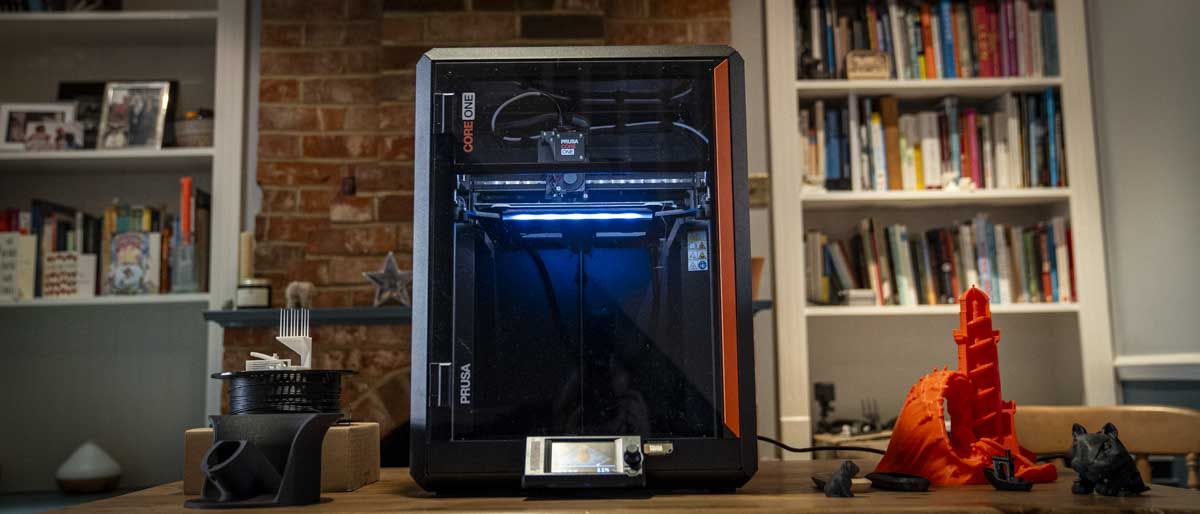
What the extra money buys is an enclosed, auto-calibrating printer with full AMS multi-colour and the heat tolerance to run the engineering filaments the mid-range machines only flirt with. This is the one I’d recommend to someone selling prints, prototyping for a small business, or running a machine hard enough that reliability is the entire value proposition. A thousand pounds is a real commitment — but if the printer is a tool that pays for itself, the P1S is where I’d stop agonising and buy.
Stepping into resin: Elegoo Mars 4 Ultra
Resin is a different discipline, and I’d only send someone here once they know they need the detail — miniatures, dental-grade models, jewellery masters, anything where FDM’s layer lines won’t do. 3D Printer Advice’s resin guide points to the Elegoo Mars 4 Ultra as the standout, with the larger Saturn 3 Ultra a solid step up at around £349.
The thing the price tag hides is the cost of ownership. Resin printing means gloves, an FEP-lined vat, isopropyl alcohol for washing, a UV station for curing, and ventilation you don’t get to skip. The printer is the cheap part. I’d tell anyone tempted by the detail to budget for the whole workflow before they fall in love with the sample prints — because a sub-£250 resin printer is really a £350-plus commitment once the kit is on the bench.
So where does this leave you
If you take one thing from me: don’t overbuy on day one, and don’t underbuy on competence. For the overwhelming majority of people the £239 A1 Mini is the right answer — it’s the machine that turns “I keep meaning to” into a printer you actually use. Choose the Ender only if the tinkering is the appeal. Step up to an enclosed mid-ranger when your filament ambitions outgrow PLA, and to the £999 P1S when reliability stops being a nicety and becomes the job. Save resin for when nothing else will give you the detail — and walk in knowing the printer is the smallest line on the invoice.
What would change my mind on any of this is price drift: these figures move, and the enclosed mid-range tier in particular is worth checking on the retailer’s own page before you commit. But the headline holds. The best FDM printer in Britain right now costs £239, and the only people who should spend more are the ones who know exactly why they’re doing it.
How we pick
Buyer action
Where to buy or check next
Use this as the final check before ordering a phone, changing network or trusting a headline monthly price.



Reader discussion
Leave a comment
Comments are moderated. Keep it useful, accurate, and on topic.