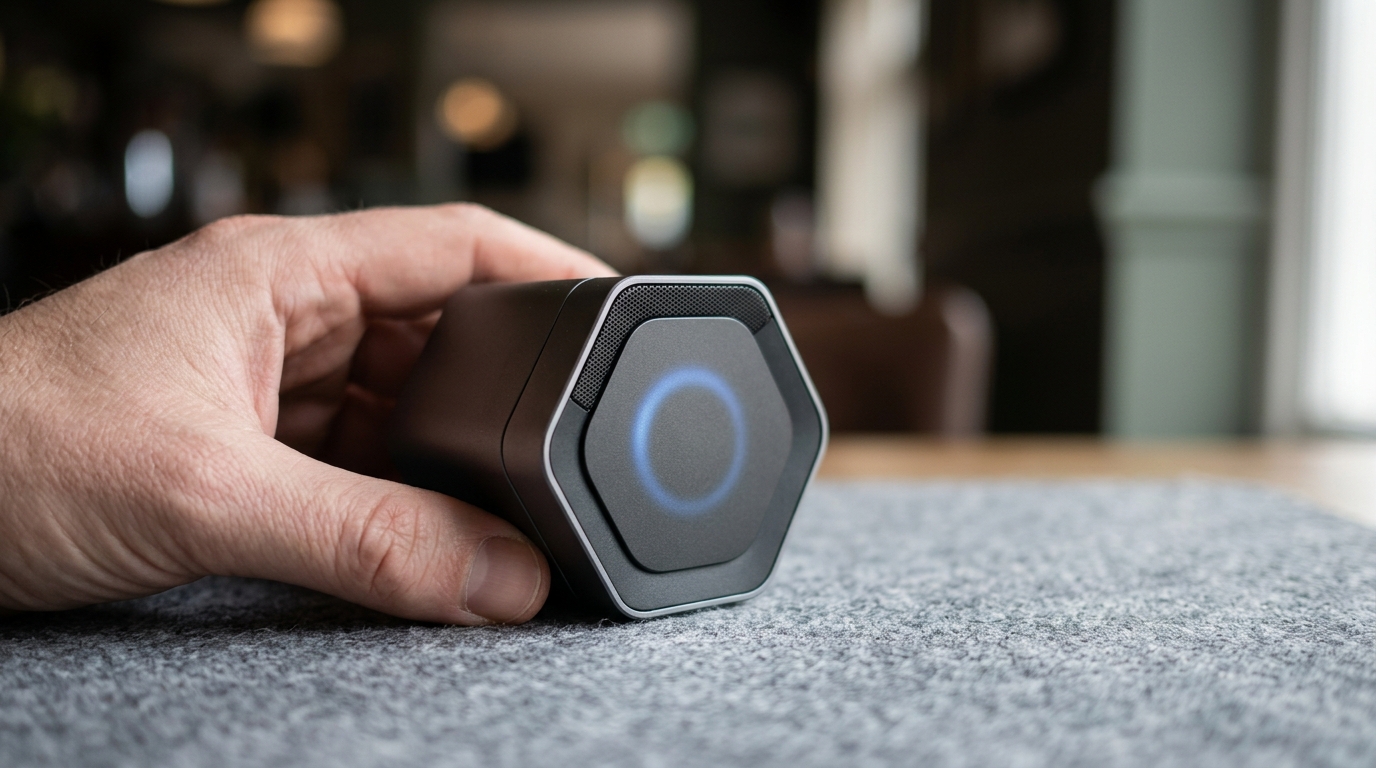
AI agents replacing phones is the May 3 conversation that has finally jumped from a Sam Altman tweet to a serious industry debate. 9to5Google’s Ben Schoon argued in a Sunday editorial that AI agents have a place inside the phone, not above it, and the line he draws is the one tech press should have drawn months ago.
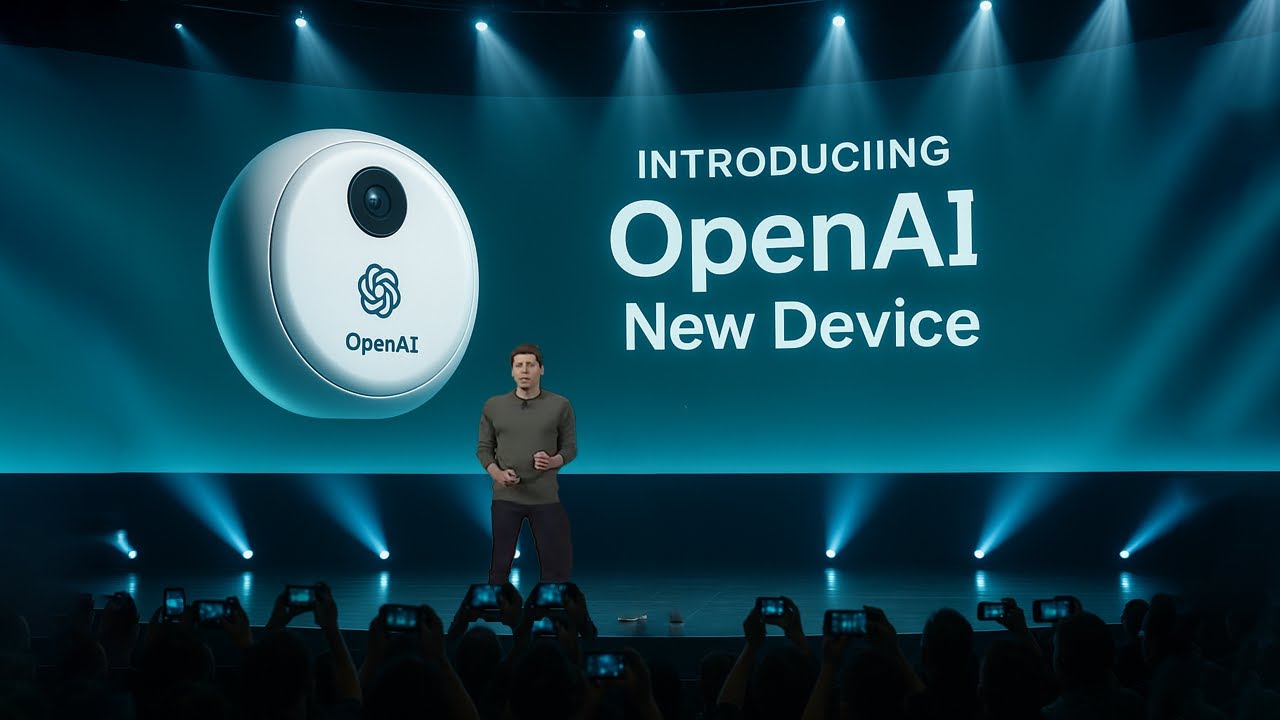
- Reports from April 27 onward have OpenAI working on a screenless AI device with Jony Ive’s team, with Luxshare manufacturing and MediaTek and Qualcomm chips.
- OpenAI’s chief global affairs officer Chris Lehane has said a first hardware announcement is targeted for the second half of 2026, with launch around early 2027 and mass production in 2028.
- Google’s own framing for the Gemini app on May 3 still treats Gemini as a hub inside a phone, not a phone replacement.
- OpenAI’s £5 (about $6.5) billion acquisition of Jony Ive’s io was finalised in 2025; the company calls the device “a new product category”, not a smartphone replacement.
Why AI agents replacing phones is the wrong pitch
The pitch goes like this. Apps are friction. Tap, scroll, search, tap again. Why not have an agent take a goal – “book a table for four at 7pm tomorrow near the office” – and execute it without you opening anything? In a marketing keynote it sounds clean. In a real day, AI agents replacing phones runs into a stack of objections most agent demos quietly skip: choice, context, accountability and trust. Schoon’s piece walks through those calmly and reaches the same conclusion most actual users do once the novelty fades.
Choice is the obvious one. A phone is full of small preferences. Which playlist starts. Which map app gives directions. Which seat I want on the flight. AI agents replacing phones means handing those off to a model that optimises for “best” by some opaque definition, often the one that pays its provider the most. Schoon’s example – services prioritising “what works best for the AI agent” rather than the user – is exactly the failure mode that Open Banking nearly hit before regulators put choice architecture back in.
AI agents replacing phones runs into the trust wall
The deeper problem is trust, and it is not new. Phones became dominant in part because they are physical evidence of a decision. You can see what you tapped, you can read what you sent, you can scroll back through a chat to check what was promised. AI agents replacing phones collapses that audit trail into “the agent did it for you”, which is a step backwards on the one thing consumers got right about smartphones – the receipt. The accountability problem only gets sharper when an agent is acting on your behalf with your bank, your GP and your inbox.

The other half of the trust wall is who pays. The phone is a consumer product with a relatively clean business model: you pay for the hardware, the carrier and the apps. AI agents replacing phones flips that into something murkier – the agent acts as your shopper, your scheduler, your travel agent, and somewhere upstream it is negotiating. That is the same dynamic we flagged in our Anthropic-AWS analysis: when the underlying infrastructure has a commercial preference, the user-facing surface inherits it whether the brand admits it or not.
AI agents replacing phones vs AI agents inside phones
| Capability | AI agents replacing phones (OpenAI-style pitch) | AI agents inside phones (Google / Apple pitch) |
|---|---|---|
| Primary interface | Voice/ambient device, no app shelf | Existing phone, agent inside the OS |
| App choice | Agent picks the “best” service | User keeps app shelf and defaults |
| Accountability | Action log inside agent | Receipts in each app you already trust |
| Failure mode | Quiet wrong outcome, low transparency | Visible failure inside an app |
| Realistic 2026 ship date | Late 2026 announce, 2027 launch, 2028 volume | Already shipping on iOS and Android in 2026 |
That table is the honest comparison. The agent-inside-phone version is shipping now. It is messy, it sometimes invents flight times, it occasionally books the wrong meeting, but it does so on top of an interface you can audit in three taps. The AI agents replacing phones version is mostly a press cycle plus a 2028 production timeline. Schoon’s framing – “I only view them as a part, not the whole experience” – is the right calibration for everyone except the small audience that genuinely wants a screenless device and is happy to pre-order a 2027 launch.
What UK readers should make of AI agents replacing phones
If you are buying a phone in 2026, ignore the AI agents replacing phones narrative entirely. The two operating systems you actually live in have already chosen a path that keeps the phone primary. Apple is building Apple Intelligence and Visual Intelligence into iOS rather than designing them out, and Google is leaning into Gemini Intelligence as a layer inside Android rather than a successor to it. Both bets are sensible and both are visible in the products you can buy this month, including the iPhone 17 Pro and Pixel 10 Pro.
What you should track is the framing. If a product page tells you the agent will “handle everything”, read the small print. If a service quietly removes its API or stops exposing user-readable receipts because it has been “optimised for agent use”, that is the failure mode Schoon flagged, and it should be treated as a downgrade rather than a feature. The same logic applies to OpenAI’s Realtime API voice work and to Cloudflare’s Agents Week pitch – agents are a layer, not a replacement, and the parts of the stack that get rebuilt for “agent-first” need to remain inspectable by humans first.
The most honest read on AI agents replacing phones is that the narrative serves a specific commercial interest. OpenAI needs a story for its hardware bet, and “the smartphone is over” is the easiest pitch deck. The tech press should be more sceptical than it has been. Phones won the last fifteen years not because they were elegant – they were not – but because they put accountability in the user’s hand. Until an agent matches that, the phone wins. That is also the line drawn implicitly by the Gemini app redesign on May 3: more surface area for Gemini, but inside the phone, not around it.
MTW verdict
AI agents replacing phones is the wrong product brief. Agents inside phones is the right one. Buy a phone you can audit, ignore the screenless future hype, and treat any service that downgrades human-readable interfaces “for the agent” as a regression rather than progress.
MMTW Editorial
Buyer action
Where to buy or check next
Use this as the final check before ordering a phone, changing network or trusting a headline monthly price.













Reader discussion
Leave a comment
Comments are moderated. Keep it useful, accurate, and on topic.