
Walk into any UK phone shop this year and the wattage figures on the display cards read like horsepower on a supercar forecourt. 80W. 100W. 120W on some imports. Numbers that, not so long ago, belonged to laptops rather than something you slide into a coat pocket. The pitch never changes: dead to usable in the time it takes to shower. What nobody prints on the box is the question I get asked more than almost any other — is all that speed quietly cooking the battery I am meant to keep for three or four years?
The honest place to start is the rulebook. Since the EU and UK USB-C mandate came into force in December 2024 — the change the BBC covered as the day the proprietary charger finally died — every new phone sold here fast-charges over the same USB-C Power Delivery standard. That single decision, written into EU Directive 2022/2380, is why the wattage race even matters to you: the connector is settled, so the marketing war has moved entirely to how fast the current flows through it.
The wattage on the box isn’t the current in the wire
Here is the first thing the number games hide. A phone quoting a huge peak figure only draws that peak for a narrow window — usually when the battery is nearly flat. Watch the charge curve on any modern handset and you see two distinct phases. The first is constant-current: the controller slams in power from, say, 5% into the 50s, and this is where the headline wattage lives. The second is constant-voltage: as the cell approaches full, the current tapers hard, and the last 20% crawls in far more gently than the first 20% ever did. The three-figure number describes the sprint. The part that actually protects the battery is how sensibly the phone eases off for the rest of the run.
So when a spec sheet shouts 100W, it is describing a best-case dash held for a couple of minutes on a near-empty pack, not a constant firehose pinned against the cell for half an hour. That distinction is everything, because the damage story people worry about depends almost entirely on what happens during the taper — and on one variable the marketing never mentions.
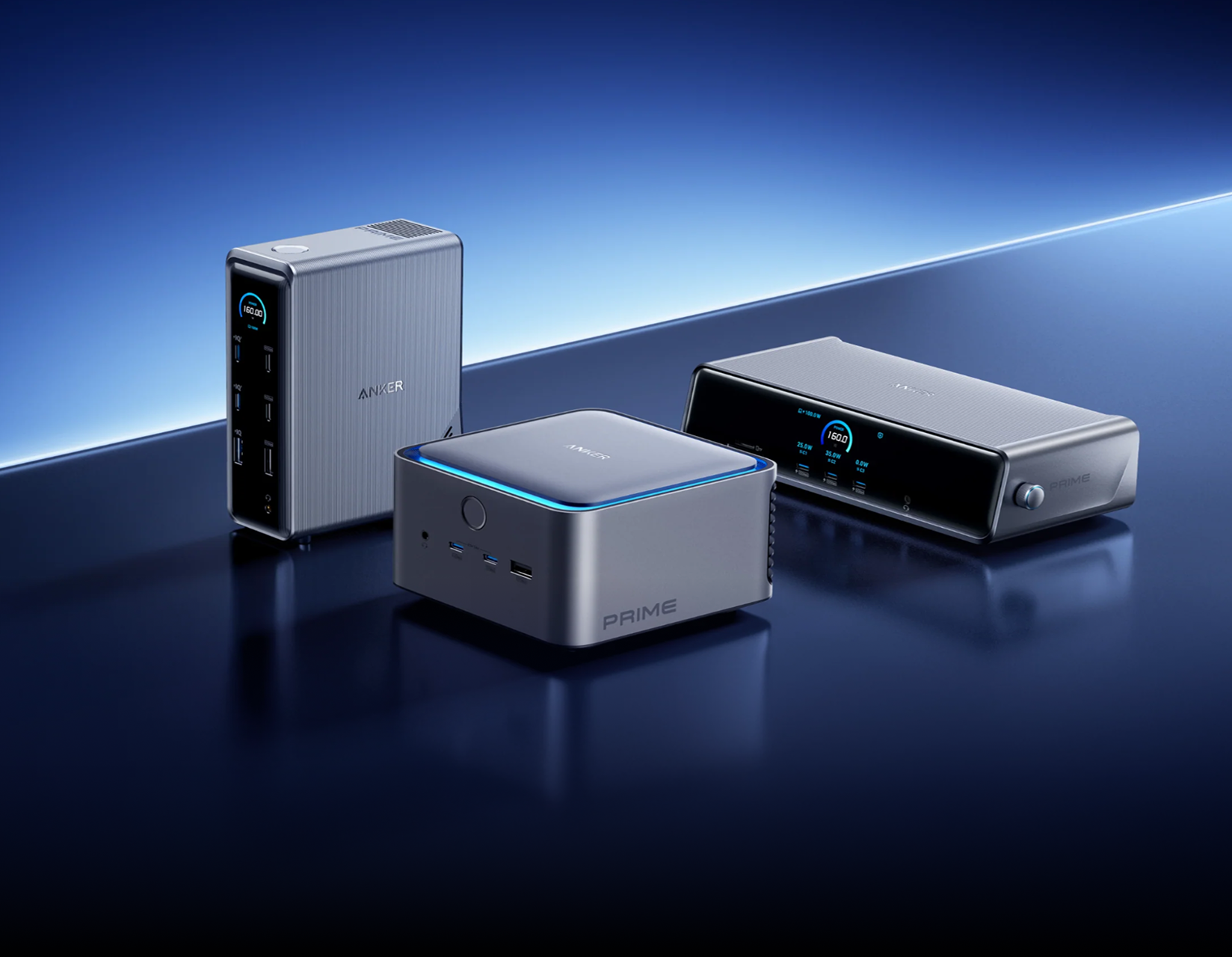
Heat is the thing that actually ages a cell
Lithium-ion chemistry has one enduring enemy, and it isn’t watts — it’s heat. Every fast charge generates some, and sustained high temperature is what genuinely shortens a battery’s usable life over years. A typical phone cell is rated to hold roughly 80% of its original capacity after somewhere between 500 and 800 full charge cycles, and it is heat, far more than speed, that decides whether you land at the good end of that range or the bad one. It matters enough that the EU Battery Regulation now on the statute book pushes the market toward user-replaceable packs and published durability ratings from 2027 — a signal that longevity, not peak wattage, is where the rules are heading.
This is exactly why the better phones now split the pack into two half-capacity cells charged in parallel: each does less work, so each runs cooler, and the phone can post a big wattage figure without roasting a single cell. It is thermal engineering dressed up as a spec-sheet flex, and it is the real reason a device like the 7,300mAh OnePlus 15 can advertise silly charging speeds without frying itself. Watts get the billing; the cooling does the work.
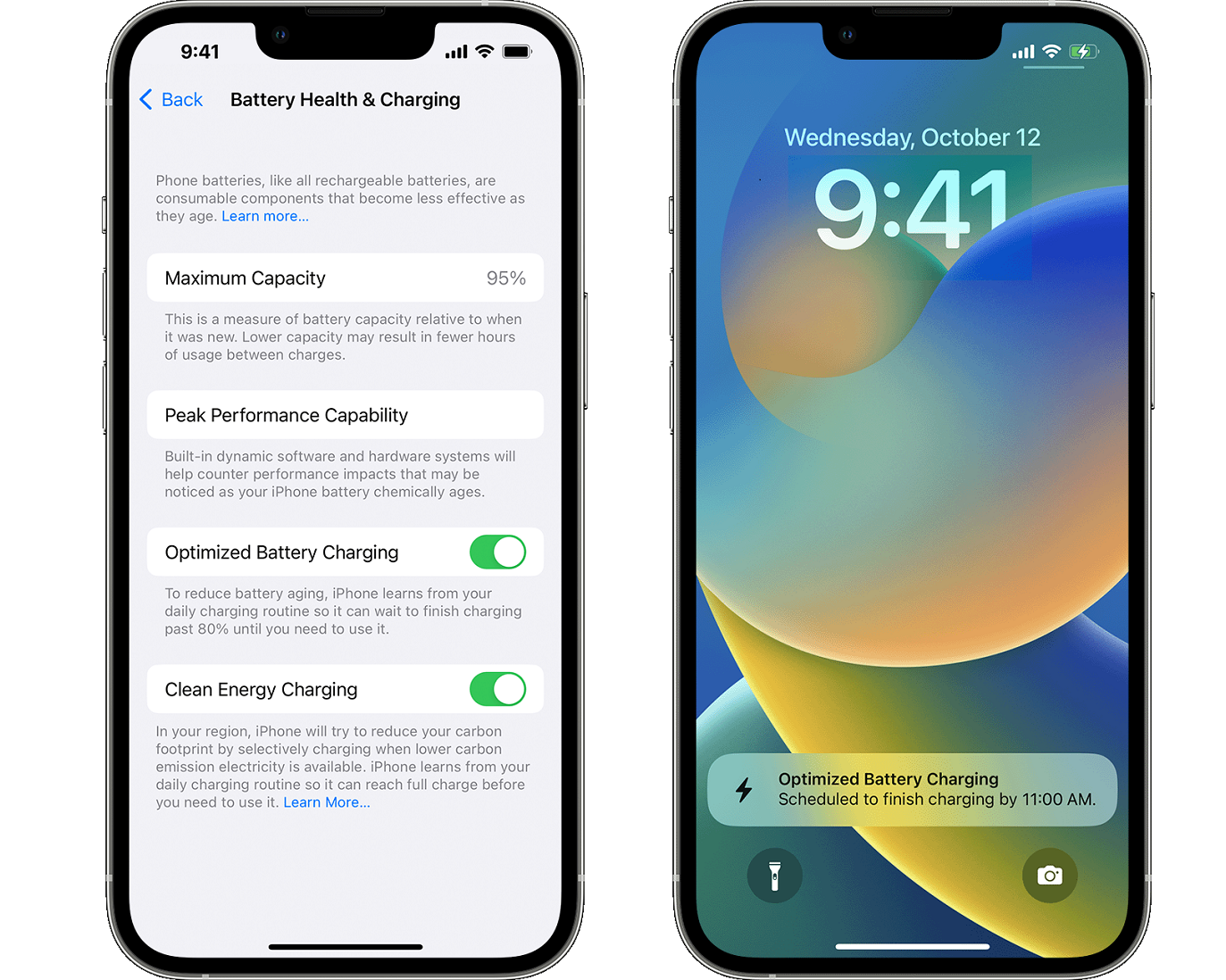
It is also why “optimised” or “adaptive” charging exists. On an iPhone it is called Optimised Battery Charging; on a Pixel and most Android phones it is Adaptive Charging. Both do the same clever thing — they learn your alarm, charge to about 80% overnight and hold it there, then top up to 100% just before you wake, rather than sitting the battery at a hot, full charge for eight hours. Used properly, that one setting does more for long-term battery health than any decision about wattage you will ever make. Leave it on. I do, on every phone I keep past a year.
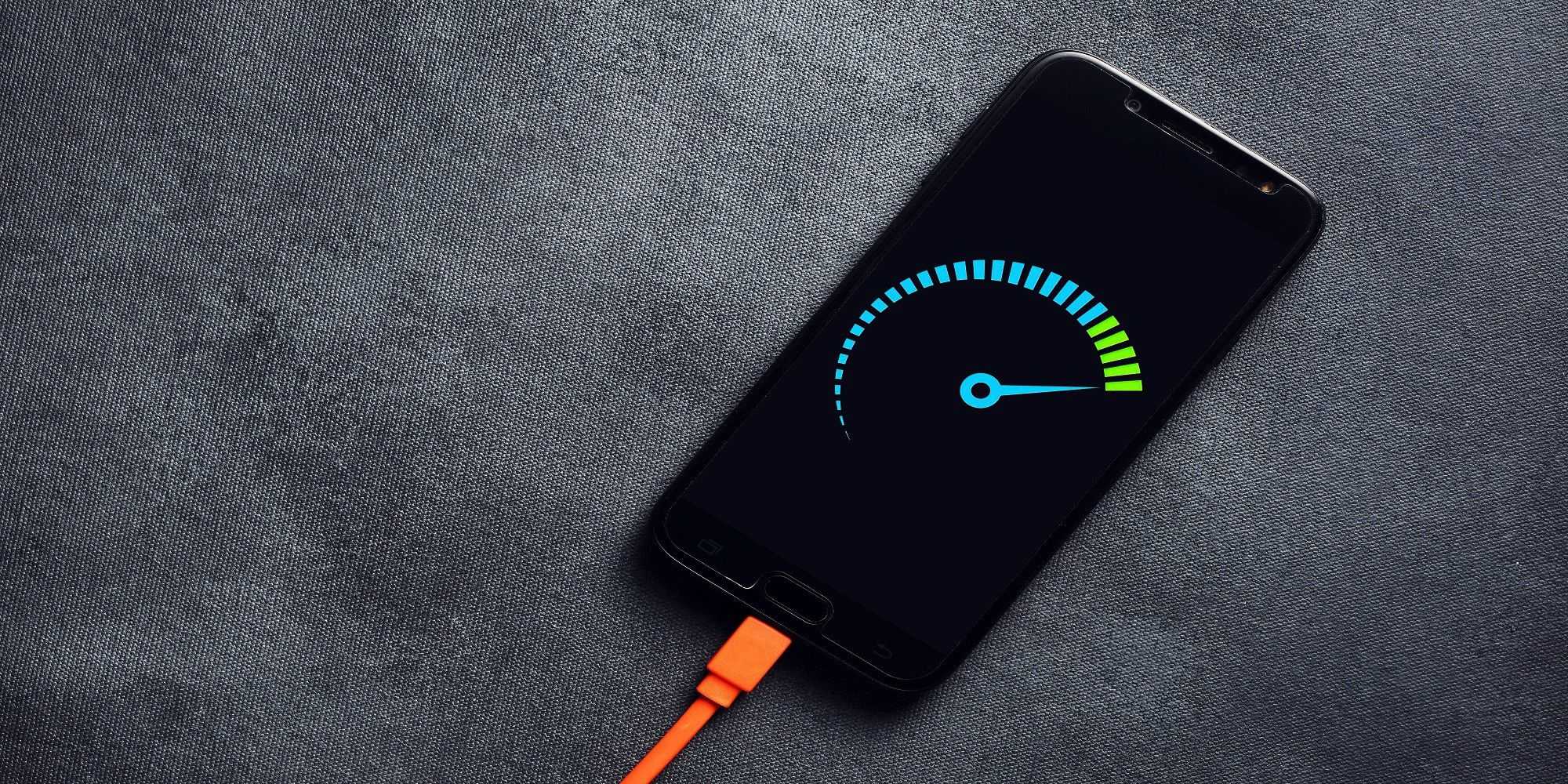
A battery doesn’t die from one fast charge. It dies from a thousand warm nights on a charger that never lets it cool.
That is the real mechanism, and it reframes the whole question. The arms race isn’t the threat. A hot phone left to marinate at full charge, on a stifling car dashboard or buried under a pillow, is.
What the mandate actually standardised
The USB-C rule did more than kill the odd-shaped cable. It pushed the whole market onto USB-C Power Delivery, the same protocol now charging a growing share of laptops — one reason the line between a phone brick and a laptop brick is blurring fast. If you have looked at how a machine like the Framework Laptop 16 handles power, you have already met the standard your next phone uses.
There is a catch worth knowing before you buy anything. To hit the very top charging speeds you need a cable rated for the higher current — a 5A cable carries an e-marker chip that tells the charger it can safely handle the load. Pair a top-tier phone with a thin, unmarked cable and it will simply charge slower and, frankly, that is the system protecting you. It is also why some brands still ship proprietary speeds above the USB-PD baseline: a phone rated for 80W or 100W over its own protocol often falls back to a standards-safe 25–45W on a generic charger. Buy the phone you actually want to keep — whether that is an iPhone or one of the premium Android alternatives — and match it with a proper cable, rather than trusting whatever was rattling around a drawer and then wondering why the fast charging isn’t fast.
The bricks doing the heavy lifting
The reason a 100W charger no longer needs to be the size of a paperback is gallium nitride. GaN switches more efficiently than old silicon, so the brick runs cooler and shrinks dramatically — which is how the compact high-power chargers on sites like Anker UK can push serious wattage from something barely larger than the old 20W plug. One good GaN brick will now top up your phone, an earbuds case — the ones I rate in my premium wireless earbuds guide all charge over USB-C — and, at the top end, a laptop, from a single travel-friendly plug. For most people a single well-chosen 65W–100W GaN charger quietly retires a drawer full of wall-warts.
This is also where I get firm about spending. The genuine safety risk in fast charging has never really been the phone; it is the anonymous, uncertified brick bought for the price of a coffee off a marketplace listing. Buy from a name you recognise, insist on UKCA or CE marking — the mark that says it has actually been tested to the standards Trading Standards can enforce — and treat the charger as the long-lived part of the setup. It will outlast several phones. A premium phone deserves a premium plug, and that is not snobbery, it is thermal common sense: a well-built charger delivers cleaner, cooler, better-regulated power, and cool is the whole game.
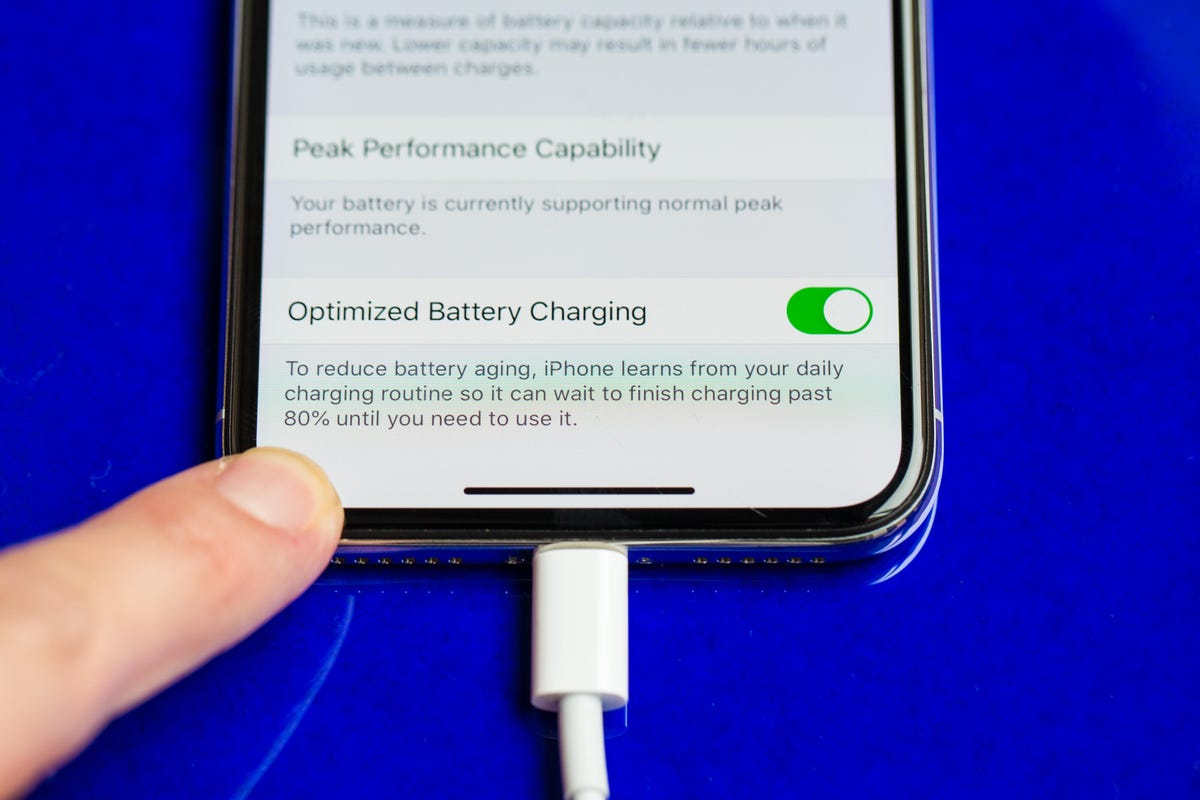
Fast is fine — hot is not
So here is my flag in the ground: for a reputable phone paired with a reputable charger, fast charging in 2026 will not meaningfully wreck your battery over a normal three-to-four-year life. The scare story is a decade out of date. Makers have engineered around the peak-wattage problem so thoroughly — split cells, aggressive tapering, optimised overnight charging — that the number on the box is now closer to theatre than threat, and the regulator is busy pushing the industry toward longevity rather than away from it.
What I would actually guard against is heat, every time. Don’t fast-charge on the parcel shelf of a hot car, don’t bury the phone under a pillow while it draws power, leave optimised charging switched on, and put your money into a UKCA-marked brick and a proper e-marked cable rather than into panicking over watts. Charge to 100% when you genuinely need a full day of range; the rest of the time, an 80% ceiling and a cool desk will do more for the pack than any spec on the box. The arms race is won in the marketing department. Your battery’s health is won on the bench — in thermal management and small habits — and that part has always been in your hands, not the manufacturer’s.
MMTW Editorial
Buyer action
Where to buy or check next
Use this as the final check before ordering a phone, changing network or trusting a headline monthly price.













Reader discussion
Leave a comment
Comments are moderated. Keep it useful, accurate, and on topic.