UPDATED · News · 16 Jun 2026 · Priya Shah
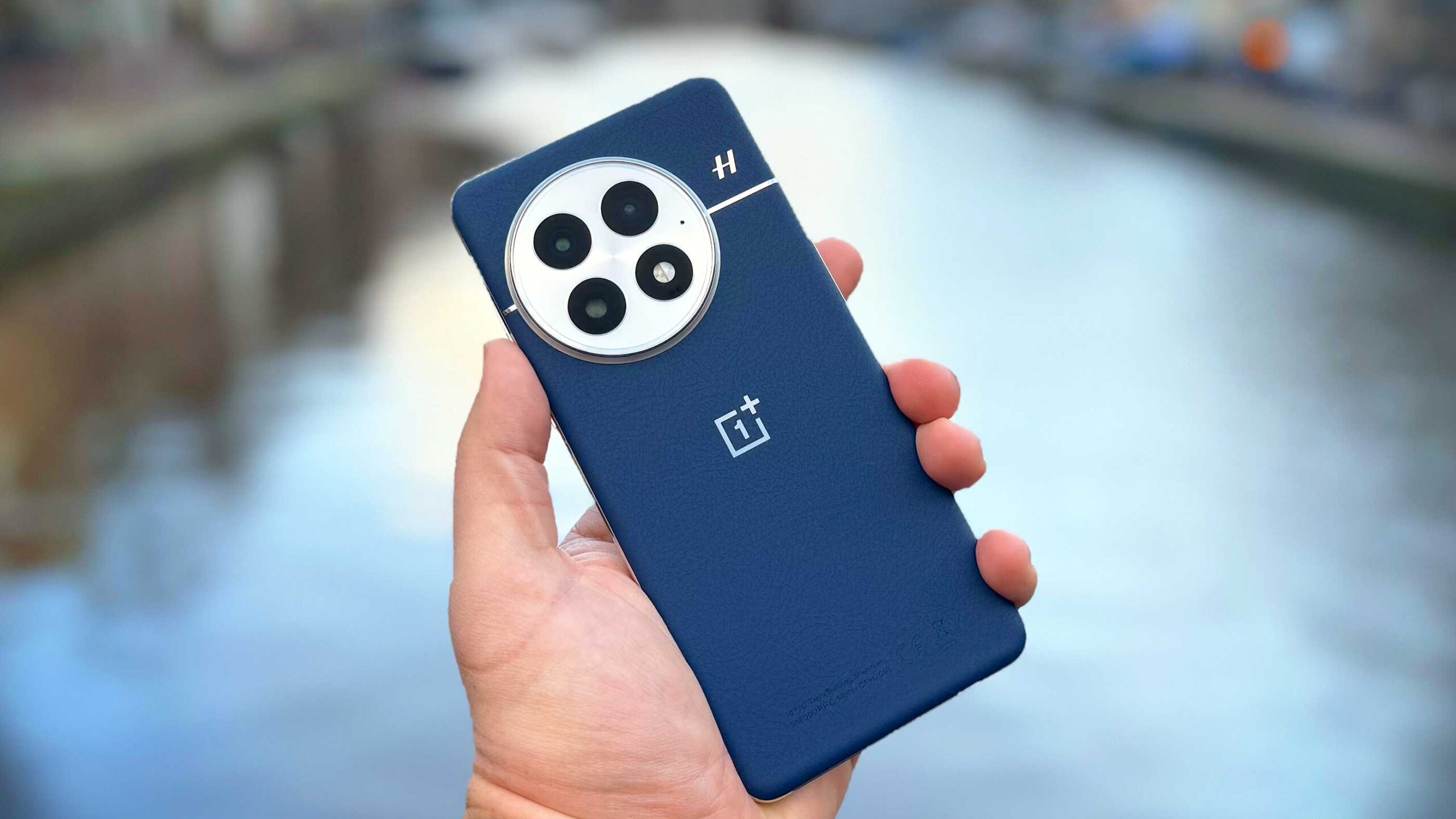
When the OnePlus 13 arrived in the UK on 7 January 2025, I filed it under “fast, expensive, and easy to forget about”. A year and a half later I keep coming back to it — not because it’s new, but because it’s the rare flagship that has aged into a genuine value pick rather than a discount-bin afterthought. So the question I want to answer here in mid-2026 is a narrow one: if you’re a UK buyer with around £800 to spend, is the OnePlus 13 still the smartphone to put your money on?
The price is the whole argument
At launch the OnePlus 13 cost £899 for 12GB/256GB and £999 for 16GB/512GB — a £50 bump over the OnePlus 12, as The Independent flagged at the time. That sounds steep until you line it up against what it was chasing. The same review pointed out that the OnePlus 13 undercut both the iPhone 16 Pro and the Galaxy S24+, each sitting at £999.
That was the pitch in January 2025: near-identical flagship hardware for £100 less than the obvious alternatives. What’s changed in 2026 is that the OnePlus 13 is no longer the new kid. It’s the previous generation now, and that’s exactly why it’s interesting — you’re getting last year’s top-tier silicon at this year’s mid-tier money. The £50 premium over the OnePlus 12 stops mattering once the whole thing has drifted down the price curve.
The hardware still doesn’t feel a year old
This is the bit that makes the value case stick. The OnePlus 13 runs the Snapdragon 8 Elite — the chipset that anchored the entire 2025 flagship class. It pairs that with a 2K 120Hz display, an IP68/IP69 rating, and 100W wired charging that Tech Advisor clocked at 0–100% in 36 minutes. None of that is embarrassing in 2026. The 8 Elite still chews through anything you throw at it, and a 36-minute full charge is still quicker than what most rivals manage today.
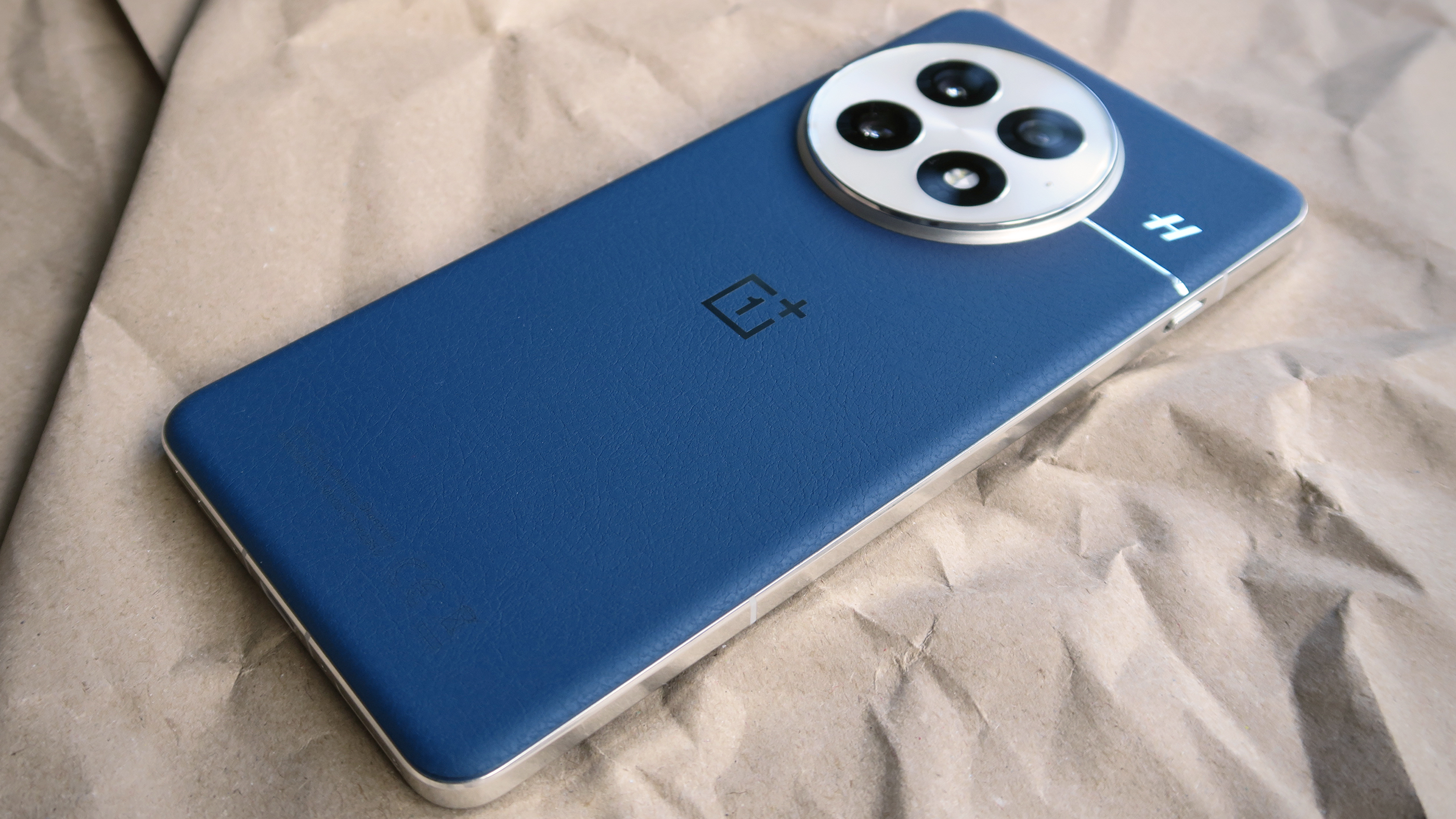
The IP69 rating is the underrated detail. Plenty of phones hit IP68; far fewer add IP69’s high-pressure, high-temperature water resistance on top. For a phone you might keep for three or four years, that kind of over-engineering is the sort of thing I’d happily pay extra for — and here you don’t have to, because it’s standard.
A year on, the picture got clearer
Reviews at launch are educated guesses about longevity. Reviews after twelve months are evidence. Android Central’s year-with-the-OnePlus-13 piece is the one I lean on now, precisely because it answers the question a launch review can’t: does it hold up? That long-term reckoning is what nudged this, for me, from “fine flagship” to “the one I’d recommend to a friend who doesn’t want to think about their phone for a few years”.
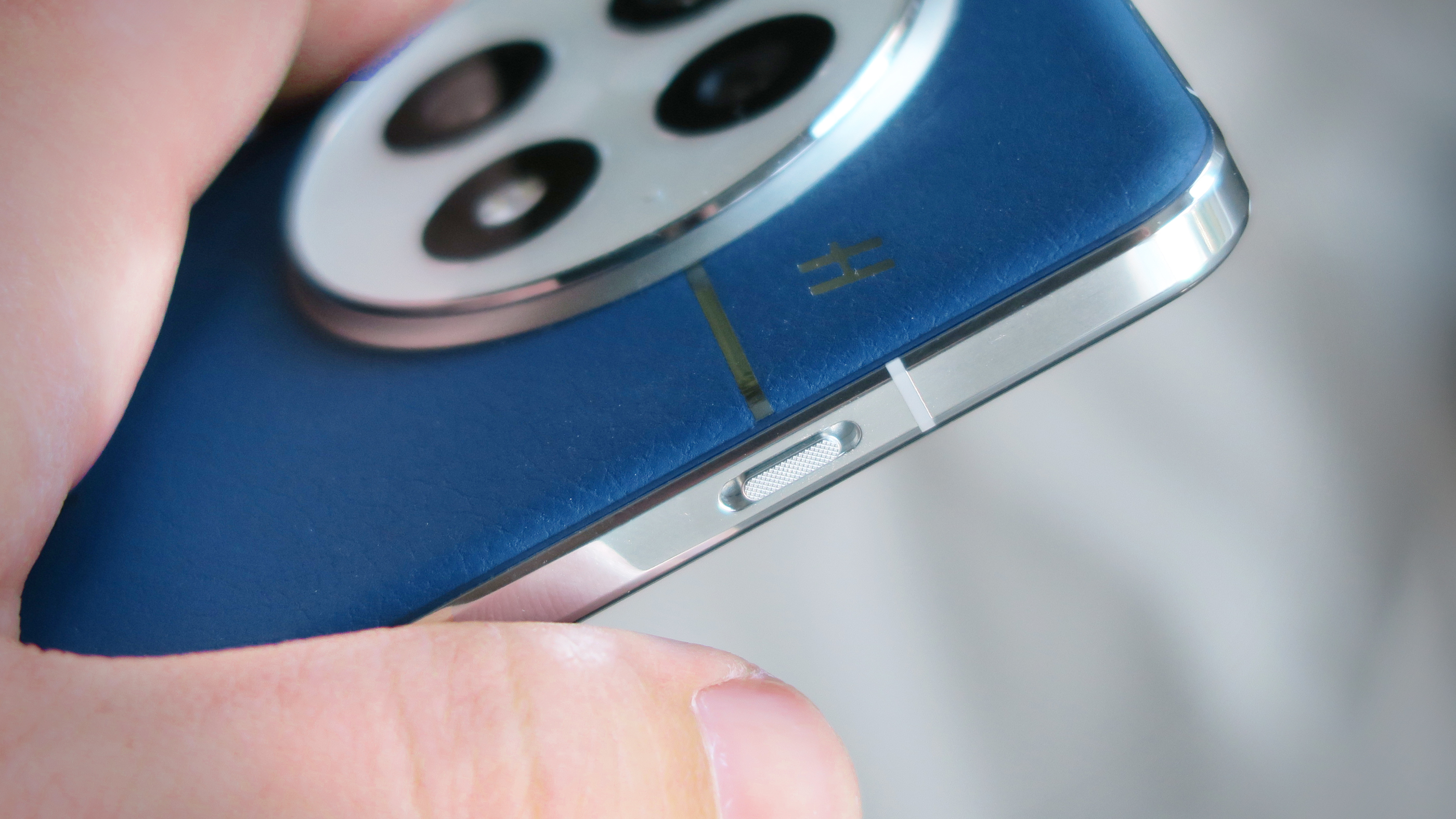
That’s the use case that matters for a value buyer. You’re not chasing the newest thing — you’re buying a known quantity that has already proven it lasts.
About those launch deals — read the date carefully
I want to be careful here, because OnePlus ran some genuinely aggressive early-buyer offers and they’re easy to misremember as permanent. In January–February 2025, Tech Advisor covered a pre-order deal of £100 off the 512GB model plus a free OnePlus Watch 2R (worth £249) or Buds Pro 3, with an extra £50 off via trade-in. That was excellent — but it was a launch-window promotion, not the price you’ll see today.
So if you’re shopping in 2026, don’t anchor to those numbers. Treat them as a sign of how OnePlus prices to shift units, and assume the current best deal will look different. Check the live price on the OnePlus UK site, and against trade-in, before you commit to anything.

Colours quietly decide your configuration
Not a dealbreaker, but worth knowing: Black Eclipse is offered across all models, while Arctic Dawn and Midnight Ocean are exclusive to the 512GB version. If you’ve set your heart on a colour other than black, that choice silently forces you up to the higher-storage, higher-price tier. Factor it in before you fall for a swatch.
Who I’d actually tell to buy it
If you want maximum performance, fast charging and serious water resistance for the least money, and you don’t mind owning last year’s model rather than the latest thing, the OnePlus 13 is the one I’d point you towards in 2026 — provided you can find it meaningfully below its £899 launch price. At full original RRP I’d hesitate, because at that point you’re paying flagship money for a phone that’s no longer the flagship.
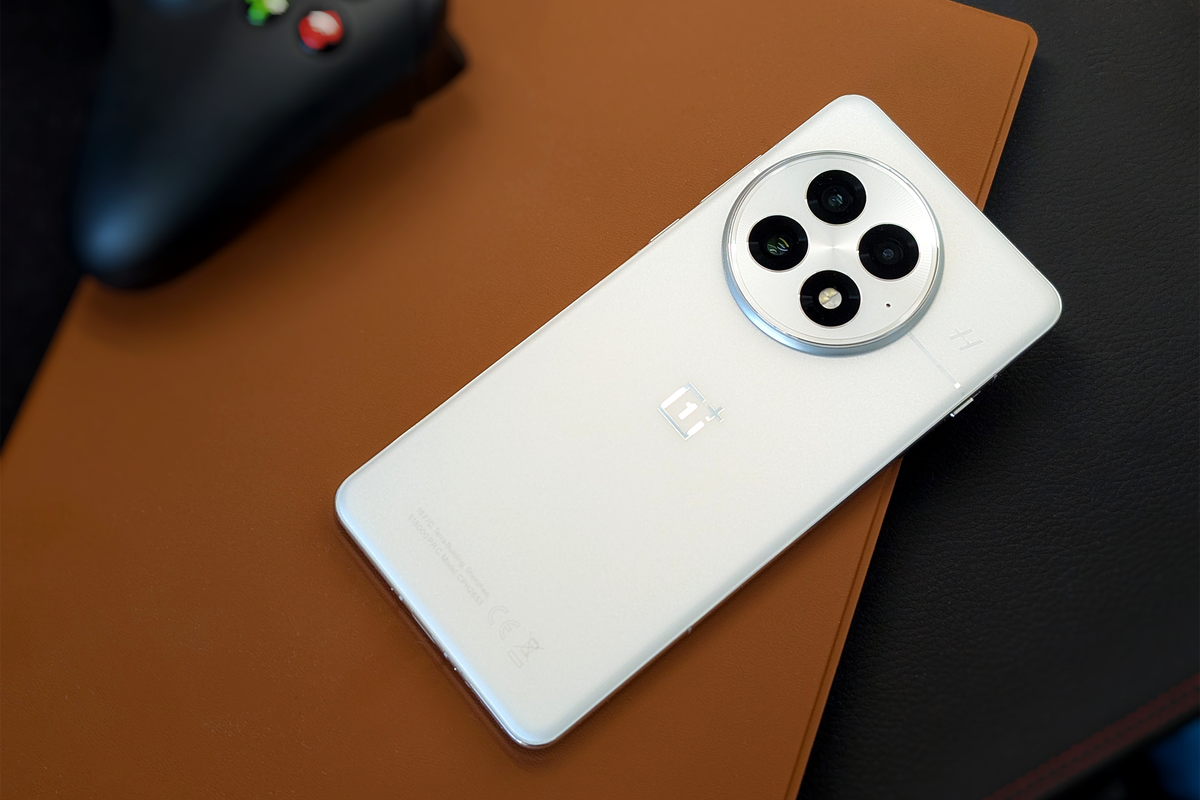
Who shouldn’t bother? Anyone who needs the longest possible software-support runway, or who’s deep enough into Apple’s world that switching is more hassle than it’s worth — for you the iPhone 16 Pro’s extra £100 buys peace of mind, not just specs. And if you specifically want one of the prettier finishes, remember you’re being pushed onto the 512GB model whether you need the storage or not.
What would change my mind? A OnePlus 14 landing at a sharp UK price, or the OnePlus 13’s own price stubbornly refusing to fall. Until one of those happens, this is the phone I’d hand my own £800 to — eyes open, deal verified, and not a penny more than it’s now worth.
Buyer action
Where to buy or check next
Use this as the final check before ordering a phone, changing network or trusting a headline monthly price.











Reader discussion
Leave a comment
Comments are moderated. Keep it useful, accurate, and on topic.