
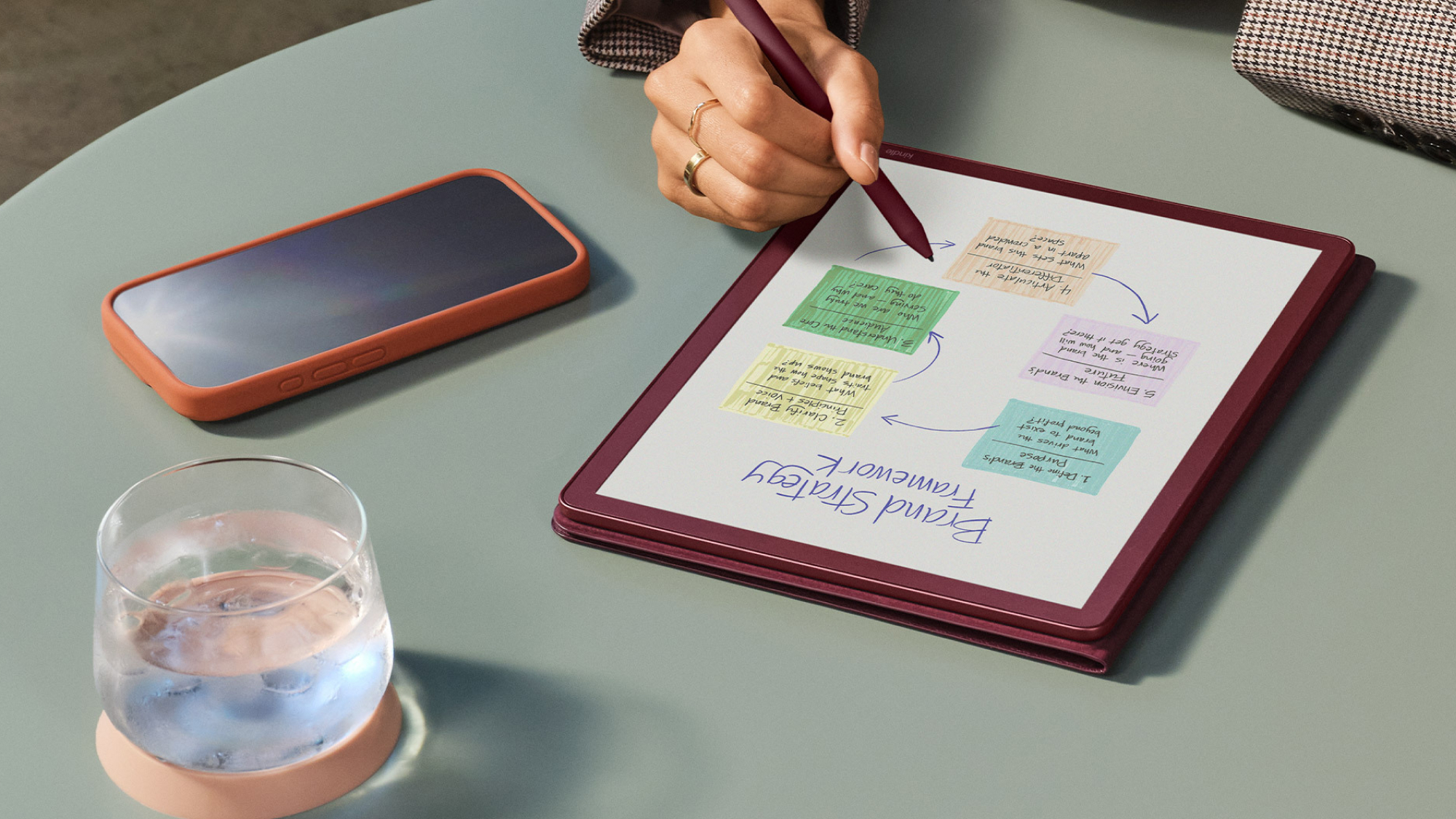
The Kindle vs Kobo decision in 2026 is no longer just Amazon against an underdog: it is a choice between two reading ecosystems with genuinely different rules on library borrowing, file formats and where your money is locked. Amazon confirmed its colour Kindle line for the UK, while Rakuten Kobo has pushed colour E Ink across its range with deep Libby and OverDrive integration. For a UK reader weighing up an e-reader this year, the right answer depends on how you actually get your books.
- Kindle Paperwhite (2024, 12th gen) is £159.99 in the UK; the Signature Edition is £189.99 (Amazon UK).
- Kindle Colorsoft, Amazon’s first 7-inch colour reader, starts at £239.99 (£269.99 for the 32GB Signature Edition); the 2026 Kindle Scribe Colorsoft sits far higher at £569.99.
- Kobo Clara Colour is £169.99 and the Kobo Libra Colour £239.99, both with Kaleido 3 colour E Ink and built-in Libby borrowing.
- Kobo reads EPUB natively and supports UK library loans through OverDrive; Kindle keeps you inside Amazon’s store and Send to Kindle.
Why e-readers are quietly back in 2026
After years of being written off as a solved category, dedicated e-readers are selling again, and the reason is colour. E Ink Kaleido 3 panels brought comic covers, children’s books and highlighted study notes to a screen that still reads like paper and still runs for weeks on a charge. Both Amazon and Kobo now ship colour models across price points, which means the genuine choice for a UK buyer is back on the table rather than defaulting to whichever Kindle was cheapest that week. If you are coming from a tablet, the appeal is the same one that makes a good Android tablet feel like overkill for reading: no notifications, no glare, no eye strain at 11pm.
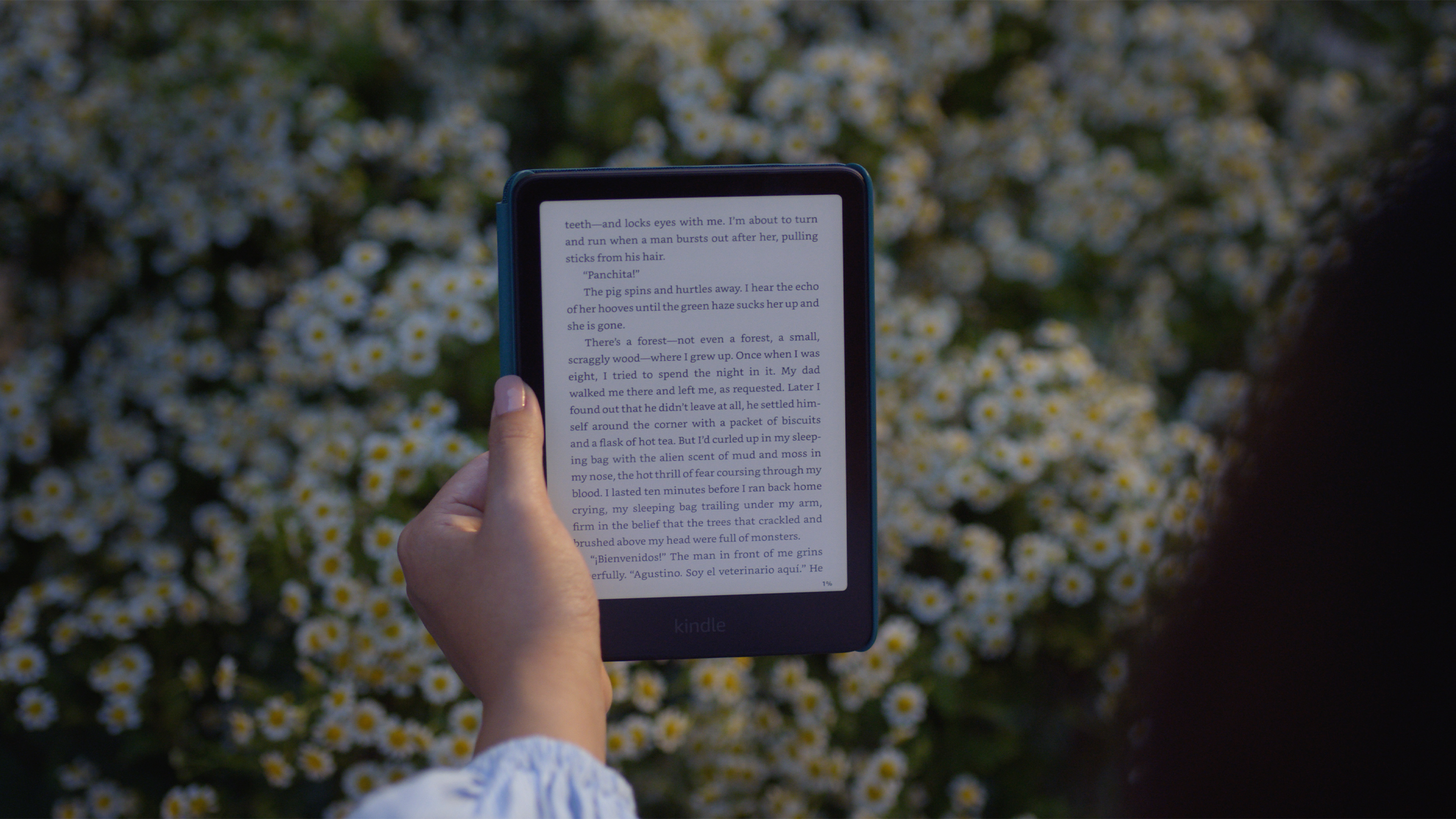
The trade-off has shifted too. Amazon’s strength was always the store and instant wireless delivery; Kobo’s strength was openness and library borrowing. In 2026 those positions are sharper, not blurrier. Amazon has started letting you download some DRM-free titles as EPUB, but the everyday experience is still firmly inside its walled garden. Kobo, meanwhile, leans into being the reader that plays nicely with your local library card. That single difference decides more purchases than any spec sheet.
Specs and UK prices at a glance
Here is how the everyday models line up. We have left out the premium writing tablets (the £569.99 Kindle Scribe Colorsoft and Kobo’s stylus models) because most readers are choosing between a pocketable reader at £170 to £270, not a £570 notebook.
| Model | Screen | Colour | Waterproof | UK price | MTW read |
|---|---|---|---|---|---|
| Kindle Paperwhite (2024) | 7in, 300ppi | No | IPX8 | £159.99 | The mono benchmark; fast, light, store-locked |
| Kindle Colorsoft | 7in, 300/150ppi | Yes | IPX8 | £239.99 | Pricey for what Kobo does for less |
| Kobo Clara Colour | 6in, 300/150ppi | Yes | IPX8 | £169.99 | Best-value colour reader in the UK |
| Kobo Libra Colour | 7in, 300/150ppi | Yes | IPX8 | £239.99 | Page buttons plus library borrowing |
The headline is clear: Kobo is far cheaper at the entry colour tier and level with Amazon higher up. A Kobo Clara Colour at £169.99 costs £70 less than the £239.99 Kindle Colorsoft and uses the same Kaleido 3 panel technology. The Libra Colour at £239.99 adds physical page-turn buttons and a 7-inch screen, matches the base colour Kindle on price and still undercuts the £269.99 Colorsoft Signature Edition. If you are also pricing up reading on the move, our Prime Day 2026 guide is worth a look before you commit, because Kindle hardware tends to drop sharply during Amazon’s own sale.
Screen quality and colour reproduction
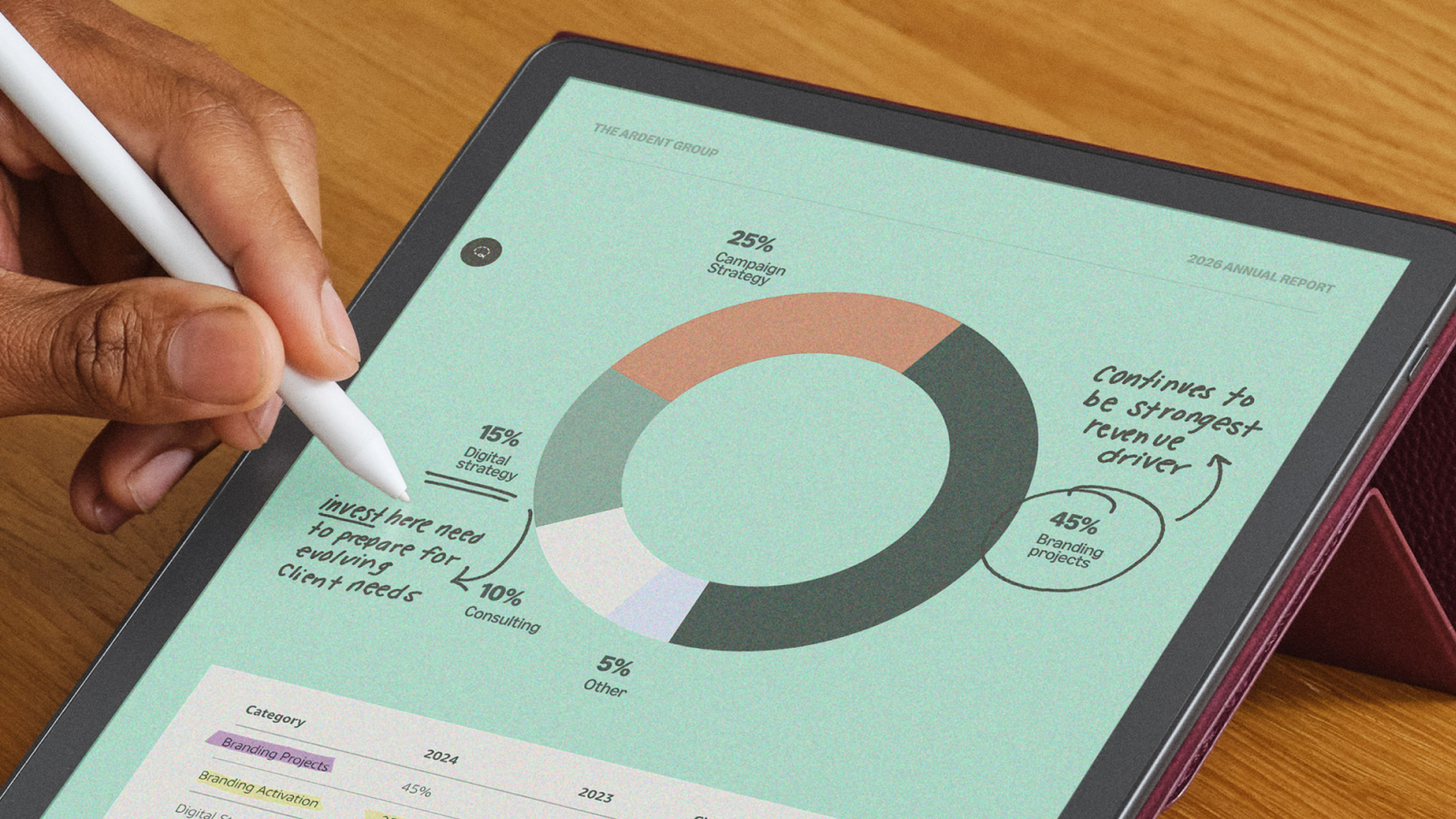
Both ecosystems use the same underlying E Ink technology: 300ppi for crisp black text and 150ppi for colour, on panels that look like paper rather than a backlit display. In side-by-side terms the differences are small. Amazon’s Colorsoft uses a custom light guide with nitride LEDs that the company says boosts colour brightness without washing out detail, and in practice its colours look a touch more saturated than Kobo’s. Kobo’s Kaleido 3 screens render slightly cooler but are perfectly readable, and the Clara Colour packs that panel into a smaller, lighter 6-inch body that suits one-handed reading.
Text sharpness is a draw at 300ppi across all four devices. Colour saturation is a narrow win for Amazon. But you are paying a heavy premium for that edge: the £239.99 Colorsoft against the £169.99 Clara Colour is a clear premium for marginally punchier comic panels. For most readers the colour layer is a nice-to-have for covers and the odd illustrated book, not a daily essential.
The colour Kindle looks marginally punchier, but you pay a clear premium over a Kobo Clara Colour for the privilege.
Winner: Kindle Colorsoft, narrowly, on raw colour brightness. But it is a win you pay dearly for, and the Kobo panels are close enough that few readers would notice in normal use.
Formats and library borrowing
This is where the two diverge hardest, and it is the round that should decide most purchases. Kobo reads EPUB natively, the open format the rest of publishing uses, and you can plug it into a computer over USB and drag DRM-free files straight onto the device: EPUB, PDF, CBZ comics and more. Crucially for UK readers, Kobo builds Libby and OverDrive borrowing directly into the device. If your local council library uses OverDrive (most large UK library services do), you can search, borrow and return library e-books from the Kobo itself, with no sideloading and no second app.
Kindle’s story is more closed. Amazon began allowing DRM-free EPUB downloads of some titles in 2026, but that only covers books published without DRM, and the everyday route is still Amazon’s own store plus the Send to Kindle tool for personal documents. UK library borrowing on Kindle historically ran through OverDrive in the US only; in the UK, Kobo is simply the device built for the library reader. If you borrow heavily from your council library, that settles it.
Winner: Kobo, decisively. Native EPUB, USB sideloading and built-in OverDrive borrowing make it the obvious choice for anyone who uses a UK library card or owns books bought outside Amazon.
Store size and ecosystem lock-in
Amazon’s bookshop is the biggest in the business, its prices are often the lowest, and Kindle Unlimited gives all-you-can-read access for a monthly fee. Wireless delivery is genuinely effortless: buy on your phone, and the book appears on the Kindle moments later. The catch is the lock-in. Books bought from Amazon are tied to your Amazon account and, in practice, to Kindle hardware. Leaving the ecosystem later means leaving your library behind, which is the same trade-off readers weigh when picking a phone platform, as our look at paying for an AI assistant spelled out for subscriptions.
Kobo’s store is smaller but competitive, sells some titles DRM-free, and crucially does not trap you: because the device reads open EPUB, you are never dependent on Kobo to keep buying. Kobo also bakes in Pocket for saving long web articles to read later, and OverDrive for libraries. The store is the one round where Amazon’s scale genuinely wins; everywhere else, Kobo’s openness is the more future-proof bet.
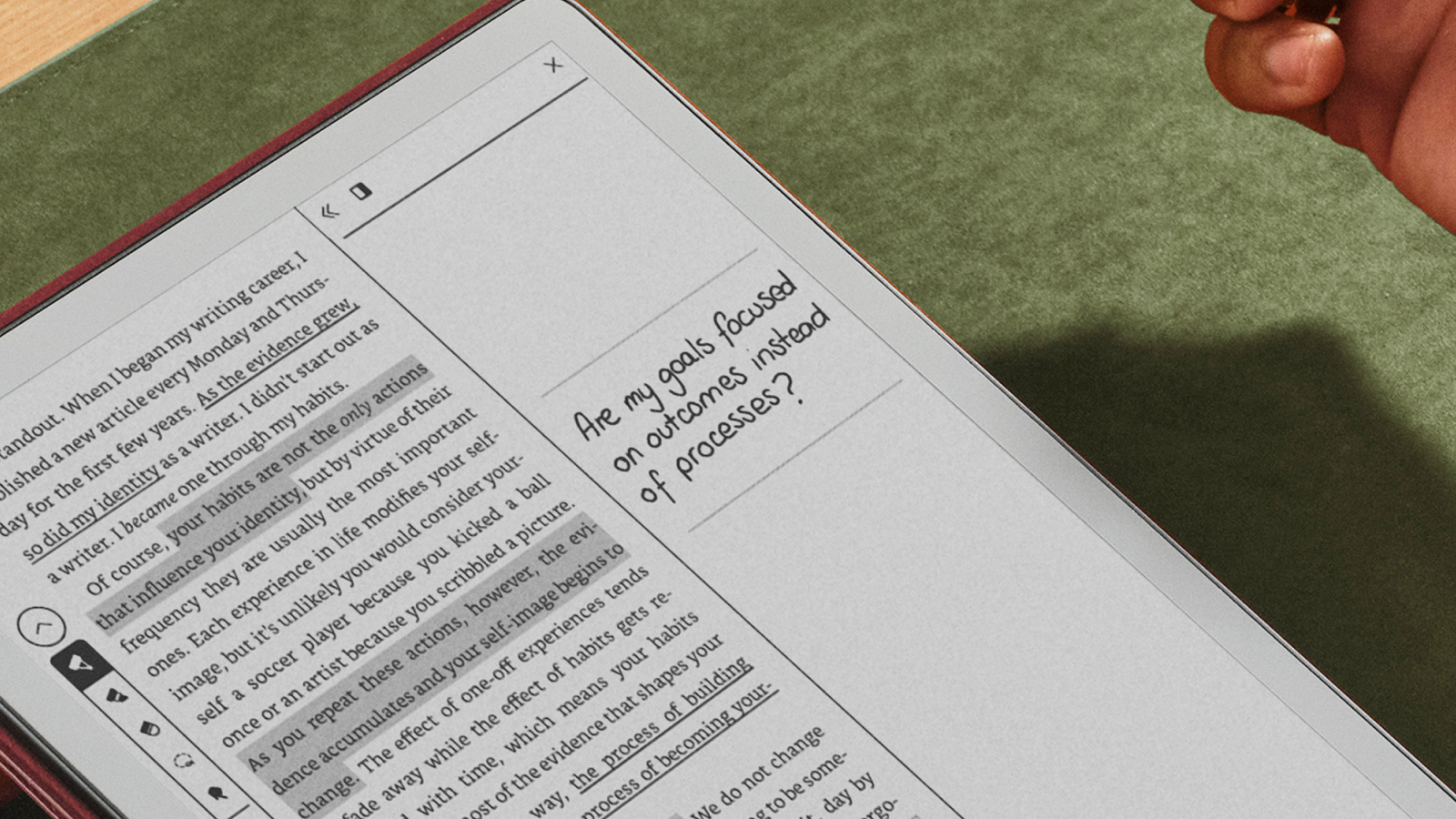
Winner: Kindle, on store size, pricing and Kindle Unlimited. If you only ever buy from one shop and never touch a library, Amazon’s catalogue and delivery are hard to beat.
Battery life and water resistance
Endurance is close enough not to matter much. Amazon quotes up to 12 weeks for the mono Paperwhite and around 8 weeks for the colour Colorsoft, both on USB-C. Kobo quotes up to 40 days for the Libra Colour. In real terms, all of these last weeks rather than hours, so unless you read for several hours a day you will charge any of them roughly once a month. The bigger practical difference is the Kobo Libra Colour’s physical page-turn buttons, which the Kindle line drops in favour of touch-only.
Water resistance is a clean tie. The Kindle Paperwhite, Kindle Colorsoft, Kobo Clara Colour and Kobo Libra Colour all carry an IPX8 rating, meaning they survive immersion in fresh water up to two metres for up to an hour. Bath and beach readers are covered whichever brand they pick. If you want a device for the pool specifically, any of the four will do; this is not a tiebreaker.
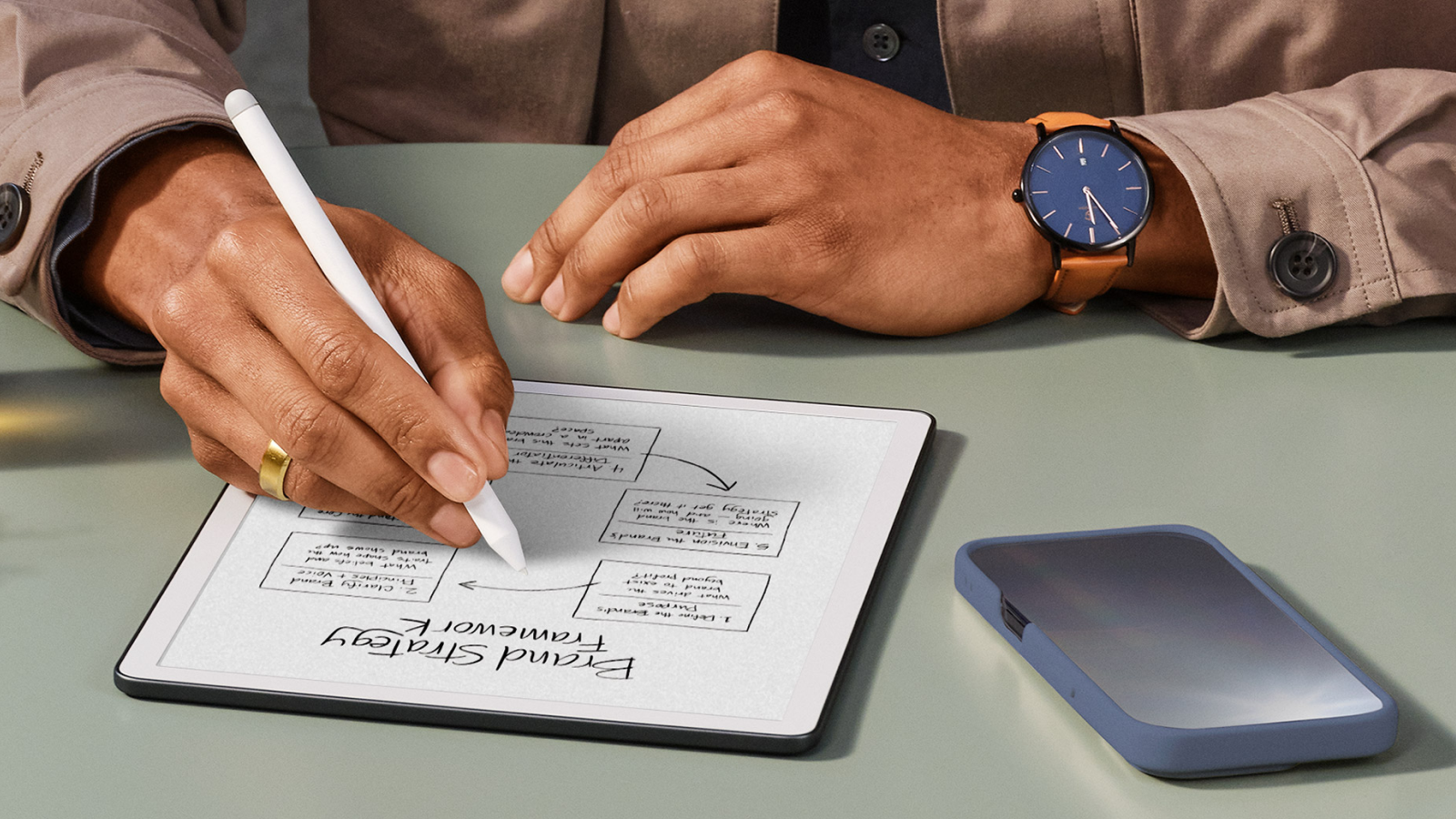
Winner: draw. Battery life and waterproofing are effectively matched. The Libra Colour’s page buttons are a nice extra, but not enough to swing the round on their own.
Everyday UK pricing compared
On price the gap is not subtle. A colour Kobo Clara Colour at £169.99 is £70 cheaper than the £239.99 Kindle Colorsoft, and the 7-inch Kobo Libra Colour at £239.99 matches the base colour Kindle while undercutting the £269.99 Colorsoft Signature Edition by £30 and adding page buttons. The Clara Colour sits just above the mono £159.99 Kindle Paperwhite but gives you colour on top. The only scenario where Amazon wins on cost is a Prime Day or Black Friday discount, when Kindle hardware can drop below Kobo’s everyday pricing; if you are not buying during a sale, Kobo is the value pick.
Winner: Kobo, on the strength of the entry-level Clara Colour. Wait for an Amazon sale and the maths can flip, but on a normal week in 2026, the cheapest way into colour reading is a Kobo.
Where to buy in the UK
Both brands are widely stocked in the UK, which keeps prices honest. Last checked: 2026-06-13.
- Amazon UK: the Kindle Paperwhite is £159.99 and the Kindle Colorsoft £239.99 direct from amazon.co.uk, with next-day Prime delivery.
- Currys: stocks the Kobo Libra Colour at £239.99 (32GB) with click-and-collect, plus the Kindle range.
- Argos: carries both Kindle and Kobo hardware for same-day collection from stores and Sainsbury’s.
- John Lewis: lists the Kindle Paperwhite 2024 with its standard two-year guarantee, a real advantage over the one-year cover elsewhere.
- WHSmith and Kobo UK: WHSmith is Kobo’s UK retail partner, and kobo.com sells the Clara Colour at £169.99 and Libra Colour at £239.99 direct.
Under the Consumer Rights Act, any of these retailers must put right a faulty device within the first six months, and John Lewis’s two-year guarantee is the one to favour if you want the longest cover without paying for a CarePlan. For switching habits more broadly, our guide to moving your data to a new device covers the account-migration mindset that applies to e-readers too.
Our verdict
Our view is that for most UK readers in 2026, the Kobo Libra Colour is the e-reader to buy. At £239.99 it pairs a 7-inch colour screen with physical page buttons, native EPUB, USB sideloading and built-in OverDrive library borrowing, and it still costs less than the £269.99 Kindle Colorsoft Signature Edition. If you borrow from your council library or own books bought outside Amazon, Kobo is not a close call, it is the only sensible choice. Buy the cheaper Kobo Clara Colour at £169.99 if you want the lowest price and do not mind a 6-inch screen. Stick with a Kindle, most likely the £159.99 Paperwhite, only if you live entirely inside Amazon’s store, use Kindle Unlimited, and never touch a library. The one thing that would flip our recommendation is a deep Prime Day discount on the Colorsoft; if Amazon cuts it below the Libra Colour, the colour Kindle becomes worth a second look.










Reader discussion
Leave a comment
Comments are moderated. Keep it useful, accurate, and on topic.