
News · 13 Jun 2026 · Daniel Reid
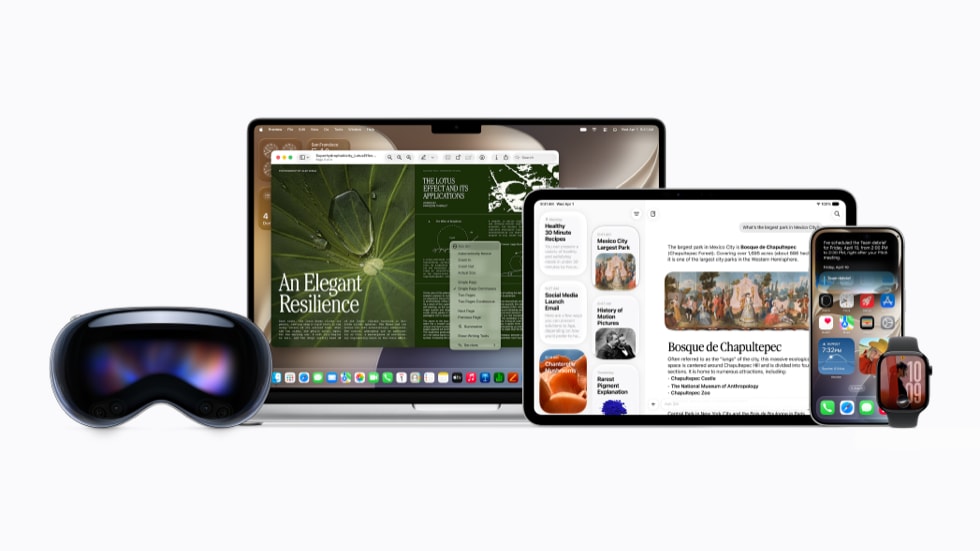
iOS 27 and the new Siri represent the biggest software split Apple has ever shipped: Apple’s WWDC 2026 keynote on 8 June confirmed that the update reaches every iPhone from the iPhone 11 onwards, making it the most widely distributed iOS release in the platform’s history, yet the rebuilt Siri AI at the heart of the announcement is hardware-gated to the iPhone 16 series and iPhone 15 Pro or Pro Max. If your phone is anything between an iPhone 11 and an iPhone 14 Pro Max, you will get the operating system but not the headline feature.
- Broadest rollout ever: iOS 27 supports every device that ran iOS 26, starting with the iPhone 11, according to Apple’s WWDC 2026 newsroom release on 8 June 2026.
- Siri AI hardware floor: iPhone 16 (all models), iPhone 15 Pro, iPhone 15 Pro Max, plus M1-or-later iPads and Macs. iPhone 11 through iPhone 14 Pro Max receive base iOS 27 only.
- Hybrid architecture: the rebuilt Siri runs on Apple’s own foundation models on-device, with server-side processing via Private Cloud Compute; Google Gemini models form part of the foundation layer, with contractual limits preventing Google from training on Siri queries.
- EU block, UK status open: the Digital Markets Act means Siri AI will not ship in iOS 27 or iPadOS 27 in the European Union. The UK is not in the EU, so is not automatically blocked, but Apple has not confirmed a specific UK public launch date beyond “this autumn.”
- Timeline: developer beta available now; public beta expected next month; free general release this autumn.
iOS 27 and the new Siri: two updates inside one release
Apple’s framing at WWDC was deliberate: it led with the sheer scale of the rollout rather than the hardware ceiling. By supporting the iPhone 11, iOS 27 reaches iPhones sold as far back as late 2019 and runs on a device that currently costs under £200 at second-hand retailers. According to Apple’s Siri AI press release on 8 June, the new assistant is described as “profoundly more intelligent, knowledgeable, and capable,” with a dedicated app, multi-turn conversations, and cross-app personal context. None of that reaches phones running the A15 Bionic or older.
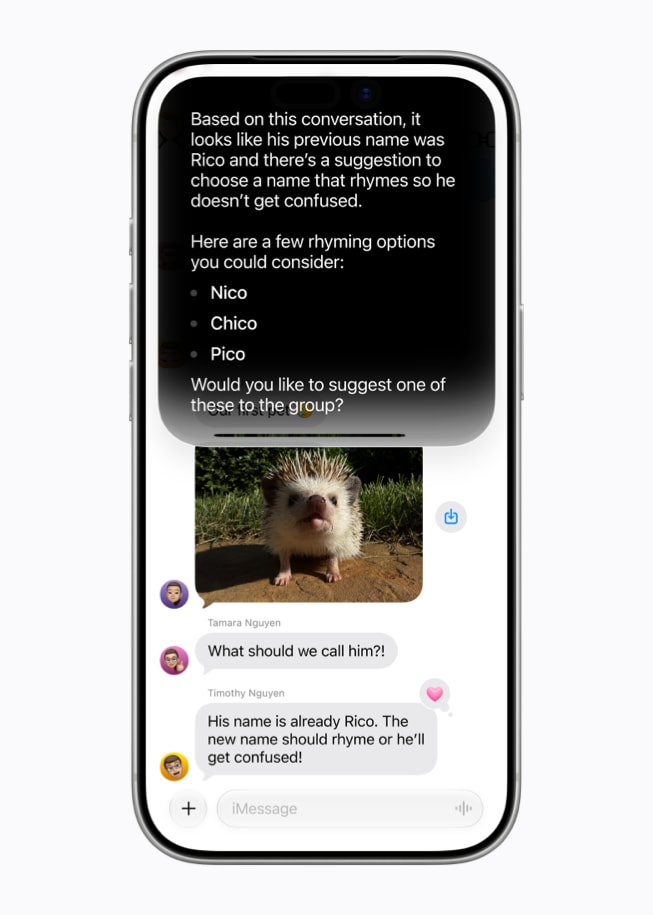
The practical effect for UK owners is a two-tier update. If you hold an iPhone 15 Pro or any iPhone 16, you receive the full package: the rebuilt conversational Siri, the dedicated Siri app with conversation history, on-screen visual intelligence, AI-powered reply suggestions in Messages, and the Phone app’s ability to surface mid-call context from Mail and Messages. If you hold any other iPhone back to the iPhone 11, you receive the underlying operating system refresh without those features. Apple does not characterise this as a subset of Siri; it is an entirely different product under the same name, running on different silicon.
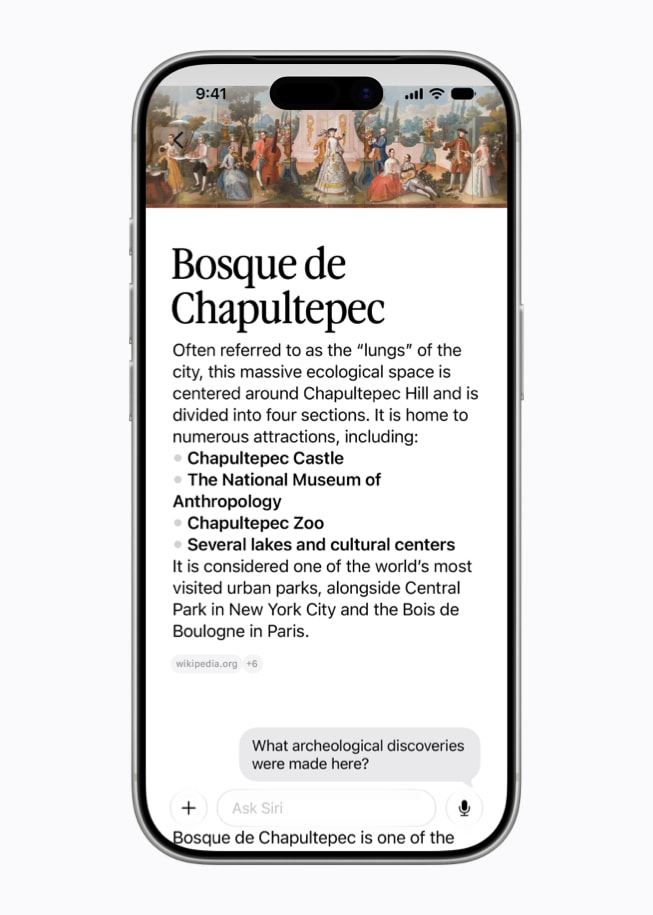
For a sense of what older phones still gain: iOS 27 brings an updated Lock Screen design, improvements to the Photos app organisation, Safari updates including a “Notify Me” feature for page changes, new child account controls, and further refinements to RCS messaging. For many iPhone 11 to iPhone 14 owners, that is a meaningful free update. Owners of those phones weighing whether to upgrade hardware will want to read our iOS 27 on iPhone 11 guide before making a decision, as the practical day-to-day gap depends on which Siri AI features matter most to you.
What the rebuilt assistant actually does on supported hardware
The new Siri is a structural rebuild, not an incremental update. Where the previous Siri largely fielded discrete commands, the new version holds multi-turn conversations, draws on personal context from your Photos library, Messages threads, and Mail inbox, and maintains a conversation history you can return to via the dedicated Siri app. On supported iPhones, a long press on the side button opens the Siri app directly; the familiar Dynamic Island also gains a new Siri integration for hands-free invocation.
On-screen awareness means Siri can see what is currently displayed on your phone and act on it, whether that is summarising an email without you reading it aloud, suggesting a calendar entry from a Messages conversation, or identifying an object through the camera. The Phone app’s new capability uses that same personal context: if a caller asks you to bring something to a meeting, Siri can pull the meeting details from Mail without you switching apps. AI reply suggestions in Messages offer one-tap responses derived from the conversation thread, not generic canned text. For a full comparison of how this stacks up against Google’s equivalent, see our Siri AI UK and EU DMA deep-dive.
Visual intelligence extends Siri’s reach through the camera. In the Camera app, a dedicated Siri mode lets you point your phone at an object and ask questions about it, including nutrition information for food, or identification for plants and products. Apple demonstrated a user identifying a cricket ball and receiving contextual information, which signals the intent is broad-based recognition rather than a narrow shopping or restaurant tool. This is a live conversational layer over the camera feed, distinct from the existing Visual Look Up feature that offered one-off object identification.
The hardware requirement and what it rules out for UK buyers
Apple set the Siri AI floor at the A17 Pro chip, which means the iPhone 15 Pro and iPhone 15 Pro Max are the oldest iPhones that qualify. Every iPhone 16 model, including the standard iPhone 16 and iPhone 16e, is included. The iPhone 15 standard and iPhone 15 Plus, both of which ship with the A16 Bionic, are excluded despite being 2023 devices. This is a narrower split than many expected and it creates a significant gap within the same product generation: an iPhone 15 buyer who chose the standard model over the Pro gets base iOS 27; a buyer who stretched to the Pro gets the full Siri AI overhaul.
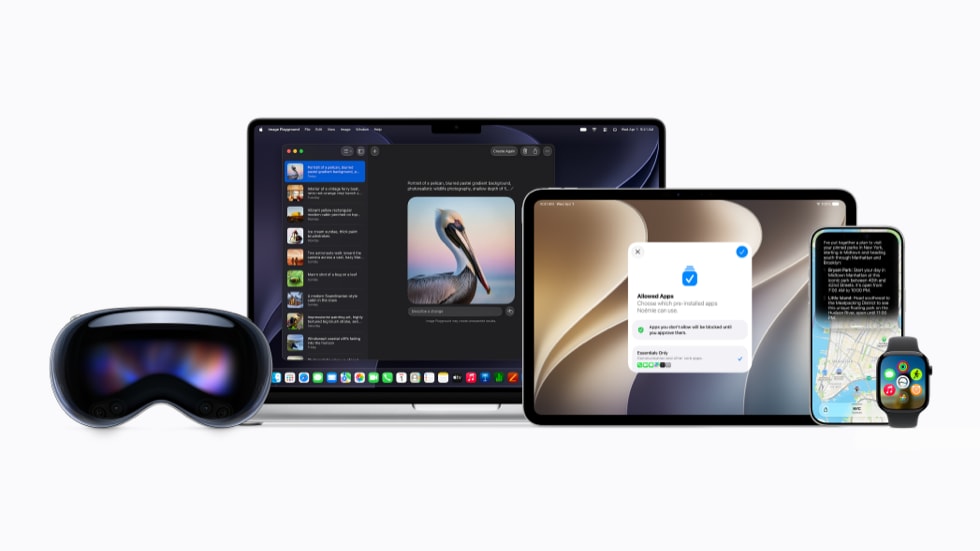
The equivalent iPad threshold is the M1 chip or the A17 Pro chip, which means the iPad Pro from 2021 onwards and the iPad Air from the M1 generation qualify. Macs with M1 or later are included across the board. For the full picture of what iPadOS 27 delivers alongside this release, our iPadOS 27 UK verdict covers the tablet-side changes in detail.
For UK buyers considering a hardware upgrade specifically for Siri AI, the current entry point is the iPhone 15 Pro, which is now the previous-generation model. Apple UK sells iPhone 15 Pro refurbished units through its own store. The iPhone 16 lineup is available new across all major UK retailers including Apple UK, Currys, John Lewis, Argos, and through EE, Vodafone, and O2 on contract. If you are weighing the timing of that purchase, our iPhone 17 UK buy-now-or-wait guide sets out the Prime Day and iPhone 17 release variables in full, since buying a current iPhone 16 now versus waiting a few months is a live question for many readers.
Architecture and privacy: how Siri AI processes your data
Apple’s description of the Siri AI architecture covers three layers. The first is on-device processing using Apple’s own foundation models, which handles lower-complexity tasks without a network connection. The second is server-side processing through Private Cloud Compute, Apple’s purpose-built server infrastructure that Apple states is designed so that neither Apple nor third parties can access the data being processed. The third involves Google Gemini foundation models, which contribute to the rebuilt assistant’s capability, particularly for complex or knowledge-heavy queries.
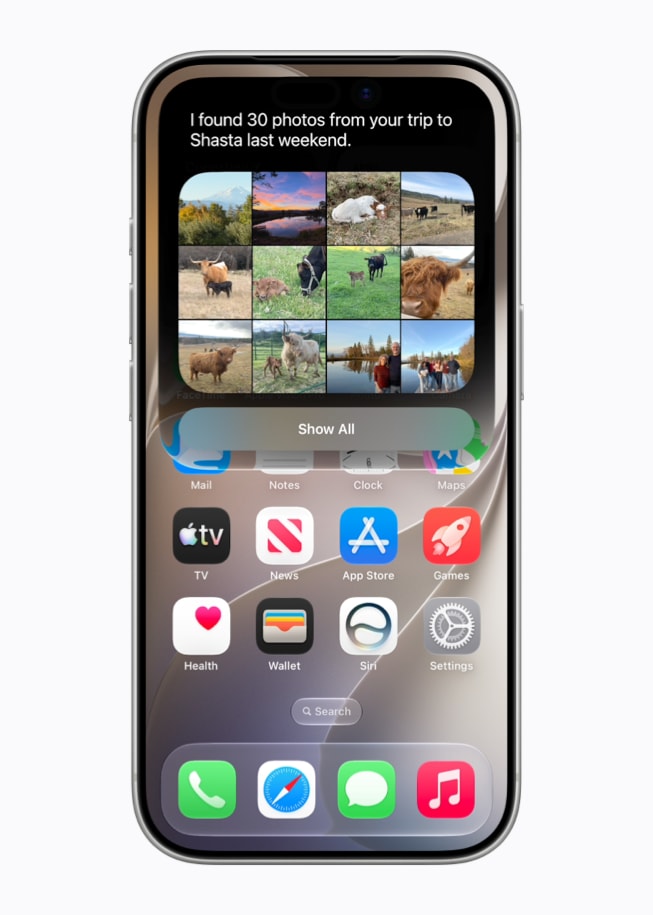
The contractual arrangement with Google is worth understanding clearly. According to Apple’s Siri AI press release and reporting from MacRumors and TechCrunch (8-9 June 2026), Apple’s contract with Google prevents Google from using Siri queries to train future Gemini models. Apple also states it uses its own proprietary world knowledge service for current events rather than routing through Google Search. The architecture is best described as a hybrid that uses Apple-built infrastructure and Google-derived model capability, rather than a straight hand-off to an external AI service. Do not confuse this with the existing arrangement where Siri could hand off to a search engine: the new Siri uses Google’s foundational model building blocks, not Google as a query back-end.
On the regulatory side: the EU’s Digital Markets Act led Apple to exclude Siri AI from iOS 27 and iPadOS 27 in EU member states. Apple confirmed this in its WWDC 2026 Apple Intelligence announcement, noting that EU regulators rejected Apple’s proposed solutions and exemption requests. Siri AI will reach macOS 27 and visionOS 27 in the EU, which means Mac users in Germany or France can access it while iPhone users in those same countries cannot. The UK is not subject to the DMA. There is no confirmed UK-specific regulatory block on Siri AI, though Apple has not published a UK-specific rollout date beyond the global autumn window.
Spotlight and Mac: Siri AI beyond the iPhone
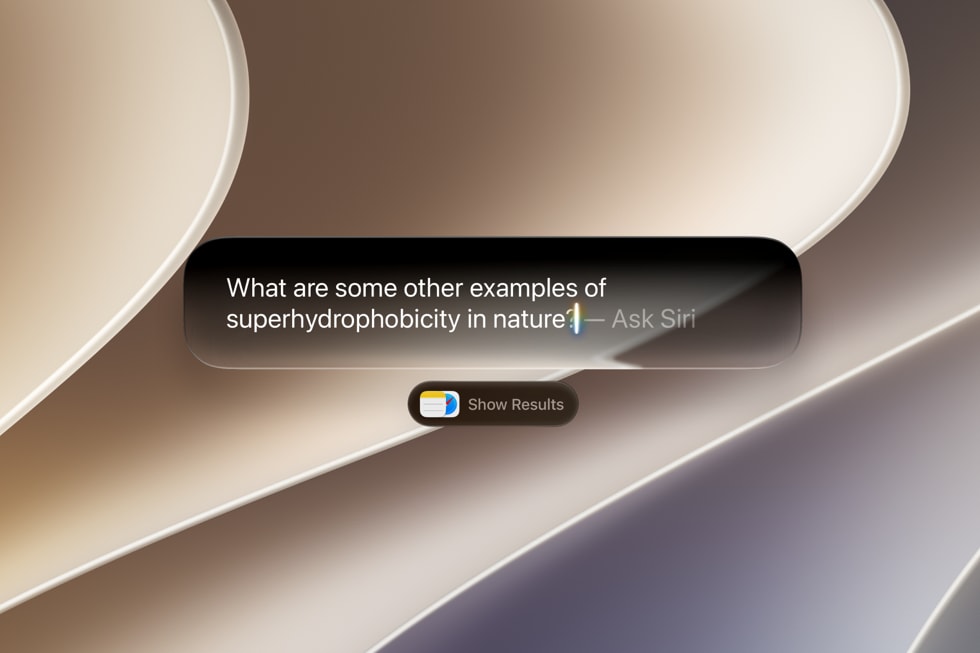
For UK iPhone owners who also use a Mac, the Siri AI picture on macOS 27 is directly relevant. Spotlight on Mac gains a Siri AI integration that lets you ask questions from the search bar without opening a dedicated app. Apple demonstrated a user posing a factual question through Spotlight and receiving a conversational answer rather than a list of search results. This positions macOS 27’s Spotlight as a direct rival to Microsoft’s Copilot integration in Windows, which offers a similar natural-language interface through the Windows search bar.
The visual intelligence layer on Mac extends to document creation via Pages and productivity apps. Apple showed Siri generating copy for a Pages document, suggesting titles and content based on existing material on the screen. For UK professionals using a Mac at work, this is the feature most likely to intersect with daily tasks: asking Siri to draft, summarise, or restructure a document without switching context to a separate AI tool. Our full WWDC 2026 UK preview covers the broader set of platform changes announced alongside iOS 27, including the macOS 27 and watchOS changes that affect the wider Apple ecosystem.
Timeline: developer beta now, public beta next month, general release this autumn
The iOS 27 developer beta is available now through the Apple Developer Programme, which costs £99 per year for individuals. Developer betas are typically unstable and are not recommended for a primary device: they contain known bugs and some third-party apps may not function correctly. If you want to try the new Siri AI features on supported hardware before the general release, our step-by-step iOS 27 Developer Beta installation guide for UK users covers the enrolment process and the risks worth understanding before you start.
Apple’s public beta programme, free to join at beta.apple.com, is scheduled to open next month. Public betas are more stable than developer betas but still carry upgrade risk, particularly for features that are not finalised. The general consumer release is expected this autumn, which historically means September alongside new iPhone hardware. Apple has not confirmed whether Siri AI will be available in full at launch or whether it will arrive in stages, as was the case with some features introduced in iOS 18. Given the regional phasing that occurred with prior Apple Intelligence features, UK readers should treat “this autumn” as the confirmed global target and expect further clarity on a precise UK date as the release approaches.
visionOS 27 for Apple Vision Pro also receives the Siri AI upgrade in this cycle. The Vision Pro is not widely owned in the UK given its price point, but the integration is significant for understanding Apple’s approach: Siri on the Vision Pro gains spatial context, meaning it can reference what the user is looking at in their mixed reality environment. For a closer look at what visionOS 27 brings to Vision Pro owners in the UK, see our visionOS 27 Vision Pro features guide. And for context on where the Pixel 10 sits as the main Android alternative for UK buyers considering a platform switch, see our Pixel 10 vs iPhone 17 UK comparison.
MTW verdict: who upgrades, who waits, who stays put
iOS 27 is two updates in one box, and Apple has been careful not to advertise the gap loudly. The broad device compatibility is genuine and meaningful for iPhone owners on older hardware. The rebuilt Siri AI is also genuinely new: it is not an incremental tune of the existing assistant but a rebuilt product with a different architecture and a different set of capabilities.
If you hold an iPhone 16 or iPhone 15 Pro: update to iOS 27 when the public beta opens if you want early access, or wait for the general autumn release for stability. The rebuilt Siri is the feature that justifies this upgrade cycle on those phones. The UK is not facing the EU’s formal regulatory block, though Apple has not confirmed the UK rollout date.
If you hold an iPhone 15 standard or iPhone 15 Plus: you are on a 2023 phone excluded from Siri AI because of the chip, not the age. iOS 27 still installs and brings the underlying OS improvements, but the headline feature is out of reach without a hardware change. Whether that drives an upgrade depends on how central conversational AI is to your daily use.
If you hold an iPhone 11 through iPhone 14 Pro Max: the phone remains supported and still receives security updates, which means there is no functional pressure to upgrade unless you specifically want the Siri AI features. iOS 27 arrives as a meaningful OS update without the headline feature. One factor worth weighing for anyone on the fence: iPhone 17 is expected this autumn on the same schedule as iOS 27’s general release. Buying an iPhone 16 now puts you on supported Siri AI hardware immediately; waiting until autumn lets you compare iPhone 16 and iPhone 17 pricing at launch before committing.
Where to follow the iOS 27 rollout in the UK
Apple’s official iOS page at apple.com/uk/ios is the definitive source for compatible devices and release notes as the autumn update approaches. For UK carrier-specific questions, including whether EE, Vodafone, or O2 will offer trade-in promotions timed to the iOS 27 release window, check individual carrier sites closer to the autumn, as all three have historically offered handset upgrade deals alongside new iOS launches.
MTW will update our iOS 27 coverage through the public beta period and at general release. For the broader AI assistant picture heading into autumn, including how the new Siri compares with Google Gemini on Pixel 10 hardware, see our Android 17 and Gemini features guide for UK Pixel owners.
Buyer action
Where to buy or check next
Use this as the final check before ordering a phone, changing network or trusting a headline monthly price.















Reader discussion
Leave a comment
Comments are moderated. Keep it useful, accurate, and on topic.