
The iOS 27 Developer Beta is live in the UK right now, and you can install it today without paying Apple a penny: Apple seeded the first developer betas of iOS 27 (alongside iPadOS 27, macOS 27, watchOS 27, tvOS 27 and visionOS 27) on 8 June 2026, straight after the WWDC 2026 keynote, according to MacRumors. This is our plain-English How-To desk guide to getting it on your iPhone safely, what you actually need, which iPhones are eligible, and how to climb back out again if it all goes wrong. Read the cautions before you tap install.
- Apple released the first iOS 27 developer betas on 8 June 2026, the same day as the WWDC 2026 keynote, minutes after it ended (MacRumors).
- A free Apple Developer account is enough: the old 99 dollar per year programme fee is no longer required to download betas (MacRumors).
- Supported iPhones run from the iPhone 11 upward, including the iPhone SE second generation; no devices were dropped this cycle, with the iPhone X series and older having lost support in the previous iOS 26 round (MacRumors, AppleInsider).
- The UK gets the new Apple Intelligence Siri features: Britain is not subject to the EU DMA delay affecting the European Union (Apple Newsroom).
- Why it matters: a public beta is expected in July 2026, with the full release in autumn 2026, so installing now is for the curious, not the cautious.
What the iOS 27 Developer Beta actually is
A developer beta is an early, unfinished version of the next iPhone software, handed out so app makers can test their apps before the public release. Apple released the first iOS 27 beta on 8 June 2026, the same day as its WWDC 2026 keynote at Apple Park, and the public beta is expected in July 2026 with the full release landing in autumn 2026, typically alongside new iPhones in September. If you would rather wait for something more stable, the July public beta is the calmer entry point, and our WWDC 2026 UK preview walks through everything Apple announced on stage.
The important thing to grasp is that beta one is the rawest the software will ever be. It is built for testing, not for everyday reliance, and Apple is open about the bugs, battery drain and broken apps you should expect. Treat it as a preview you poke at, not a finished upgrade you commit your life to. We explain the headline changes, including the big Siri overhaul, in our look at Apple Siri AI and the UK versus EU DMA position.
Why a free Apple Developer account is now enough
This is the genuinely good news for UK readers. You no longer need to pay the old 99 dollar per year Apple Developer Program fee just to download a developer beta. According to MacRumors on 8 June 2026, a free Apple Developer account is now sufficient for beta access. You sign in at the Apple Developer website with your existing Apple Account, accept the developer agreement, and you are in: no card details, no annual charge. The paid programme still exists for people who want to publish apps to the App Store, but for tasting the new software it is simply not needed.
Our view at the How-To desk is that this change quietly lowers the barrier for ordinary enthusiasts, which is both welcome and slightly worrying. Welcome, because curiosity should not cost 99 dollars. Worrying, because it means more people will install rough software on phones they cannot afford to break. So before you celebrate the free access, read the eligibility and backup sections below, because the cost has moved from your wallet to your patience. If you are weighing up the wider price of staying current with AI features, our piece on AI subscription costs for UK households is a useful reality check.
Which iPhones can run it
iOS 27 supports the iPhone 11 and everything newer. That means the iPhone 11, 11 Pro and 11 Pro Max, the second and third-generation iPhone SE, the iPhone 12 series and every model since, right through to the iPhone 17 lineup and the iPhone Air. Apple dropped no devices this cycle; older handsets such as the iPhone X series, which lost support back in the iOS 26 round, cannot run iOS 27, so if you are on one of those, this is where the road ends for you and an upgrade is the only path. We dig into what staying on an older handset means in our guide to iOS 27 on the iPhone 11 in the UK.
There is a second tier to be aware of. Plain iOS 27 support is one thing; running the full Apple Intelligence and the advanced Siri features is another. Those need an iPhone 15 Pro or 15 Pro Max, or an iPhone 16 series device or later. So an iPhone 11 will boot iOS 27 and get the general improvements, but it will not light up the headline AI assistant. If the new Siri is the only reason you are tempted, check your model against that Pro and 16-series line first, otherwise you will install rough beta software for features your phone cannot run.
Back up before you do anything else
We cannot say this loudly enough: back up first. A developer beta can corrupt data, drain your battery and break apps you rely on, and rolling back is not the painless one-tap affair people assume. Make a full backup before you install, either to iCloud or, better, to a computer using a Finder or iTunes archive that you can restore from later. An archived computer backup is the safest, because it is a fixed snapshot Apple will not quietly overwrite. Note the date, label it clearly, and confirm it actually completed rather than assuming it did.
Here is the catch worth understanding now rather than later. A backup made on iOS 27 cannot generally be restored onto an older iOS version, because newer backups are not backwards compatible. That is precisely why your pre-install backup matters so much: it is your clean, older-version snapshot to fall back to. Keep it safe and do not let your phone replace it with a fresh beta backup. This single step is the difference between a reversible experiment and a stressful weekend, and it is the same discipline we recommend before any major software change.
Installing the beta over the air
Once you are backed up and signed in to a free Apple Developer account, the install itself is straightforward and happens over the air, no computer required for this part. On your iPhone, open Settings, then General, then Software Update, and look for Beta Updates. Choose the iOS 27 Developer Beta from the list, then return to the Software Update screen, where iOS 27 should appear to download and install. Make sure you are on a stable Wi-Fi connection and that your iPhone is charged or plugged in, because a large update on a flat battery is asking for trouble.
The download can take a while on the first day of a release, when Apple’s servers are busy, so do not panic if it stalls or queues. Once installed, you will keep receiving subsequent beta builds through that same Software Update screen as Apple ships fixes over the coming weeks. If you decide the beta is not for you but you do not want to fully wipe the phone yet, you can turn off Beta Updates in that same menu, which simply stops new beta builds arriving while leaving your current version in place.
Apple’s own keynote, embedded above, is the clearest single source for what iOS 27 sets out to do, from the refreshed Siri to the broader system tweaks. It is worth half an hour of your time before you commit, because it frames which features are genuinely new and which are refinements of what you already have. Watching it also tempers expectations: a stage demo runs on polished internal builds, whereas the beta on your phone will be rougher around the edges.
If you want our take on how iOS 27’s sibling release behaves on tablets, our iPadOS 27 UK verdict is a good companion read, and for the broader platform context our Android 17 UK features overview shows how Apple’s rivals are pitching their own 2026 updates.
UK access to the new Siri and Apple Intelligence
This is where UK readers come out ahead of their neighbours. The new Apple Intelligence-powered Siri and the advanced features are available to UK users on iOS 27, and crucially the UK is not subject to the EU DMA delay that is holding some features back in the European Union, per Apple’s Newsroom note on 8 June 2026. In practice that means a UK iPhone that meets the hardware requirement should see these features in the beta, while an equivalent phone bought for use in, say, Germany may have to wait. It is a rare case where leaving the EU regulatory orbit lands UK users an earlier feature.
A note of restraint, though. We are not going to overstate which AI features are fully live in beta one versus those arriving later in the cycle, because early betas routinely ship features in stages. Some of what Apple showed on stage may roll out gradually across summer builds rather than appearing complete on day one. So enjoy the head start over the EU, but judge the assistant on what is actually in front of you in the beta, not on the polished keynote demo. Manage your expectations and you will be pleasantly surprised rather than let down.
How to roll back if it goes wrong
Be clear-eyed: rolling back is the part people underestimate. Getting off a developer beta and back onto a stable iOS version typically requires a computer, not a tidy on-device button. The usual route is a recovery-mode restore, where you connect the iPhone to a Mac or PC, put it into recovery mode and restore it to a previous official iOS version, then restore your pre-install backup on top. That is why the older backup you made earlier is not optional: without it you can end up on a clean, empty older version with your data stranded in an incompatible beta backup.
Because Apple changes the exact steps and the available software versions over time, we strongly advise verifying the current procedure on Apple’s own support pages before you rely on it, rather than trusting a months-old walkthrough. Do not promise yourself a no-computer escape hatch, because that is not how beta rollback generally works. If the idea of a recovery-mode restore makes you nervous, that nervousness is itself a good sign you should keep the beta off your main phone, which brings us neatly to the most important warning of all.
Never put this on your only phone
If you take one thing from this guide, take this: do not install the iOS 27 developer beta on a primary daily-driver. Expect bugs, battery drain and app incompatibilities, with banking, two-factor authentication, work email or travel apps liable to misbehave at the worst moment. The ideal candidate is a spare iPhone that still meets the iPhone 11-or-newer requirement and holds nothing you cannot lose. There is a quiet consumer-rights point here too: this is unfinished software you are choosing to run, so a fault caused by the beta is on you, not a faulty-goods claim against a retailer.
Free access has moved the cost of curiosity from your wallet to your patience. Install on a spare, never on the phone you cannot live without.
If you only own one iPhone and it is the one in your pocket for work and banking, our honest advice is to wait for the July public beta or, better still, the autumn final release. There is no prize for being first when the cost is a phone you cannot use for a day. Patience here is not timidity, it is good sense, and it is the same approach we would take with any first-day major update. For a wider view of the week’s Apple and UK tech moves, our UK tech news round-up for 7 June 2026 sets the scene.
Eligibility and timeline at a glance
| Item | Detail |
|---|---|
| Beta released | 8 June 2026, after the WWDC 2026 keynote |
| Cost | Free Apple Developer account; no 99 dollar fee |
| Public beta | Expected July 2026 |
| Full release | Autumn 2026, typically September |
| Runs iOS 27 | iPhone 11 and newer, including iPhone SE 2nd gen; iPhone X series and older unsupported |
| Full Siri AI | iPhone 15 Pro / 15 Pro Max or iPhone 16 series and later |
| UK AI features | Available; UK not subject to EU DMA delay |
Use the table as a quick gate before you start. If your phone is not iPhone 11 or newer, stop. If you want the new Siri and your phone is below an iPhone 15 Pro or the 16 series, temper your expectations. And if this is your only handset, the timeline column is your friend: a few weeks of waiting buys you far more stable software.
Where to buy or check next in the UK
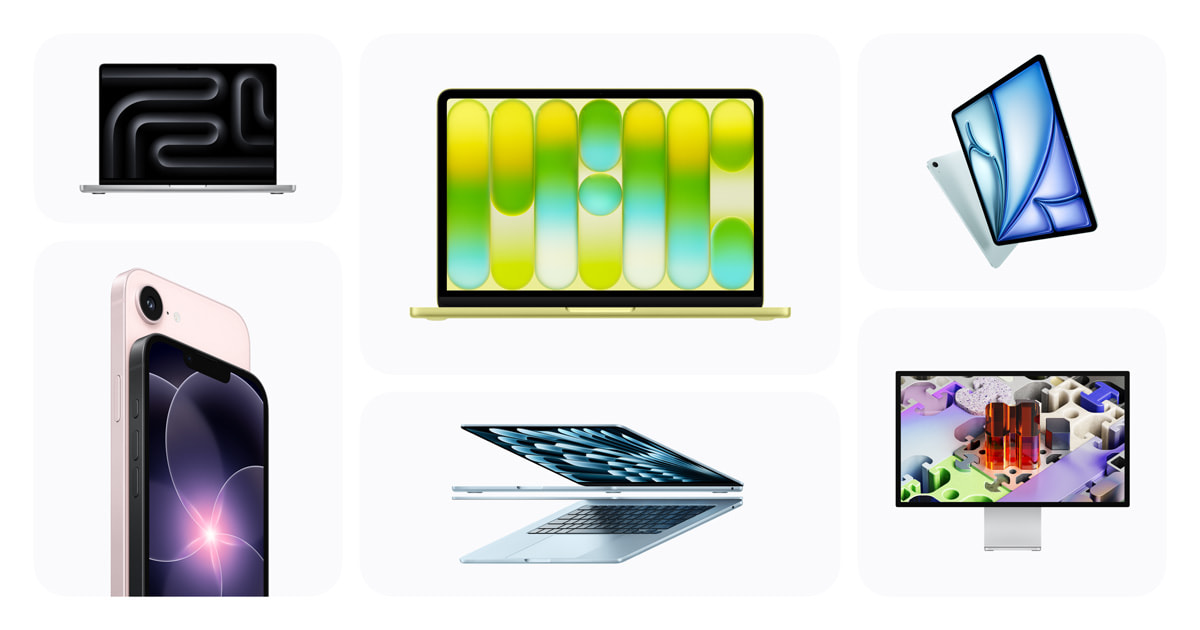
You do not buy the beta; you download it. The single official starting point is the Apple Developer website, where you sign in with your Apple Account, accept the agreement and enable beta access at no cost. For the install itself, everything happens on the device in Settings, General, Software Update, Beta Updates. If you need a spare iPhone to test on safely, the UK Apple Store, John Lewis, Currys and the major networks such as EE, Vodafone, O2 and Three all sell eligible iPhone 11-or-newer models, and the second-hand market through refurbishers like CeX or back-market sellers is a sensible cheaper route for a dedicated test phone.
For rollback tooling you will want a Mac with Finder or a Windows PC with Apple Devices or iTunes installed, plus a known-good cable. Before relying on any of it, confirm the current restore steps on Apple’s official support pages, because they change between releases. If you are shopping for a new main phone rather than a test unit, our verdict on whether the Samsung Galaxy S26 is worth it in the UK offers a cross-platform comparison point.
Installing the iOS 27 developer beta in the UK has never been easier, and that is exactly why we urge a little discipline. The free account removes the old 99 dollar barrier, the UK gets the new Siri features without the EU’s DMA wait, and the over-the-air install is genuinely simple. But beta one is rough by design, and rolling back leans on a computer and on the older backup you must make first. Our call: if you have a spare eligible iPhone, go for it, back up properly, and enjoy an early look. If your only phone is the one you bank, work and travel with, wait for the July public beta or the autumn release. The head start is real, but so is the risk, and a broken daily-driver is a steep price for a few weeks of impatience.










Reader discussion
Leave a comment
Comments are moderated. Keep it useful, accurate, and on topic.