
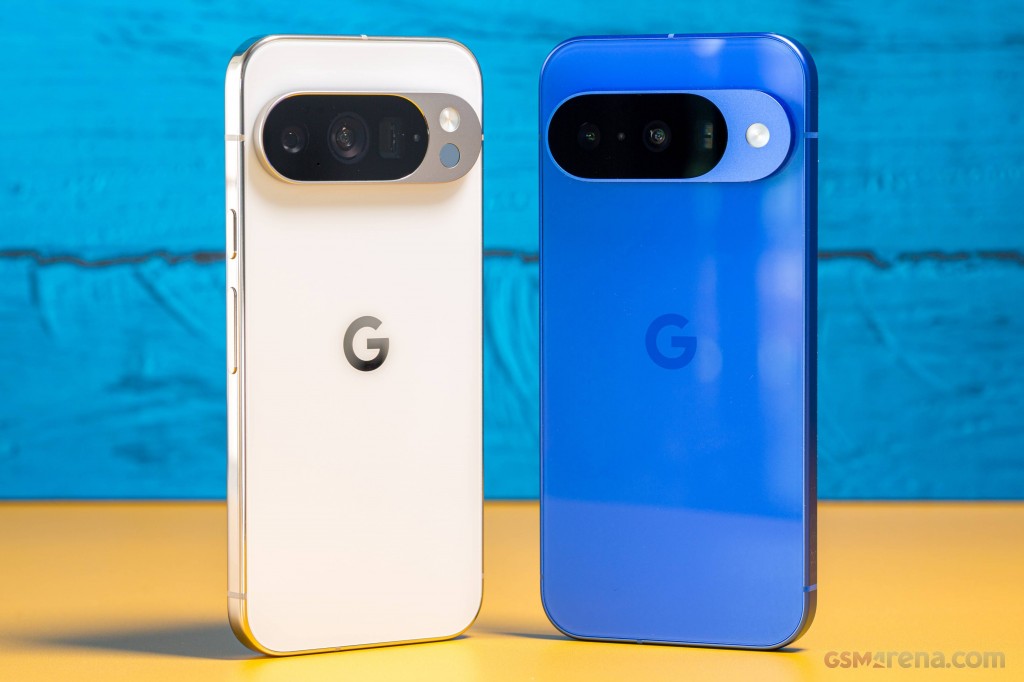
The smartest move for most UK buyers this summer is to buy last year’s flagship instead of a 2026 launch, and the maths is not close: a Google Pixel 10 that listed at £799 on the Google Store UK last August has been seen at £549 in the run-up to Prime Day, while the newer model on the shelf next to it asks full price for gains most people will never notice. With Amazon confirming on its UK newsroom that Prime Day 2026 runs from 23 to 26 June, the cheapest route to a genuinely excellent Android phone this summer is not a fresh box, it is a twelve-month-old one at a discount (prices last checked: 2026-06-12).
Key takeaways
- The deltas are shrinking. Year-on-year flagship gains in chip speed, camera and battery are now incremental; the Pixel 10 and Galaxy S25 Ultra remain class-leading a year on.
- Support windows changed the game. Google and Samsung both promise seven years of OS and security updates from launch, so a 2025 flagship is safe until roughly 2032 (Google and Samsung newsroom commitments, 2025).
- The savings are large. Last-gen flagships routinely sit £150 to £300 below their current equivalents at UK retailers; a Pixel 10 has appeared near £549 versus £799 at launch (last checked: 2026-06-12).
- Prime Day is the trigger. Amazon’s UK event, 23 to 26 June 2026, historically discounts prior-generation stock far harder than the new launch (aboutamazon.co.uk, 2 June 2026).
- Upgrade only for a real reason: a broken phone, a failing battery, a missing feature you will use weekly, or a trade-in that wipes most of the gap.
Why you should buy last year’s flagship in 2026
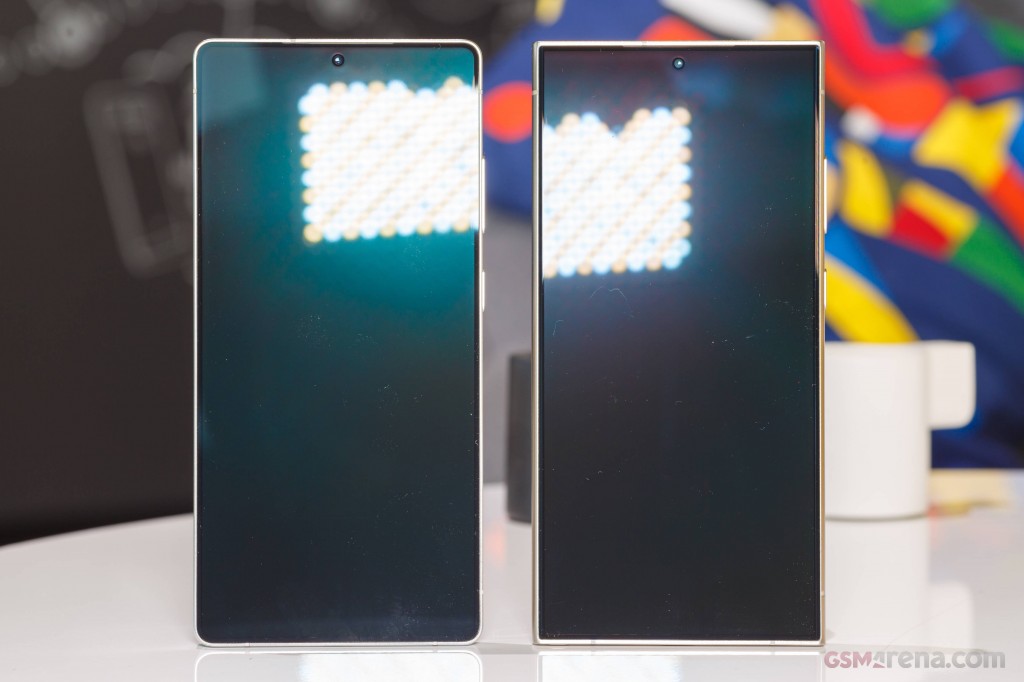
Walk into any UK phone shop this June and you are presented with a quiet con: two phones that look almost identical, one priced as if it is meaningfully better than the other. It rarely is. The current Samsung Galaxy S26 Ultra and last year’s Galaxy S25 Ultra share the same screen size, the same 200-megapixel main camera concept, the same S Pen and broadly the same battery endurance in normal use. Samsung’s own spec sheets show the headline jump is a newer chip and some on-device AI tuning. For the buyer who texts, photographs the dog, watches football highlights and runs banking apps, that is not £300 of difference. It is bragging rights.
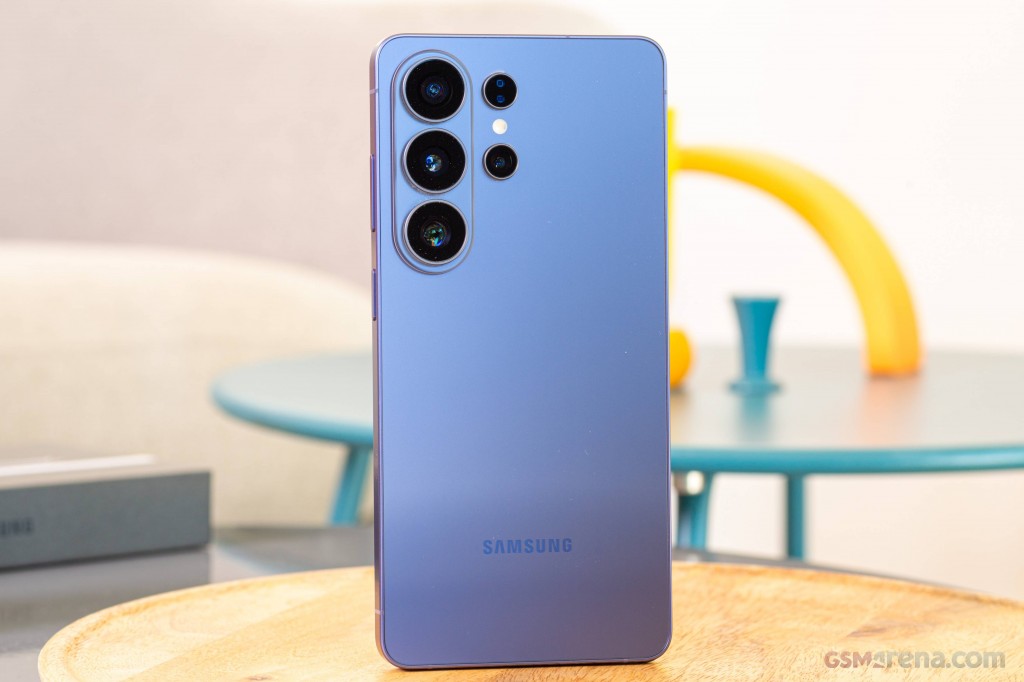
The case for restraint rests on three pillars, and the first is the simplest: the gains between generations have flattened. A decade ago a new flagship doubled performance and transformed the camera. Today the improvements are measured in single-digit percentages and marketing slides. Our own Pixel 10 versus iPhone 17 comparison found two superb phones separated by preference rather than capability, and the same is true within a single brand’s own lineup across two years. The Tensor and Snapdragon chips of 2025 are not slow; they will not feel slow in 2027 either.
Seven years of updates made old flagships safe
The second pillar is the one that genuinely changed the calculation. The old objection to buying last year’s phone was that it would fall off the update list and become a security risk. That objection is dead. Google committed to seven years of OS, security and feature-drop updates for the Pixel 8 onwards, and Samsung matched it with seven years of OS and security patches for its Galaxy S24 generation and later. A Galaxy S25 Ultra or Pixel 10 bought today is supported into the early 2030s, which is longer than most people keep any phone.
This matters for resale and peace of mind. A phone that will still get patches in 2031 holds its value better and can be handed down to a family member without becoming a liability. It also undercuts the most common upgrade pitch, which is that you “need” the new model to stay current. You do not. The software that defines the modern Android experience, including Gemini features and the security architecture, lands on last year’s hardware too. We made this argument at length when we said you should never buy a new phone for an AI upgrade alone, and a year of update commitments has only strengthened it.
A Galaxy S25 Ultra bought in June 2026 is supported into the early 2030s. That is longer than most people keep any phone, which removes the last good reason to pay full price for the new one.
The third pillar is the money, and this is where Prime Day turns a sensible idea into an obvious one. New flagships almost never see deep discounts in their first nine months; retailers protect launch pricing. Prior-generation stock is exactly where the cuts land. Which? has repeatedly noted that the strongest event-season deals appear on last year’s models and on bundles, not on the latest box. That pattern is why our advice on the iPhone 17, buy now or wait for Prime Day, leaned firmly towards patience for anyone not in a hurry.
The real pound savings: Pixel, Galaxy and Nothing
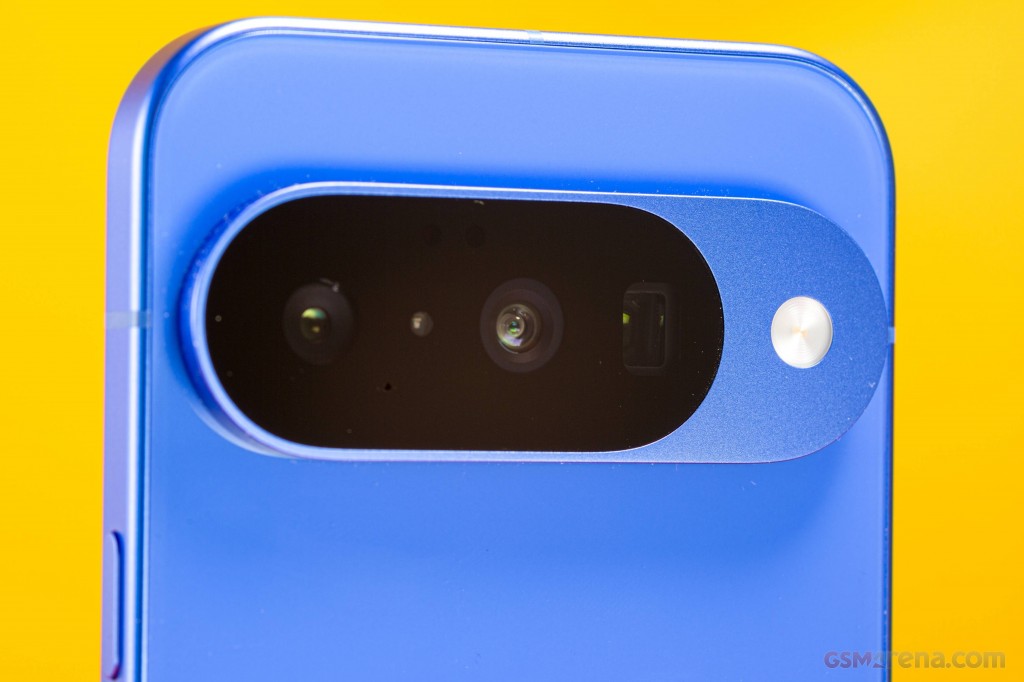
Let us put numbers on it. The Pixel 10 launched at £799 for 128GB on the Google Store UK in August 2025. By this June, with the Pixel 11 already leaking for an August window, UK retailers have discounted the Pixel 10 sharply, with sightings near £549 to £599 (last checked: 2026-06-12). That is a £200-plus saving on a phone with the same seven-year support runway as anything Google sells today, and the imminent Pixel 11 launch will only push the Pixel 10 lower.
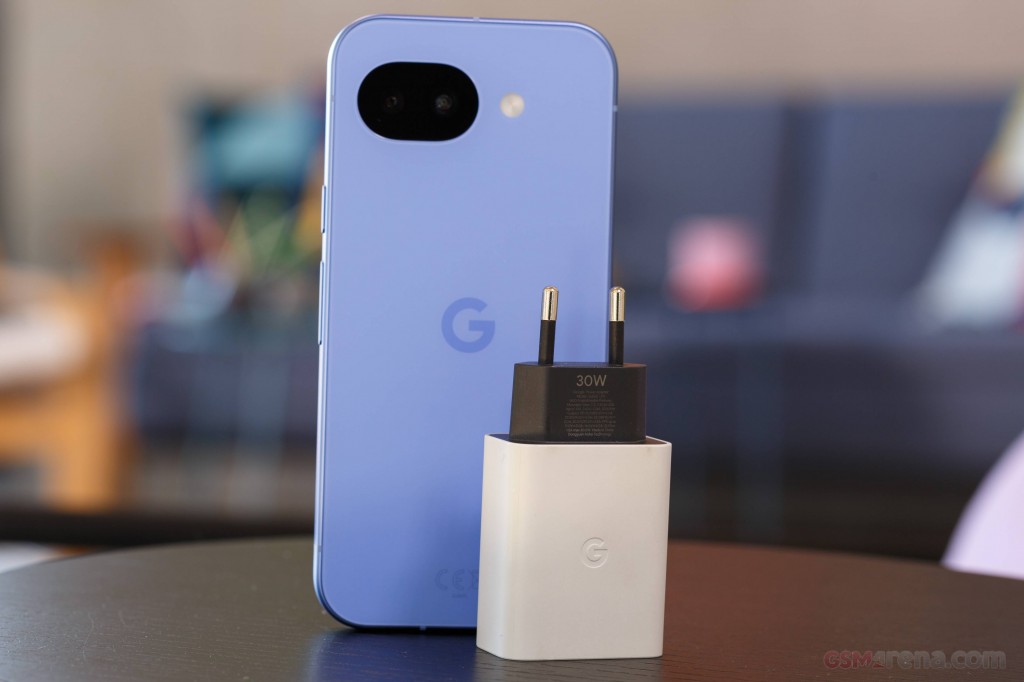
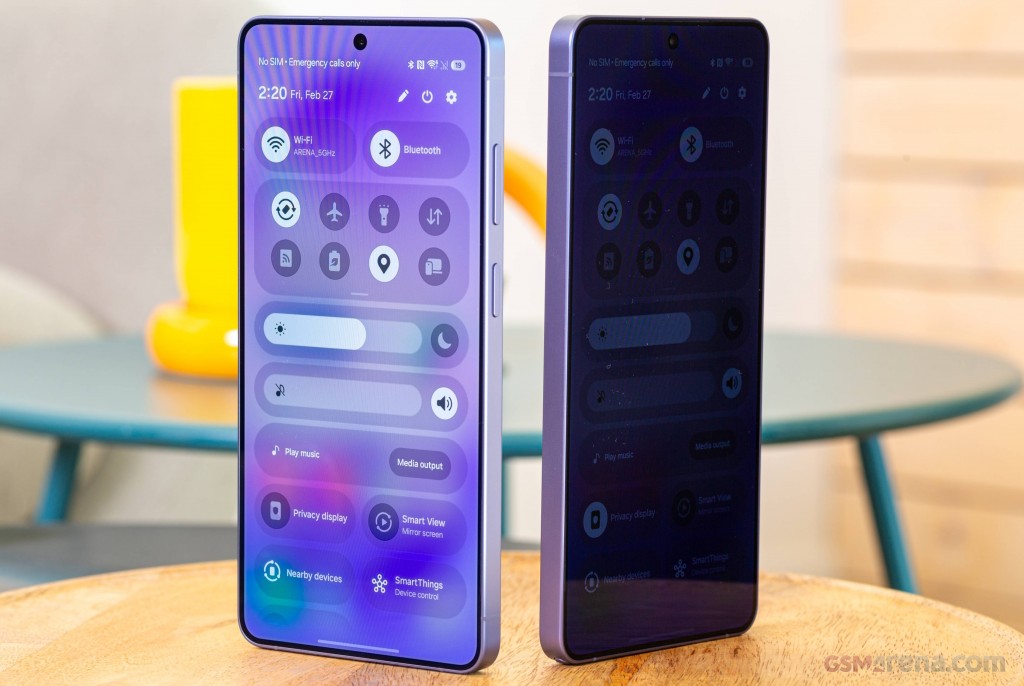
Samsung tells the same story. The Galaxy S25 Ultra, a £1,249 phone at launch, has slid well under £1,000 at major UK sellers ahead of the rumoured 22 July Unpacked in London, where the Galaxy Z Fold 8 and Flip 8 are expected. When the new foldables and any S-series refresh land, last year’s S25 Ultra will be the value buy of the summer. If you want the cheaper, cleaner route, the Pixel 10a at £499 already undercuts the lot while keeping the same camera pipeline and update promise. Even Nothing plays this game: the Nothing Phone 3 remains a distinctive flagship-tier buy a generation on, and its price has only softened.
The comparison does not even need to cross brands to make the point. When we pitched the Honor 200 Pro against the Pixel 9 Pro, the older Pixel held its own on camera while costing far less than a current flagship. The lesson repeats everywhere you look: the second-newest phone is almost always the best-value phone.
When an upgrade is still worth it
This is opinion, not dogma, and there are real cases where buying new is the right call. The clearest is need rather than want. If your current phone is broken, if the battery no longer lasts a working day, or if a cracked screen makes it unsafe, replacing it now beats nursing it for months. A degraded battery is the single best reason to move on, and it is the one upgrade trigger we never argue with.
The second valid case is a specific feature you will use every week, not once. Satellite SOS for hillwalkers, a genuinely better zoom for a parent at school sports day, or a foldable form factor for someone who reads and works on the move: these are concrete, repeated uses that justify the premium. If the rumoured Galaxy Z Fold 8 at around £1,495 solves a daily problem for you, that is money well spent. If it is a novelty you will show friends twice, it is not. The same discipline applies to networks and tariffs, which is why we keep telling readers to scrutinise the deal rather than the handset, as in our look at whether EE refurbished phone plans actually save money.
The third case is trade-in arithmetic. If your network or the manufacturer offers a trade-in that wipes most of the gap between old and new, the saved value of buying last-gen shrinks, and the new model can make sense. Apple, Google and Samsung all run aggressive trade-in promotions around launches; when one of those covers £400 or more, run the numbers fresh. Outside those three triggers, a broken phone, a weekly feature, or trade-in that closes the gap, the rational UK buyer in June 2026 should be shopping the previous generation.
The second-newest phone is almost always the best-value phone. In 2026, with seven-year support windows and a June Prime Day, that has never been more true.
Where to buy or check next in the UK
If you are convinced, here is where to look before and during Prime Day (23 to 26 June 2026; prices last checked 2026-06-12):
- Amazon UK during Prime Day, 23 to 26 June: watch the Pixel 10 (last seen near £549 to £599) and the Galaxy S25 Ultra (under £1,000). Prime membership is required for the deals.
- Google Store UK: check the Pixel 10 and Pixel 10a directly; Google frequently price-matches and bundles when a successor is imminent.
- Samsung UK: ahead of the 22 July Unpacked, the S25 Ultra and S25 are prime trade-in territory; factor the trade-in credit into the headline price.
- Currys and Argos: reliable for last-gen stock and price-match guarantees; useful for picking up in person and avoiding delivery waits.
- Network refurbished schemes (EE, others): certified last-gen handsets on contract can beat SIM-free pricing once you account for the tariff.
- Comparison tables: cross-check SIM-free against contract totals so a low monthly figure does not hide a higher all-in cost.
Our take
Our position is unambiguous: for the overwhelming majority of UK buyers, the right move this summer is to skip the 2026 launch and buy last year’s flagship at a Prime Day discount. The gains between generations no longer justify the premium, the seven-year update commitments from Google and Samsung make a 2025 phone safe well into the next decade, and the pound savings, often £200 to £300, are real money you can keep. Buy new only if your current phone is broken, if a specific feature earns its keep weekly, or if a trade-in wipes most of the gap. Otherwise, let the early adopters absorb the launch premium, and pick up their last phone for less. If you are still weighing whether the new Samsung earns its price, our verdict on whether the Galaxy S26 is worth it reaches the same conclusion from the other direction.
Should I buy last year’s flagship or this year’s in the UK?
How long will a 2025 flagship get updates?
How much can I save by buying last-gen during Prime Day?
When is Amazon Prime Day 2026 in the UK?
Is the Pixel 10 still worth buying with the Pixel 11 coming?
When does upgrading to a new flagship actually make sense?
Will last year’s flagship feel slow in a couple of years?
Is a refurbished phone a better deal than a new last-gen one?
Does buying last year’s flagship hurt resale value?
Should I wait until Prime Day or buy now?
Related reading
- Amazon Prime Day 2026 in June: what UK shoppers should put on a watchlist now
- iPhone 17 UK: buy now or wait for Prime Day?
- Google Pixel 10a UK: is the £499 budget Pixel worth it in 2026?
- Is the Samsung Galaxy S26 worth it in the UK?
MMTW Editorial















Reader discussion
Leave a comment
Comments are moderated. Keep it useful, accurate, and on topic.