

The iPhone 17 UK question right now is simple to ask and surprisingly easy to answer: with Amazon Prime Day landing on 23 to 26 June 2026, just 11 days after this is published, do you buy Apple’s newest flagship today or hold out for a sale? Apple’s own UK store lists the iPhone 17 from £799 (256GB), Uswitch tracks contract deals from around £14 a month plus upfront, and consumer body Which? said in May 2026 that on Apple’s latest range “you shouldn’t expect to find significant discounts on them yet”. Our verdict, set out in full below, is that the flagship 17 itself is the wrong thing to wait for, while accessories and older stock are not.
Key facts
- Price: iPhone 17 is £799 (256GB) and £999 (512GB) SIM-free on Apple’s UK store; 0% financing from £26.63 a month over 30 months (Apple UK, last checked 12 June 2026).
- Cheaper option: iPhone 17e is £599 (256GB) and £799 (512GB), launched March 2026 (Apple Newsroom).
- Where to buy: sold by Apple plus O2, Vodafone, Three, Sky Mobile and Tesco Mobile; comparison-site contracts from around £14 a month plus upfront (Uswitch, June 2026).
- Software: the iOS 27 developer beta arrived in early June 2026, public beta around July, full release autumn 2026; iPhone 17 is fully supported (Apple Newsroom, June 2026).
- Prime Day: Amazon Prime Day runs 23 to 26 June 2026; no iPhone 17 discount is confirmed in advance (About Amazon UK).
iPhone 17 UK pricing: where the line actually sits today
Start with the number that anchors every other decision. The iPhone 17 costs £799 for the 256GB model on Apple’s UK store, with the 512GB version at £999. That £799 entry point is notable because it is the first time a non-Pro iPhone has started at 256GB rather than 128GB, so the headline price buys more usable storage than the equivalent model did a year ago. Apple’s interest-free financing splits the £799 into 30 payments of £26.63, which is the figure most UK buyers will actually budget against rather than the lump sum.
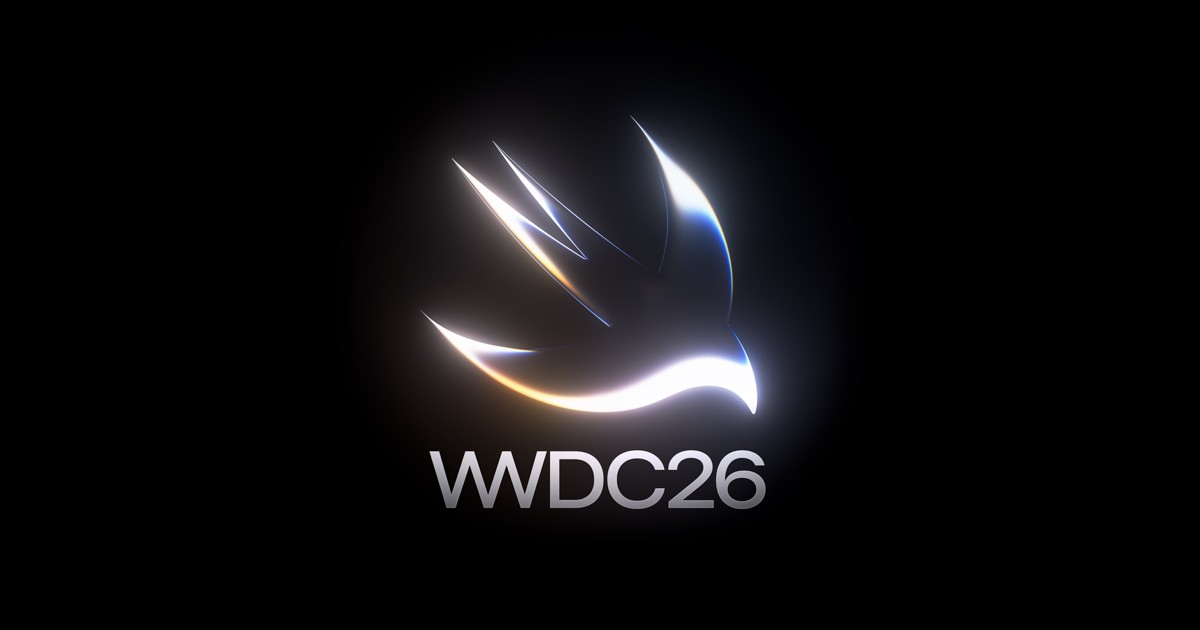
Against that, the cheaper iPhone 17e exists for buyers who flinch at £799. It launched in March 2026 at £599 for 256GB and £799 for 512GB, and it doubles the base storage of the model it replaced at the same entry price. If your honest use is messaging, maps, banking and a camera that is good rather than exceptional, the 17e is the more rational buy, and we said as much in our look at whether the iPhone 17e is worth buying in the UK. The decision to wait or buy applies to both, but the maths is sharpest on the £799 flagship.
Contract pricing is where the picture gets noisier. Uswitch’s June 2026 tables show iPhone 17 deals from around £14 a month plus an upfront cost, though those figures move daily with data allowance, tariff and trade-in. Treat any single monthly headline as a snapshot, not a fixed price, and always check the total cost across the full contract term rather than the eye-catching first number. A £14 a month tariff with a large upfront payment can cost more over two years than a £20 a month deal with nothing to pay on day one.
Buy now or wait for Prime Day: the timing question
Here is the trap. Prime Day’s June dates have been confirmed by Amazon for 23 to 26 June 2026, the first time in the event’s 11-year history that it has moved out of July. That four-day, Prime-member-only window will be loud, and it is natural to assume a brand-new iPhone will be swept up in it. The evidence says otherwise. New flagship iPhones rarely see deep cuts in the months after launch, because demand is high and Apple controls pricing tightly. The discounts that do appear at events like Prime Day cluster on prior-generation stock, accessories and bundles, not on the current halo device.
That is exactly what Which? flagged in May 2026, and it matches what we have seen across previous Prime and Black Friday cycles. If you are waiting specifically for the iPhone 17 to drop by a meaningful amount on 23 June, you are likely to be disappointed, and you will have spent 11 days without the phone you have already decided you want. The same logic shaped our read on whether to buy the Galaxy Z Fold 7 now or wait: with current flagships, the wait usually buys patience, not savings.
If you are waiting specifically for the iPhone 17 to drop by a meaningful amount on 23 June, you are likely to be disappointed.
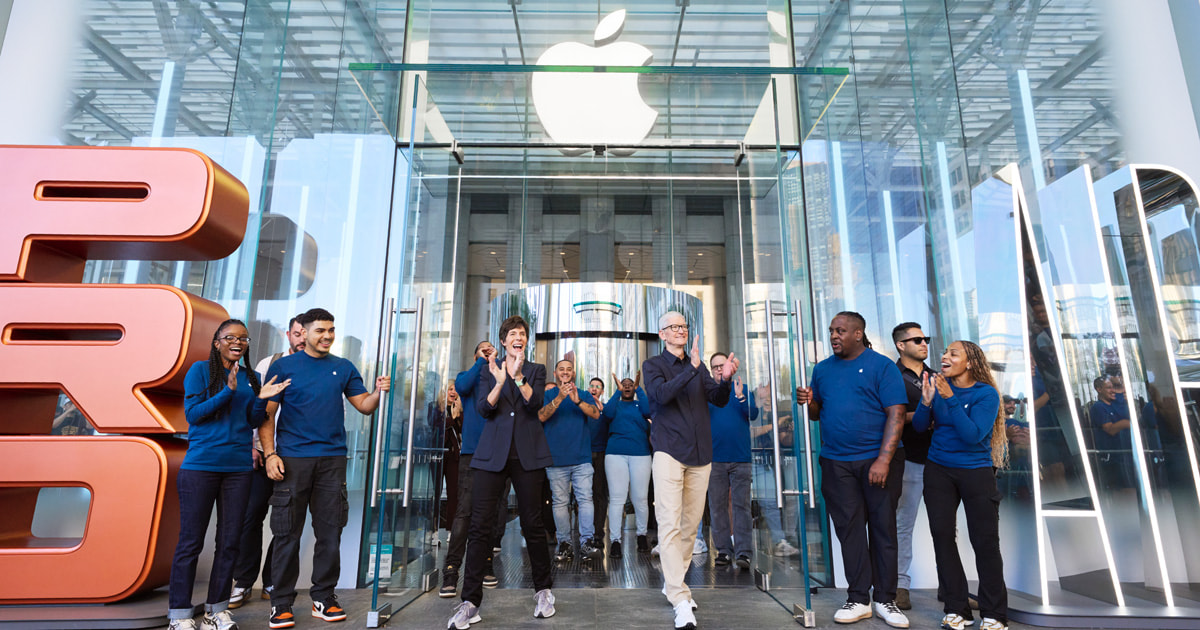
There is a real exception worth respecting. If you do not actually need a phone before late June, holding a few days costs you nothing and lets you watch for genuine Prime Day movement on the iPhone 16 line, refurbished iPhone 17 units, cases, chargers and MagSafe accessories, all of which do discount. The decision therefore splits cleanly on urgency: if your current phone is failing and you need a replacement now, buy; if you are simply curious whether a sale is coming, wait and watch, but set your expectations on accessories and older models rather than the 17 itself.
iOS 27 and why the software favours buying now
The timing case strengthens once you factor in software. Apple seeded the iOS 27 developer beta in early June 2026 around its WWDC keynote, with a public beta expected in July and the full release arriving in autumn 2026. The iPhone 17 is fully supported, and it sits comfortably inside the hardware tier that gets the new Apple Intelligence and rebuilt Siri AI features rather than just the baseline update. Buying the 17 now means you are buying a device with a long, complete software runway in front of it, not one nearing the end of its support window.
This matters more than a one-off discount. A phone you keep for three or four years earns its price back through the updates it receives, and the 17 is positioned to get every major feature Apple ships through this cycle. If you want the detail on the update itself, our explainer on the iOS 27 developer beta and how to install it in the UK covers the rollout, and our piece on what Apple’s new Gemini-powered Siri AI means now sets out which features are confirmed for UK users and which are not. The short version: the 17 is on the right side of every line Apple has drawn.
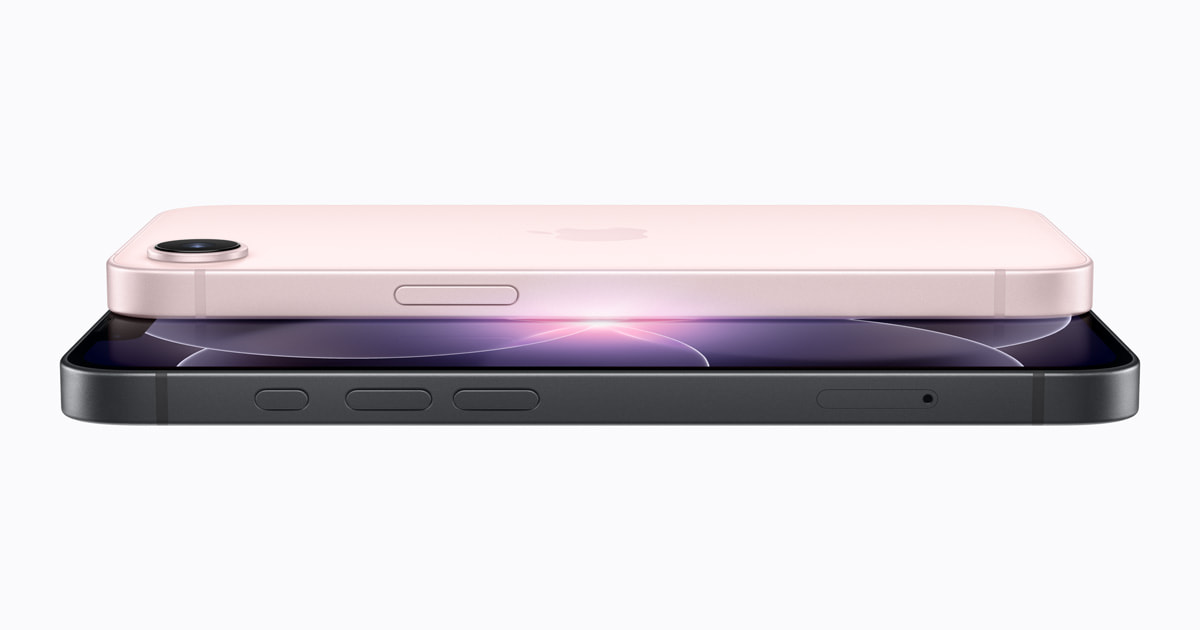
Trade-in is the lever that changes the real cost more than any sale is likely to. Apple’s UK trade-in scheme offers up to around £650 to £670 off an unlocked device in good condition, which can take a sizeable chunk off the £799 price immediately, today, without waiting for 23 June. If you are holding an iPhone 13, 14 or 15 in working order, running the trade-in numbers now is almost always more valuable than gambling on a Prime Day cut that historically does not arrive for the current flagship. We walk through the broader carrier picture in our guide to the best UK iPhone deals on EE.
iPhone 17 versus the alternatives at £799
Part of any buy-now decision is checking you are buying the right phone, not just the right week. At £799, the iPhone 17 shares its entry price with the Google Pixel 10, which lists at £799 for 128GB on the Google Store UK, so the two square off directly on price even though the iPhone gives you more base storage. If you are not locked into Apple’s ecosystem, that comparison is worth making before you commit, and it sits alongside the Pro-tier question we covered in Pixel 10 Pro versus iPhone 17 Pro.

The other alternative is internal: the 17e at £599 saves you £200 for a phone that does the everyday job well. The honest framing is that the £200 gap buys you a faster chip, a stronger camera system and more headroom for years of demanding apps, but it does not change whether you can message, bank, navigate or shoot a decent photo. For a lot of UK buyers, the 17e is the smarter spend, and waiting for Prime Day will not close that £200 gap on the flagship either. If you want a non-Apple shortlist, our roundup of the best iPhone alternatives in the UK is the place to start.
The £200 gap to the 17e buys headroom for years of demanding apps, not the ability to message, bank or shoot a decent photo.

Where to buy or check next in the UK
If you have decided to buy, here is where to check, with prices confirmed on 12 June 2026. Apple’s own store is the reference point: £799 for the iPhone 17 256GB SIM-free, or £26.63 a month over 30 months at 0%, with up to roughly £650 to £670 in trade-in credit if you hand over an older device. That is the baseline every other deal has to beat.
- Apple UK store (last checked 12 June 2026): £799 (256GB), £999 (512GB), 0% financing from £26.63 a month, trade-in up to about £650 to £670.
- O2, Vodafone and Three (last checked 12 June 2026): handset-plus-airtime contracts; compare total cost over 24 months, not the monthly headline, and check upfront fees.
- Sky Mobile and Tesco Mobile (last checked 12 June 2026): both stock the iPhone 17 range; Sky Mobile’s swap and mix-and-match plans can lower the effective monthly cost.
- Uswitch and comparison sites (last checked 12 June 2026): contract deals from around £14 a month plus upfront; figures fluctuate daily, so re-check on the day you buy.
- Amazon during Prime Day (23 to 26 June 2026): watch for accessory and prior-generation discounts rather than a confirmed iPhone 17 cut.
For broader buying context, our UK eSIM setup guide for EE, VodafoneThree and O2 is useful if you are switching network alongside the new phone, since most iPhone 17 contracts now default to eSIM activation.
Our verdict
Buy the iPhone 17 now if you need it. The flagship’s price is unlikely to move meaningfully at Prime Day, the historical pattern points to shallow discounts on current iPhones, and Which? has said as much for May 2026. Against that, the iOS 27 runway, full Apple Intelligence support and Apple’s trade-in credit of up to around £670 are all available today, so the device’s real-world cost can already be lowered without waiting. The only sound reason to hold is if you genuinely do not need a phone before late June, in which case the smart play is to watch Prime Day for accessories, refurbished units and older iPhone 16 stock, all of which do go on sale, and to leave the 17 purchase to whenever your trade-in and contract maths look best. From our buyer notes, that is the call: buy now if you need it, wait only for the things that actually discount.

















Reader discussion
Leave a comment
Comments are moderated. Keep it useful, accurate, and on topic.