
Vodafone vs O2 is the comparison that has changed more than any other UK network question in the past year, because the Vodafone side is now VodafoneThree, the merged operator with the country’s largest combined mast estate, while the O2 side is the mobile half of Virgin Media O2. The brands you knew are still on the SIM, but the coverage, the pricing ladders and the perks behind them have shifted enough that an old loyalty is worth re-testing before you sign another two-year deal.
- Vodafone now trades as VodafoneThree after the Vodafone UK and Three UK merger completed in June 2025, with an £11 billion network plan over ten years (VodafoneThree, 19 November 2025).
- Vodafone’s cheapest no-cap unlimited SIM-only plan is Unlimited Plus at £26 a month; the entry Unlimited is £35 (vodafone.co.uk, June 2026).
- O2 sells SIM-only as Classic, Plus and Ultimate plan types layered on a data tariff; the Ultimate airtime element is £6.99 a month and keeps a Disney+ or Amazon Prime perk for the life of the plan (Virgin Media O2, 19 March 2026).
- Ofcom’s Connected Nations 2024 found 5G outside premises from at least one operator at 95%, but the area where every operator overlaps sits at just 38% of premises.
What changed: VodafoneThree and the O2 you actually buy
Start with the labels, because they no longer mean what they did in 2024. When you buy a Vodafone plan today you are joining VodafoneThree, the operator formed when Vodafone UK and Three UK merged in June 2025. The company says it has upgraded more than 8,000 masts since launch, with 21 million Vodafone and Three customers already benefiting and Multi-Operator Core Network technology letting the two old networks hand customers between each other automatically. The O2 you buy is the mobile arm of Virgin Media O2, still sold under the O2 name and still carrying O2 Priority, but now bundled with Volt benefits if you also take Virgin Media broadband.
This matters for the comparison because the two operators are competing on different strengths now. VodafoneThree is leaning on raw scale and a long capital plan, promising 5G Standalone to 99% of the population by 2030. O2 is competing on value-per-pound and on perks, with O2 Priority and the lifetime Disney+ or Prime sweetener doing a lot of the persuasion. If your last comparison was a straight EE-versus-Vodafone choice, the merger has reshuffled the deck, and our look at the VodafoneThree satellite coverage clearance shows how fast the combined network is moving on hard-to-reach areas.
Coverage and 5G reach across the UK
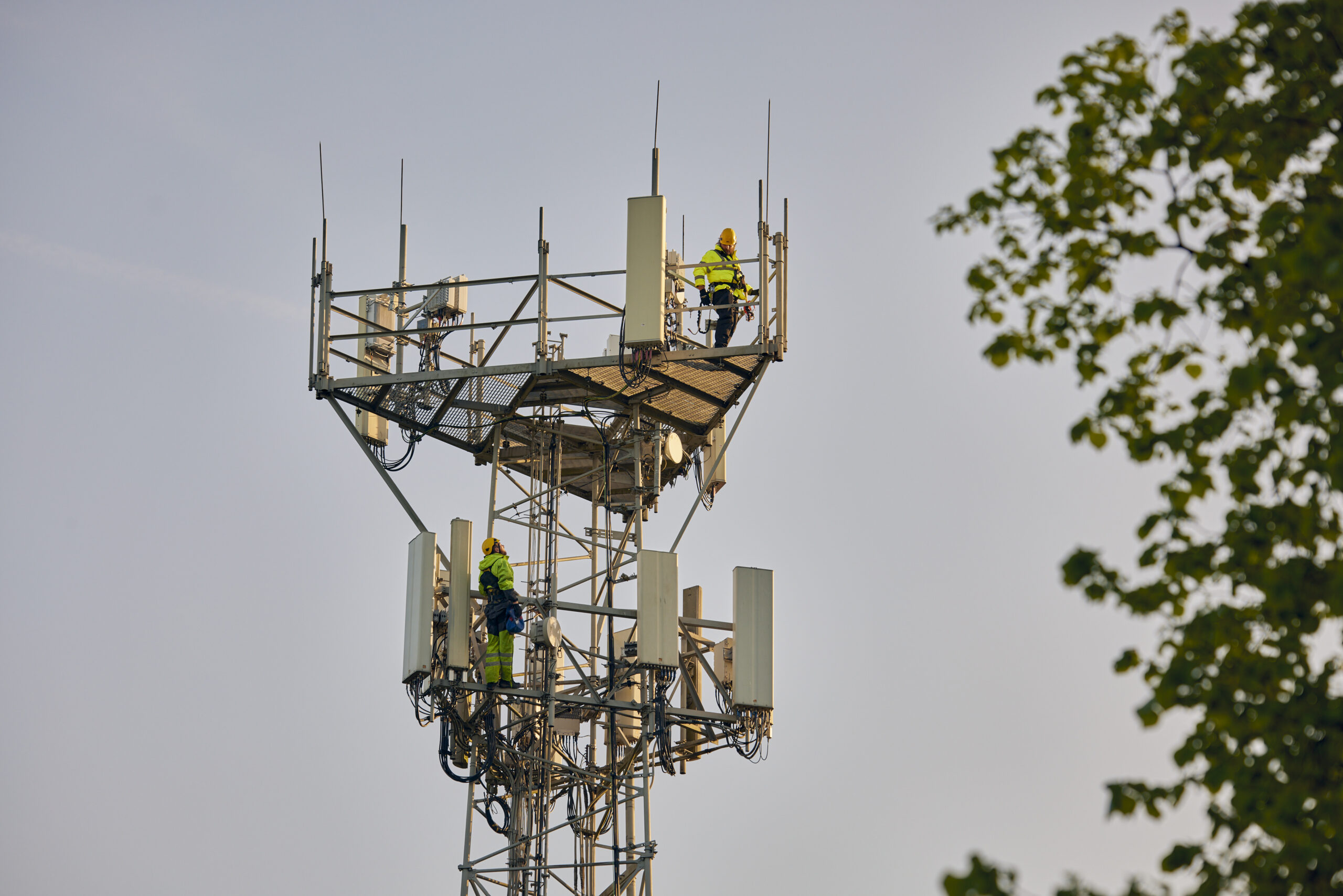
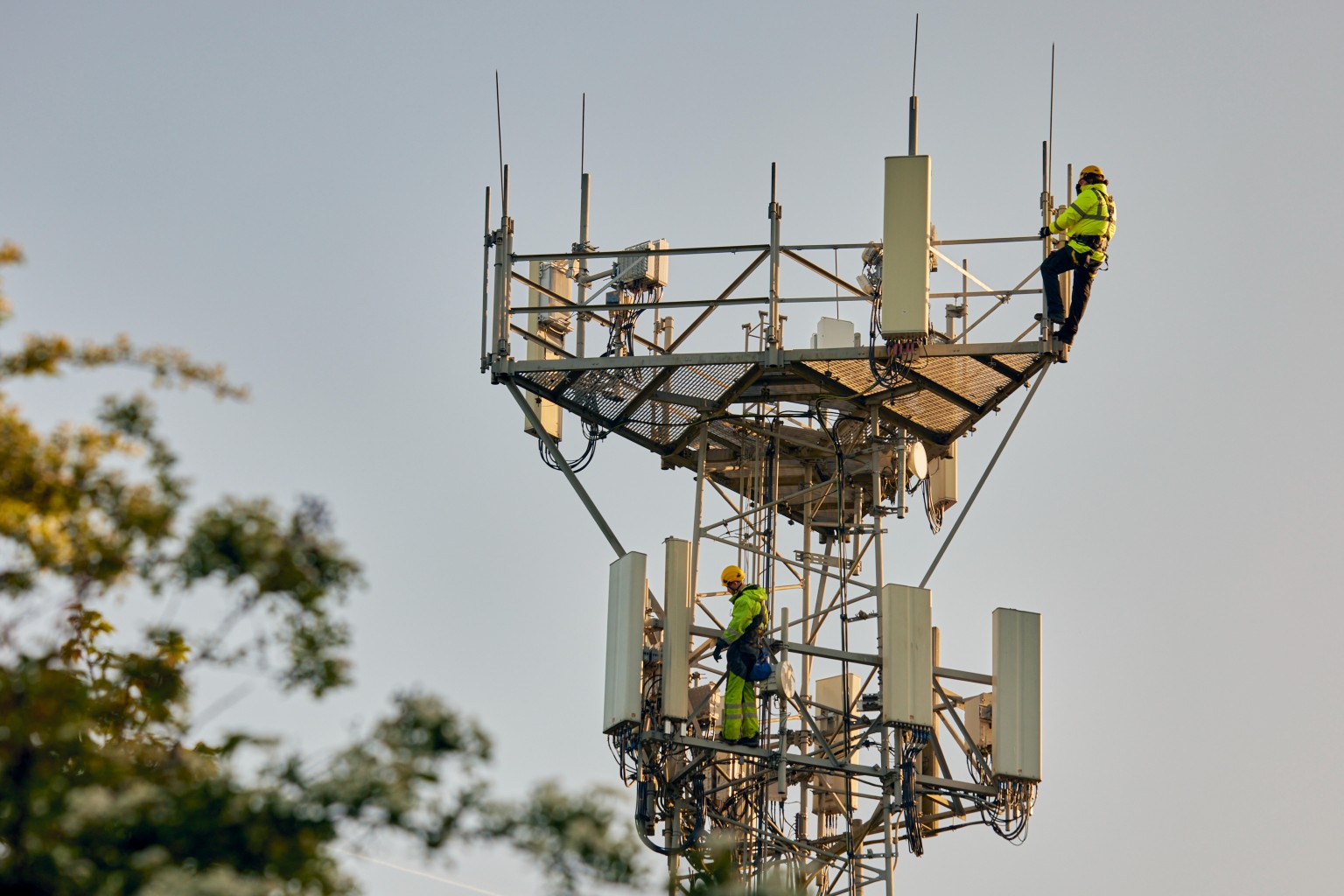
Coverage is where the merger gives Vodafone its clearest structural edge. Because VodafoneThree pools the Vodafone and Three masts, its combined footprint is the largest of any single UK operator, and that pooling is already widening real-world reach rather than just adding a logo. Ofcom’s Connected Nations 2024 report found 5G outside premises from at least one operator at 95% on its high-confidence measure, so the headline national figure is strong for everyone. The catch buried in the same report is that the area where all operators provide 5G, the part that gives you a genuine choice, covers only 38% of premises.
That single statistic is why a national map cannot settle Vodafone vs O2 for you. The only check that counts is your own postcode, your commute and the two or three buildings where you actually need a signal. O2’s network is mature and broad but has not gained a merger’s worth of new sites, while VodafoneThree is the one actively absorbing a second mast estate. For most town and city users the difference will be marginal; for rural or fringe-of-coverage users, the combined Vodafone footprint is the one we would test first. If you are pairing the SIM with a new handset, our notes on checking 5G band support before you switch are worth a read.
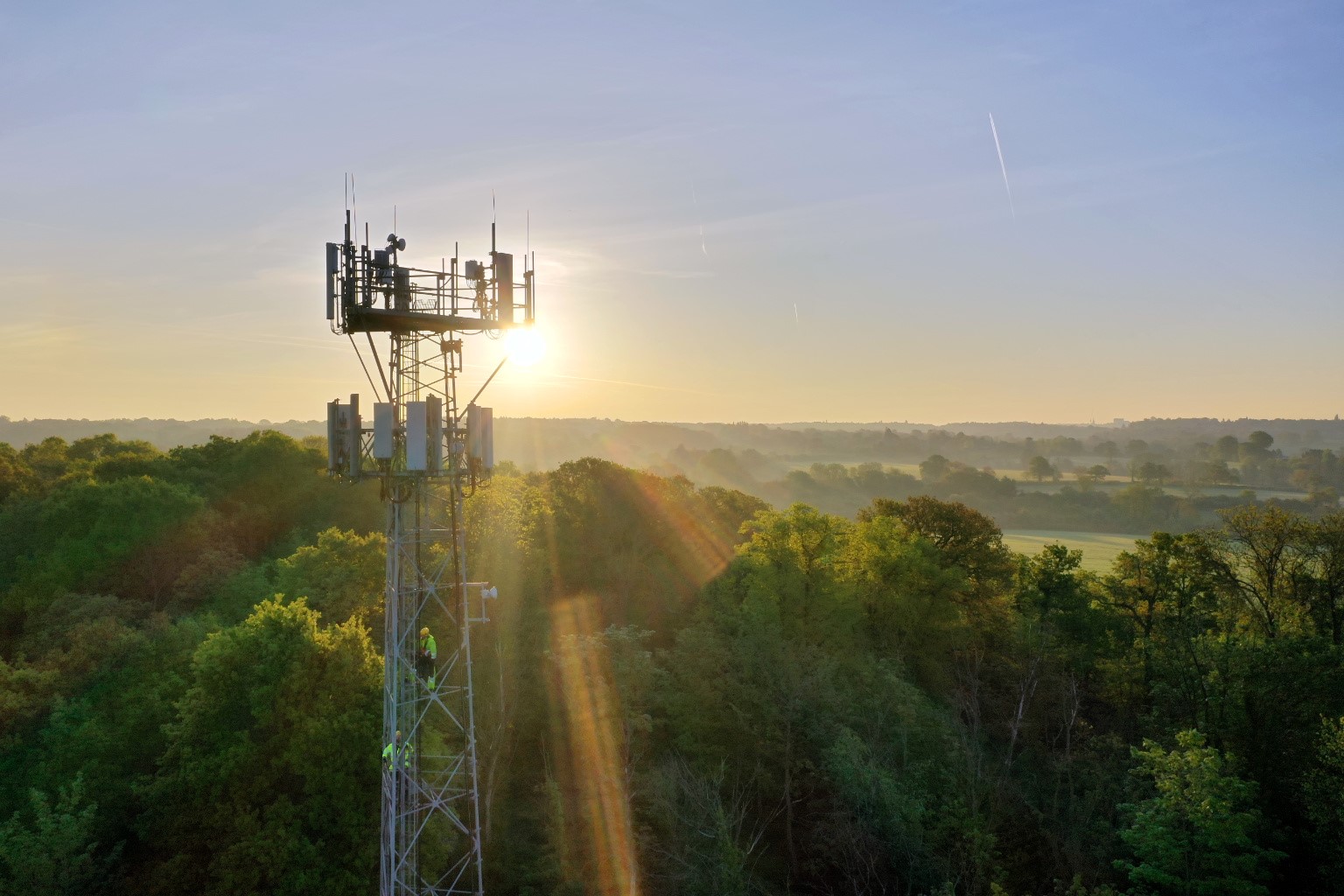
One genuine quantified difference sits on the edge of coverage rather than the centre. O2 has added O2 Satellite to its Ultimate Plan, which Virgin Media O2 says lifts its landmass coverage from 89% to 95% by routing texts and basic data via satellite where there is no mast at all. VodafoneThree is trialling its own satellite messaging during summer 2026 but has not switched it on for customers yet. If you spend time in Highland glens, on coastal paths or deep in National Park dead-zones, that is a live, today reason O2 Ultimate edges ahead on raw reach.

SIM-only pricing and the plans that matter
Here the two operators price in completely different shapes, which is what makes a like-for-like read tricky. Vodafone sells named tiers: its entry no-cap plan, simply called Unlimited, is £35 a month but throttles to 100Mbps; Unlimited Plus at £26 a month is the cheaper, faster option with uncapped speeds and 52 European roaming destinations; and Unlimited Premier at £48 a month adds 84 worldwide destinations and a Speed Boost. There are also tidy mid-data plans such as 100GB at £24 and 150GB at £25 for people who never touch a true unlimited bucket. Every airtime plan rises by £2.50 each April, so a £26 plan becomes £28.50 in April 2027.
O2 layers a plan type over a data choice. You pick your gigabytes, then choose Classic, Plus or Ultimate. The Ultimate airtime element costs £6.99 a month on top, and for that you keep an O2 Extra such as Disney+ Premium or Amazon Prime for the full life of the plan, get 123 roaming destinations, data rollover, McAfee security and O2 Satellite. Plus sits in the middle with six months of the perk and 75 destinations, and Classic is the cheapest with three months of the perk and 48 destinations. O2’s annual rise is also £2.50 each April, matching Vodafone pound for pound. For the full step-by-step on moving your number, our eSIM setup guide for VodafoneThree and O2 walks through both.
| Plan area | Vodafone (VodafoneThree) | O2 (Virgin Media O2) | MTW read |
|---|---|---|---|
| Cheapest uncapped unlimited | Unlimited Plus, £26/mo | Unlimited data on Ultimate, +£6.99 airtime over data tariff | Vodafone is simpler to price; O2 wins if you value the lifetime perk |
| Entry unlimited | Unlimited, £35/mo (100Mbps cap) | Classic/Plus on an unlimited tariff | Vodafone’s entry plan is throttled, so check the £26 Plus instead |
| Headline perk | Entertainment add-on (Disney+/Prime) for 24 months on +Entertainment plans | Disney+ or Prime for the life of an Ultimate plan | O2 keeps the perk longer; Vodafone’s is time-limited |
| Annual rise | +£2.50 each April | +£2.50 each April | Level pegging, both fixed-pounds not RPI |
| Roaming | 52 EU (Plus), 84 worldwide (Premier) | 48 / 75 / 123 by tier | O2 Ultimate reaches more destinations; Vodafone Premier is pricier |
The takeaway is that the sticker prices are not directly comparable until you add up airtime plus data plus perk. A heavy-data, perk-loving buyer who wants Disney+ for years can make O2 Ultimate look like the better value; a buyer who just wants fast uncapped data with no streaming bundle will usually find Vodafone’s £26 Unlimited Plus the cleaner deal. If you are weighing a network against a new handset, our Samsung Galaxy S26 UK pricing breakdown is a useful cross-check on total cost of ownership.
Perks and loyalty: Priority versus VeryMe
Perks are where O2 has historically out-marketed everyone, and it still does. O2 Priority gives every Pay Monthly and SIM-only customer free rewards plus 48-hour presale access to gigs and festivals through the Priority app. Virgin Media O2 says its summer Priority push put members on the VIP list at festivals including Love Supreme, On the Beach in Brighton and The Big Feastival, with bundled tickets worth up to £650 a pair, fast-track entry and members’ zones with charging. Lisa Johnstone, Director of Priority, Loyalty and Reward at Virgin Media O2, said Priority “is all about rewarding our customers with unforgettable experiences.” That live-events pull is a real, recurring reason people stay.

Vodafone counters with VeryMe Rewards, which runs weekly prize drops and discounts, plus the entertainment choice (Disney+, Prime Video or YouTube Premium for 24 months) on its +Entertainment plans and a Secure Net family safety trial. It is a solid scheme, but it leans on retail discounts more than O2’s tickets-and-experiences angle. Our verdict on perks alone: O2 Priority is the stronger loyalty programme if you go to live events, while Vodafone’s bundled streaming is the better fit if you would rather a subscription than a queue-jump. For families weighing safety tools, our piece on the RCS encryption rollout across Android and iPhone covers the messaging-security side both networks now carry.
O2 Priority is the stronger loyalty programme if you go to live events; Vodafone’s bundled streaming suits people who would rather a subscription than a queue-jump.
Roaming and travel: where each network goes
Travel splits along tier lines. O2 builds roaming into its plan types: Classic covers 48 European destinations, Plus stretches to 75, and Ultimate reaches 123 destinations worldwide with no add-on, which is genuinely generous if you travel beyond Europe. Vodafone keeps Europe in its Plus and Premier plans (52 destinations on Plus, included in the £26 Unlimited Plus) but pushes the wider 84-destination worldwide roaming into the pricier Unlimited Premier at £48 a month. For a European-only traveller, Vodafone’s £26 Unlimited Plus already includes the roaming you need; for a globe-trotter, O2 Ultimate’s 123 destinations are the cheaper route to worldwide use.

There is one more travel wrinkle worth naming. Both networks now treat roaming caps and fair-use the same way in practice, so the decision is about destination count and price band, not hidden throttles. If your phone bill is really an Android-versus-iPhone question first, our guide to the best iPhone alternatives in the UK for 2026 helps you fix the handset before you fix the network. And if you are still tempted by a third option, our EE 5G+ expansion explainer is the obvious cross-shop.
Where to buy or check next in the UK
Before you commit, run three checks. First, put your home, work and commute postcodes into both operators’ coverage checkers, because the 38% all-operator overlap figure means national maps will not decide it for you. Second, price the real total: Vodafone’s £26 Unlimited Plus or £35 Unlimited against O2’s chosen data tariff plus the £6.99 Ultimate airtime element and whichever perk you would actually use. Third, buy direct from vodafone.co.uk or o2.co.uk for the cleanest terms, or compare the same SIMs on Uswitch and MoneySuperMarket, and if you want Volt double-data, take O2 alongside Virgin Media broadband. Our rundown of recent UK network handset deals shows how bundle pricing can swing the maths.

One last reminder on price rises: both networks lock in a fixed £2.50 April increase rather than the old RPI-plus-percentage model, which Ofcom pushed the industry towards for clarity. That makes the long-term sums easier to forecast, but it still means a £26 plan is £31 by April 2028, so budget for the climb. If you would rather avoid mid-contract rises entirely, a 30-day rolling SIM from either network keeps you flexible, and the full Vodafone buy-out of VodafoneThree is worth understanding for what it signals about future investment.
Our verdict
For most UK buyers we would pick VodafoneThree, because the merged mast estate gives it the broadest single-network coverage and its £26 Unlimited Plus is the cleanest uncapped deal on the market, with European roaming already included. Choose O2, specifically the O2 Ultimate Plan, if you go to a lot of live events (O2 Priority is the better loyalty scheme), if you want a Disney+ or Amazon Prime perk for the life of the plan, if you travel beyond Europe and value 123 roaming destinations, or if you live on the edge of coverage where O2 Satellite already works and VodafoneThree’s equivalent is still in summer 2026 trials. Rural and fringe users should test both coverage checkers first; live-events and Disney+ households lean O2 Ultimate; everyone else who just wants fast, fairly priced unlimited data should take Vodafone Unlimited Plus. What would flip our call is VodafoneThree switching on consumer satellite messaging, which would erase O2’s one clear reach advantage.
















Reader discussion
Leave a comment
Comments are moderated. Keep it useful, accurate, and on topic.