
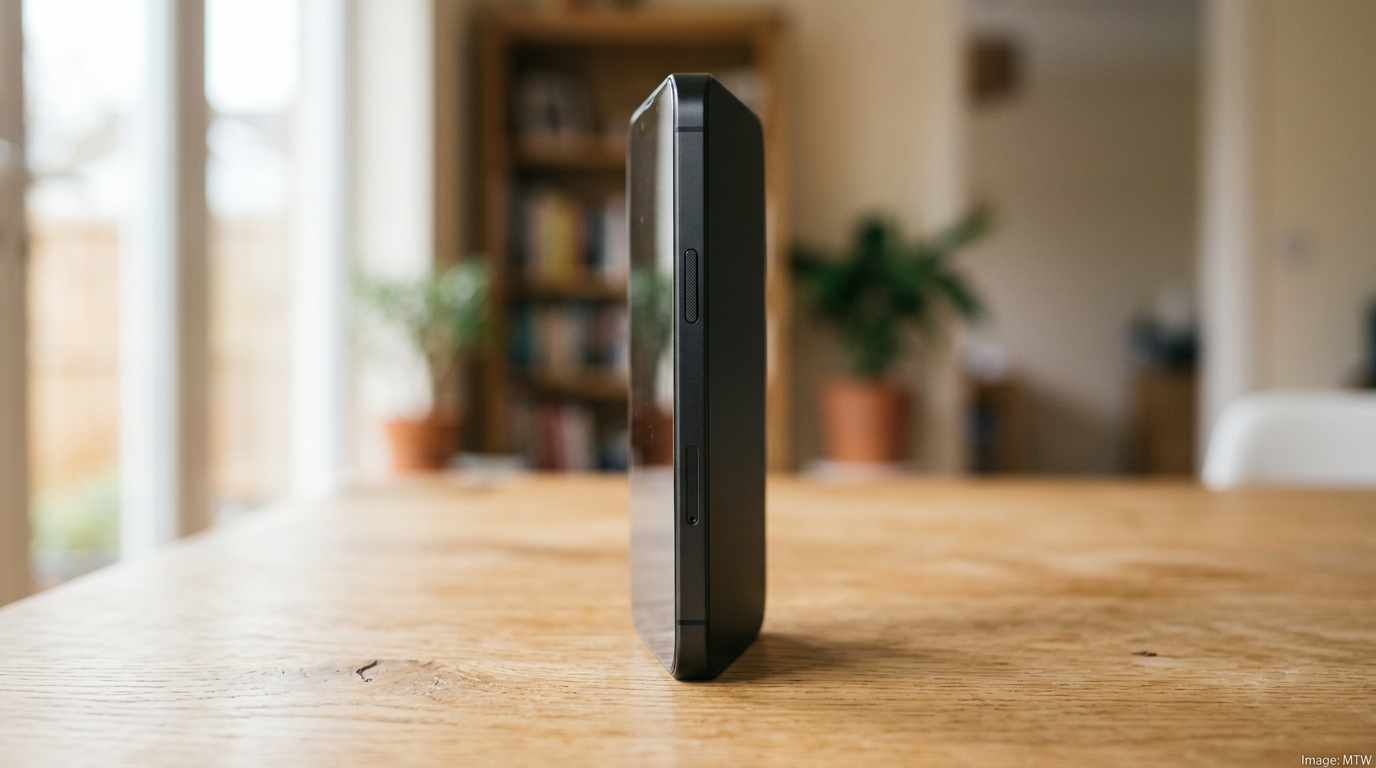
OnePlus Nord 6, Honor 600 Pro and Redmi K90 Max all ship with batteries at or above 7,000mAh. The OnePlus Nord 6 in particular packs a 9,000mAh silicon-carbon cell into a phone that retails for roughly £399. The premium flagships cannot match this. Samsung’s Galaxy S26 Ultra ships with a 5,000mAh pack. The iPhone 17 Pro Max tops out at roughly 4,685mAh. The mid-range has quietly run past the flagship on the one spec that matters most to the average user.
The 9000mAh battery phone 2026 trend is not a narrow, geeky spec-sheet win. Battery life is the single feature ordinary buyers notice every day. The ability to end a two-day weekend with 40 per cent left will do more for the sub-£500 phone category than any AI feature added in 2026. The flagship tier is losing its last structural advantage that real people actually care about.
Silicon-carbon changed the maths
The jump to silicon-carbon anode chemistry over the past 18 months has increased energy density by roughly 20 per cent at a given cell volume. Chinese manufacturers committed to the technology early, Western flagships were conservative, and the result is visible on retail shelves today. A 9,000mAh silicon-carbon cell fits in a chassis that would have held a 6,500mAh lithium-ion pack two years ago. That is a gift the flagships did not take.
Why Apple and Samsung are slow here
Apple’s iPhone battery decisions are constrained by thickness targets and by a cautious certification process for new chemistry. Samsung is constrained by a stinging memory of the Note 7 recall and an understandable preference for cells that have a decade of field data. Both are reasonable reasons to move slowly. Both also leave space for a mid-range OnePlus or Honor phone to deliver a real user-facing advantage that the premium tier cannot.
What this does to the UK buyer’s decision
The UK buyer weighing a £999 Samsung Galaxy S26 against a £449 OnePlus Nord 6 is increasingly picking the OnePlus for battery alone. The camera gap is narrower than it has ever been. The performance gap is meaningful only for gaming, which is a minority use case. The software support gap is the flagship’s last real lever, and even there Google Pixel is now offering seven years on a sub-£500 phone. The flagship premium is becoming harder to justify for general use.
How flagships should respond
The obvious answer is to adopt silicon-carbon on the next iPhone and Galaxy generation. The practical answer is harder. Apple will not compromise on thickness. Samsung will not risk a second battery incident. Both know they need to close the gap, and both are moving at the speed their certification processes allow. Expect the 2027 flagships to have caught up. The 2026 flagships will spend the year being outmuscled on battery by phones half their price.
| Phone | UK price | Battery | Chemistry |
|---|---|---|---|
| OnePlus Nord 6 | £449 | 9,000mAh | Silicon-carbon |
| Honor 600 Pro | ~£550 | 7,000mAh | Silicon-carbon |
| Redmi K90 Max | ~£600 | 7,500mAh | Silicon-carbon |
| Samsung Galaxy S26 Ultra | £1,249 | 5,000mAh | Lithium-ion |
| iPhone 17 Pro Max | £1,199 | ~4,685mAh | Lithium-ion |
What to buy in April 2026
If the decision is battery-led, the Nord 6 is the answer in the UK today. If the decision is ecosystem-led, the S26 or the iPhone still make sense and the battery trade-off is the price. If the decision is all-round-led, the Google Pixel 10 with its seven years of support and software polish is the moderate option. But pretending that the mid-range no longer matters is the specific mistake flagship marketing departments would like you to make.
Verdict
The 9,000mAh mid-range phone is the 2026 story that says more about the category than any other. It means the flagship premium can no longer be justified on core usefulness alone. For the first time in a decade, the sub-£500 phone is the more satisfying daily driver for the typical UK buyer, and the premium tier has to earn back the difference rather than assume it.
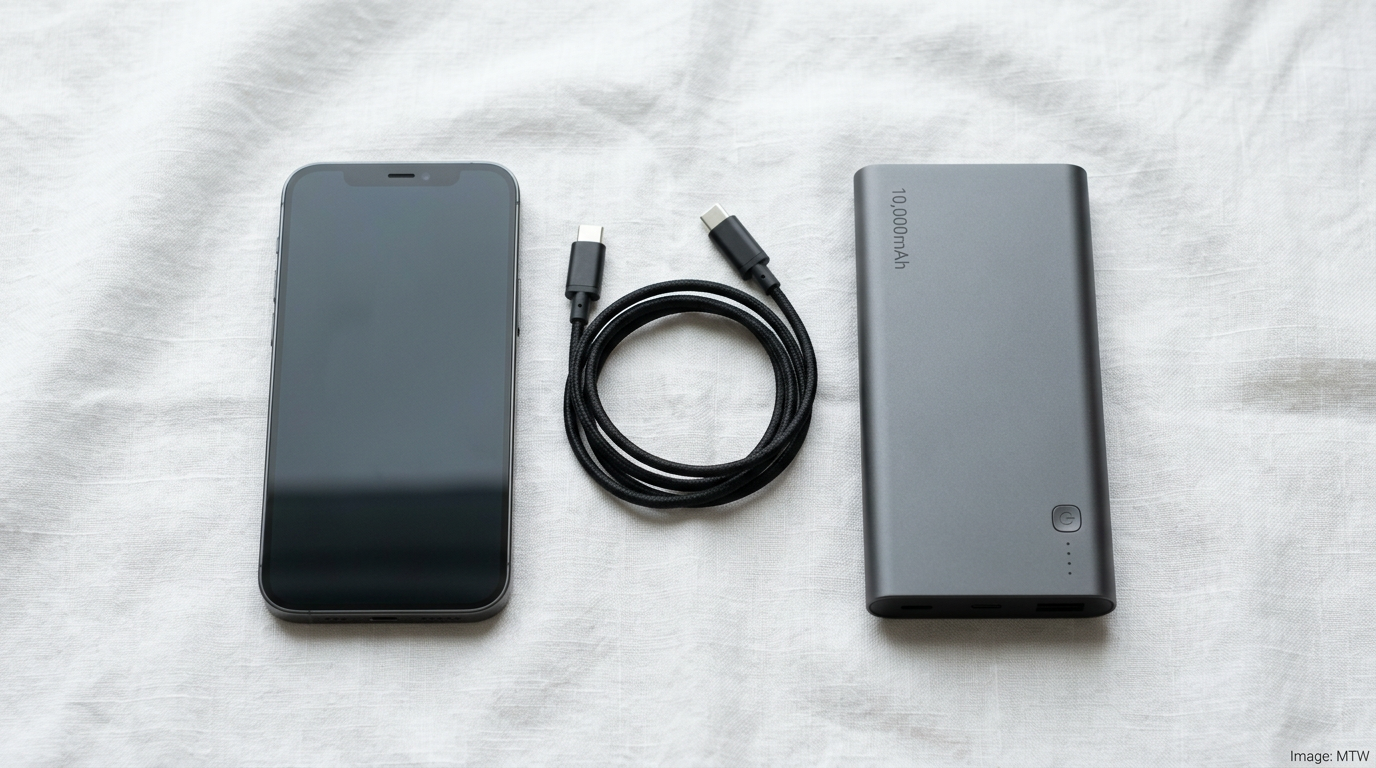
- OnePlus Nord 6 unveiled 7 April 2026 with a 9,000mAh silicon-carbon cell — the launch that opened the category.
- India launch confirmed; UK availability still unconfirmed at time of writing, with Western variants historically shipping smaller cells.
- Silicon-carbon chemistry allows higher energy density at the same volume as conventional lithium-ion.
- Flagship Samsung Galaxy S26 Ultra (5,000mAh) and iPhone 17 Pro Max (~4,685mAh) trail meaningfully on raw capacity.
UK availability caveat for the 9000mAh battery phone 2026 buyer
Honest disclosure for the UK buyer reading this in mid-April 2026: the OnePlus Nord 6 has launched in India but a UK SKU is not yet confirmed. Western Nord variants have historically shipped with smaller cells than their Eastern counterparts, so a UK Nord 6 may well land closer to 7,000mAh rather than the full 9,000mAh. The argument of this piece does not depend on the specific UK figure — even a 7,000mAh silicon-carbon Nord is a step-change over the flagship 5,000mAh ceiling.
The Honor 600 Pro and Redmi K-series have indicative UK channel availability through grey-import retailers and increasingly through official distribution. Buyers should price the import duty implicitly when comparing against domestic flagship retail. The point stands: the silicon-carbon cohort is real, it is shipping, and it has changed what a £500 phone can deliver on battery alone.

Why silicon-carbon is the 9000mAh battery phone 2026 story
Silicon-carbon anodes replace some of the graphite content of conventional lithium-ion cells with silicon-carbon composite. The result is higher energy density per cubic centimetre at similar thickness, with a small trade-off in cycle life and a manufacturing process Chinese suppliers have scaled faster than Korean or Japanese rivals. That is why the first wave of 9,000mAh phones is Chinese-OEM and why Samsung and Apple are politely behind. Both have certification and supplier reasons to move slowly. The market does not care.
For more, see our coverage of the Xiaomi 16 Pro Max as a UK flagship alternative, our deeper editorial on UK mobile subsidy wars set to return in 2026, and our companion buyer’s guide to the best budget phones under £300 in 2026 UK — the tier where silicon-carbon will hit next.
MTW verdict
The 9000mAh battery phone 2026 trend is the most important under-discussed shift in mobile this year. For the first time in a decade, mid-range Android delivers a daily-use advantage that the flagship tier cannot match. UK buyers should wait for confirmed UK SKUs rather than chase grey imports, but the strategic point is settled: battery, not camera, is where the next two years of phone differentiation happens.
MMTW Editorial
Buyer action
Where to buy or check next
Use this as the final check before ordering a phone, changing network or trusting a headline monthly price.










Reader discussion
Leave a comment
Comments are moderated. Keep it useful, accurate, and on topic.