UPDATED · News · 18 May 2026 · Claire Bennett
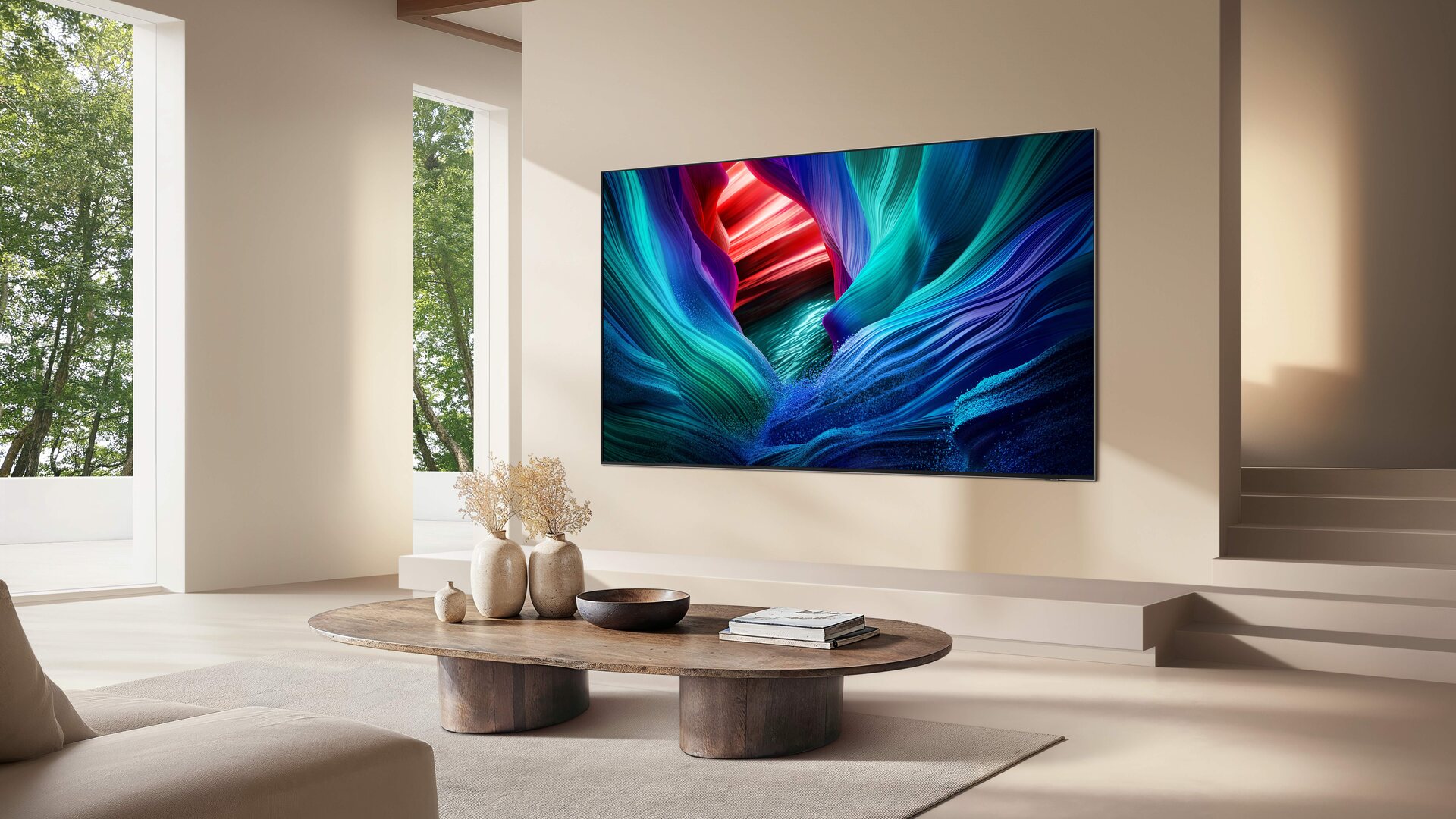
The Samsung 2026 TV lineup is now a buying decision rather than a CES rumour, because Samsung confirmed the full range is open for orders in the UK with the first sets shipping before the end of May. Micro RGB, OLED, The Frame, Neo QLED and Mini LED all arrive together, and the pricing is the part worth arguing about.
- The Samsung 2026 TV lineup spans Micro RGB, OLED, The Frame and The Frame Pro, Neo QLED, Mini LED and UHD.
- UK orders are open now; the first sets ship before the end of May 2026.
- Entry pricing runs from £429 (M70H Mini LED, 43-inch) up to £4,799 for the 77-inch S95H OLED.
- Vision AI Companion, with Bixby, Perplexity and Microsoft Copilot, is the headline software across the range.
What the Samsung 2026 TV lineup actually includes
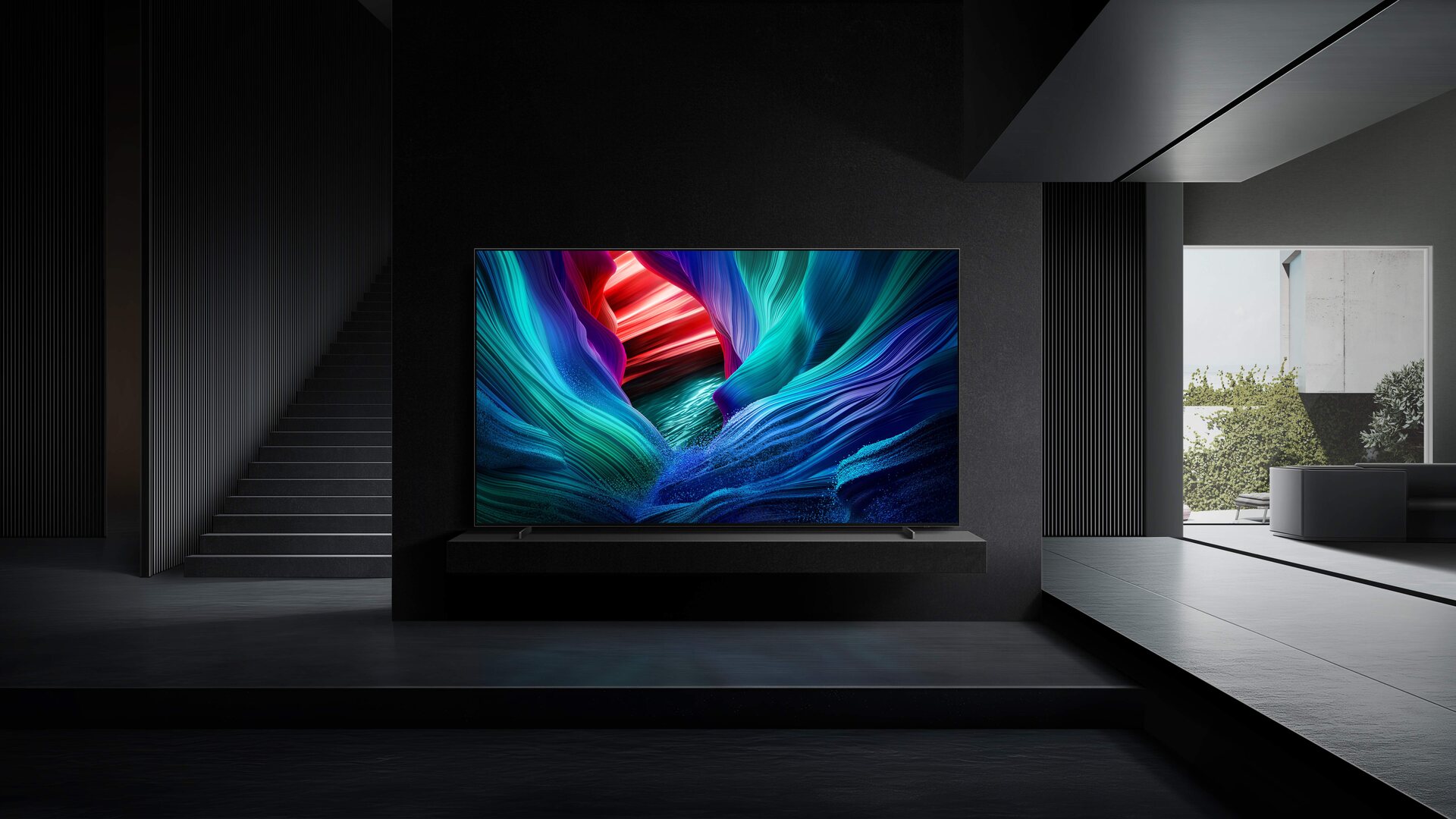
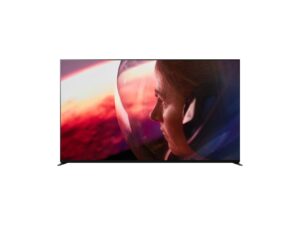
The Samsung 2026 TV lineup is unusually wide. At the top sits Micro RGB, then four OLED tiers (S99H, S95H, S90H and S85H), The Frame and the wireless The Frame Pro, the Neo QLED QN80H and QN70H, the Mini LED M80H and M70H, and the mainstream UHD sets. Samsung is pushing Glare Free panels on Micro RGB and the higher OLEDs, Motion Xcelerator up to 165Hz on the OLEDs and 144Hz with a 240Hz DLG mode on the M80H Mini LED, AI Upscaling Pro, and Google Cast and Google Photos support on the connected models. It is a deliberate top-to-bottom sweep designed so no rival price point is left uncontested.
Hun Lee, EVP of Samsung’s Visual Display Business, framed it bluntly: “With our 2026 lineup, Samsung is setting a new benchmark for AI TVs.” That AI claim leans on Vision AI Companion, which folds Bixby, Perplexity and Microsoft Copilot into a remote button so the set can answer questions about whatever is on screen. Whether shoppers want a chatbot in the living room is a fair question, but it is now the spine of Samsung’s pitch, the same direction we flagged when the Samsung trillion-dollar valuation story made AI the company’s whole narrative.
Samsung 2026 TV lineup UK prices
Here is where the Samsung 2026 TV lineup gets interesting for British buyers. The S95H OLED starts at £1,799 for the 48-inch and climbs to £4,799 at 77 inches, with the cheaper S85H OLED running £1,399 to £3,699. Neo QLED opens at £599 for the 43-inch QN70H, while the flagship 100-inch QN80H is £4,499. Mini LED is the value story: the M70H starts at £429, and the M80H spans £799 to £1,899. The Frame Pro lands between £1,699 and the high three-thousands depending on size. Prices are Samsung’s confirmed UK figures as listed at launch and will shift with retailer discounting.
How the Samsung 2026 TV lineup stacks up against LG and Sony
Context matters. The Samsung 2026 TV lineup arrives into a UK market where LG is leaning on its own OLED panels and Sony is holding a premium, processing-led position. Samsung’s counter is breadth and brightness: Micro RGB and Neo QLED chase peak luminance for bright British living rooms, while The Frame Pro attacks a design niche neither rival truly contests. What Samsung still cedes is the self-emissive black-level argument to OLED specialists, which is exactly why the S95H and S99H exist as halo answers rather than volume sellers.
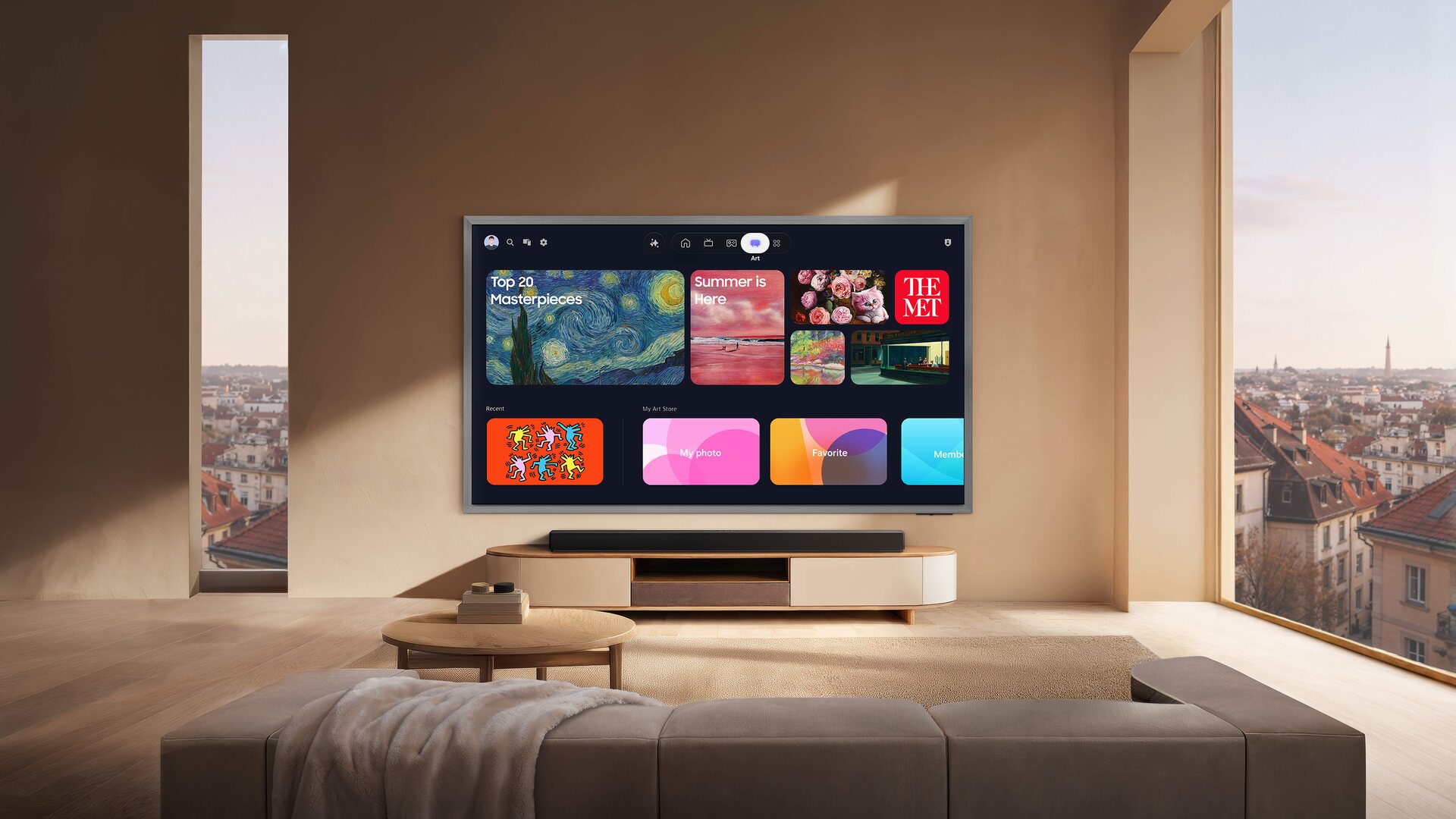
The strategic tell in the Samsung 2026 TV lineup is The Frame Pro. A wireless One Connect box that relays everything to the panel from up to nine metres away is a genuine living-room upgrade, and Glare Free making art mode look matte is the kind of feature buyers actually notice. It is also where Samsung is most confident charging a premium, because no competitor has a clean equivalent. That confidence, more than the AI talk, is the real signal of where Samsung thinks the money is in 2026.
Where the Samsung 2026 TV lineup is strong and where it is not
The honest read: Mini LED is the part of the Samsung 2026 TV lineup most UK buyers should look at first. A £429 starting M70H and an M80H that tops out under £1,900 is where the brightness-per-pound maths actually works in 2026, especially against OLED prices that have not fallen. OLED here is about the S95H and S99H halo, not value. The Frame Pro is the genuinely new idea, with a wireless One Connect box and Glare Free art mode, but you pay a clear design premium for it, and an Art Store subscription on top.
| Range | UK from | MTW read |
|---|---|---|
| Mini LED M70H / M80H | £429 / £799 | Best value in the range, start here |
| Neo QLED QN70H / QN80H | £599 / up to £4,499 | Bright-room pick, skip the 100-inch |
| OLED S85H / S95H | £1,399 / £1,799 | Buy the S85H; the S95H is a halo |
| The Frame Pro | £1,699+ | Design tax; only if art mode matters |
What UK buyers should watch before buying
Three cautions. First, the AI: Vision AI Companion is a selling point now, but a remote-button chatbot is not a reason to spend more, and Samsung has a history of pruning TV software features after launch. Second, the subscription creep: The Frame’s Art Store still needs a paid plan, so factor that in, exactly the running-cost trap we warned about in our smart home buyers guide and around premium living-room kit. Third, timing: a launch-day TV almost never sells at its best price, and within months these will discount hard, so patience pays.
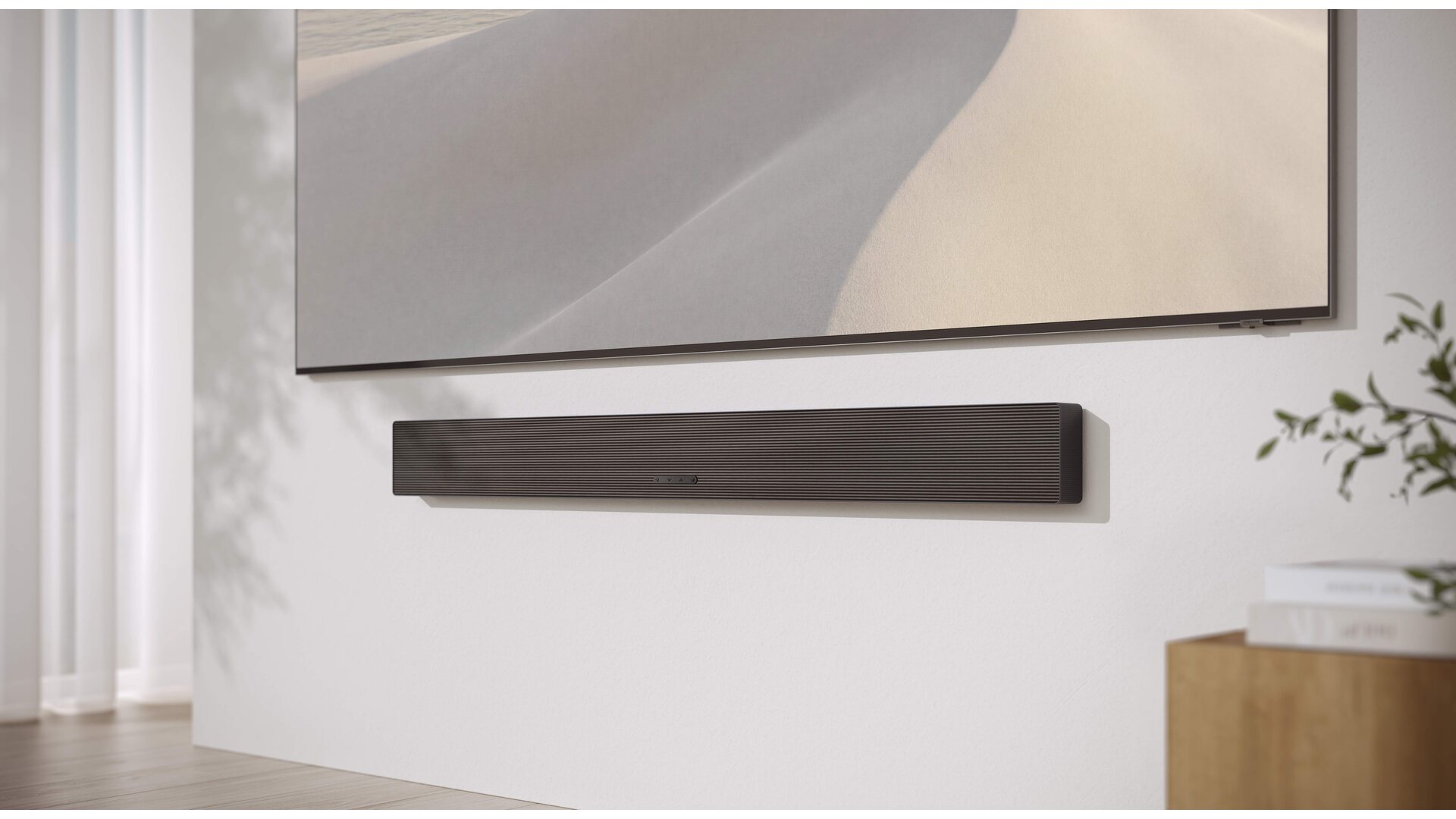
If you want the short version: the Samsung 2026 TV lineup is broad, confident and priced to defend every tier, but the smart money is on Mini LED, not the OLED or Frame Pro halo. For a wider market view our best OLED TVs under £1,500 comparison is the sanity check to read next.
MTW verdict
The Samsung 2026 TV lineup wins on coverage: there is now a Samsung set defending every price point in the UK. The real winner for buyers is the Mini LED M-series, where the brightness-per-pound maths beats the OLED halo. Treat Vision AI as a bonus, not a reason to upgrade, ignore the launch prices, and wait for the inevitable discounts.
Buyer action
Where to buy or check next
Use this as the final check before ordering a phone, changing network or trusting a headline monthly price.






Reader discussion
Leave a comment
Comments are moderated. Keep it useful, accurate, and on topic.