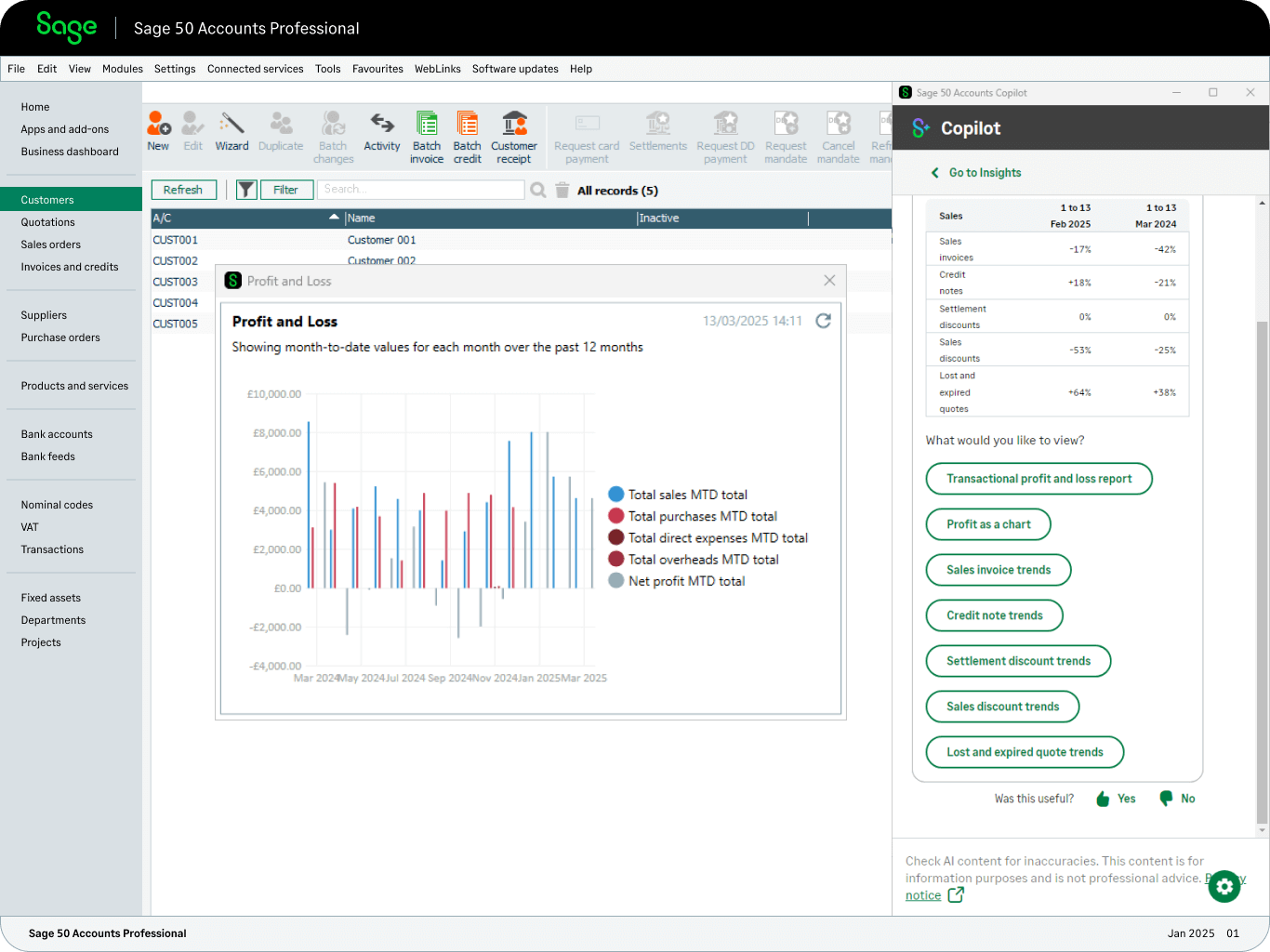
£92 a month plus VAT against £34 a month flat — that single line is the whole Sage 50 versus Xero argument in 2026, and most comparison pieces gloss straight over it. The detail that sharpened this for me came in April 2026, when ITAS reported that Sage 50 Accounts v33.1 finally folded in Making Tax Digital for Income Tax features for sole traders — with landlord support still pending. So the desktop stalwart is modernising, but on its own timetable. The question for an established UK business isn’t “which is cheaper” — it’s whether you’re paying Sage money for things you actually use.
I’ll be blunt about where I land before I justify it: if your books involve real stock, project costing or consolidating more than one company, Sage 50 still earns its keep. For almost everyone else running an established business in 2026, Xero is the smarter home for your money. Let me show the working.
| What you’re weighing | Sage 50 (Standard) | Xero (Standard) | Better for you |
|---|---|---|---|
| Headline price | £92/month + VAT (~£110) | £34/month flat | Xero |
| Annual cost | ~£1,325 | £408 | Xero |
| Where it runs | Desktop-anchored | Cloud-first | Depends on your team |
| Stock & inventory | Built-in, strong | Limited | Sage 50 |
| Project costing | Yes | Bolt-on | Sage 50 |
| Multi-company consolidation | Yes | No | Sage 50 |
| Multi-currency | — | Premium tier (£49) | Xero |
| MTD onboarding | Catching up (v33.1) | Simpler | Xero |
| Accountant collaboration | Version-juggling | Live shared file | Xero |
The price gap is bigger than it looks (Sage 50 vs Xero)
Sage 50 Accounts is currently pitched at around £92 per month plus VAT for new customers on the Standard plan with two users. Add VAT and you’re north of £110 a month — comfortably over £1,300 a year before you’ve reconciled a single transaction.
Xero, by contrast, lists three UK tiers: Starter at £17 a month, Standard at £34 and Premium at £49. Even at the top of Xero’s range you’re paying roughly half of Sage 50’s headline figure, and Premium unlocks multi-currency — the feature growing businesses actually grow into.
It’s worth being precise here, because Sage muddies its own water. The £92 figure is Sage 50 specifically — the desktop-anchored product. Sage’s broader business-cloud line is a different animal, starting around £18 a month, with most businesses settling on plans in the £39–£59 range. If a Sage salesperson quotes you £18, make absolutely sure you’re comparing Sage’s cloud product to Xero — not assuming you’re getting Sage 50’s depth at a cloud price. You’re not.
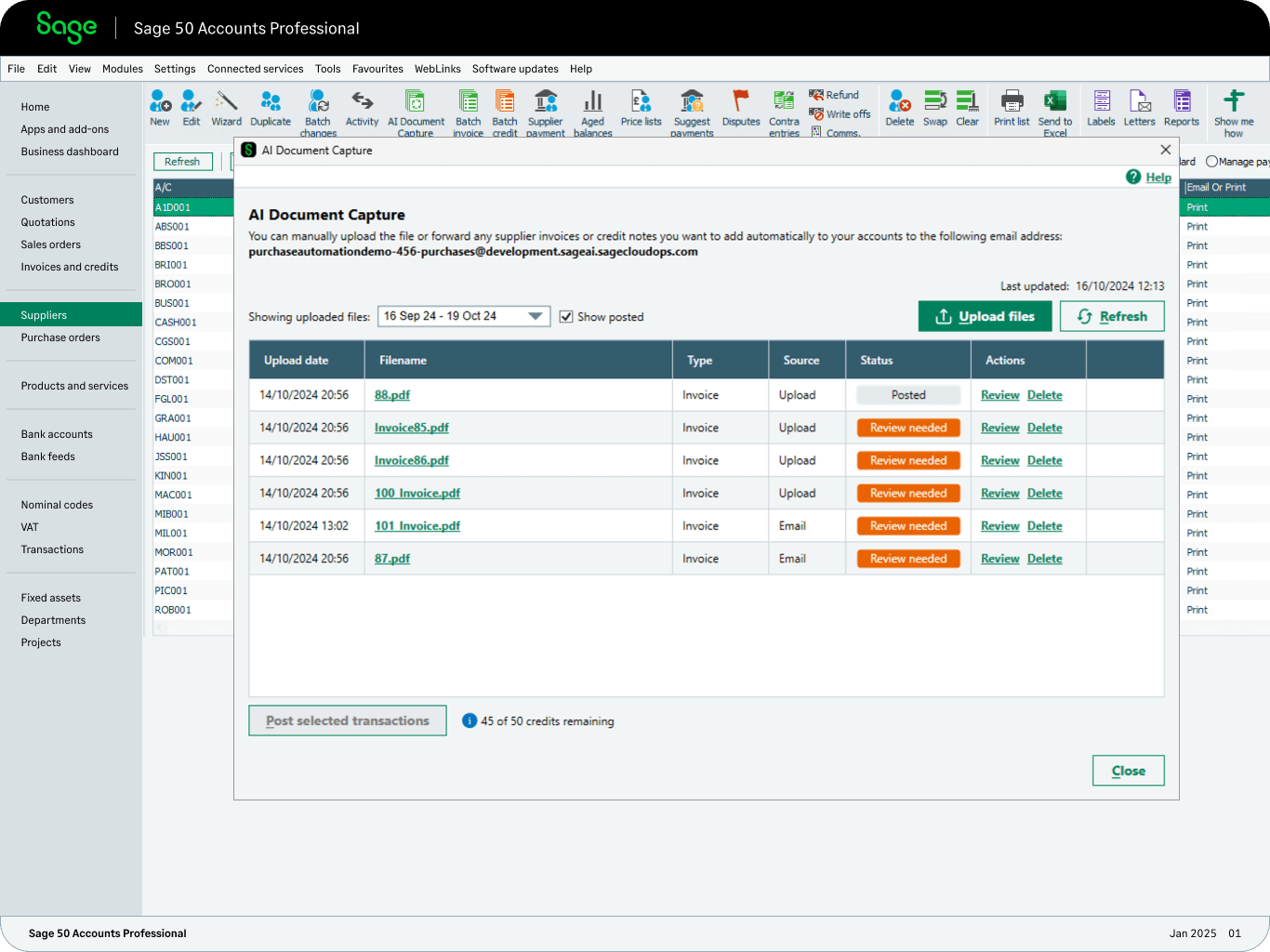
Run the annual maths and the gap stops being abstract. Sage 50 Standard at £92 plus VAT is roughly £110 a month, so call it £1,325 a year. Xero Standard at £34 is £408 a year; even Xero Premium at £49 lands at £588. That’s a £700-to-£900 annual difference on the same core job of keeping a set of books and filing tax. Over a three-year horizon — about how long most established firms leave a finance system alone before reviewing it — you’re looking at £2,000-plus that has to be earning its place. For a services business with no warehouse, I struggle to see what that money is buying beyond inertia.
The honest framing: Sage 50 is the desktop-anchored, higher-cost option for genuine complexity. Xero is the cloud-first option that gets out of your way. Almost everything else is noise.
What the extra money on Sage 50 actually buys
I don’t think Sage 50’s price is indefensible — I think it’s mis-sold. The premium is justified when you need the things a lightweight cloud ledger genuinely can’t do well: proper inventory and stock management, project costing that tracks profitability job by job, and multi-company consolidation where you’re rolling several entities into one set of figures. That’s the work Sage 50 is built around, and it’s why accountants in stock-heavy or multi-entity sectors keep recommending it.
The trade-off is that it remains desktop-anchored. That’s not automatically a flaw — plenty of established finance teams prefer a fixed, controlled environment to a browser tab — but in 2026 it shapes everything: how you access the data remotely, how your accountant collaborates, how painlessly you onboard to Making Tax Digital. The broader Sage picture is of a company catching up to cloud expectations rather than setting them.
Where Xero pulls ahead for established firms
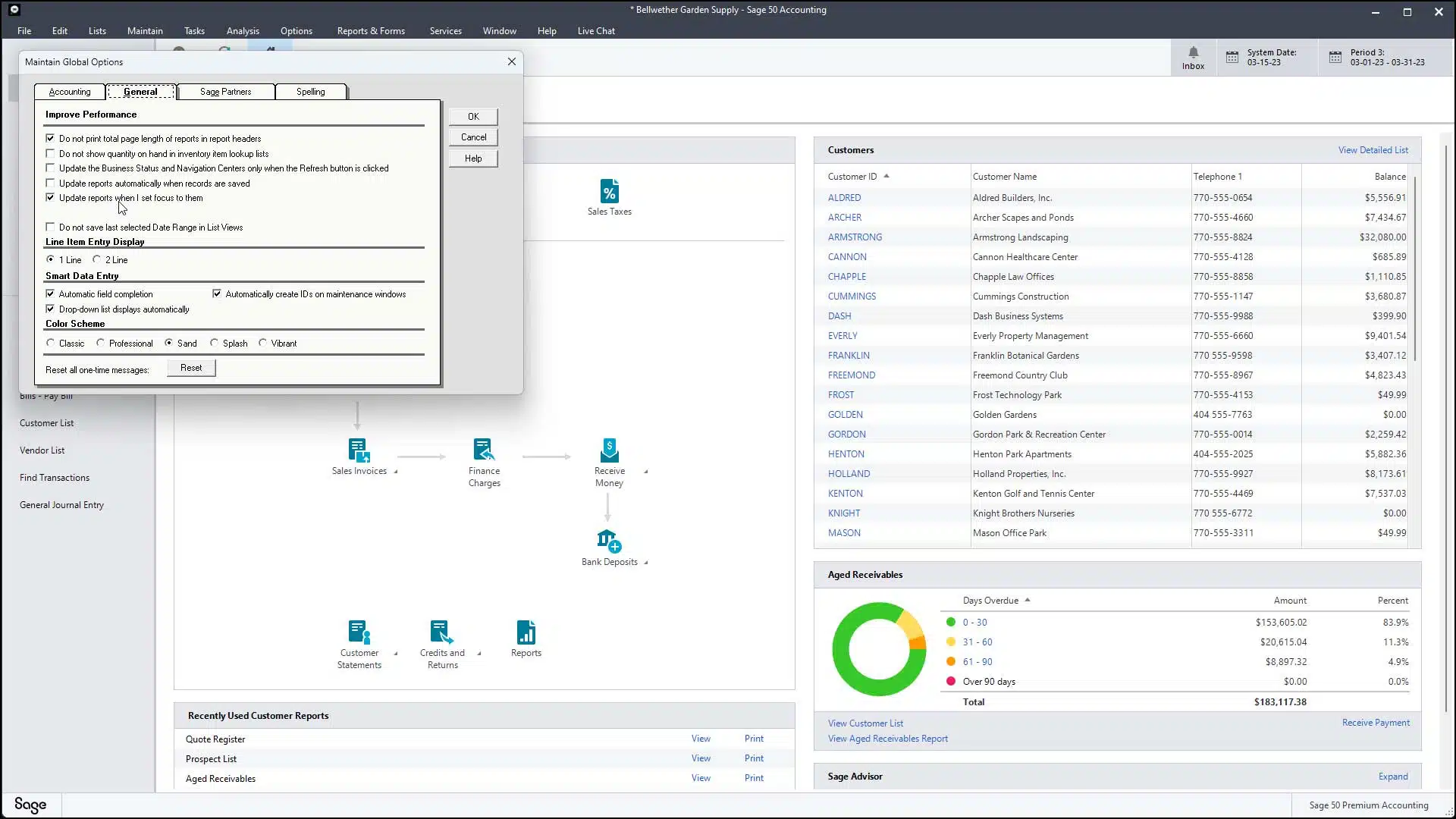
The lazy take is that Xero is “the small-business one” and Sage is “the serious one”. I don’t buy it any more. For an established business that doesn’t carry complex stock, Xero’s case is straightforward: lower entry pricing, a genuinely modern interface, and — the part that matters most this year — simpler MTD onboarding. With tax-digitalisation deadlines bearing down, the software that makes compliance least painful is doing you a real financial favour, not just a cosmetic one.
The cloud-first design also means your accountant works in the same live file you do, from anywhere, with no version-juggling. For a business that’s grown past the founder doing the books on a Tuesday night, that collaboration is where the hours — and the fees — quietly add up.
The honest case against switching
I won’t pretend a migration is free. If you’ve run Sage 50 for a decade, your historical data, your reporting templates and your team’s muscle memory all live there. Moving to Xero is a project, not an afternoon, and the disruption has a cost that the monthly-price column never shows. An established business with clean, working Sage 50 books and no stock complexity should weigh the switching pain honestly — sometimes “good enough and already running” beats “better on paper”.
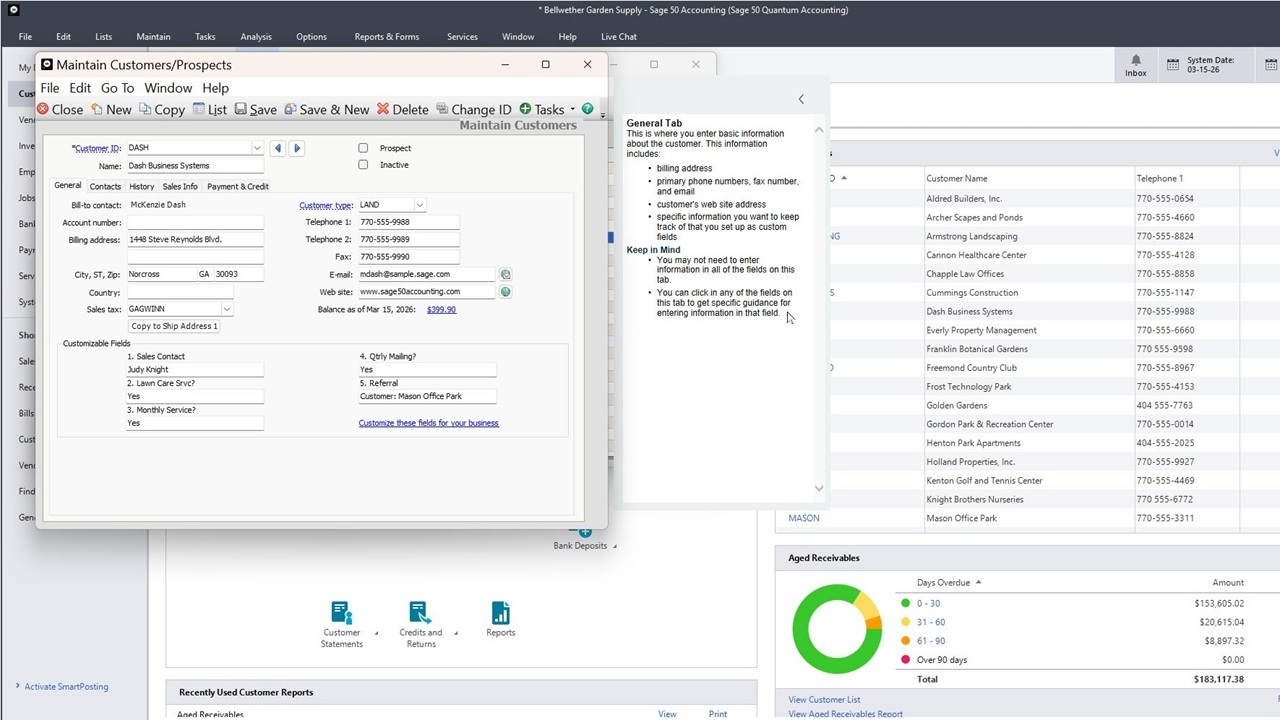
What would change my mind in Sage’s favour outright? Stock. Project costing. Multiple companies to consolidate. If two or more of those describe you, stop reading comparison tables and keep Sage 50 — the £92 is buying you something Xero would make you bolt on awkwardly, if at all.
Honestly, here’s where I land
For the established UK business with conventional books — services, light inventory, one entity — I’d move to Xero, most likely on Standard at £34 a month, stepping up to Premium at £49 only when multi-currency becomes real. You’d roughly halve your software bill, land on a platform built for the MTD era, and give your accountant a live file instead of a desktop hostage.
I’d stay on, or move to, Sage 50 only if I were genuinely running stock, costing projects, or consolidating companies — in which case the price stops being the story. Everyone else is paying desktop-era money for a cloud-era job, and in 2026 that’s the one decision I’d actually change. Compare the live tiers yourself on Xero’s UK pricing before you renew anything — the gap is the kind you only notice once you’ve stopped paying it.
How we compare
Buyer action
Where to buy or check next
Use this as the final check before ordering a phone, changing network or trusting a headline monthly price.












Reader discussion
Leave a comment
Comments are moderated. Keep it useful, accurate, and on topic.