
For three years, the OpenAI superapp pivot has been brewing. The platform has embodied OpenAI’s status as the undisputed heavyweight champion of the generative AI era. But six months into 2026, the cracks in the ivory tower are becoming impossible to ignore. What was once a nimble research lab has morphed into a sprawling, fragmented conglomerate of side quests that have left users confused and investors nervous. Now, in a move that feels equal parts visionary and desperate, OpenAI has confirmed it is folding its entire desktop ecosystem, ChatGPT, the Codex coding platform, and the Atlas browser, into that single superapp.
What Happened
- The Fragmentation Trap: Why the Superapp is a Cleanup Job
- The Anthropic Shadow: How Claude Stole the Enterprise Crown
- Atlas Shrugged: The Browser That Couldn’t Stand Alone
- Pre-IPO Panic or Strategic Masterstroke?
The announcement, first reported by The Wall Street Journal on 19 March 2026 from an internal memo by Fidji Simo, OpenAI’s CEO of Applications, signals the end of OpenAI’s exploration phase. The message is clear: the company is cleaning house, as CNBC confirms. With a potential IPO looming in late 2026, Sam Altman and his lieutenants are finally admitting that their product lineup has become a bit of a dog’s dinner. But is this superapp pivot a stroke of pure genius, or a frantic attempt to stop the bleeding as rival Anthropic eats their lunch in the enterprise sector?
The Fragmentation Trap: Why the Superapp is a Cleanup Job
Let’s be honest: using OpenAI’s tools in 2025 was a chore. You had ChatGPT for your basic queries, a separate Codex environment for your engineering workflows, and the Atlas browser, launched with much fanfare in October 2025, sitting in a lonely corner of your taskbar. It was a fragmented mess that forced users to context-switch constantly. Simo’s memo did not mince words, describing the fragmentation as a blocker that has been slowing OpenAI down and making it harder to hit the quality bar the company wants.
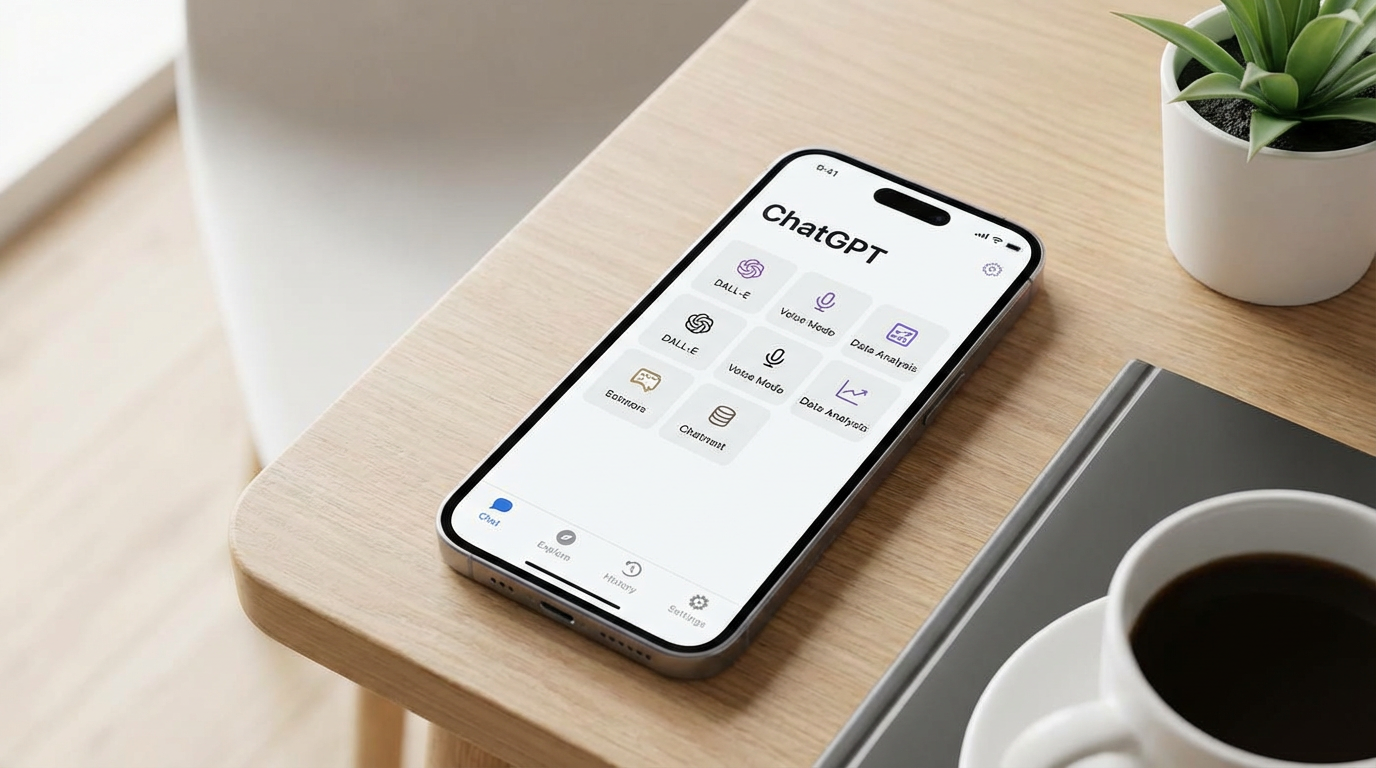
By collapsing these stacks into a single desktop application, OpenAI is attempting to create an agentic powerhouse, with President Greg Brockman temporarily overseeing the reorganisation alongside Simo, as MacRumors details. The goal is a unified environment where the AI does not just answer questions but moves autonomously across your desktop, writing code in one pane while browsing the live web in another. It is a necessary evolution for our latest AI news coverage, but it is also a tacit admission that the standalone app strategy was a failure. For a deeper dive into how this affects the broader ecosystem, see our editorials on AI consolidation.
The Anthropic Shadow: How Claude Stole the Enterprise Crown
Commentary from enterprise analysts suggests that OpenAI’s enterprise revenue growth has slowed because IT departments are tired of managing multiple licences and disparate security protocols for OpenAI’s various tools. By merging everything into one app, OpenAI can finally offer a single, enterprise-grade security perimeter. It is a cleanup operation that should have happened a year ago, but better late than never when you are trying to justify an $852 billion (around £681.6 billion) valuation and a potential $1 trillion IPO.

Atlas Shrugged: The Browser That Couldn’t Stand Alone
OpenAI has confirmed the mobile ChatGPT app is not changing as part of this consolidation, this is strictly a desktop-first product. That is relevant for our AI in mobile coverage, because it suggests OpenAI is moving towards a platform-first model for professional workflows while keeping the phone experience largely intact. If the AI is the operating system of the future, it does not need a browser, it needs a viewport. The OpenAI superapp pivot makes it that viewport, and Atlas is simply the plumbing that makes it work.
The OpenAI Superapp Pivot: Pre-IPO Panic or Strategic Masterstroke?
The financial implications are massive. A unified app allows for hyper-personalisation, where the AI learns your coding style from Codex and your research habits from Atlas to make ChatGPT’s suggestions more relevant. This level of integration is exactly what public market investors want to see: a clear path to high-margin, recurring revenue that competitors cannot easily replicate, which is central to the OpenAI superapp pivot debate.
All images: MobileTechWorld
Why the OpenAI superapp pivot is either genius or the start of the end
The OpenAI superapp pivot is an attempt to replicate the WeChat playbook on western desktop, and historically that strategy has not worked outside China. The advantage OpenAI has that WhatsApp and Telegram never had is a flagship AI capability that genuinely moves the needle on day-to-day tasks. The risk is that bundling shopping, payments, calendar, search and creative tools into one app creates exactly the bloated user experience that western users have fled from on every previous attempt at the same model.
The actual product execution will determine whether the OpenAI superapp pivot is genius or vanity. The recent revisions to the ChatGPT desktop app already hint at the direction, more first-party integrations, more in-app commerce, more reasons to stay inside the OpenAI surface rather than handing off to a browser. If those integrations are genuinely better than the third-party apps they replace, the superapp model could win. If they are mediocre clones bundled together for strategic reasons, users will quietly route around them.
The longer-term concern with the OpenAI superapp pivot is what it does to the developer ecosystem. OpenAI has spent two years building a partner network around the ChatGPT plugin and GPT store concepts, and a superapp strategy directly competes with the third-party developers who built those experiences. If the OpenAI superapp pivot turns into a Sherlocking spree where every successful third-party integration becomes a first-party feature, developer goodwill will evaporate fast. That is the bet the company has chosen to make.
Buyer action
Where to buy or check next
Use this as the final check before ordering a phone, changing network or trusting a headline monthly price.












Reader discussion
Leave a comment
Comments are moderated. Keep it useful, accurate, and on topic.