UPDATED · News · 27 Apr 2026 · Hannah Foster
The OpenAI Cerebras deal is important, but the earlier MTW post overreached. The corrected version starts with confirmed facts: OpenAI announced a Cerebras partnership on 14 January 2026 to add 750MW of low-latency AI compute, with capacity coming online in phases through 2028. Cerebras’ April 2026 S-1 filing then put the OpenAI relationship in financial context, describing a multi-year OpenAI deal valued at more than £16 (about $20) billion, alongside warrant and working-capital loan disclosures. What we have removed is unsupported hardware-count arithmetic and any promise that UK users will definitely see a consumer pricing change by a specific date.
- OpenAI and Cerebras announced a multi-year compute deal worth over USD 10 billion in January 2026, then expanded the commercial terms ahead of Cerebrass IPO filing on 17 April 2026.
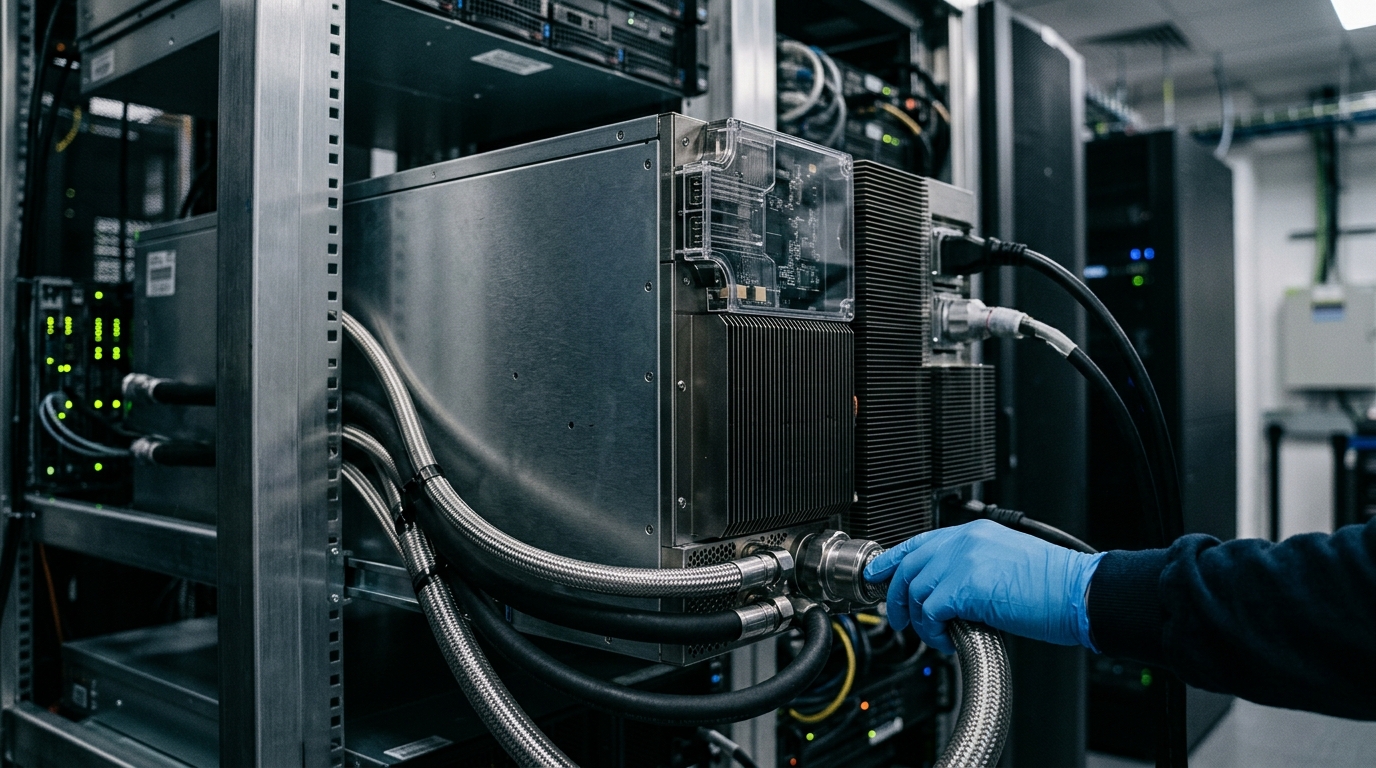
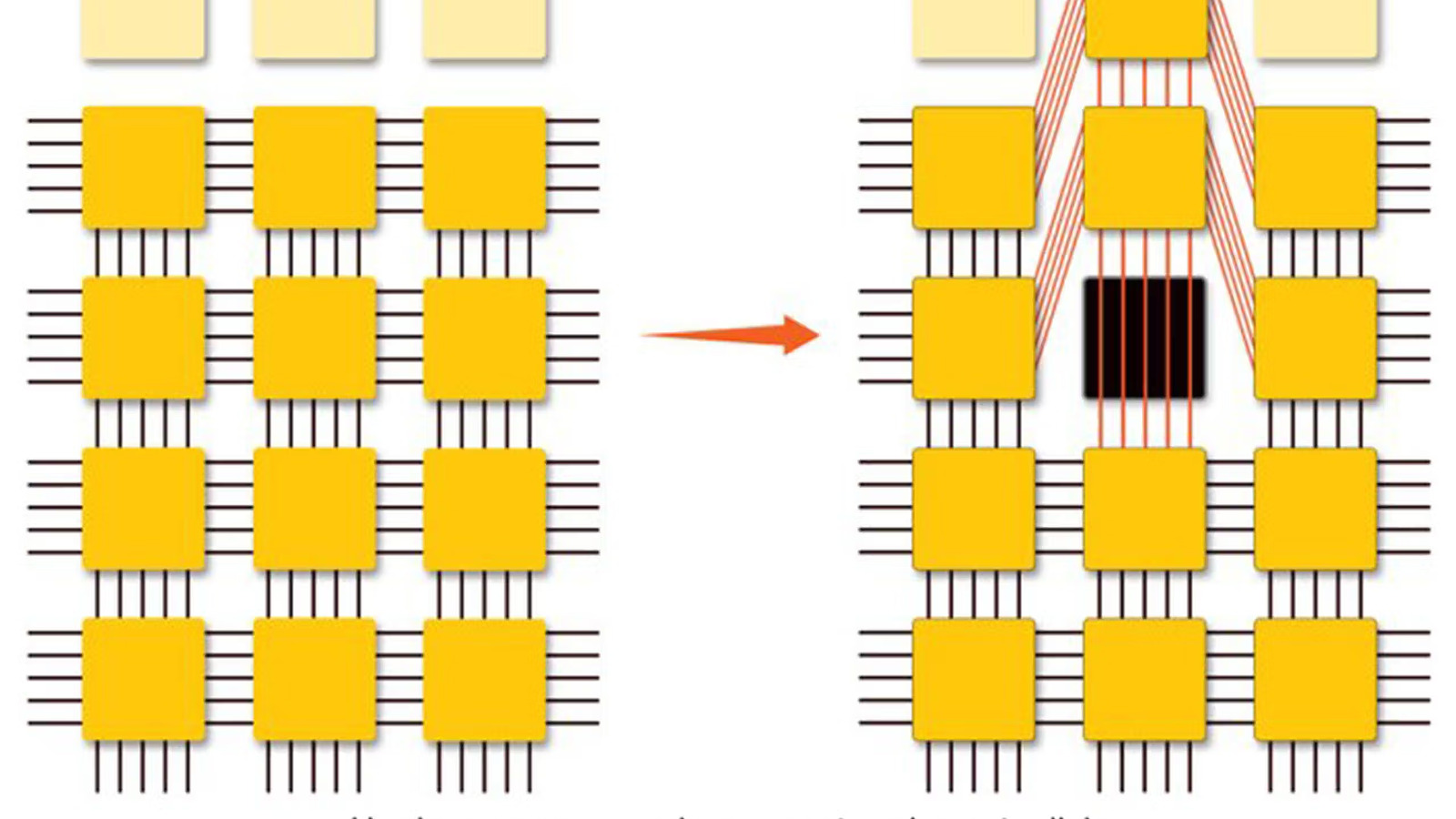
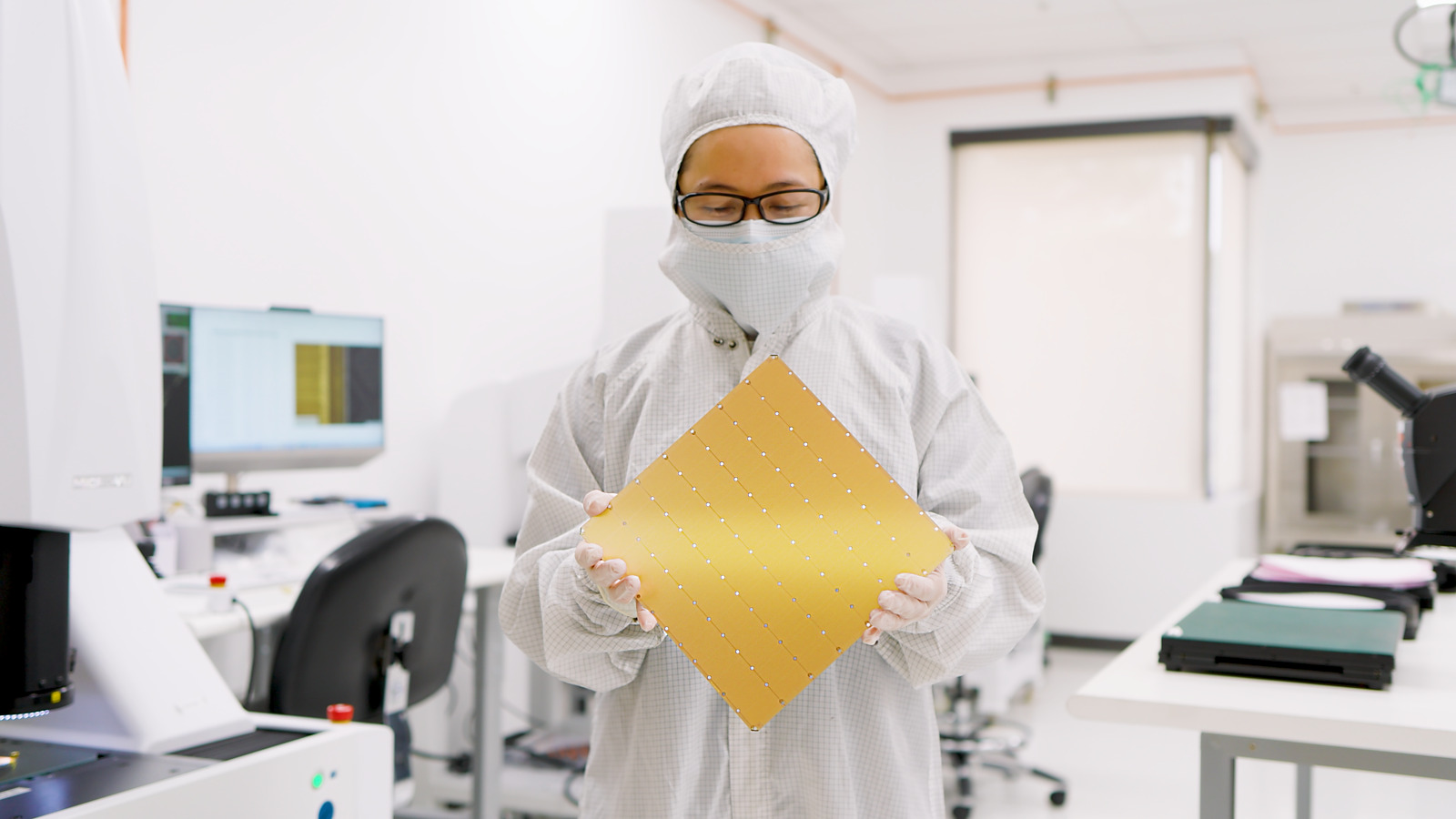
- Cerebras commits 750 megawatts of low-latency AI inference compute to OpenAI through 2028, deployed on its CS-3 wafer-scale hardware.
- OpenAI also lent Cerebras USD 1 billion in December 2025 (warrant-secured) and can take up to 10% equity through IPO.
- Why it matters: the deal is the largest single inference-hardware commitment outside NVIDIA – a meaningful diversification of OpenAIs Microsoft and NVIDIA dependence.
Table of contents
TL;DR
- Official OpenAI announcement: 750MW of low-latency Cerebras compute, phased through 2028.
- S-1 disclosure: Cerebras’ filing describes the OpenAI relationship as a multi-year deal valued above £16 (about $20) billion.
- Strategic point: this is about inference capacity and supply diversification, not just another model update.
- Removed claim: the old hardware-count estimate was unsupported and should not have been published.
- MTW verdict: big infrastructure signal, but no guaranteed near-term UK price cut.
What OpenAI confirms
OpenAI’s own announcement says the partnership adds 750MW of ultra low-latency AI compute to its platform. The stated aim is faster real-time inference across workloads, with Cerebras capacity integrated into OpenAI’s inference stack in phases. OpenAI also says the capacity will come online through 2028.
That is already a major story. Modern AI products are limited not only by model quality, but by latency, capacity and cost. If OpenAI can route the right inference workloads to Cerebras systems, it gains another way to serve users without relying only on conventional GPU clusters.
What the S-1 changes
The later Cerebras S-1 filing is what makes the deal financially louder. The SEC filing says Cerebras announced a multi-year deal with OpenAI valued at more than £16 (about $20) billion. It also discloses warrant and working-capital loan arrangements connected to the relationship. That gives the partnership more weight than a normal vendor press release.
The filing does not mean OpenAI owns Cerebras outright, and it does not mean every OpenAI workload moves to wafer-scale systems. It means OpenAI has committed to a large capacity relationship and has financial exposure to the supplier’s future success. That is the right frame.
What not to assume
The previous post made two mistakes. First, it tried to translate £16 (about $20) billion into a specific number of accelerators without a defensible basis. Second, it predicted direct UK consumer outcomes by the second half of 2026. Those may be possible long-term effects, but they are not confirmed facts.
A better reading is that OpenAI is buying flexibility. Cerebras gives it a specialist inference option. NVIDIA remains central to the AI build-out, AMD remains relevant, and cloud partnerships still matter. The Cerebras deal is a diversification signal, not proof that one supplier has replaced another.

Why UK readers should care
For UK startups, agencies and developers, infrastructure deals eventually shape product limits: response speed, queueing, reliability and usage caps. The Cerebras relationship could help OpenAI serve low-latency workloads more efficiently, especially for agents and long-output tasks. But a buyer reading this in April 2026 should not budget on assumed OpenAI price cuts until OpenAI publishes pricing changes.
The practical takeaway is to watch inference performance, not headlines. If OpenAI’s Cerebras capacity works as intended, users may notice faster responses in some workloads before they see any obvious invoice change.
Verdict
The OpenAI-Cerebras relationship is one of the year’s more important infrastructure stories because it connects product latency, silicon strategy and supplier risk. The corrected article keeps the £16 (about $20) billion framing because the S-1 supports it, and keeps the 750MW figure because OpenAI announced it. It removes unsupported arithmetic and overconfident consumer predictions. That is the honest version: huge deal, real strategic signal, uncertain user-level timing.
FAQ
Did OpenAI officially announce the Cerebras partnership?
Yes. OpenAI announced the partnership on 14 January 2026 and said it would add 750MW of low-latency Cerebras compute to its platform.
Where does the £16 (about $20) billion figure come from?
Cerebras’ April 2026 S-1 filing describes the OpenAI relationship as a multi-year deal valued at more than £16 (about $20) billion.

Will this make ChatGPT cheaper in the UK?
Not automatically. Better inference economics can help over time, but OpenAI has not announced a UK price cut tied to this deal.
Does this replace NVIDIA?
No. It diversifies OpenAI’s infrastructure. NVIDIA, cloud capacity and other accelerators remain part of the wider AI compute market.
Related reading on MTW
Buyer action
Where to buy or check next
Use this as the final check before ordering a phone, changing network or trusting a headline monthly price.












Reader discussion
Leave a comment
Comments are moderated. Keep it useful, accurate, and on topic.