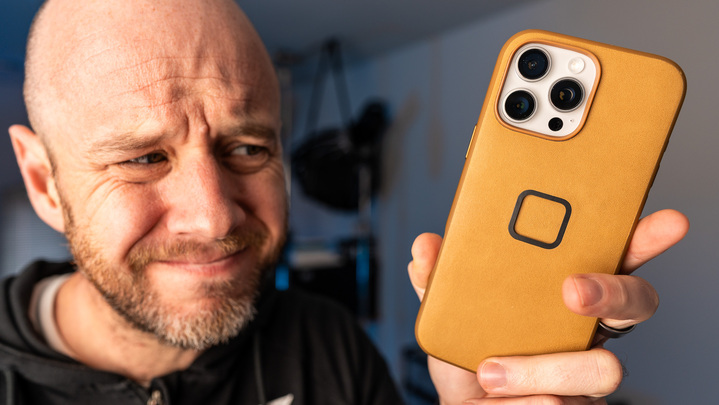
iPhone 16 Pro Max, three months on: the upgrades that mattered weren’t in the keynote
Three months on, the thing I keep coming back to about the iPhone 16 Pro Max isn’t the feature Apple spent the most stage time on. When this phone landed in the UK on 18 September 2025 at £1,199 for the 256GB model, the headline act was meant to be Apple Intelligence. It wasn’t even switched on here. UK support for Apple’s AI suite was held back to December 2025, and even then only in beta. So for the first stretch of this phone’s life in Britain, the marquee selling point simply did not exist.
That sounds like a problem. It turned out to be the opposite. Stripped of the keynote magic for a full quarter, this phone had to justify £1,199 on the boring, everyday stuff — and that is exactly where it earned its keep. Whether you bought it SIM-free or on a tariff from Three or one of the other major UK networks, the contract you actually signed was for a £1,199-plus handset that, for months, did less on paper than the adverts promised. So the only question that matters is what it does in your hand.
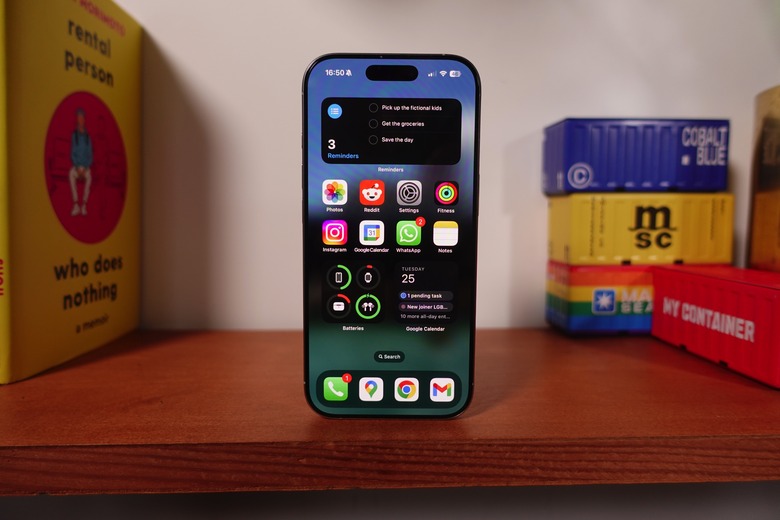
The battery is the upgrade nobody put on a slide
If I had to point to one change that alters how this phone actually gets used day to day, it’s endurance. By the three-month mark, Trusted Reviews logged real-world screen-on times of seven to ten hours, and that tallies with the broader picture — reviewers have settled into treating the 16 Pro Max as a one-and-a-half to two-day phone rather than a nightly-charge one.
That’s not a spec-sheet flex; it’s a behavioural shift. A genuine two-day phone is a different object from a one-day phone. You stop topping up at lunchtime. You stop packing a battery brick for a long day out. You stop the small, constant anxiety that quietly governs how everyone uses a smartphone. It matters more in Britain than the raw number suggests, too: shorter winter days, cold that saps a lithium cell, and a commute where you aren’t always near a plug all lean on endurance rather than peak power. Apple barely sold this in the keynote because “it lasts longer” doesn’t photograph well. But of everything in the box, this is the change I’d notice most if it were taken away.
A genuine two-day phone is a different object from a one-day phone. You stop topping up at lunchtime, you stop packing a battery brick, and you stop the small, constant anxiety that quietly governs how everyone uses a smartphone.
The camera control button stopped being a gimmick
I was sceptical of the dedicated Camera Control button. Hardware buttons with grand ambitions usually end up ignored. But the long-term verdict has gone the other way: the Camera Control and the move to 4K 120fps Dolby Vision recording have proved to be the genuinely creator-friendly, everyday upgrades — not the AI features, the ones you actually touch.
The button matters because it removes friction at the exact moment friction kills a shot: the half-second of hunting for the on-screen shutter while the dog moves, the toddler turns away, the light changes. A physical press you can find by feel is a small thing that compounds across hundreds of photos. And 4K 120fps in Dolby Vision is the kind of headroom that, a few years ago, meant carrying a separate camera. Now it’s the slab in your pocket.
The 48MP ultra-wide is the quiet camera win
The sensor upgrade I’d actually pay for is the 48MP ultra-wide. Apple framed the camera story broadly, but it’s the wide and macro work that visibly pulls ahead of the iPhone 15 Pro Max. Ultra-wide shots hold detail in the corners where last year’s phone went mushy, and close-up macro has the kind of resolution that survives a crop.
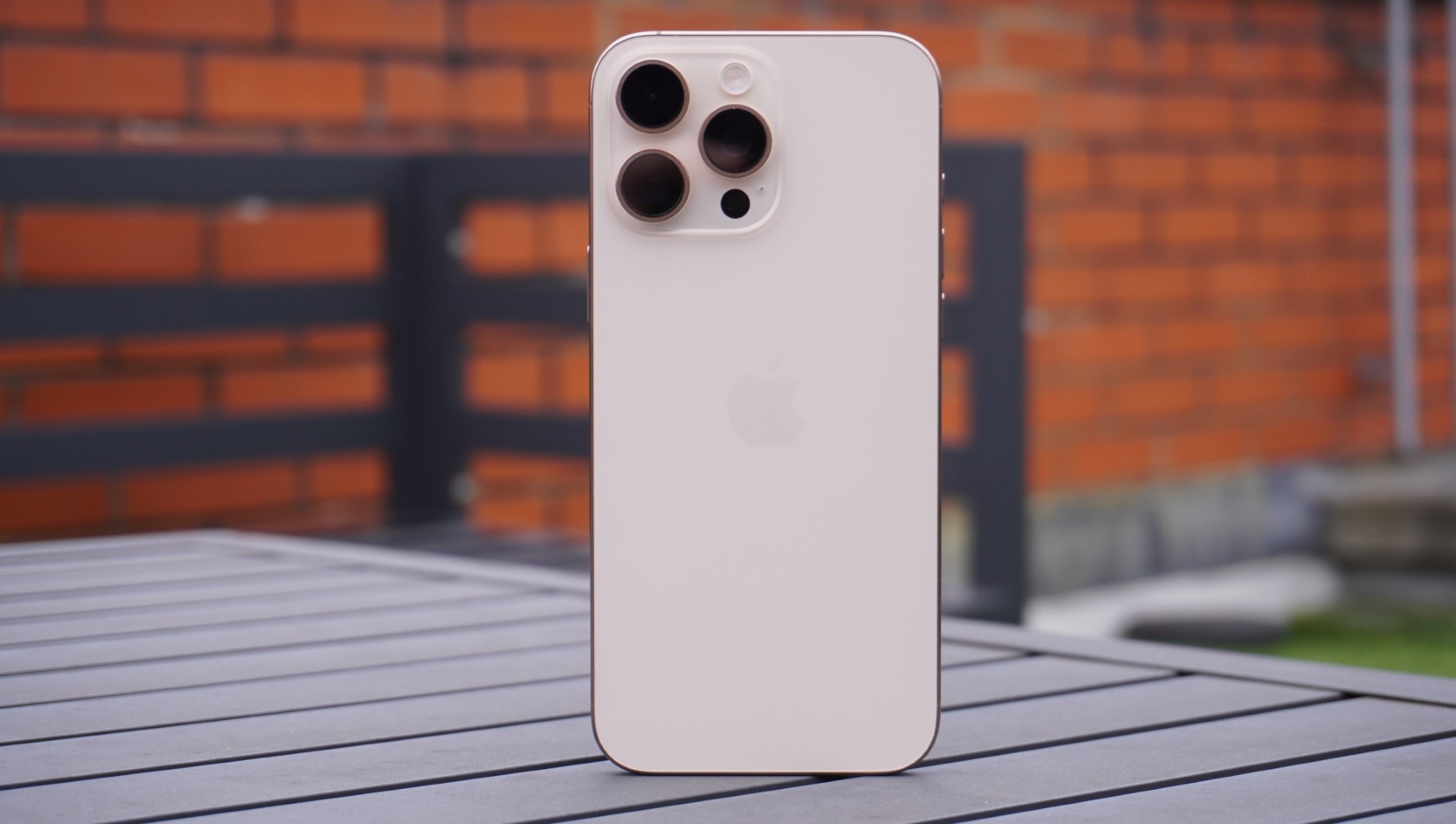
This is the upgrade that rewards the people who already shoot a lot — landscapes, interiors, food, the tight detail stuff. If your photography is mostly arm’s-length portraits, you’ll feel it less. But for anyone who works the ultra-wide, it’s the most tangible jump generation to generation.
Speed was never the headline — and that’s the point
There’s a reason Apple didn’t lead on raw performance: this far up the range, speed is assumed. The A18 Pro silicon does exactly what you’d expect — apps open instantly, heavy photo edits and 4K timelines don’t stutter, and three months of accumulated apps, messages and a bulging camera roll haven’t dented it. The long-term reviews land in the same place; Trusted Reviews treats day-to-day performance as a non-issue rather than a selling point.
That’s worth saying because it reframes the whole upgrade. If you’re moving up from an iPhone 13 or 14 Pro, you’re not buying speed — you already had more than enough. You’re buying the endurance, the camera headroom and a brighter screen that’s easier to read outdoors on a grey British afternoon. The performance is simply the floor everything else stands on, and it’s a floor that should comfortably hold for years of iOS updates.
So where does Apple Intelligence leave the bill?
Here’s the awkward bit for the marketing. The feature that justified the premium framing arrived late and arrived in beta. If you’d bought the 16 Pro Max specifically for Apple’s AI, you spent three months with a £1,199 IOU. Even now it’s Apple Intelligence in its UK rollout rather than the finished, woven-through experience the adverts implied.
That’s the honest tension at the heart of this phone. The thing it was sold on is the thing that has mattered least so far. The things it was sold on second — battery, that button, the ultra-wide — are the things that have earned the money.
What I’d tell you over a coffee
Buy this phone for the fundamentals, not the future promise. If you’re coming from an iPhone 13 or 14 Pro, the two-day battery and the camera workflow alone make £1,199 a defensible spend — this is a phone that gets better the less you think about its flagship feature. If you’re on a 15 Pro Max, I’d hold. The ultra-wide is lovely and the battery is better, but it’s not £1,199-better over a phone that’s barely a year old, and you can buy the AI story on your own timetable once it’s out of beta and properly settled in the UK.
What would change my mind on that hold? If Apple Intelligence, fully baked, turns into something you genuinely reach for daily rather than a novelty — then the calculus shifts. But I won’t recommend paying flagship money today for a feature that’s still finding its feet. Pay for the phone that’s in your hand now. On that test, the 16 Pro Max is the most quietly complete iPhone Apple has made — it just buried the lede.
One practical note on the spend: £1,199 buys the 256GB model, and for a phone shooting 4K 120fps Dolby Vision video and 48MP stills, that’s the tier I’d treat as the floor rather than the old 128GB habit. Those files are big, the storage isn’t upgradeable later, and running out of room is exactly the kind of small daily friction this phone is otherwise so good at removing.
How we test
Buyer action
Where to buy or check next
Use this as the final check before ordering a phone, changing network or trusting a headline monthly price.

Reader discussion
Leave a comment
Comments are moderated. Keep it useful, accurate, and on topic.