This post is from our Windows Phone 7 archive. For our current coverage of phones, see our 2026 best phones in the UK for 2026.
Read the 2026 best phones in the UK for 2026 guide →UPDATED · News · 26 Jul 2010 · MTW Editorial Team

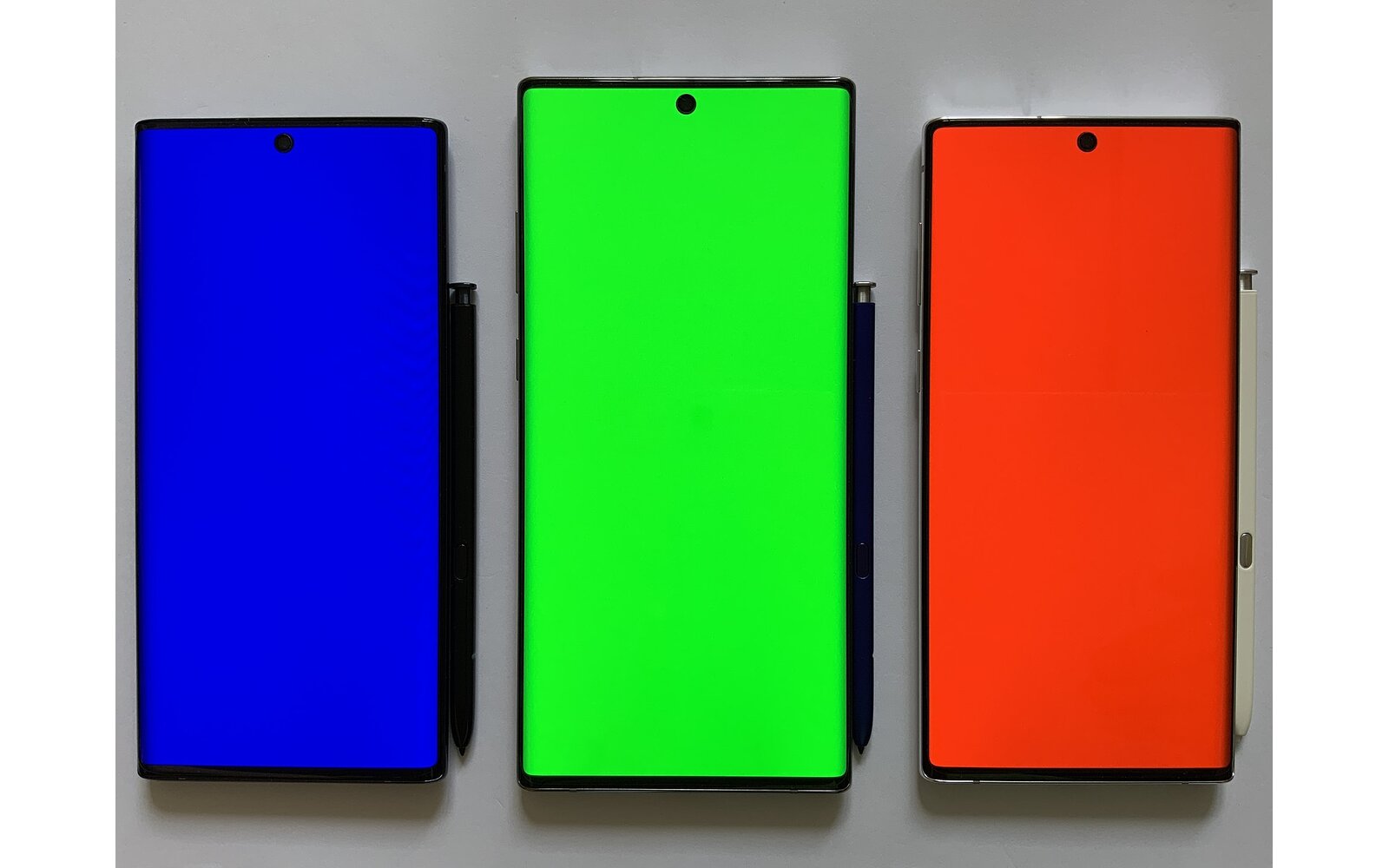
Here’s the first Sony SLCD vs AMOLED and Super AMOLED video comparison following the officially announcement made by HTC this morning. You will see and HTC Desire equipped with the new SLCD panel against a regular Nexus One sporting an AMOLED display , a Motorola Droid with an IPS panel and a Samsung Wave with a Super-AMOLED display. The first thing you will notice is that the screen is still super reflective but this is mainly due to HTC’s design (and huge gap between the glass and the pane on the Desire ) an not the panel technology. Viewing angles are still not as good as the Super AMOLED (or regular AMOLED when looked sideways) but definitely better than the regular TFT. Now when it comes to contrast the Super-AMOLED tech still has the upper hand but the SLCD is really good IMO (and keep in mind that AMOLED have overblown and unnatural color so the SLCD is better in the long run). Check out the video below:
I did some digging and finally found out some real SLCD specifications. Sony claims that the VSPEC III technology achieves AMOLED level of optical characteristics with 160° viewing angles (up/down left/right), up to 1000:1 contrast and wider color gamut: sRGB 100%:
We have developed an attractive LCD module product by combining the VSPEC III TM LCD mode for the first time in a mobile phone device and a highly general newly-developed LCD driver. The main feature of this module is that it achieves optical characteristics equivalent to those of organic EL displays. In addition to the optical characteristics, it features low power consumption and low EMI, and thus is a design that takes end product design into consideration. I strongly recommend that you consider using this module.
Sony also supplies a new Windows On tech that eliminates the air gap between the panel and the glass resulting in less reflection (this is something HTC isn’t using on the SLCD equipped Desire above in the video):

Here are the LCD display driver characteristics:

Buyer action
Where to buy or check next
Use this as the final check before ordering a phone, changing network or trusting a headline monthly price.