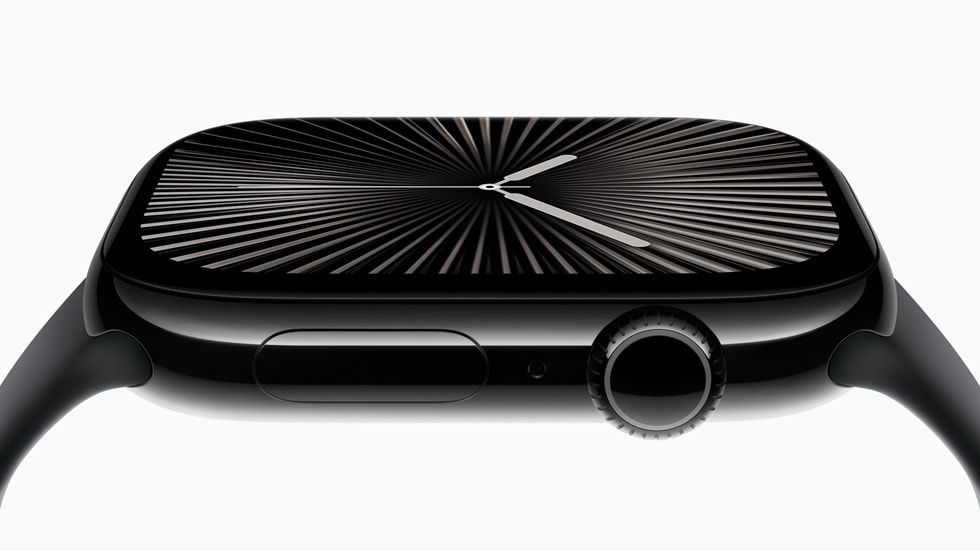

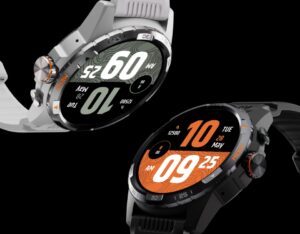
Smartwatches are everywhere. Apple, Samsung, Google, Garmin, and dozens of other brands all want you to strap a computer to your wrist. The marketing promises are compelling: track your health, stay connected, get fitter, simplify your life. But after years of living with these devices, and testing far too many of them, the honest truth is more nuanced than any product page will tell you.
Need A Smartwatch: Contents
- The Case For: Where Smartwatches Genuinely Deliver
- The Case Against: Where Smartwatches Fall Short
- Who Actually Benefits?
- Who Can Skip It?
- The Honest Verdict
Do you actually need a smartwatch in 2026? The answer depends entirely on who you are and what you expect from one.
The Case For: Where Smartwatches Genuinely Deliver
Health Tracking That Matters
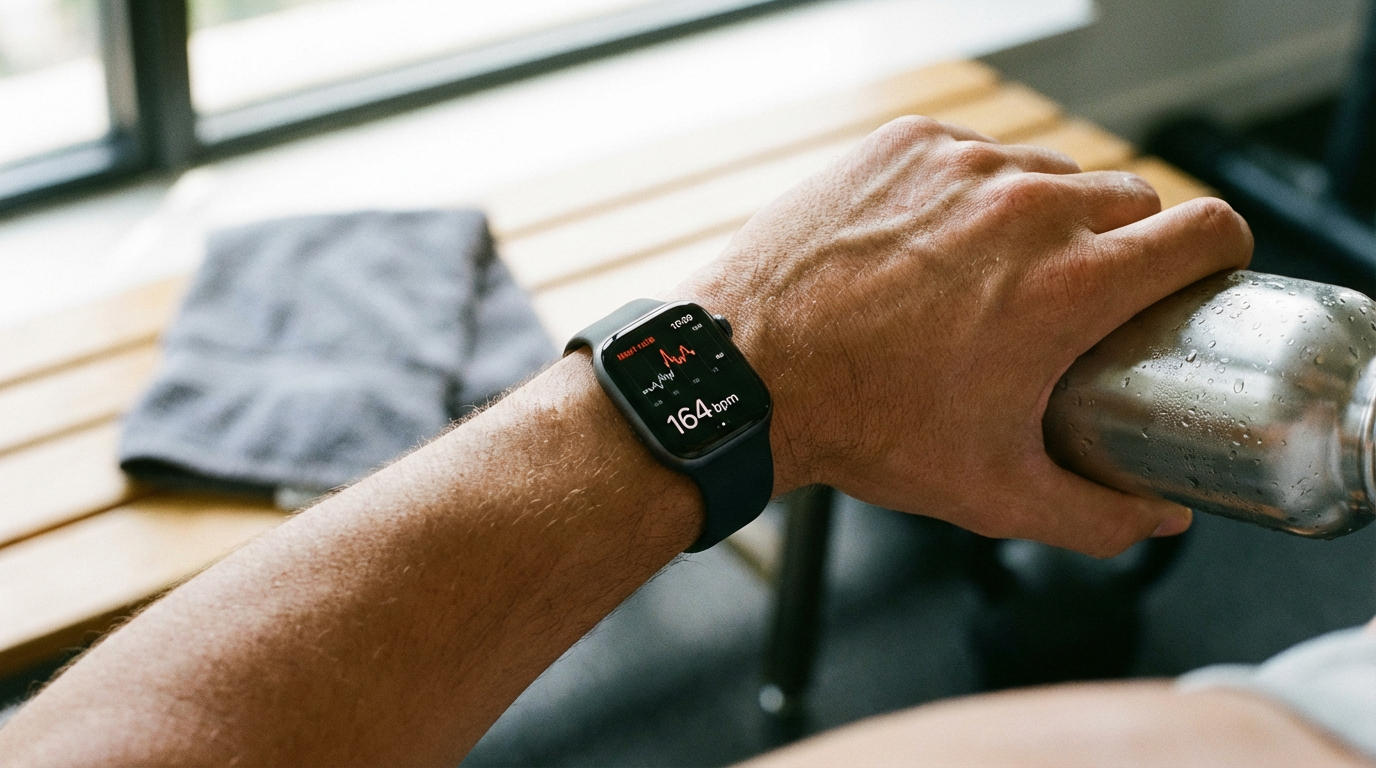
This is the strongest argument for wearing a smartwatch, and it has only got better. Modern smartwatches track heart rate continuously, detect irregular rhythms (including atrial fibrillation screening on Apple Watch and Samsung Galaxy Watch), monitor blood oxygen levels where hardware is enabled, and track sleep with reasonable accuracy. The Apple Watch’s fall detection and crash detection features have genuinely saved lives, and that is not marketing hyperbole. The British Heart Foundation now regularly references consumer-grade ECG features as a valid prompt to see a GP.
Fitness Motivation That Works
Beyond pure data, smartwatches are surprisingly effective at nudging behaviour. Move rings, step streaks, and recovery scores all exploit the same mild compulsion that makes gamified apps work. For a lot of people, the visible commitment on the wrist is the difference between going for the run and skipping it.
Dedicated sports tracking is where smartwatches shine brightest. GPS-tracked runs with pace, heart rate zones, and elevation data; swim tracking that counts laps and identifies strokes; cycling metrics with cadence and power estimates. For anyone following a training plan, a smartwatch is a legitimate tool, not a toy. Our Apple Watch Ultra 3 vs Garmin Fenix 9 comparison covers the best options for serious athletes.
Notification Management
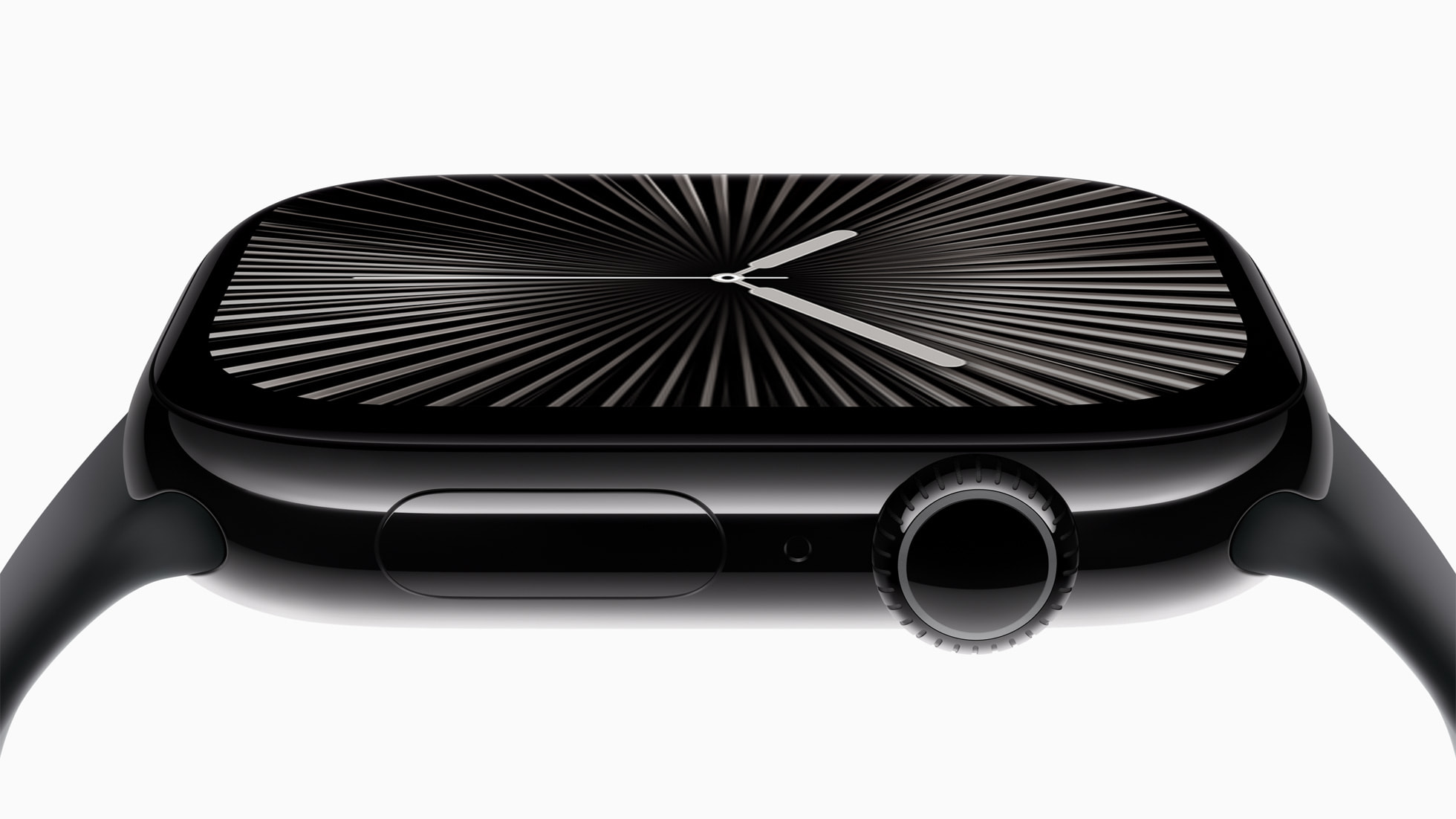
A well-configured smartwatch is a better notification filter than your phone. Rather than pulling the phone out every time it buzzes, a quick wrist glance tells you if something actually needs your attention. Paired with Focus modes on iOS or Modes on Wear OS, a smartwatch can actually reduce distraction rather than add to it. The trick is pruning notifications aggressively; default settings surface everything, which defeats the point.

The Case Against: Where Smartwatches Fall Short
Your Phone Already Does Most of It
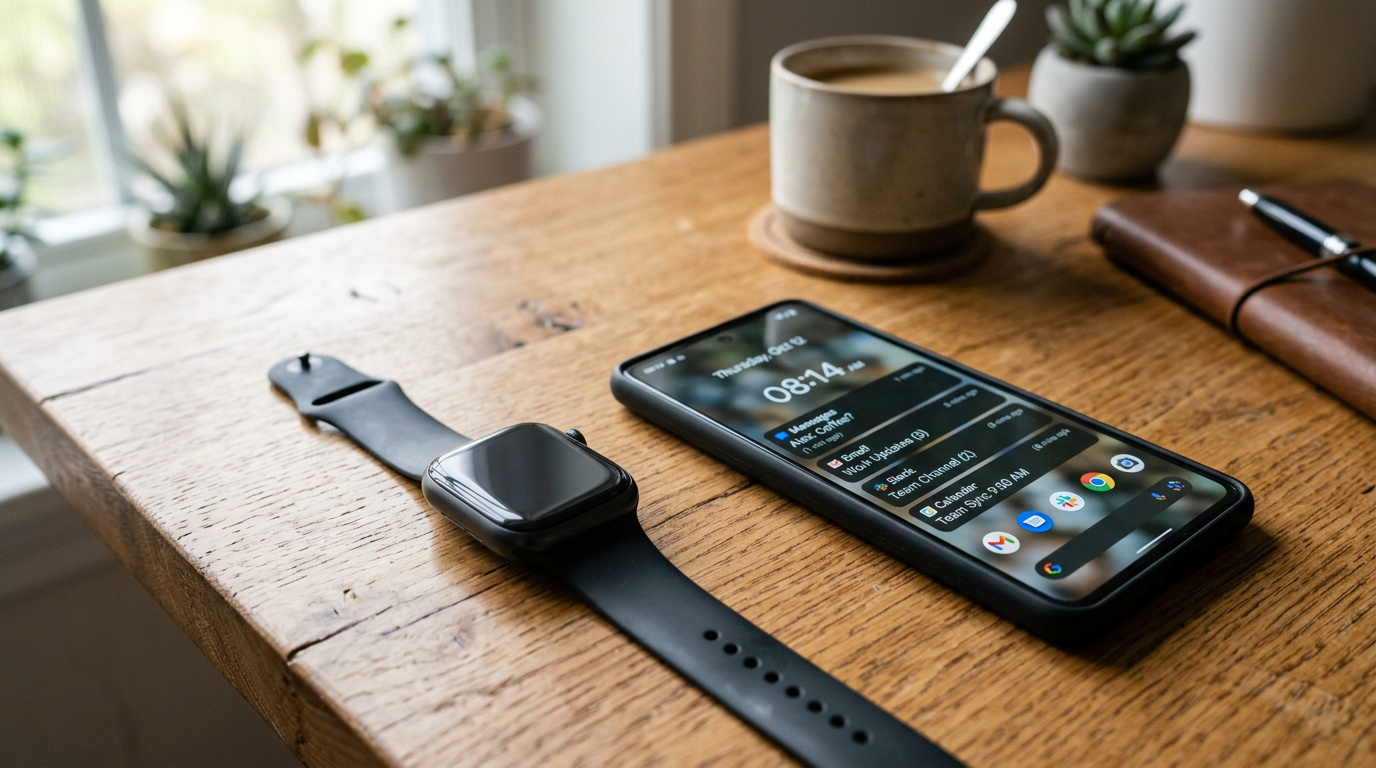
A modern iPhone or Android phone already tracks steps, heart rate through paired accessories, location via GPS, and almost every notification you would see on a watch. If you keep your phone in your pocket, a smartwatch is largely duplicating features you already own. The genuine step change comes when you stop carrying the phone, during exercise, when hands are full, or for phone-free dinners, but many people never take advantage of that.
Another Thing to Charge
Apple Watch and Galaxy Watch models need charging every night or every two days at most. That is one more cable on the bedside table and one more item to remember. If you travel a lot, it is another charger in the bag.
Garmin’s battery life advantage, where some models last weeks on a charge, significantly reduces this friction. If battery anxiety is a concern, our best fitness trackers under 100 guide includes options with exceptional battery life.
Subscription Creep
Many smartwatches now lock advanced health insights behind subscriptions. Fitbit Premium, Garmin Connect+ and the newer Google Home Premium tier all paywall features that used to be free. Budget for the full cost of ownership, not just the hardware.
Apple is the notable exception here: all Apple Watch health and fitness features are included without a subscription, though you need an iPhone to use one. This is worth considering when calculating the true cost of ownership.
Fashion Compromises
A smartwatch is a piece of technology masquerading as a watch, and most of them look like it. Traditional watch enthusiasts will find even the best-designed smartwatches aesthetically limited compared to a good analogue timepiece. The constant screen-on or wrist-raise-to-wake interaction feels distinctly different from glancing at a mechanical watch, and there is a social dimension: constantly looking at your wrist during conversations can appear rude, even if you are just checking the time.
Who Actually Benefits?
Active people and athletes: If you exercise three or more times per week, a smartwatch is genuinely useful. The fitness tracking, GPS, and heart rate monitoring provide real value that improves your training.
People with health concerns: Heart monitoring, fall detection, and emergency SOS features provide reassurance that is hard to get any other way.
Those overwhelmed by phone notifications: If your phone is a constant source of distraction, a smartwatch’s triage function can genuinely improve your focus.
Parents and carers: Quick-glance notifications matter when your hands are full with children or you are caring for someone who might need you.
Who Can Skip It?
Casual exercisers: If you walk and occasionally jog, your phone handles this adequately. You do not need a 300-pound device to count steps.
People who dislike wearing watches: This sounds obvious, but if you have never been a watch wearer, a smartwatch will not change that. The novelty wears off; the wrist discomfort does not.
Minimalists and low-tech preference: If you are trying to reduce your relationship with screens and devices, adding another one to your body is counterproductive.
The Honest Verdict
A smartwatch in 2026 is genuinely useful for active people and those with specific health monitoring needs. For everyone else, it is a nice-to-have that you can absolutely live without. The technology has matured impressively. The question is whether your lifestyle actually demands what it offers.
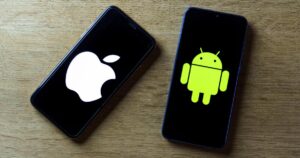
If you do decide to buy one, choose based on your phone ecosystem (Apple Watch for iPhone, Galaxy Watch or Pixel Watch for Android) and your primary use case. If fitness is the priority, a Garmin might serve you better than a feature-packed smartwatch. And if you are on the fence, borrow one from a friend for a week before committing. A smartwatch is one of those products that some people cannot live without and others forget to put on; the only way to know which camp you fall into is to try it.
MMTW Editorial
Buyer action
Where to buy or check next
Use this as the final check before ordering a phone, changing network or trusting a headline monthly price.








Reader discussion
Leave a comment
Comments are moderated. Keep it useful, accurate, and on topic.