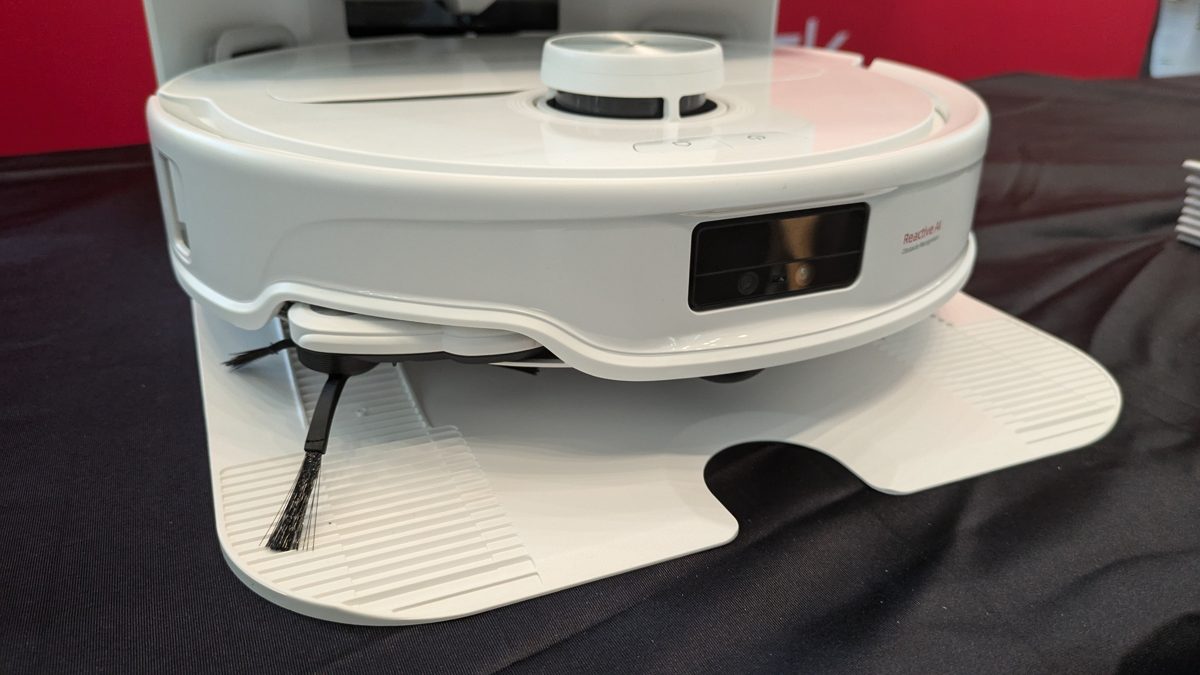
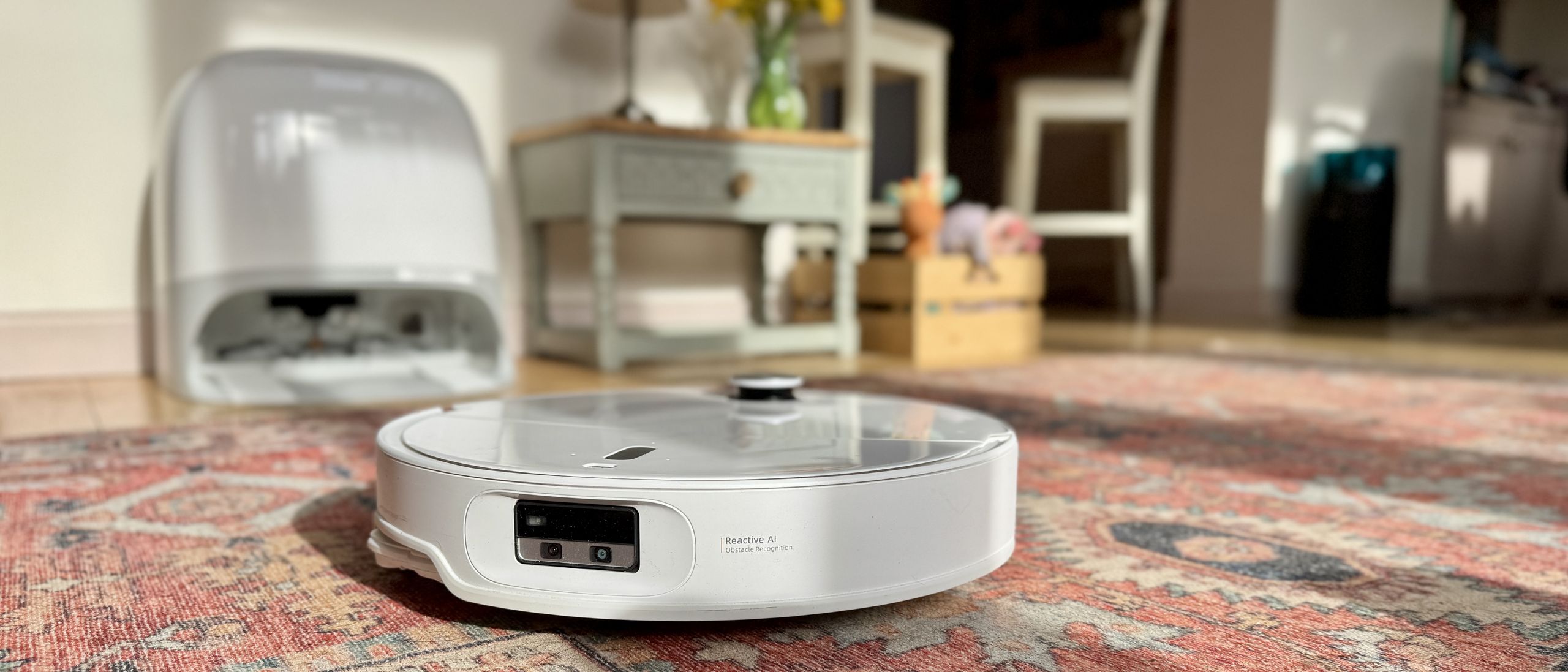
Four centimetres doesn’t sound like much until your robot vacuum is stranded against the lip of a doorway it can’t be bothered to climb. That’s the everyday humiliation Roborock is trying to design out of existence with the Qrevo Curv 2 Pro, and on the spec sheet at least, it has. Notebookcheck’s June 2026 review confirms the headline claim: this machine hauls itself over obstacles and thresholds up to 4cm using Roborock’s AdaptiLift chassis, while dynamically adjusting to clean carpets up to 3cm pile. For a robot in this class, that’s the difference between a vacuum that owns your whole ground floor and one that quietly gives up at the kitchen door.
I’ve watched this category promise “obstacle-free” cleaning for years and rarely deliver it. So the Curv 2 Pro is worth taking seriously, not because it’s new and shiny, but because the one thing it does differently is the one thing that actually breaks robot vacuums in real British homes: transitions. Bathroom thresholds, the raised edge into a conservatory, the strip between tile and that thick living-room rug. Get those wrong and you’re carrying the thing around the house yourself, which rather defeats the point. I haven’t run this unit on my own floors, so treat what follows as a sourced read of the spec and the early hands-on reports rather than a bench test — but the problem it targets is one I recognise from every flat-and-rug home I’ve ever lived in.
The climbing trick is the whole pitch (Roborock Qrevo)
AdaptiLift isn’t marketing fluff bolted onto an ordinary chassis. On the original Qrevo Curv, PCMag’s hands-on explains the mechanism plainly: the body lifts itself by raising each wheel by 0.4 inches, letting the robot scale thresholds up to 1.6 inches — roughly that same 4cm figure. It’s a self-lifting suspension, effectively, and it’s what lets the machine clamber rather than nudge-and-retreat.
The 2 Pro inherits and refines that. What I like about the approach is that it’s mechanical, not optimistic: instead of relying on momentum to bump over a lip — the trick most rivals use, and the reason they fail on anything with a real edge — it physically heaves itself up. If your home is open-plan with a single floor surface, you’ll never notice. If it isn’t, and most UK homes aren’t, this is the feature that decides whether the robot is genuinely autonomous or just theatre. A robot that beaches itself once a day isn’t a robot; it’s a chore with a charging dock.
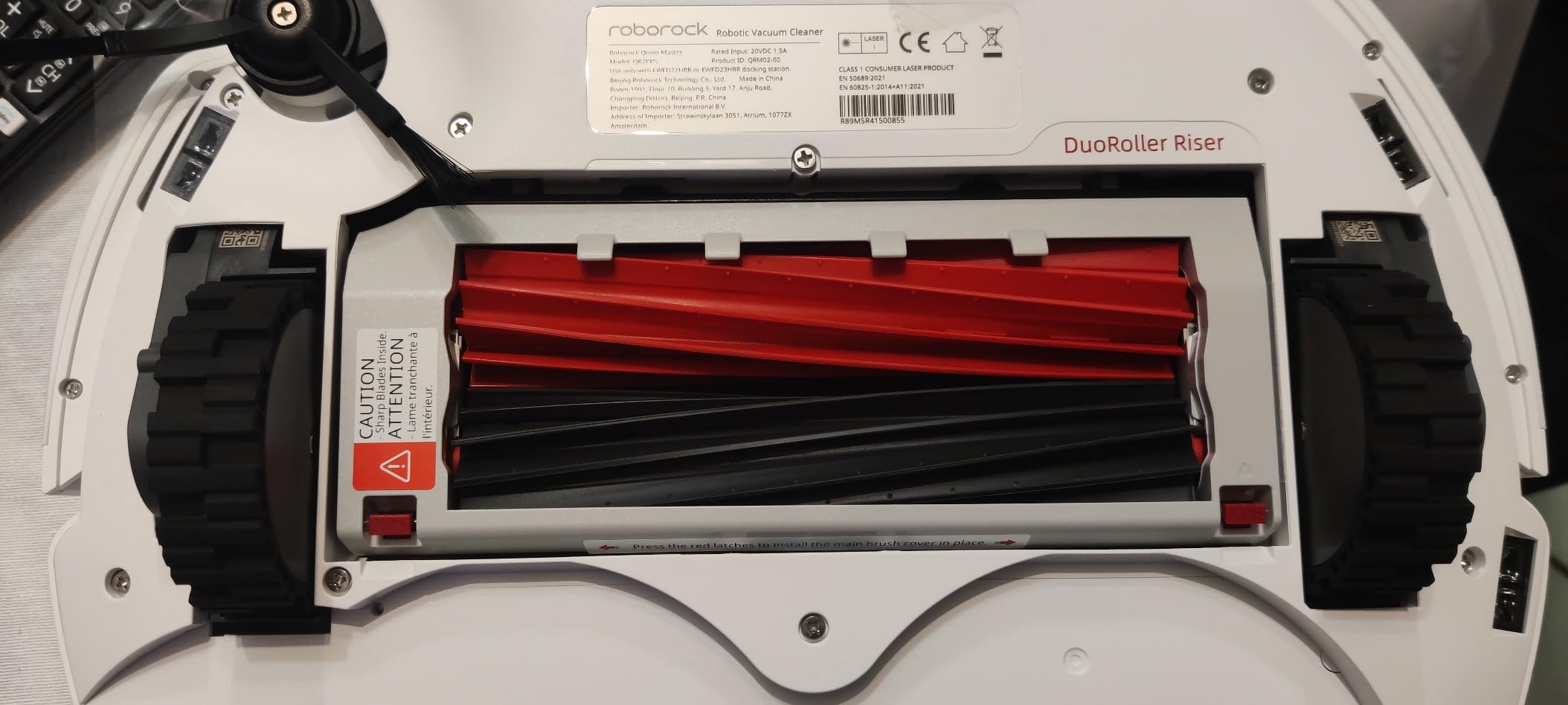
The Curv 2 Pro’s real achievement isn’t suction or hot water — it’s that it stops treating a 4cm threshold as the edge of the known world.
Suction that finally has a number worth quoting
Raw power has jumped generation to generation. The original Curv ran at 18,500 Pa, which was already absurd. The Qrevo Curv 2 Pro pushes that to 25,000 Pa, per Notebookcheck. That’s a meaningful gap, and it matters most exactly where these robots usually disappoint: deep-pile carpet and the grit that grinds into rug fibres near doorways.
I’m always sceptical of suction figures in isolation — a big Pascal number tells you nothing about brush design or how much of that pressure actually reaches the floor. But paired with a chassis that can mount a 3cm carpet in the first place, the higher ceiling is the right kind of overkill. The Curv 2 Pro can climb onto the rug and then has the power to do something useful once it’s up there, rather than skating across the top of the pile pretending. The Pascal arms race has long felt like willy-waving; here, for once, the number has a job to do, because the robot can actually reach the surfaces that need it.
The mopping is where it earns its tier
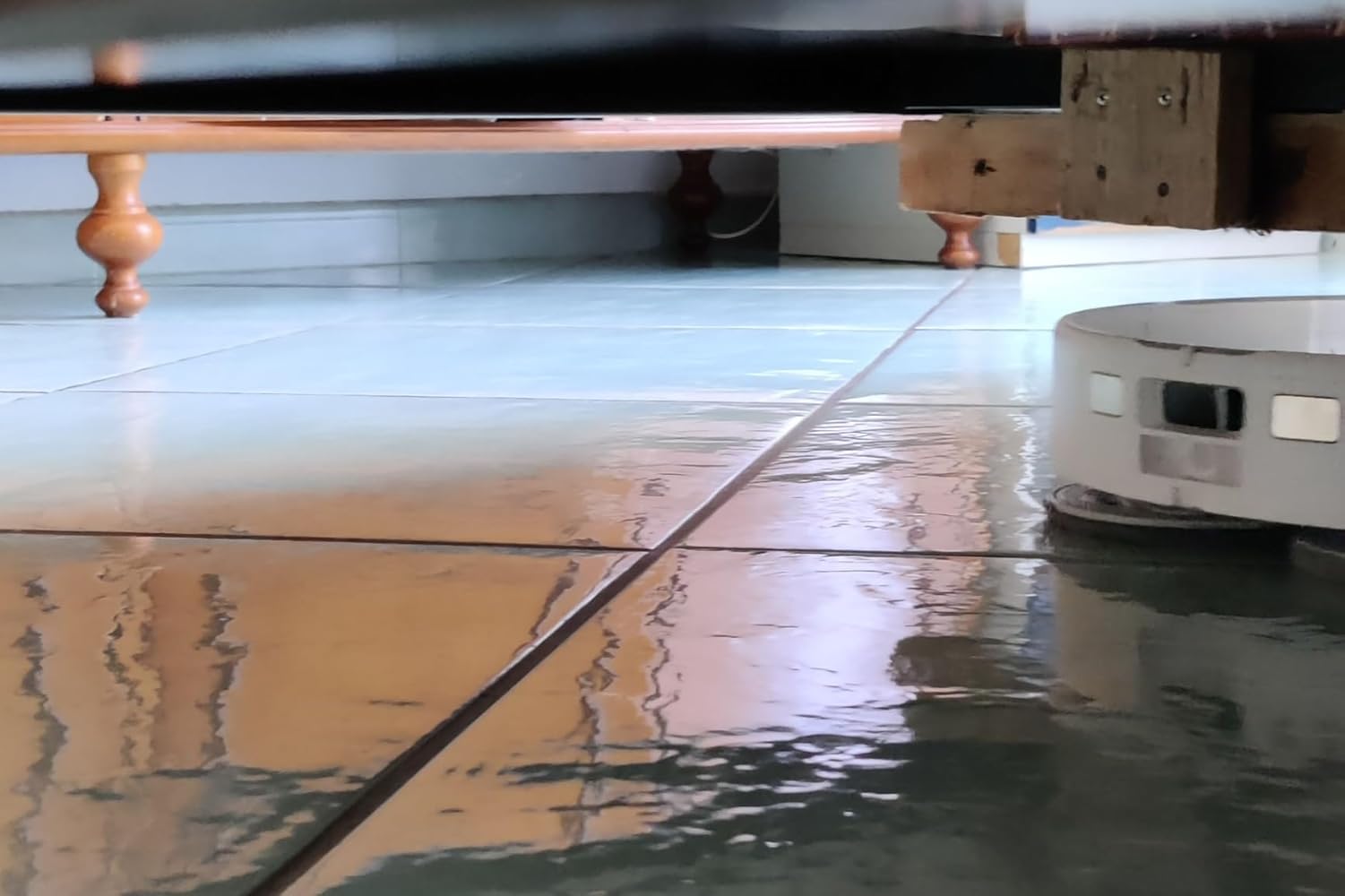
This is the part that separates a £200 robot from a near-four-figure one. Roborock’s UK product page lists 100°C hot-water mop washing, the AdaptiLift chassis, and automatic mop detachment. The detail I care about there is the hot wash. Most self-cleaning docks rinse mop pads in cold or lukewarm water and call it done; the pads come out faintly smelling of yesterday’s dinner. A genuine 100°C wash is the difference between a dock that maintains the robot and one that just hides the dirty pads from view.
Automatic mop detachment is the other quietly clever bit. When the robot moves onto carpet, it can drop the wet pads entirely rather than dragging them across your wool rug — the recurring sin of cheaper hybrids. Combined with the lifting chassis, it means the Curv 2 Pro can vacuum carpet and mop hard floor in a single run without smearing one job into the other. That integrated, no-compromise routine is exactly what you’re paying the premium for. It also changes the ownership maths: a dock that washes and dries its own pads at temperature is one you empty and refill rather than scrub, which is the whole reason anyone spends this much in the first place.
Endurance: judge it by the older sibling for now
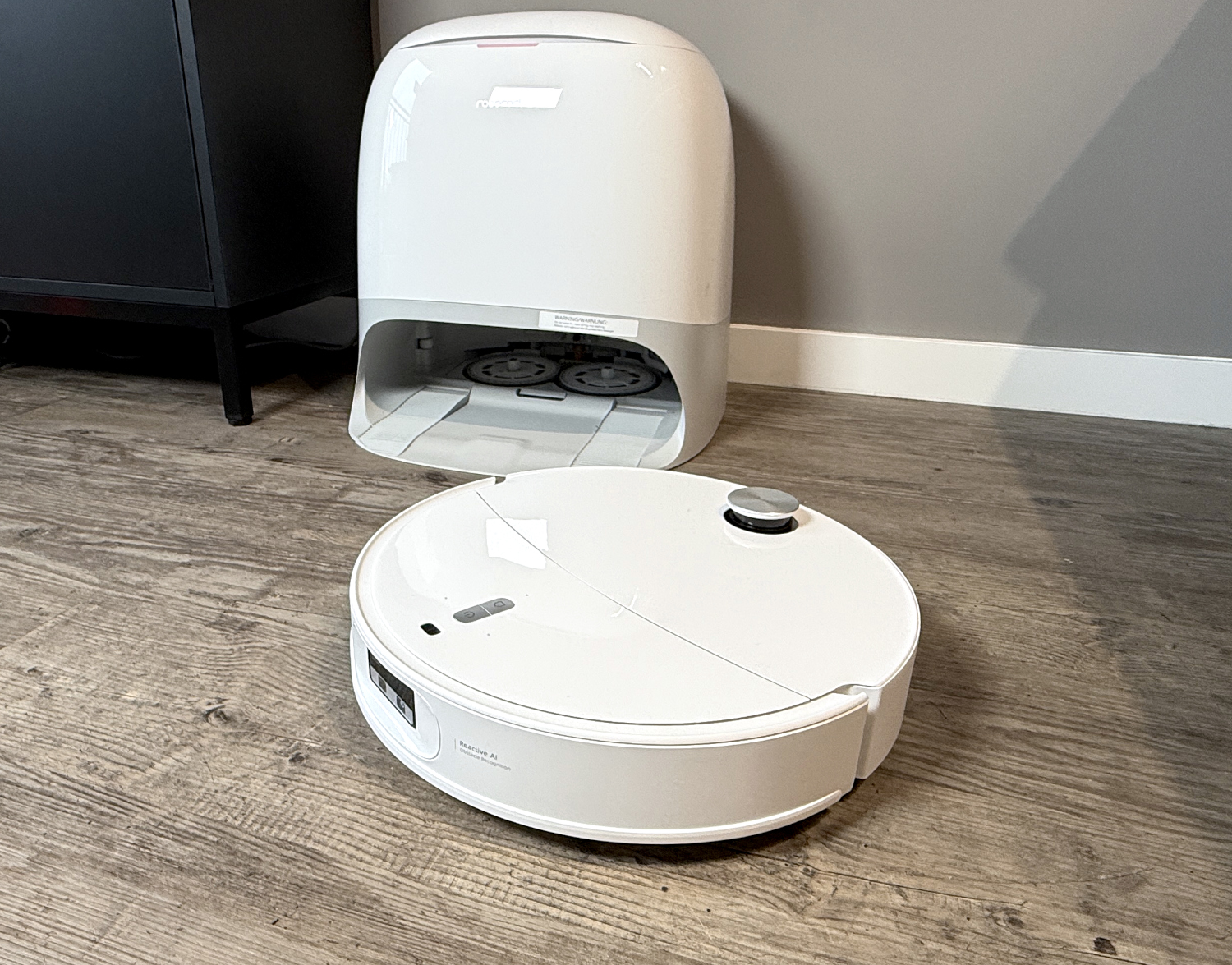
Roborock hasn’t published a like-for-like battery figure I’d stake a verdict on for the 2 Pro, so the safest reference point is the original Curv. PCMag clocked it with a 6,000 mAh cell capable of cleaning a space 1.5 times within 120 minutes before dropping to 15% charge. For a typical UK terraced or semi-detached ground floor — call it a kitchen-diner, a hallway and a living room — that’s comfortably a whole-floor run with margin to spare, and the robot resumes from the dock if it does run low. The newer model’s task is to match or beat that while pushing more suction — the usual generational balancing act, and the kind of claim I’d want to see verified on a real floor plan before treating it as settled. Higher Pa draws more current; whether Roborock has held the runtime steady is precisely the figure the spec sheet doesn’t yet answer.
The price — and the catch
Here’s where UK buyers need to read carefully. The Qrevo Curv 2 Pro is listed at £849.99, down from £1,199.99, on the Roborock UK store. That’s a serious cut on paper — £350 off — and at £849.99 it lands squarely in the upper-mid-flagship bracket rather than the stratosphere of £1,200-plus robots. In Roborock’s own ladder it sits a clear tier below the arm-equipped Saros flagships that run toward £1,800, which is exactly the “mid-flagship” slot the name is reaching for: most of the dock cleverness, none of the showpiece extras.
The catch: at the time of writing it’s listed direct from Roborock UK only, out of stock and marked coming soon. So £849.99 is the number to anchor to, but it isn’t a number you can act on this minute, and there’s no John Lewis or Amazon listing to cross-check it against yet. If you’re cross-shopping, that matters — a great price you can’t buy is a placeholder, not a deal, and “coming soon” pricing has a habit of firming up once demand reveals itself.
So, should you wait for it?
If your home is genuinely flat and single-surface, you don’t need this robot and you shouldn’t pay for the chassis that defines it — buy something simpler and pocket the difference. But if you’ve got thresholds, a mix of hard floor and thick rugs, and you’ve already been let down by a vacuum that beached itself on a doorway, the Curv 2 Pro is the first machine in a while where the marquee feature solves a problem I actually recognise from real homes.
What I’d do: bookmark the Curv 2 Pro page, wait for stock, and only commit if it holds at £849.99 rather than quietly drifting back toward £1,199.99 once it lands. At £849.99, with that climbing chassis, the 25,000 Pa ceiling and a proper hot-water dock, it’s the robot I’d tell a friend with a fussy floor plan to hold out for. At full whack it’s a harder sell, and I’d want independent endurance numbers on the new model before I’d part with four figures. The threshold-climbing is real. The discount is the bit that still has to prove it’ll stick around.
Buyer action
Where to buy or check next
Use this as the final check before ordering a phone, changing network or trusting a headline monthly price.






Reader discussion
Leave a comment
Comments are moderated. Keep it useful, accurate, and on topic.