
News · 12 Jun 2026 · Daniel Reid
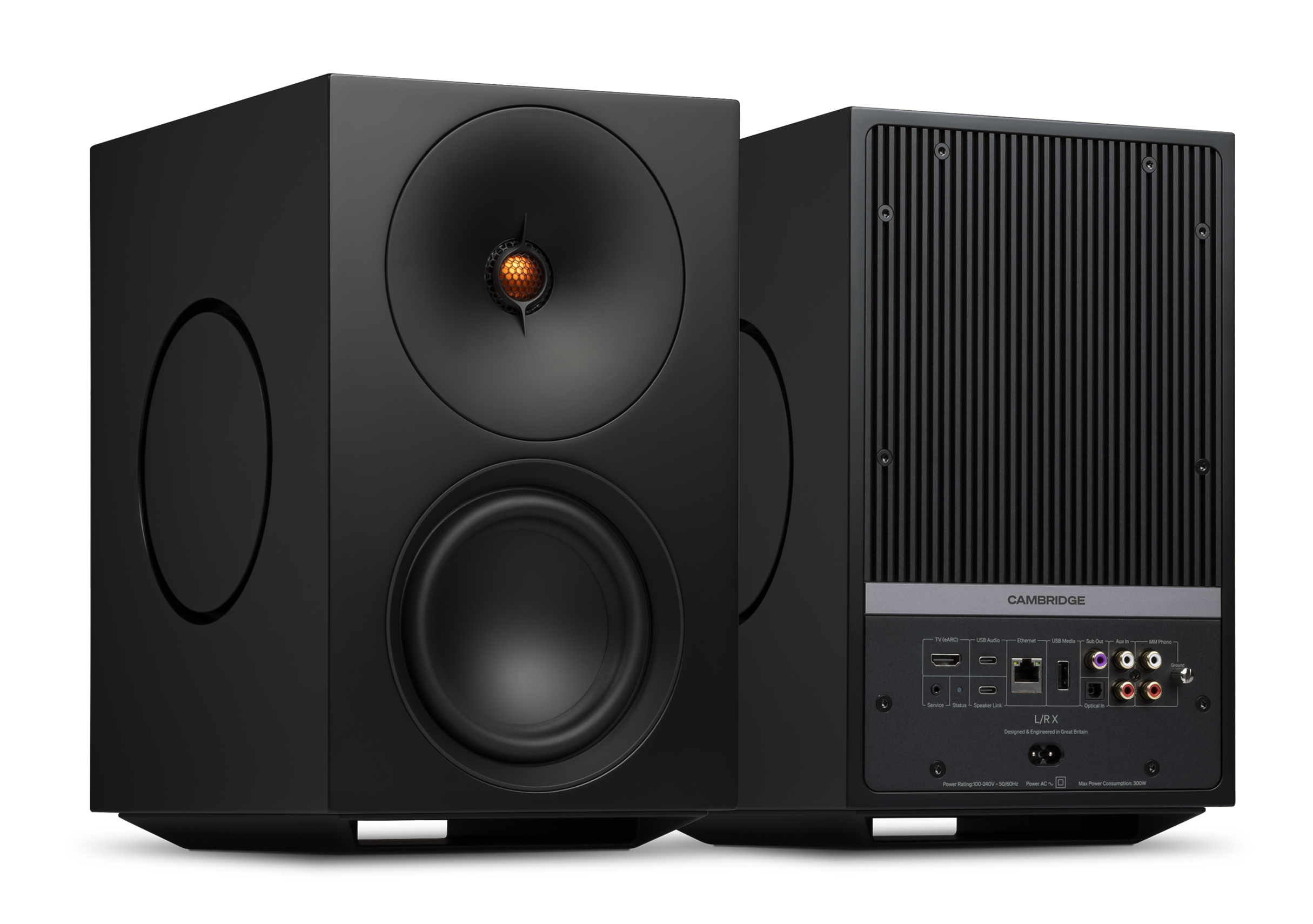
The Cambridge Audio L/R X UK price is set at £1,799 a pair, and the British brand used the High End 2026 show in Vienna this week to put its first flagship active wireless speaker in front of listeners, with fresh demonstration videos published to its official channel on 10 June 2026. According to Cambridge Audio’s own L/R Series announcement, the L/R X is the top of a three-model range that marks the 57-year-old London company’s first proper move into all-in-one streaming speakers, a category KEF has dominated in the UK for the best part of a decade.
This matters for British buyers because it lands the L/R X squarely on top of the KEF LS50 Wireless II, the system most UK shops reach for when someone wants hi-fi sound without a separate amplifier and rack of boxes. Cambridge Audio is pricing the L/R X at the same £1,799 KEF charges, betting that 800 watts of amplification, an HDMI socket and a built-in phono stage will tempt people away from the incumbent. Below is what the L/R X actually offers, what it costs across the range, where it sits against rivals, and whether it is the active speaker UK listeners should hold out for.
Key facts
- Price: L/R X £1,799 a pair (£1,899 in Real Walnut); L/R M £1,199; L/R S £399. (Cambridge Audio, June 2026)
- Power: 800W total on the L/R X, 400W per speaker, Class D. (Cambridge Audio L/R Series press materials)
- Drivers: 28mm torus-chambered tweeter, dual 5-inch woofers and dual 6-inch force-cancelling passive radiators per cabinet.
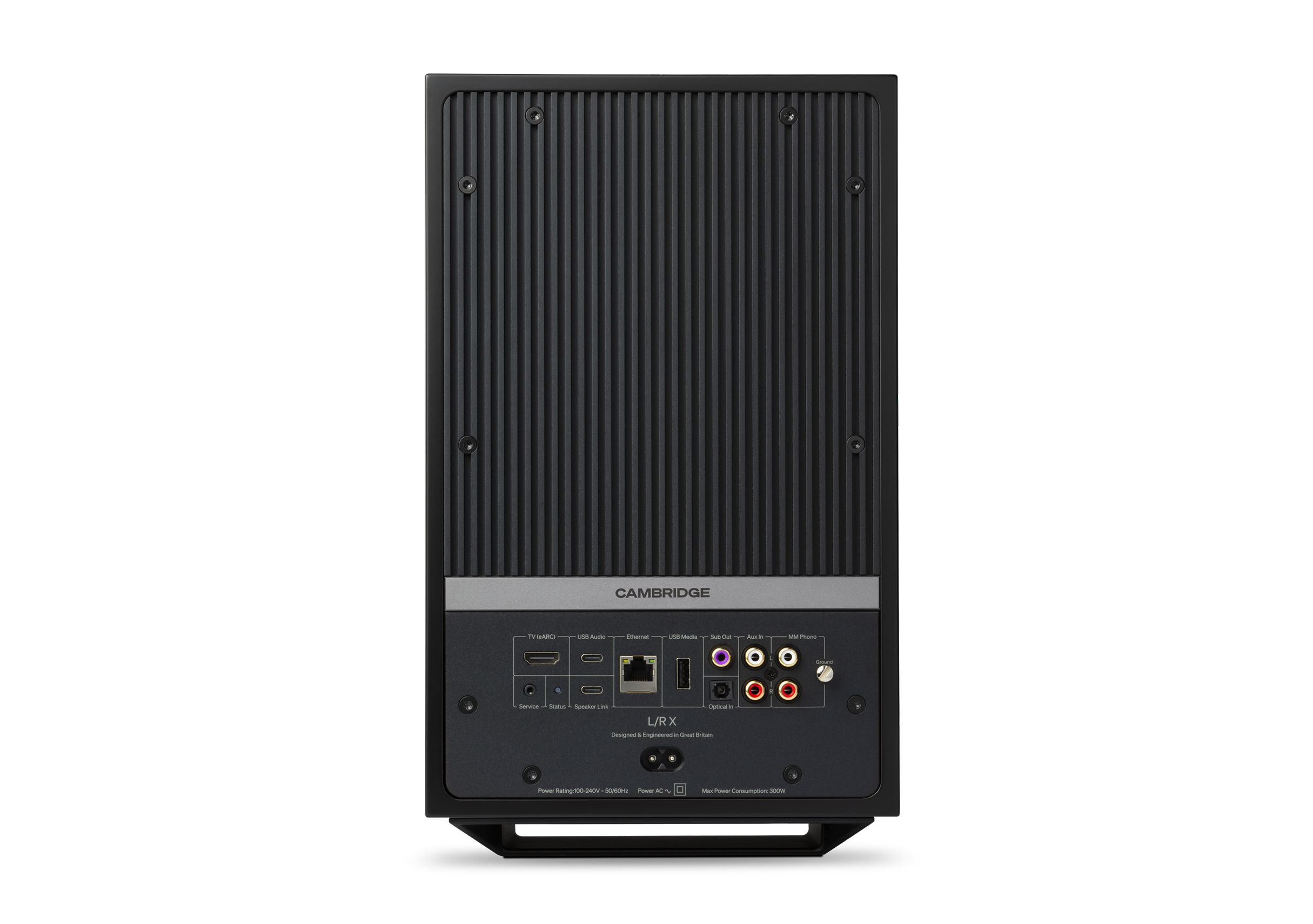
- Connectivity: StreamMagic Gen 4 streaming, HDMI eARC, moving-magnet phono stage, USB-C and WiSA wireless linking between the two speakers.
- Availability: L/R S spring 2026; L/R X and L/R M summer 2026, in six finishes. (Cambridge Audio)
What the Cambridge Audio L/R X UK launch actually delivers
The L/R X is an active stereo pair, which means the amplification lives inside the cabinets rather than in a separate box you buy and wire up. One speaker is the primary unit that holds the streaming brains and the physical connections; the other receives its signal either down a single USB-C cable or wirelessly using WiSA HT, a low-latency standard that carries 24-bit/96kHz audio between the two enclosures. That wireless option is the headline convenience: you can place the speakers either side of a TV or fireplace and only one needs to sit near your sources.
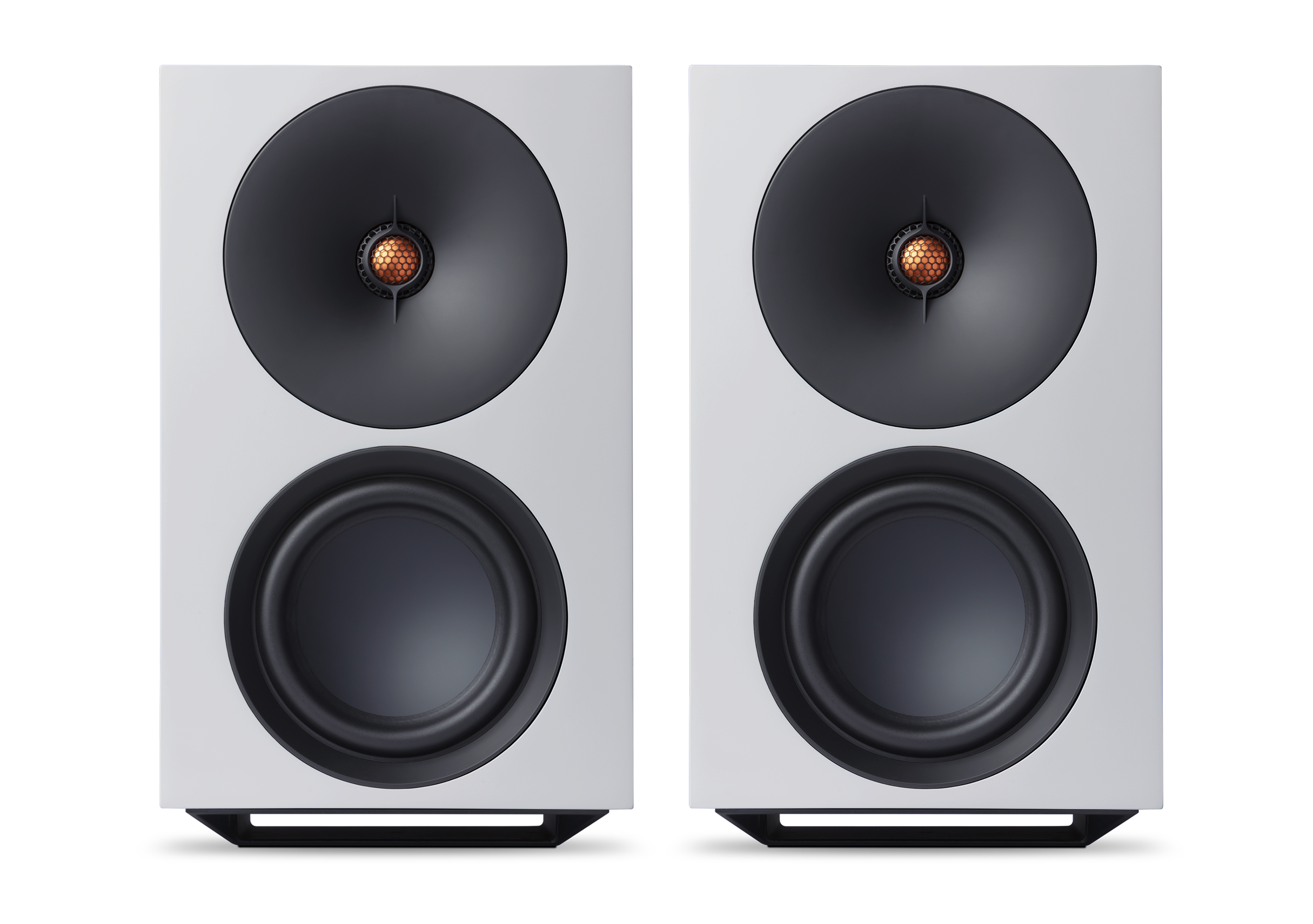
Each cabinet runs a three-driver arrangement: a 28mm torus-chambered tweeter sits above dual 5-inch mid-bass woofers, with two 6-inch force-cancelling passive radiators handling the low end. Cambridge Audio quotes 800W of total Class D power across the pair, 400W per speaker, which is a serious figure for a bookshelf-sized design and explains the brand’s repeated “where’s the subwoofer?” framing in its Vienna show clips. The point it is making is that a compact active speaker can produce bass that would normally need a separate sub, which is the same pitch KEF makes for the LS50 Wireless II.
Streaming runs on StreamMagic Gen 4, Cambridge Audio’s own platform, which carries Tidal, Spotify, Qobuz, Amazon Music, Deezer, Roon, UPnP and internet radio, plus Google Cast and AirPlay 2 for multi-room and casting. That breadth matters in the UK, where a lot of listeners juggle a free Spotify tier with a higher-quality Tidal or Qobuz subscription. If you are weighing up which service to pay for, our look at the best Spotify alternatives in the UK for 2026 walks through which platforms support the hi-res tiers the L/R X can actually play, and our guide to going back to Spotify Free after the recent price rise is worth a read if you are trimming subscriptions before spending on hardware.
Where the L/R X pulls ahead of some rivals is on physical inputs. Both the L/R X and the cheaper L/R M include HDMI eARC, so they can take audio straight from a television and act as a tidy two-box alternative to a soundbar. There is also a moving-magnet phono stage built in, meaning you can plug a turntable straight in without a separate preamp. For anyone who has been weighing a hi-fi system against a TV sound upgrade, that dual role is genuinely useful, and it is the same argument we made when we looked at the Sonos Arc Ultra Atmos soundbar as a living-room centrepiece.
How the range breaks down: L/R X, L/R M and L/R S
Cambridge Audio is not selling a single product here, it is selling a ladder, and the gaps between the three rungs are wide. The L/R S sits at the bottom at £399 a pair with 100W of total power, Bluetooth and USB audio but no streaming platform or HDMI; it is the impulse-buy desktop or second-room option, and it went on sale first in spring 2026. The L/R M in the middle costs £1,199, steps up to 300W, a 2.5-way design and the full StreamMagic Gen 4 platform with HDMI eARC and a phono stage. The L/R X is the £1,799 flagship that adds the dual-woofer bass system, WiSA wireless linking and the most power.
The jump worth scrutinising is the one from L/R M to L/R X. Six hundred pounds buys you more power and the wireless link, but the L/R M already has the streaming, the HDMI socket and the phono stage that most people buy a system like this for. Unless you have a larger room or specifically want the speakers untethered from each other, the L/R M looks like the value pick of the family. That is the kind of “buy one rung down” logic we keep returning to: we made the same call on the OLED ladder in our Samsung Micro RGB TV piece, where the headline model was not the smart buy for most UK living rooms.
The L/R M already has the streaming, the HDMI socket and the phono stage most people buy a system like this for, which makes the £600 step up to the L/R X a question of room size, not features.
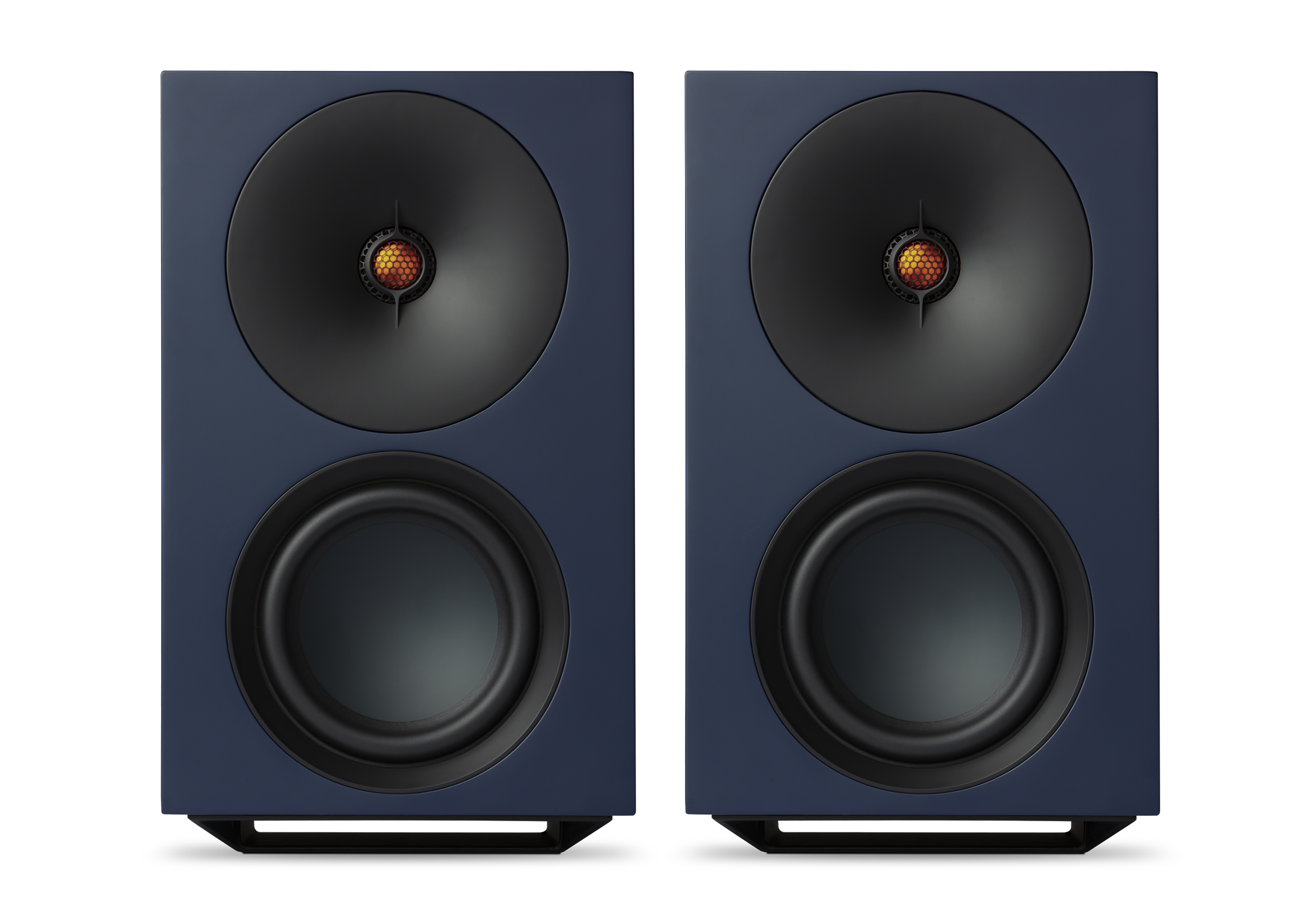
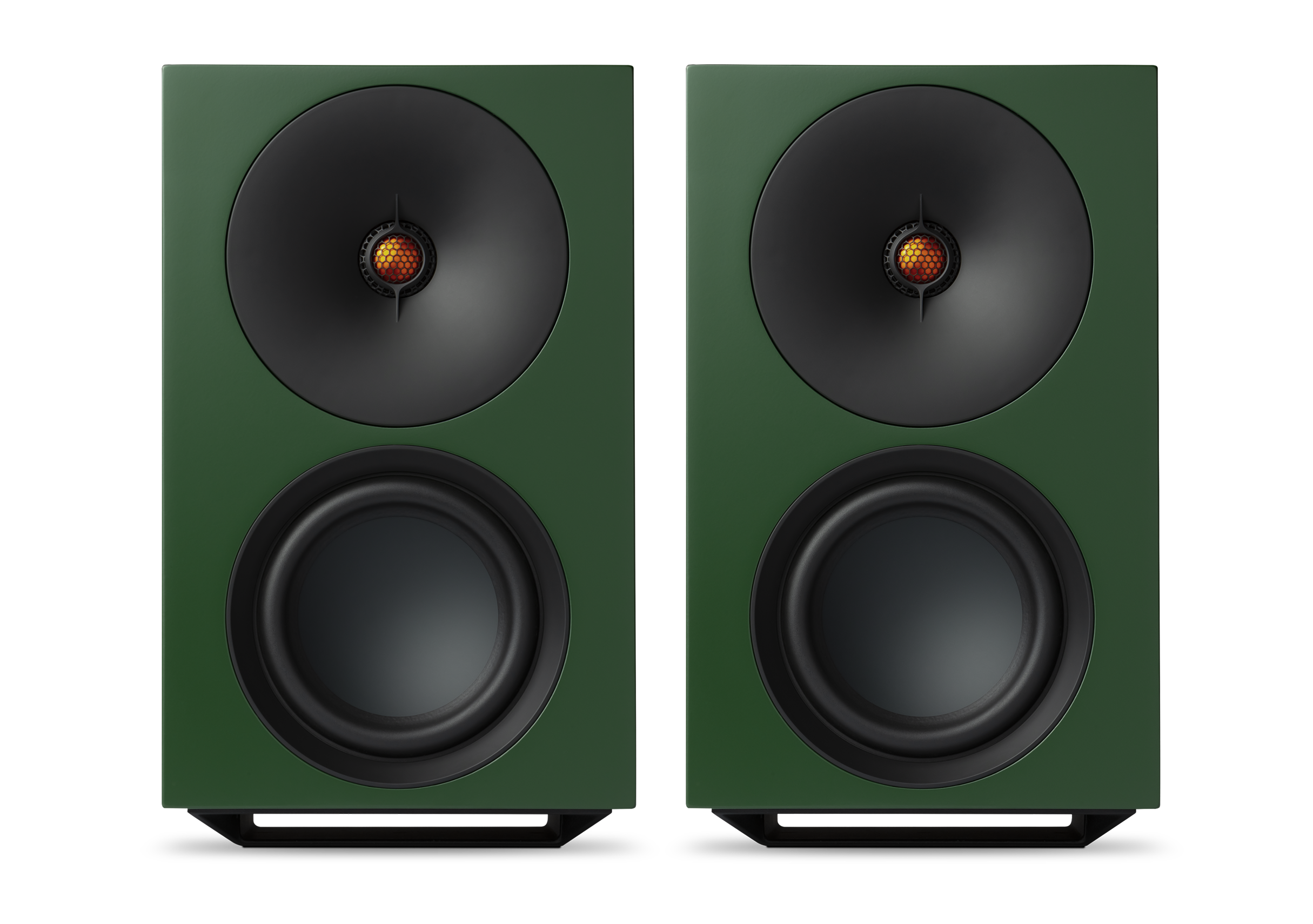
All three models come in six finishes, including a Real Walnut veneer that costs £100 more across the range. The colour choice is more than cosmetic for the L/R series: Cambridge Audio is clearly chasing the lifestyle buyer who wants a speaker to suit a room rather than hide in a rack, the same audience Sonos and KEF court. If you are furnishing a whole home around connected audio, our best smart speaker UK 2026 guide is a useful companion for the rooms where a full active pair would be overkill.
Cambridge Audio L/R X versus KEF: the rivalry that defines it
The natural comparison, and the one Cambridge Audio invites, is the KEF LS50 Wireless II. KEF’s system sells in the UK for roughly £1,799 to £2,199 depending on finish and retailer, uses its Uni-Q coaxial driver and has years of reputation behind it. On paper the L/R X answers it point for point: similar money, more quoted power, HDMI eARC on both, and a phono stage built in rather than bolted on. KEF counters with a smaller, cheaper LSX II for people who want the active-speaker idea in a more compact, desk-friendly form.
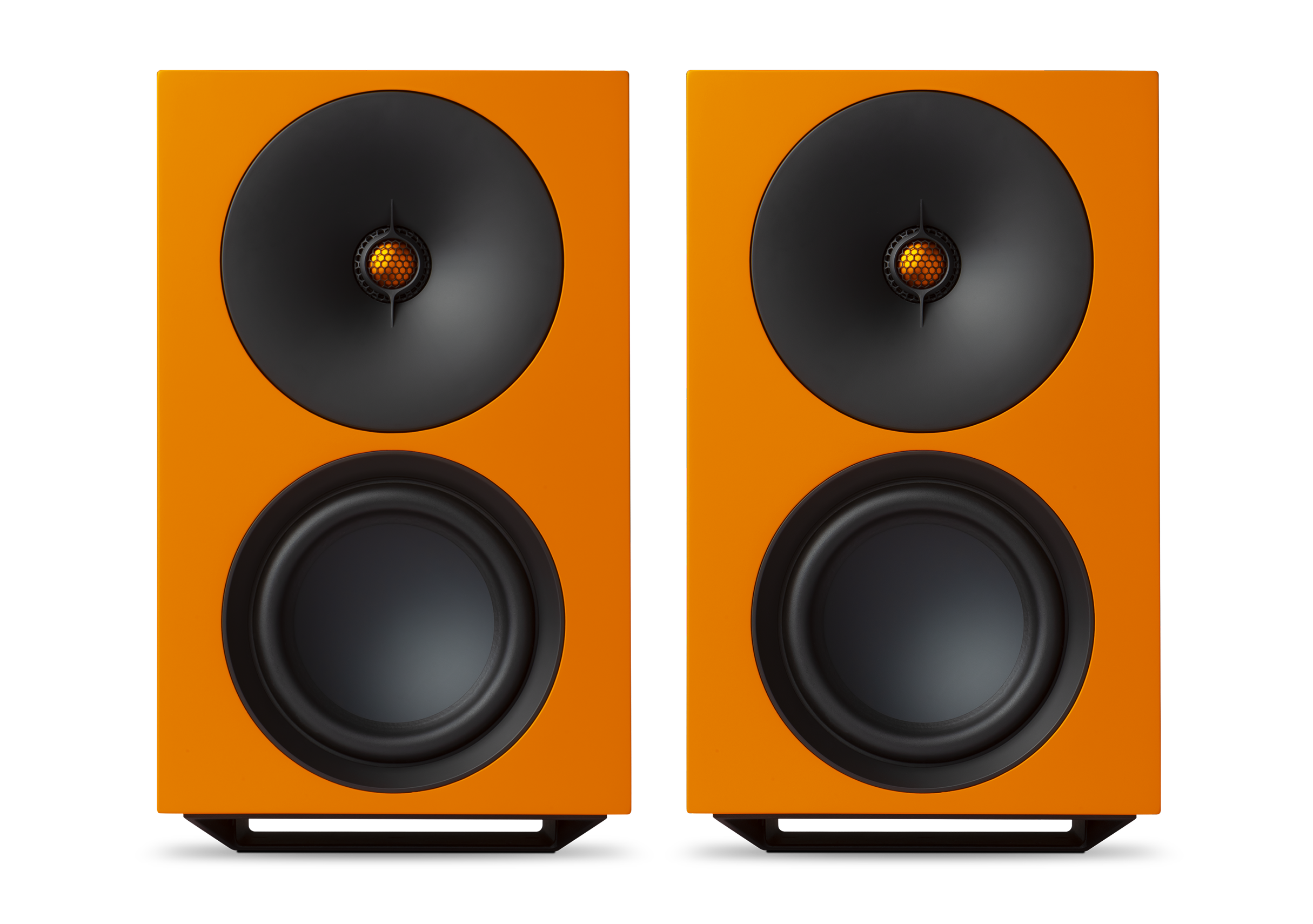
What we cannot tell you yet, in our buyer notes, is how the L/R X sounds in a typical British living room over weeks rather than minutes. Early hands-on listening at Cambridge Audio’s London headquarters and on the High End 2026 show floor described the system as clear and texturally detailed, capable of going surprisingly loud, with a slightly hard-edged character on first acquaintance that may soften with final firmware. We will reserve a score until we have a review pair in for proper testing against the KEF, rather than fabricate an impression from a show demo.
It is also worth setting the L/R X against the soundbar route, because for many UK buyers the real choice is “active speakers or a bar plus a sub”. A pair like the L/R X does double duty as your music system and your TV audio, whereas a dedicated home-cinema setup wins on surround effects. If your priority is films, our verdict on the Bose Lifestyle Ultra Subwoofer and our look at the Sonos Amp Multi for built-in systems show where the money goes if cinema, not stereo, is the goal.
One more practical note for British buyers: Cambridge Audio is a UK company with strong domestic distribution through the likes of Richer Sounds and Sevenoaks, so demo and after-sales support are easier to find here than with some imported rivals. That counts for something on a £1,799 purchase you expect to keep for a decade. For anyone building a wider connected setup, it slots alongside the streaming and headphone kit we covered in our Sennheiser Momentum 5 Wireless review, another European audio brand fighting for UK shelf space.
Where to buy or check next in the UK
- Cambridge Audio direct: the L/R X is listed at £1,799 (£1,899 Real Walnut) on cambridgeaudio.com, with the L/R M at £1,199 and L/R S at £399. Check stock dates as the X and M ship over summer 2026. (last checked: 2026-06-12)
- Richer Sounds: the long-standing UK hi-fi chain already lists L/R X colour options and ran early demo sessions; book an in-store listen before buying at this price. (last checked: 2026-06-12)
- Sevenoaks Sound & Vision: worth a call for bundle pricing with stands, which a bookshelf-style active pair really benefits from.
- KEF LS50 Wireless II: the direct rival sits at roughly £1,799 to £2,199; if you can, audition both with the same track before deciding.
- L/R M at £1,199: if the budget is tight, price the middle model, which keeps streaming, HDMI and the phono stage for £600 less.
- Stands and cabling: factor in £100 to £200 for proper speaker stands, since these are designed to be heard at ear height, not crammed on a shelf.
Our verdict
The L/R X is the most credible challenge a British brand has mounted to KEF’s wireless-speaker stronghold in years, and on specification it earns the comparison: 800W of power, HDMI eARC, a built-in phono stage and a wireless link between the cabinets, all for the same £1,799 KEF asks. For a UK buyer who wants one elegant box-free system to handle records, streaming and the television, it is an easy shortlist entry, and the home-team distribution and support are real advantages over imported rivals.
The caveats are honest ones. We have not lived with a pair long enough to score the sound, the early “hard-edged” note is worth listening for, and the £1,199 L/R M undercuts its own flagship by keeping most of the features that matter. Our advice is to audition the L/R X against both the KEF and the cheaper L/R M before committing, and to budget for stands. Hold for our full review with a measured score once a UK sample arrives, but as a statement of intent from Cambridge Audio, the L/R X is the home-cinema-and-hi-fi crossover the brand has needed.


















Reader discussion
Leave a comment
Comments are moderated. Keep it useful, accurate, and on topic.