

News · 12 Jun 2026 · Claire Bennett
Amazon Prime Day 2026 runs from 23 to 26 June, only the second time in the event’s 11-year history that it has landed in June rather than July and the first since 2021, and Amazon confirmed the dates on aboutamazon.co.uk on 2 June 2026. With the four-day sale now just under two weeks away, UK shoppers who were planning to buy a phone, laptop, tablet or games console this month have a simple decision to make: hold off, and build a watchlist now. This is a preparation guide, not a deals roundup. No live Prime Day prices exist yet, so we will not pretend otherwise; what we can do is tell you which tech categories are worth waiting for and how to be ready when the clock starts at 12:01am on 23 June.
- Prime Day 2026 runs 23 to 26 June, four full days, starting 12:01am local time (aboutamazon.co.uk, 2 June 2026).
- Second June slot in the event’s 11-year history and the first since 2021; it has otherwise been a July event (aboutamazon.co.uk, 2 June 2026).
- Prime-member exclusive, with deals across more than 35 categories in 26 countries including the UK (Amazon official announcement, June 2026).
- Early deals and limited-time offers are already live in the run-up, but the headline discounts land on 23 June.
- You need an active Prime membership to shop the event; Amazon offers a 30-day free trial for new members.
Why Amazon Prime Day 2026 changes UK shopping strategy
The shift from July to June is more than a calendar quirk. For more than a decade, UK shoppers learned to treat Prime Day as a mid-summer event, slotted between the spring sales and the autumn run-up to Black Friday. Moving it earlier compresses that timeline. If you have been nursing a failing phone or a sluggish laptop through spring, the temptation to buy in early June is strong, but the smarter move is to wait the extra fortnight. Amazon’s own framing on aboutamazon.co.uk describes “hundreds of thousands of deals exclusively for Prime members across all categories”, and history tells us the deepest cuts arrive during the event window itself, not the teaser period before it.
The four-day format matters too. A longer event changes the rhythm of a sale that used to be a 48-hour sprint. Stock on the most popular tech tends to sell through quickly, but a four-day window means lightning deals rotate, and items that vanish on day one can reappear on day three. That gives patient buyers more chances, but it also rewards preparation: a watchlist set up before 23 June lets you pounce the moment a price drops rather than scrolling through thousands of listings in real time. If you are weighing whether to buy a current flagship now or wait, our analysis of the iPhone 17e versus Pixel 10a covers the budget end of that decision in detail.
One more practical point: Prime Day is members-only. If your household let a Prime membership lapse, you will need to reactivate it, and Amazon’s standard 30-day free trial covers the event neatly if you sign up close to 23 June. Just diarise the renewal date so you are not caught by an automatic charge after the sale. With the logistics settled, the rest of this guide walks through the specific tech categories worth holding off on, and the exact products to track.
Android flagships: the category most worth waiting for
Android phones are the clearest case for patience. Premium handsets that launched earlier in the cycle are exactly the kind of stock that sees meaningful event discounting, because retailers are clearing inventory ahead of the autumn refresh. Samsung’s current Ultra-class flagship is the obvious watchlist entry: it is the most likely high-end Android phone to attract a genuine Prime Day cut, and it pairs a top-tier camera system with the kind of battery life that justifies the outlay. If you have been eyeing one at full price, do not buy it on 10 June.
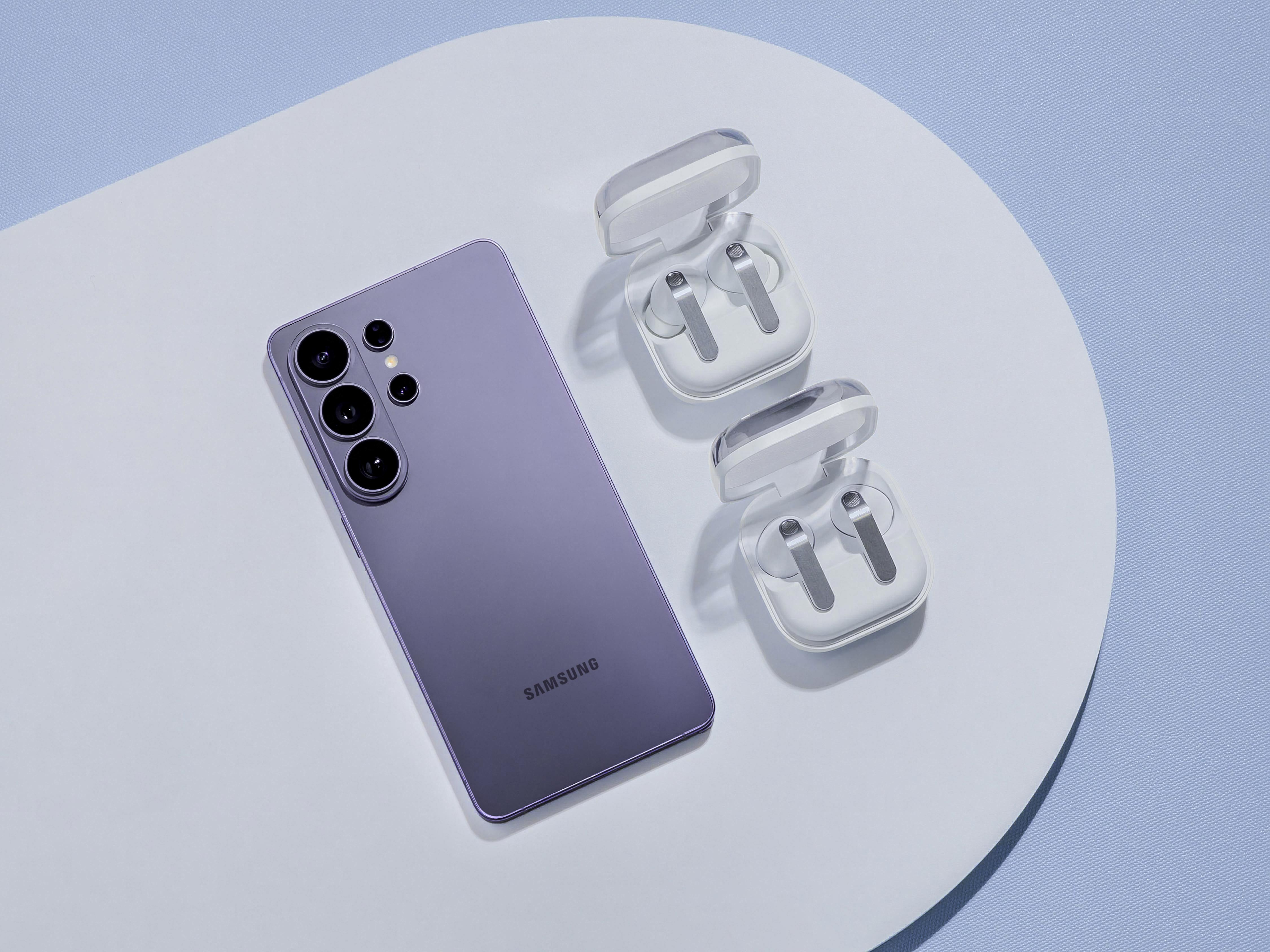
There is a timing wrinkle worth knowing. Samsung is widely reported to be holding its next Galaxy Unpacked in London on 22 July, where new foldables are expected, and our coverage of the Galaxy Z Fold8 UK rumours sets out what is likely. That event falls after Prime Day, which is good news for bargain hunters: the current-generation Galaxy line is the stock most likely to be discounted in June precisely because a successor is on the horizon. If you want the latest foldable, wait for July; if you want a flagship at a saving, the Prime Day window is your moment. For a sense of whether the standard model holds up, our take on whether the Galaxy S26 is worth it in the UK is a useful companion read.
The watchlist action here is simple: add the specific Samsung model and storage tier you want to your Amazon list now, note the current SIM-free price so you can judge any Prime Day claim against a real baseline (last checked: 2026-06-12), and set a target. If the event price beats your baseline by a margin you are happy with, buy; if it does not, the July Unpacked deals and the usual autumn sales give you further chances.
Mid-range phones and the Pixel question
Not everyone needs a flagship, and the mid-range is where Prime Day often delivers the best value per pound. Google’s budget Pixel is a strong watchlist candidate: it brings the company’s computational photography and several years of guaranteed updates at a price that already undercuts the premium tier, and event discounting can push it into genuine bargain territory. Our full assessment of whether the Pixel 10a is worth it in the UK lays out where it shines and where it compromises.
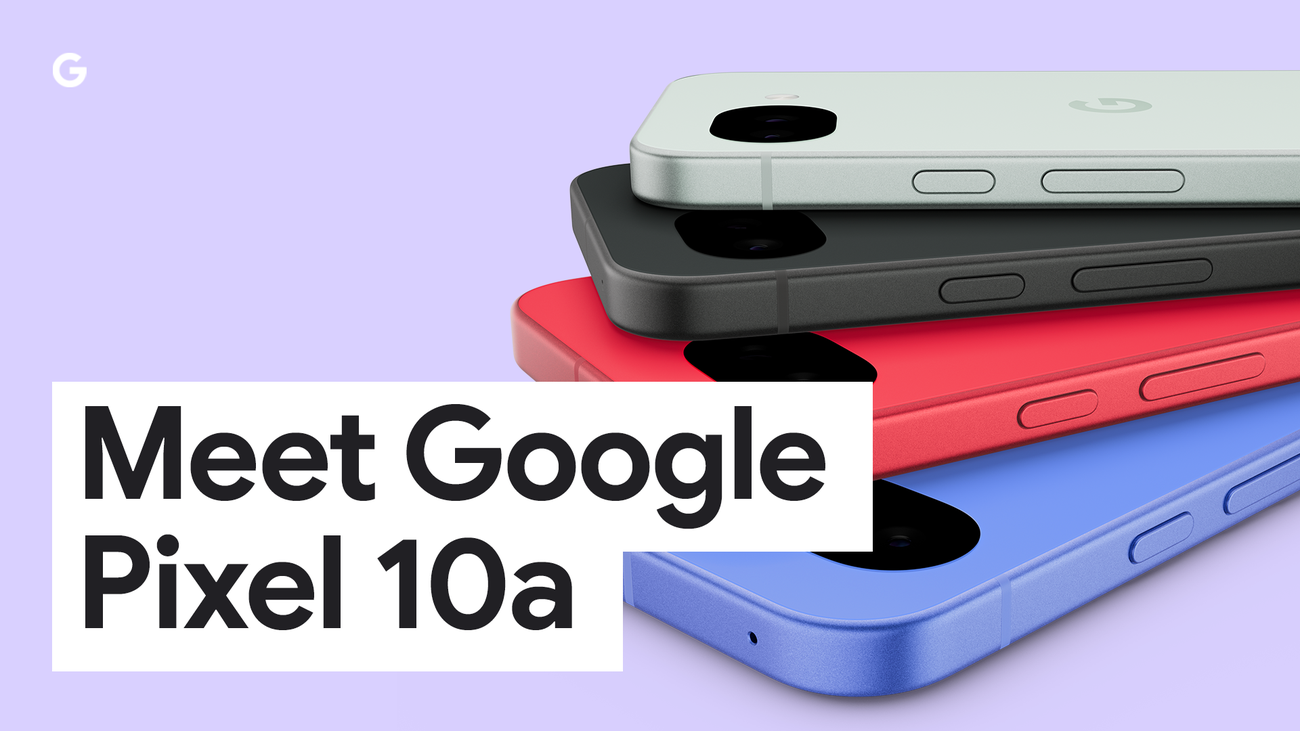
The strategic point for mid-range buyers is that the gap between an event price and an everyday price is often proportionally larger than it is on flagships. A £499 phone discounted by £80 is a 16% saving; the same £80 off a £1,000 flagship is only 8%. That maths is why the mid-range belongs near the top of any Prime Day watchlist. If you are choosing between Google and Apple at the affordable end, the budget face-off is genuinely close, and the right pick depends on which ecosystem you already live in.
A watchlist set up before 23 June lets you pounce the moment a price drops, rather than scrolling through thousands of listings in real time.
One caution: do not let a Prime Day banner talk you into a phone that is wrong for you simply because it is cheap. Decide on the model first, set your baseline price, then let the event decide the timing. A discount on the wrong device is not a saving.
Laptops, tablets and the Surface watchlist
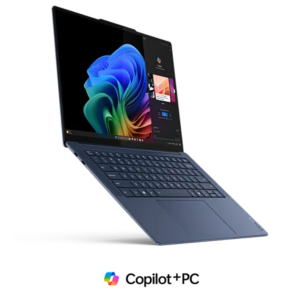
Computing hardware is the second category where waiting pays. Windows laptops, in particular, see broad event discounting because the market is crowded and retailers compete hard on headline machines. Microsoft’s Surface line is a sensible anchor for a laptop watchlist: it is premium enough to be desirable and mainstream enough that stock and discounts both materialise during big sales. If a Copilot+ machine is on your list, the run-up to Prime Day is the time to settle on the exact configuration you want.
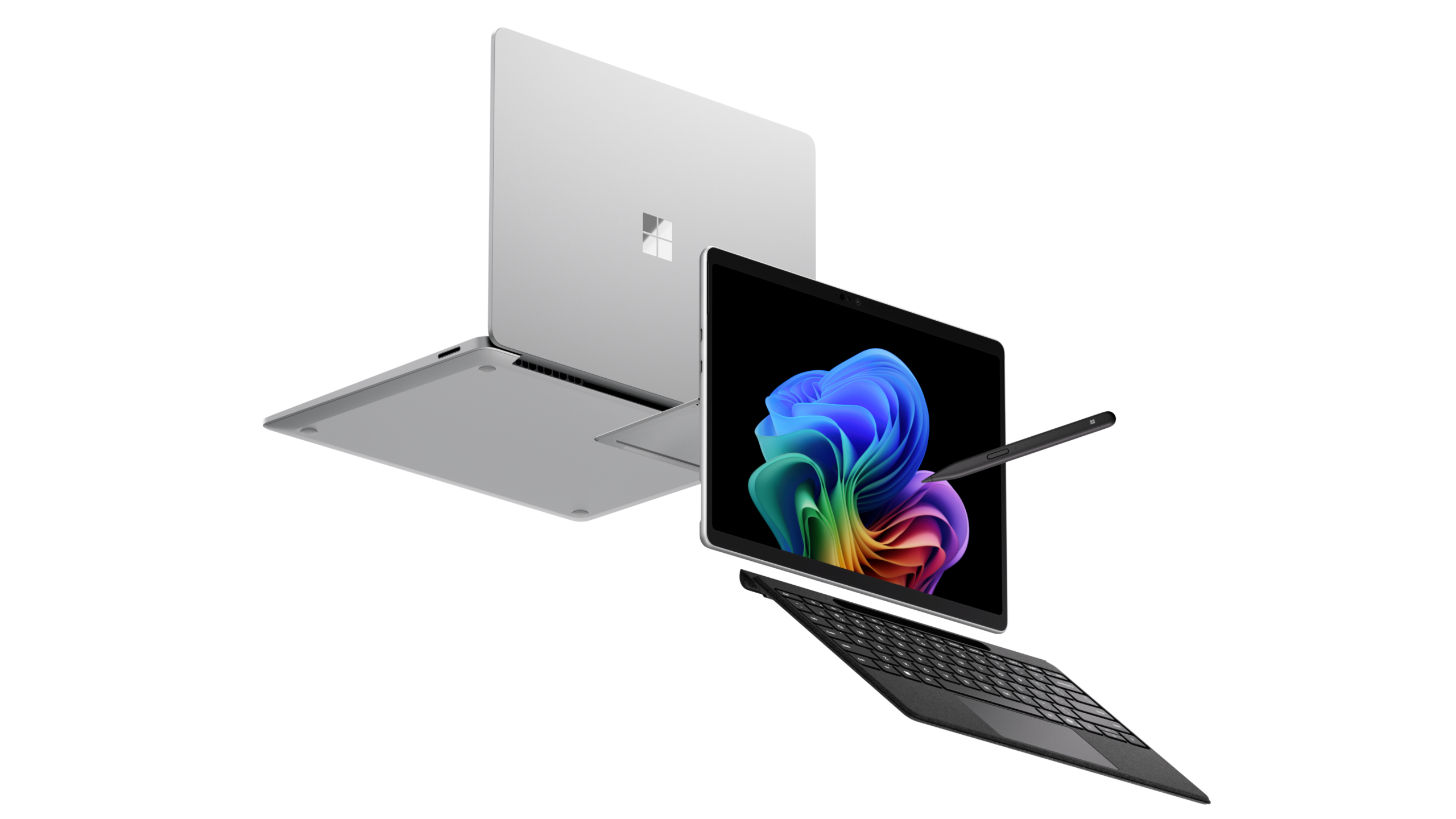
For buyers who want the best value rather than the newest silicon, the prior-generation Surface is often the smarter Prime Day target, and our guide to Surface Pro UK pricing and whether to buy in 2026 explains the trade-offs. The same logic applies to tablets: the model one step down from the flagship usually offers the steepest event discount because it is the volume seller. Decide whether you actually need the top processor, or whether a slightly older chip at a much better price does the job.
If you are buying a laptop for work rather than play, factor in that AI-assisted features such as Microsoft 365 Copilot now shape what these machines can do day to day; our breakdown of Microsoft 365 Copilot UK pricing for small businesses is worth reading before you commit. The hardware is only half the cost of ownership.
Smart glasses and wearables: a newer category to track
Wearables are a Prime Day staple, and the category has broadened. AI smart glasses have moved from novelty to genuine consideration, and Meta’s range is the obvious watchlist entry for anyone curious about the form factor. These are exactly the kind of product where an event discount lowers the barrier to a first purchase, because the everyday price can feel steep for an unproven category. If you want to understand what they actually do before you spend, our look at Meta AI in the UK and its smart glasses covers the practical use cases.

Traditional wearables belong on the list too. Smartwatches and fitness bands see reliable event cuts, and the gap between the newest model and last year’s is often slim in everyday use but wide in price during a sale. If you are choosing a wrist device, decide whether you need the latest health sensors or whether a previous-generation model at a sharp discount covers your needs. The watchlist discipline is the same throughout: pick the model, note the baseline, set the target.
Gaming: consoles, handhelds and accessories
Gaming hardware rounds out the watchlist. Consoles themselves rarely see deep discounts during events, but bundles, accessories and games do, and that is where the value sits. Nintendo’s platform is a good example: the hardware holds its price, but controllers, storage and first-party titles regularly drop during big sales. If a console is on your list, track the bundle rather than the bare unit, because a bundle with a game or extra controller is usually the real saving.
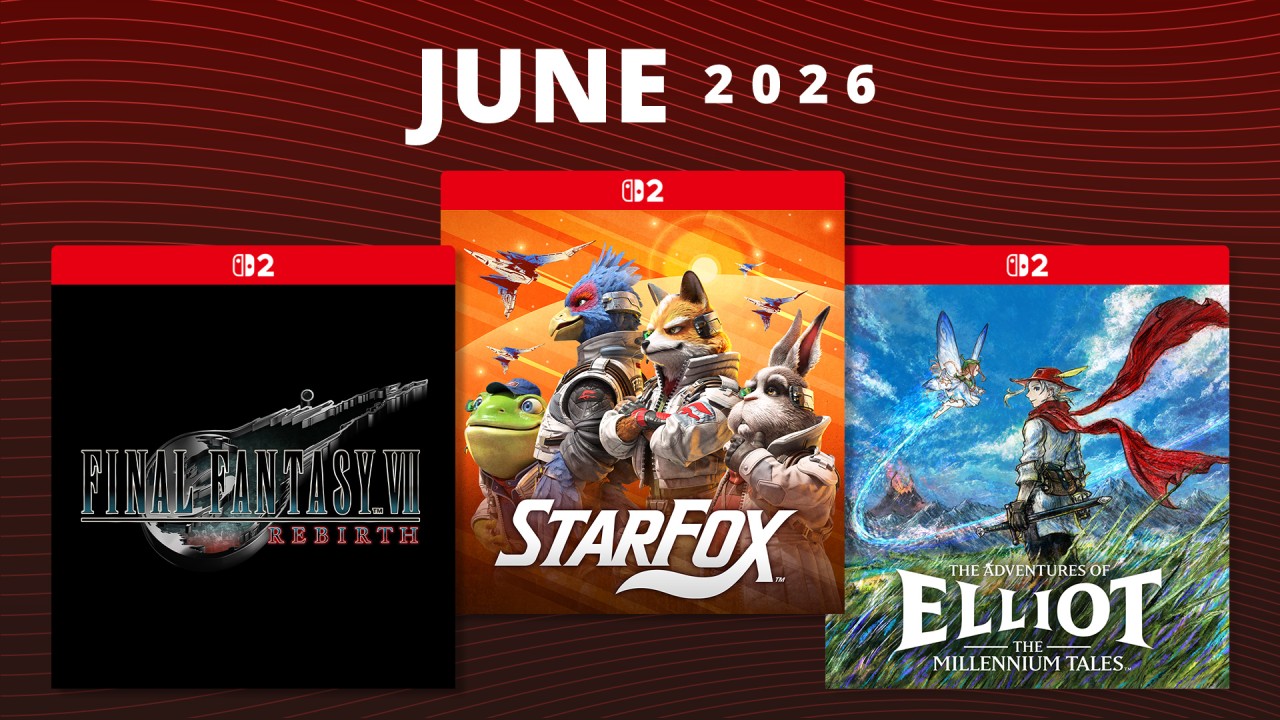
If you are weighing a console purchase, our verdict on whether the Nintendo Switch 2 is worth buying in the UK in 2026 sets out where it stands. For PC and handheld gamers, accessories such as fast storage, gaming mice and monitors are the categories that move most on price during events; the headline hardware tends to hold firm. Build your gaming watchlist around the add-ons, not the box.
Where to check next in the UK
Prime Day is an Amazon event, but it does not happen in a vacuum. UK rivals routinely run counter-sales the same week, so a few quick checks will tell you whether an Amazon price is genuinely the best available (last checked: 2026-06-12).
- Amazon UK (aboutamazon.co.uk): the source for confirmed Prime Day dates and the official deals hub. Set your watchlist and enable price alerts here first.
- Currys: the UK’s largest tech retailer typically runs its own promotions during Prime week; cross-check any laptop, TV or console price against it.
- Argos and John Lewis: both often price-match or run parallel deals, and John Lewis adds longer guarantees that can be worth a small premium.
- Samsung UK and the Google Store: for phones, the manufacturer’s own store sometimes beats marketplace pricing with trade-in offers, so compare before you commit.
- Network deals: if you want a phone on contract rather than SIM-free, compare carrier offers; our guide to EE refurbished phone plans in the UK shows how the maths can differ from an outright buy.
The golden rule for all of these: record the everyday price of your target item before 23 June. A discount only means something against a real baseline, and a screenshot of today’s price is the simplest defence against an inflated “was” figure during the event.
Our verdict
Amazon Prime Day 2026 moving to June, confirmed by aboutamazon.co.uk on 2 June, is genuinely useful for UK shoppers because it brings the year’s first major tech sale forward by a month. The practical advice is straightforward: if you can wait until 23 June, wait. Use the next fortnight to decide exactly which phone, laptop, tablet, wearable or console you want, record its current price, and build an Amazon watchlist so you can act the moment the four-day event opens. The categories most worth holding off on are current-generation Android flagships, mid-range phones, Windows laptops and the previous-generation Surface, smart glasses and wearables, and gaming accessories and bundles rather than bare consoles. What you should not do is buy on impulse before the event, or take a Prime Day “was” price at face value without your own baseline. Prepare now, shop deliberately on the day, and the June shift works in your favour rather than against your wallet.
When is Amazon Prime Day 2026 in the UK?
Do I need Prime membership to shop Prime Day?
Which tech should I wait to buy until Prime Day?
Are there any live Prime Day deals yet?
How many countries and categories does Prime Day cover?
Should I buy a Samsung Galaxy flagship now or wait?
How do I avoid fake Prime Day discounts?
Is the mid-range a better Prime Day target than flagships?
Where else should I check besides Amazon?
Related reading
Editorial standards
More on Amazon

Buying Guides
iPhone 17 UK: buy now or wait for Prime Day?

Buying Guides










Reader discussion
Leave a comment
Comments are moderated. Keep it useful, accurate, and on topic.