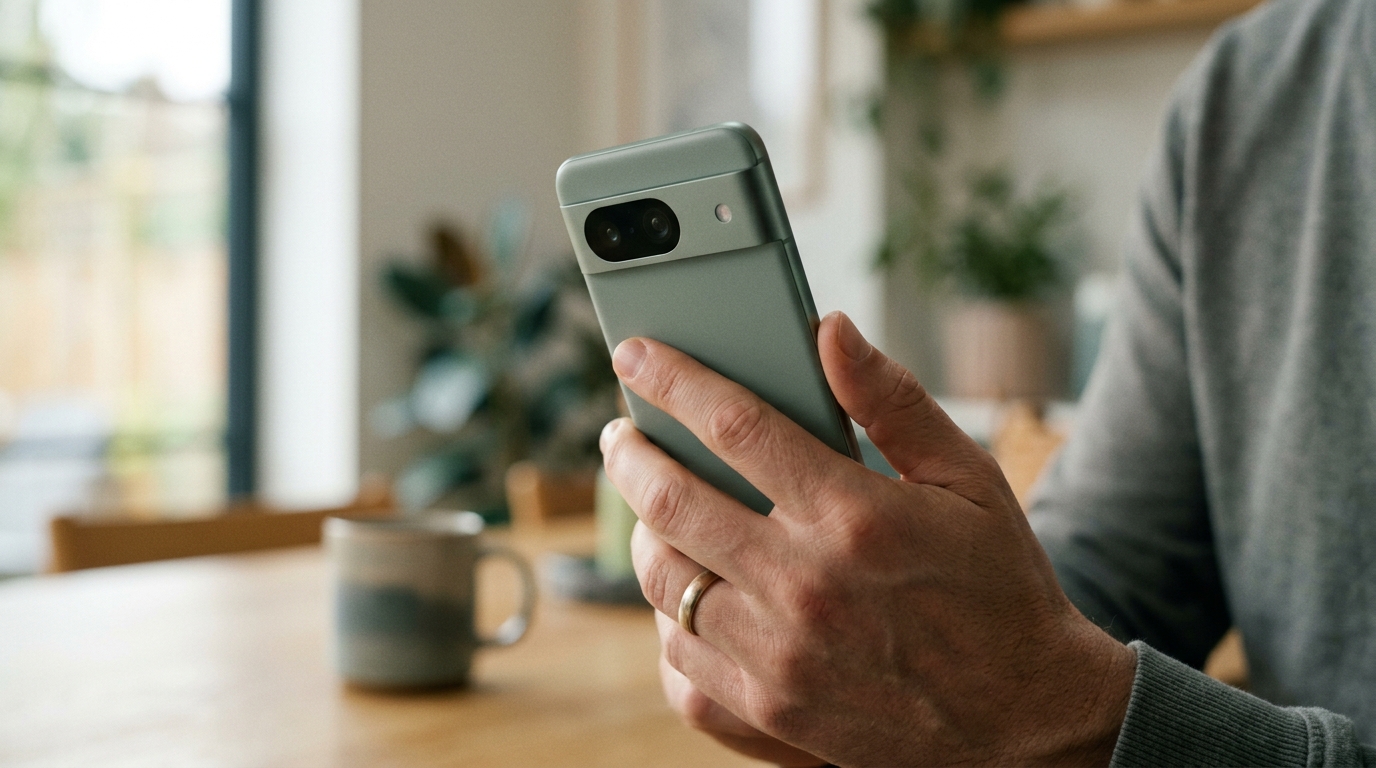
The Google Pixel 10a is the phone we point most UK buyers towards when they want a proper flagship experience without paying flagship money, and at £499 it remains one of the most sensible purchases in the 2026 Android market. It is not the most powerful phone you can buy, and it never set out to be. Instead it bundles Google’s best camera processing, a clean software experience and a genuinely long support promise into a mid-range price, and that combination is exactly what most people actually need. Here is who the Pixel 10a suits, where it cuts corners, and whether it is the right buy for you this year.
The key facts
- The Google Pixel 10a launched in the UK at £499 for 128GB, with a 256GB option above it.
- It runs Google’s Tensor G4 chip with 8GB of RAM and a 6.3-inch display protected by Gorilla Glass 7i.
- The dual camera pairs a 48MP main sensor with a 13MP ultrawide, backed by Google’s computational photography.
- A 5,100mAh battery delivers what Google rates at around 30 hours of typical use.
- Google promises years of OS, security and Pixel feature updates, which is rare at this price.
What the Google Pixel 10a gets right
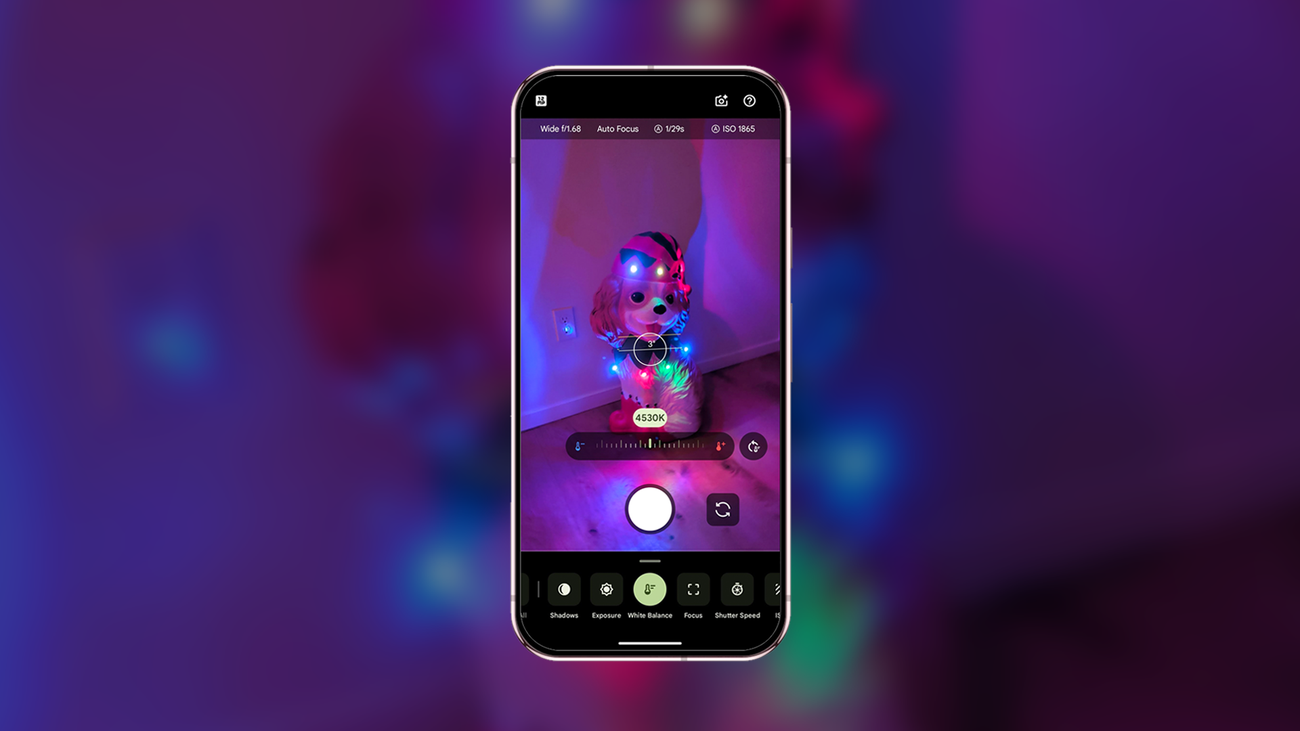
The headline strength is the same as every A-series Pixel before it: the camera. Google leans on software rather than exotic hardware, and the 48MP main sensor combined with its computational photography produces images that punch far above the price. Night Sight, Macro Focus and Best Take all carry over, so the everyday shots most people take, low light, kids, pets, food, come out looking like they were taken on a phone costing twice as much. For a buyer who cares about photos but not about spec-sheet bragging rights, this is the whole argument in one feature.
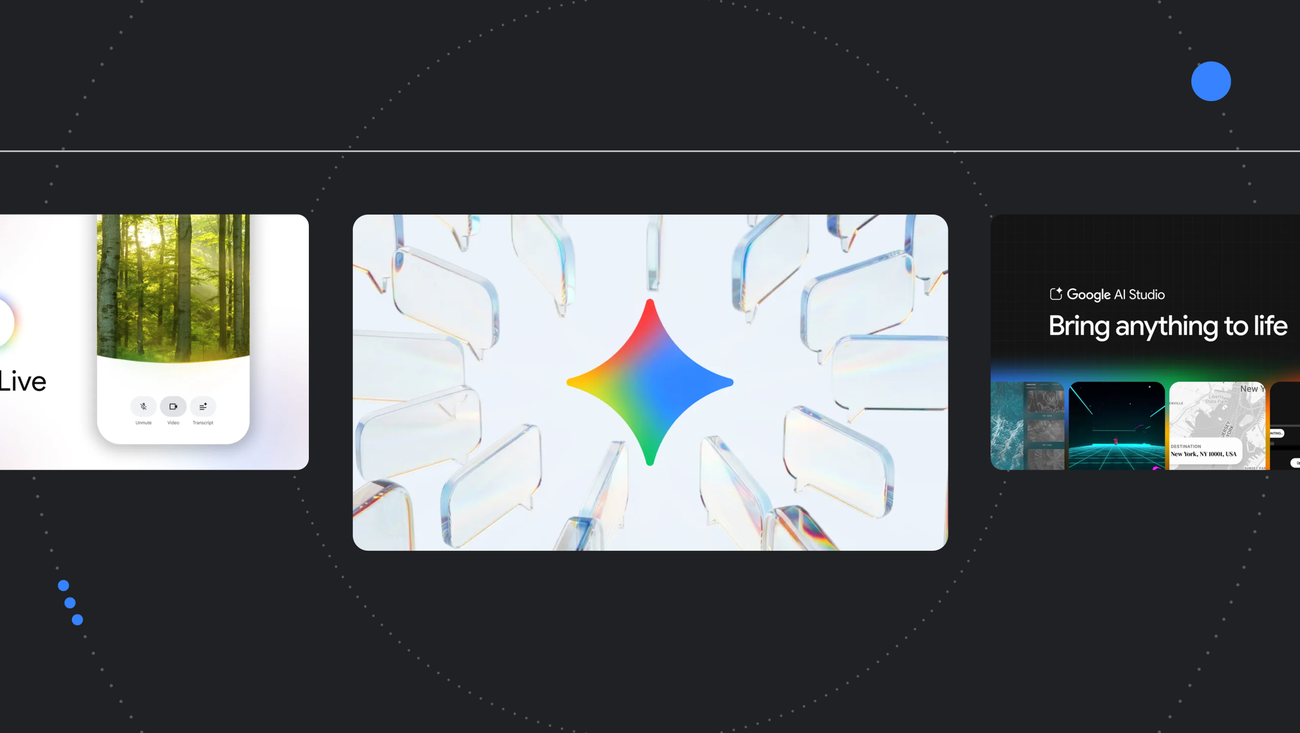
The second strength is software. Pixels run a clean version of Android with no duplicate apps or bloatware, and they get Google’s features first. This year the Pixel 10a also benefits from the wider push into on-device Gemini AI, bringing genuinely useful tools rather than gimmicks. If you want to understand what that AI layer adds day to day, our guide on using Gemini in Gmail and Docs and our overview of the latest Android 17 features show where Google is heading, and the Pixel line is always the first to get there.
Performance and the Tensor G4 trade-off
The Tensor G4 is where expectations need calibrating. It is not the fastest chip in its price bracket on raw benchmarks, and rivals using the latest Snapdragon silicon will post higher numbers. In daily use, though, that gap rarely shows: scrolling, messaging, browsing, streaming and casual gaming all run smoothly. Where Tensor earns its place is the AI and camera processing it was designed for, which is exactly what makes a Pixel a Pixel. Our honest take is that benchmark-chasers should look elsewhere, but everyone else will find the Pixel 10a fast enough in the ways that matter, with the chip’s strengths aimed squarely at the features people actually use.
The 8GB of RAM is adequate rather than generous, and heavy multitaskers may occasionally notice apps reloading in the background. For the target buyer, who tends to run one or two apps at a time, it is a non-issue. This is the recurring theme of the Pixel 10a: Google has spent the budget where most people benefit and trimmed where they will not notice.
Battery life and charging
Battery is a quiet win. The 5,100mAh cell is large for a phone this size, and Google rates it at around 30 hours of typical use, with longer possible in the more aggressive battery-saver mode. In practical terms that means comfortable all-day life for most users and into a second day for lighter ones. Charging is wired and reasonable rather than record-breaking, plus wireless charging for convenience, so you will not match the rapid top-ups of some rivals, but you also will not be tethered to a plug at lunchtime. For the buyer who simply wants a phone that lasts the day without anxiety, the Pixel 10a delivers.
The update promise that changes the maths
This is the feature that quietly makes the Pixel 10a one of the best-value phones in Britain. Google commits to years of OS upgrades, security patches and Pixel feature drops on its A-series, which means a £499 phone bought today should stay current and safe well into the future. Spread the price across that support window and the cost per year of useful life is genuinely low, often lower than a cheaper phone that stops getting updates after two or three years. When we tell readers to think about total cost of ownership rather than the sticker price, the Pixel 10a is the example we reach for.
Long support also protects resale value and keeps the AI features flowing, which matters more on a Pixel than on most phones because Google ships new capabilities to older hardware through those feature drops. A Pixel 10a bought now is likely to gain abilities over its life rather than simply ageing, and that is a meaningfully different proposition from a budget phone frozen at the software it shipped with.
How it compares with the alternatives
At £499 the Pixel 10a sits in a busy part of the market. Apple’s most affordable current iPhone competes hard on raw performance and resale, and we put the two head to head in our iPhone 17e versus Pixel 10a comparison, which is essential reading if you are torn between the ecosystems. On the Android side, Samsung’s mid-range A-series and value flagships like the Galaxy S26 offer more polish and, in the Samsung case, brighter screens and longer-zoom cameras, though usually at a higher price or with a less clean software experience.

The Pixel’s trump cards over almost all of them are the camera-for-the-money and the update promise. Where it loses is on outright speed, charging pace and the kind of premium extras, brighter displays, telephoto lenses, you only really get higher up the range. If you want the design-led alternative, brands like Nothing are worth a look, and our coverage of the Nothing ecosystem shows how differently rivals approach the same budget. For most buyers, though, the Pixel’s blend is the easiest to recommend.
Design, display and everyday handling
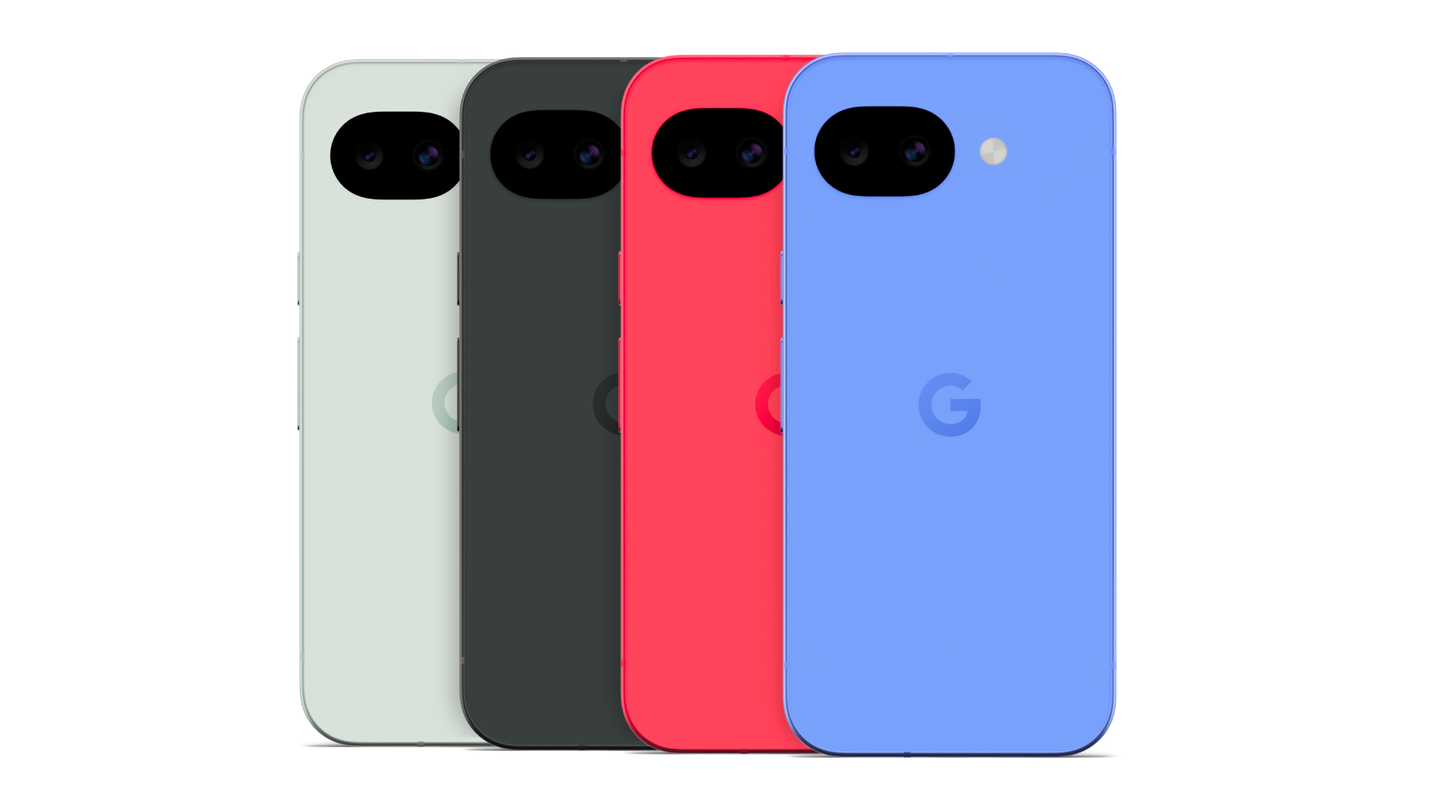
The Pixel 10a keeps the friendly, unfussy design the A-series is known for, and this year the camera sits flush with the back rather than in a raised bump, which makes the phone steadier on a desk and tidier in the hand. The 6.3-inch screen is a sensible size: big enough for comfortable reading and video, small enough to use one-handed, and protected by Gorilla Glass 7i for everyday durability. It is a bright, clean panel that handles streaming and browsing well, even if it does not reach the peak brightness or the highest refresh rates of pricier flagships.
In daily handling, the Pixel 10a feels like a phone designed by people who use phones rather than chase spec sheets. The build is solid, the colours, Lavender, Berry, Fog and Obsidian, are tasteful rather than gaudy, and the clean Android layout means there is nothing to uninstall or switch off before it feels like yours. Little touches, fast and reliable fingerprint unlocking, the at-a-glance information Pixels surface so well, and Google’s call-screening tools, add up to a device that is pleasant to live with. None of this shows up on a comparison table, but it is exactly the sort of thing that makes a phone easy to recommend to a friend or a relative who just wants it to work without fuss.
Where to buy the Pixel 10a in the UK
The Pixel 10a is widely stocked, so it pays to compare before buying (prices vary with promotions):

- Google Store UK: store.google.com/gb is the reference point at £499 for 128GB, often with trade-in credit that lowers the real cost.
- Carriers: EE, Vodafone, Three and O2 all list the Pixel 10a on contract, useful if you prefer to spread the cost monthly.
- Retailers: Currys, Argos, John Lewis and Amazon UK stock it SIM-free and frequently run discounts below the Google Store price.
- Trade-in: Google and several retailers offer trade-in deals that can take a meaningful chunk off, so check the value of your old handset before paying full price.
- Storage choice: most people are fine with 128GB, but cloud-light users who store lots of photos and video locally should consider the 256GB version.
For buyers who care most about the AI features, it is also worth reading our recap of the Gemini features Google showed at I/O 2026, since the Pixel 10a is among the first phones to receive them.
Our verdict: should you buy the Pixel 10a?
For the buyer who wants the best camera and the cleanest software at a sensible price, the Pixel 10a is an easy recommendation and remains our default pick in the £450 to £550 bracket. We would buy it without hesitation for anyone who values photos, long software support and a fuss-free experience over benchmark scores and the fastest charging. We would steer power users, mobile gamers and charging-speed obsessives towards a Snapdragon-powered rival instead. But that is a minority. For the everyday UK buyer who wants a phone that takes brilliant pictures, lasts the day and stays current for years, £499 on the Pixel 10a is money well spent, and the total cost over its long support life makes it look cheaper still. If you have been holding an ageing handset and waiting for the right moment to upgrade, this is the phone we would put in most people’s hands without a second thought, confident they will be happy with it long after the receipt has been forgotten.








Reader discussion
Leave a comment
Comments are moderated. Keep it useful, accurate, and on topic.