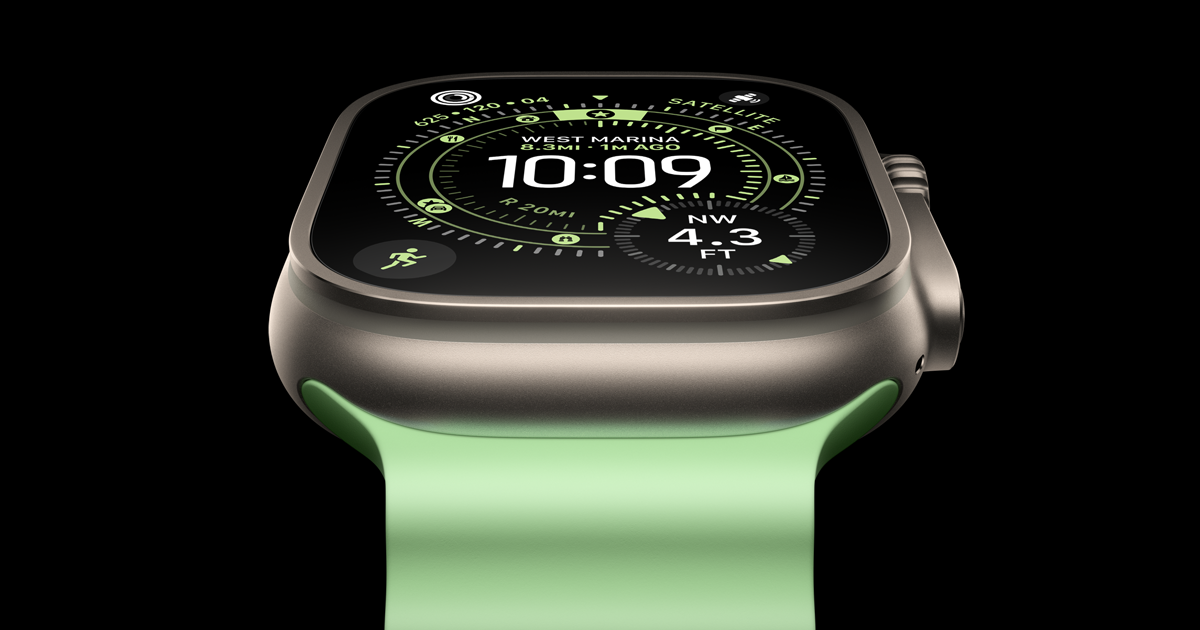
Apple almost never makes a flagship cheaper than the one it replaces. The Apple Watch Ultra 3 is the exception: the Apple UK store now lists it at £749 in GPS and cellular titanium, a full £50 under the £799 the Ultra 2 asked at its own launch. That is the number I keep coming back to, because for once the maths runs the reader’s way — and, on the spec sheet at least, you get more watch for the lower price. The catch is that the single feature Apple has pushed hardest this generation is the one British buyers can’t actually use.
So let me take the Ultra 3 the way I take any £700-plus wearable: on the numbers, on what it does for a UK wrist, and on whether the headline features survive contact with reality on this side of the Atlantic.
The price cut is the story — and it’s real (Apple Watch Ultra)
Start with the money, because it reframes everything else. At £749 for the titanium case with cellular as standard, the Ultra 3 undercuts its predecessor by £50 while adding hardware. There is no cheaper GPS-only trim to muddy the comparison — Ultra has always been the cellular-first, do-everything model, and that hasn’t changed. You choose between natural and black titanium, then pick your strap: Alpine Loop, Trail Loop or Ocean Band. That’s the whole decision tree, and I quite like that Apple hasn’t padded it with tiers designed to upsell you.
What the £50 cut signals matters as much as the saving itself. Apple tends to hold flagship pricing and let inflation do the quiet work; dropping the launch RRP is a statement that the Ultra line is settling in as a permanent fixture rather than a novelty. For anyone who looked at the Ultra 2 and flinched at £799, that psychological barrier has moved — and it moves in the direction of more people justifying the buy. It also changes the second-hand calculus: a lower RRP compresses the gap between a boxed-fresh Ultra 3 and a lightly-used Ultra 2, which for my money makes the new one the more sensible buy rather than hunting a marketplace bargain on the old one.
Battery: the spec Apple undersells
The Ultra’s defining trait has always been endurance, and this is where the Ultra 3 quietly overachieves. Apple’s official claim is up to 42 hours in normal use and up to 72 hours in Low Power Mode. Those are the figures on the box. Real-world UK testing by the Express cleared the headline number where it counts — over 48 hours of normal use, comfortably past the 42-hour claim — while Low Power Mode came in at 70-plus hours, effectively matching Apple’s 72-hour figure rather than beating it. So the honest read is that the everyday claim is conservative and the Low Power claim is bang on, not that the watch magically outruns both.
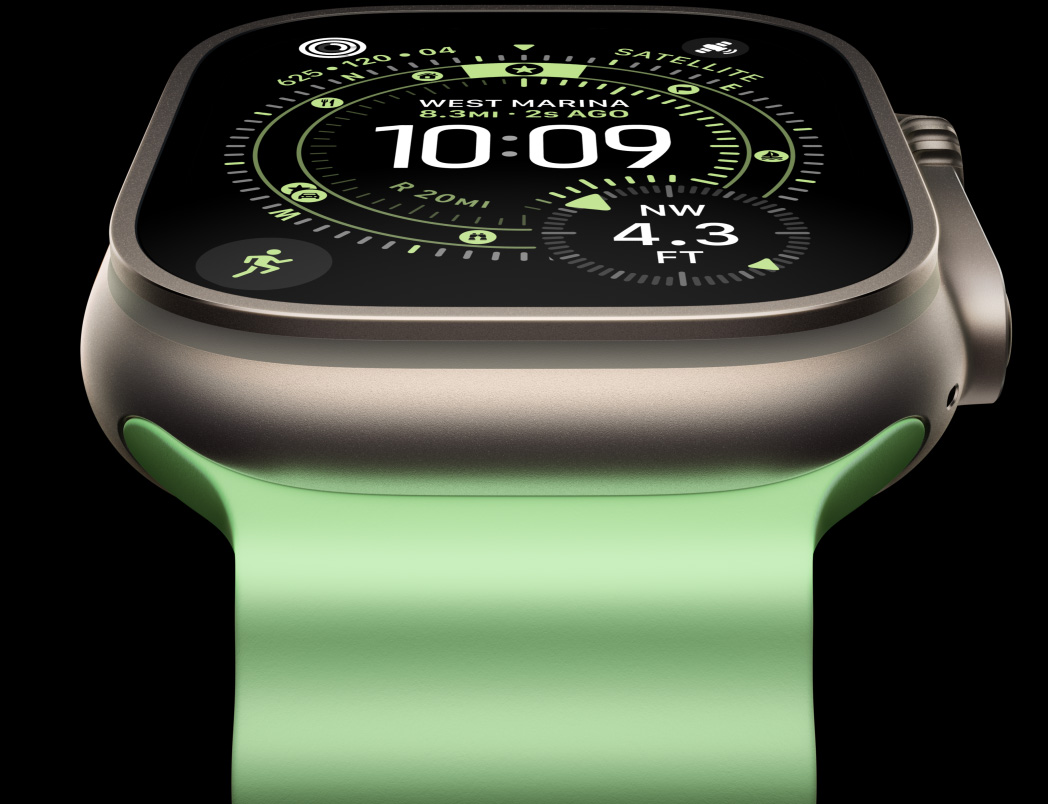
That gap between the everyday marketing number and the tested number is worth dwelling on, because it’s the right way round for once. A flagship that beats its own conservative daily claim is a flagship you can trust to survive a weekend away, a long-haul flight, or a two-day hike without you rationing notifications. Against an Apple Watch Series that still wants a nightly charge, this is the practical dividing line — and it’s the single strongest reason to spend the extra on Ultra rather than the standard model.
A wearable that quietly beats its everyday battery claim is rarer than it should be — and on a watch you’re meant to wear to sleep and track, those extra hours are the difference between a tool and a chore.
Endurance also feeds the health story. Sleep tracking only works if the watch is on your wrist overnight, and a tested everyday figure of roughly 48 hours means you can top up during a shower and still capture a full night. If health data is your reason for buying — and for a lot of UK buyers it is — battery is not a side spec, it’s the enabler. It’s the same logic I applied when weighing up the best health-tracking smartwatches in the UK this year: the sensor list means nothing if the watch is on a charger when you need the reading.
The satellite feature Britain can’t use
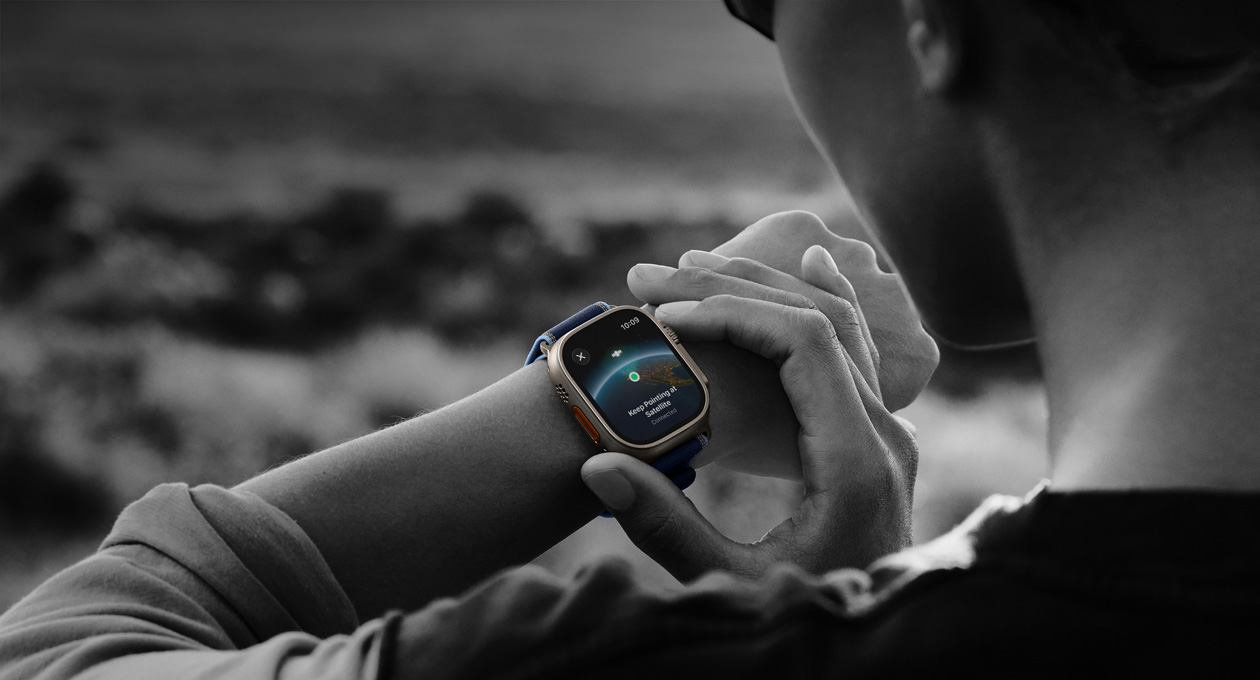
Here is where I have to be blunt, because it’s the part a glossy launch reel won’t tell you. The Ultra 3 carries Satellite SOS, and Apple is giving it away free for two years. Impressive on paper. But satellite texting — the connect-anywhere party trick that makes the feature genuinely useful off-grid — is not available in the UK. Per the Express’s reporting, it’s live in the United States, Canada and Mexico only.
For a watch pitched at hikers, climbers and open-water swimmers, that’s a meaningful hole. If your reason for choosing an Ultra over a Series is the promise of a lifeline in a Snowdonia valley with no signal, understand that the satellite side of that promise doesn’t reach you yet. It may arrive — coverage has a habit of expanding — but you should buy on what the watch does today, not on a roadmap. Buy the Ultra 3 for its endurance, its ruggedness and its screen; treat UK satellite as a bonus that isn’t switched on.
This is the sort of regional asterisk that separates a considered UK review from a re-skinned US one, and it’s exactly why I’d steer a serious backcountry buyer to look hard at a dedicated adventure watch too — the £599 COROS Vertix 2S builds its whole case around off-grid endurance rather than treating it as a headline feature. The Ultra 3 wins on ecosystem; it doesn’t automatically win on wilderness.
What’s genuinely new under the titanium
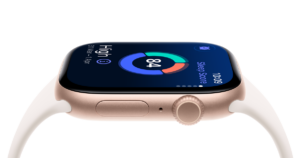
Strip away the satellite caveat and the generational upgrades hold up. The Ultra 3 brings a larger LTPO3 display, 5G cellular in place of the older modem, and a health suite that’s grown teeth: hypertension tracking, a Sleep Score, and a Workout Buddy feature that leans on Apple’s on-device intelligence to coach you through a session.
The display upgrade is the one you’ll notice hourly. A bigger, brighter LTPO3 panel means glances in harsh sunlight and quick reads mid-run, and LTPO’s variable refresh is what lets the always-on screen sip power rather than gulp it — which loops straight back to those battery numbers. The 5G modem is more future-proofing than daily revelation, but on a device you’ll keep for years, having the current standard rather than last generation’s matters — particularly on the cellular Ultra, where the whole pitch is leaving your phone at home on a run and still being reachable.
Hypertension tracking is the upgrade I’d watch most closely. Blood-pressure-adjacent monitoring on the wrist is a hard problem, and how well Apple’s implementation performs against a cuff will define whether it’s a genuine health tool or a wellness nudge. Either way, it signals the direction: the Ultra is no longer just a rugged sports watch with a big battery, it’s angling to be a serious health device that happens to survive a triathlon. My advice for anyone buying on the health story is to treat these features as trend-spotters rather than diagnostics — a nudge to see your GP, not a replacement for one.
Where it sits against the rest of the wrist market
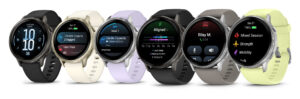
At £749, the Ultra 3 lands in interesting company. It’s pricier than a mainstream AMOLED health watch like the £469.99 Garmin Venu 4, and cheaper than some specialist adventure hardware. What it offers that neither quite matches is the iPhone gravity well — if your phone, AirPods and Mac are already Apple’s, the Ultra 3 slots in with zero friction, and features like Workout Buddy only make sense inside that ecosystem.
That ecosystem lock is the honest reason most Ultra 3 buyers will buy it: not because it’s the best pure sports watch or the best pure health tracker, but because it’s the best of both that also talks fluently to everything else on their desk. A dedicated Garmin will out-last it between charges and out-detail it on training load; a COROS will go deeper off-grid. But neither answers texts on your wrist, hands calls to your AirPods or unlocks your Mac. For an iPhone owner who wants one premium wrist device to do the lot — fitness, health, comms, multi-day battery — nothing Apple sells competes with it, and little outside its walls matches the integration.
The satellite you can’t use — and why I’d still buy in
I don’t love that Apple has led with a feature British buyers can’t switch on. It’s the kind of thing that erodes trust in a launch, and it deserves the asterisk I’ve given it. But strip the satellite gap out of the ledger and what’s left is unusually easy to argue for: a titanium flagship that costs £50 less than the model it replaces, beats its everyday battery claim in real UK testing, gains a brighter screen and 5G, and pushes its health credentials forward with hypertension tracking and a sharper sleep picture.
My position is straightforward. If you’re an iPhone owner who’s been eyeing the Ultra and holding off on price, the £749 tag and the tested endurance close the argument — this is the one to buy, and I’d buy it now rather than wait. Just buy it for what it does on a British wrist today: the endurance, the screen, the health suite and the ruggedness. The satellite promise is real, but it isn’t yours yet — so don’t let it be the reason you tap “buy”. Everything else about the Ultra 3 already is.
Buyer action
Where to buy or check next
Use this as the final check before ordering a phone, changing network or trusting a headline monthly price.




Reader discussion
Leave a comment
Comments are moderated. Keep it useful, accurate, and on topic.