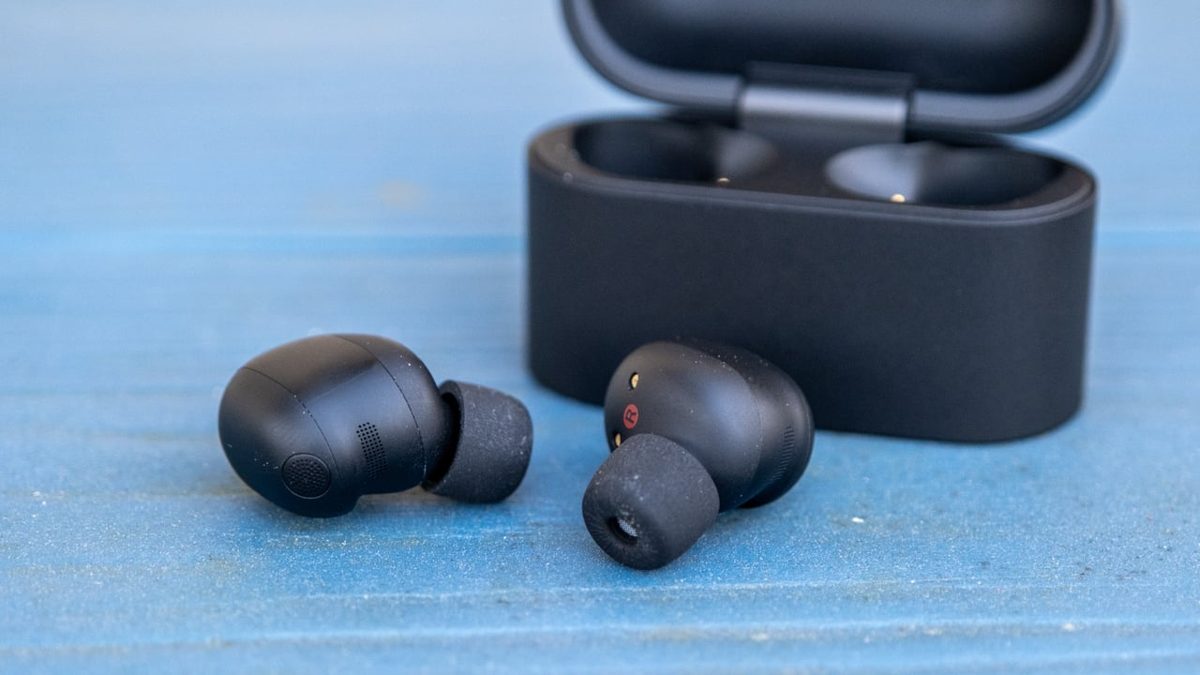
Sony has spent two generations letting rivals nibble at the edges of its noise-cancelling lead. With the WF-1000XM6, which reached UK shelves on 12 February 2026 at £250, it has stopped being polite about it. This is a pair of earbuds built to end the argument rather than continue it — and after a run of Bose comebacks and British upstarts, that confidence needed to be earned rather than assumed. PCMag’s UK review frames it as the new noise-cancelling benchmark, and that is the claim I want to pressure-test before anyone parts with the money.
So let me be plain about where I land before I show my working: at £250, the XM6 is the pair the rest of the category now has to explain itself against. Not because it does anything the spec sheet hasn’t hinted at, but because it fixes the two things that kept me recommending its rivals with an asterisk — cancellation that finally holds up against voices rather than just engines, and a battery figure that changes how you actually live with the things.
The ANC claim, and why it actually matters this time (ANC crown)
Every earbud launch promises “class-leading” cancellation, and most of them are lying by omission — they mean class-leading against a bus engine, not against the human voices and clattering keyboards that actually ruin your focus. That mid-band, chatter-and-office-hum region is the hard part, because it sits right where the ear is most sensitive and where cheaper adaptive systems give up. The reason I’m inclined to take Sony seriously here is consistency of reputation across the reviews that matter: PCMag’s UK team frames the XM6 as the noise-cancelling benchmark, and that lines up with what Sony’s larger over-ear WH-1000XM6 has already been doing at the top of the market — a pedigree I dug into in my Sony WH-1000XM6 review.
What the spec sheet won’t tell you is that the tier below £200 has quietly become very good — which is exactly why the £250 asking price needs the cancellation to be a genuine step up rather than a rounding error. Adaptive ANC that reads your surroundings and dials the effort up or down is now table stakes; the differentiator is how transparently it lets a train announcement or a colleague’s question through without you clawing a bud out. If you’ve been weighing this against the field, my round-up of the best noise-cancelling headphones in the UK for 2026 lays out where Bose and Sonos sit; the short version is that Sony has reclaimed the top slot that Bose’s QuietComfort Ultra Earbuds had been renting.
Battery: the number Sony finally got right
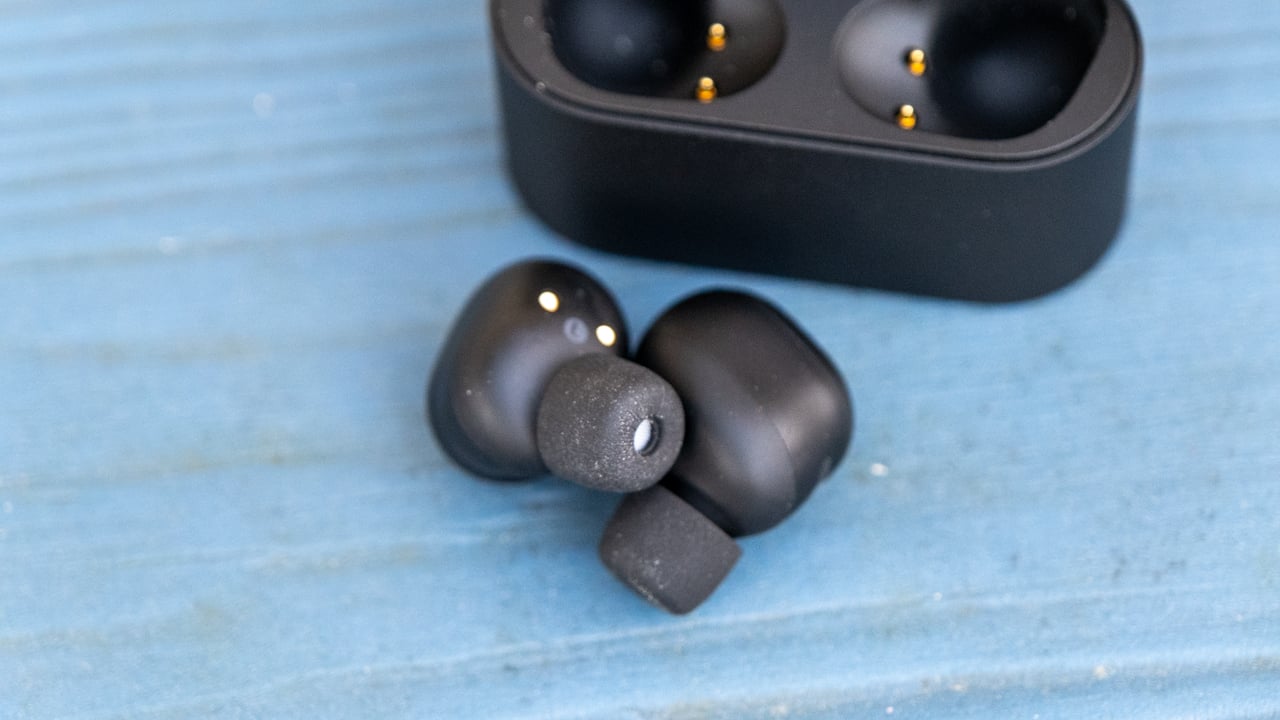
Here is the figure I care about most. Sony quotes up to 8 hours of playback from the buds alone with ANC switched on, rising to 24 hours total once you factor in the charging case. That eight-hour figure is the one that changes behaviour — it’s the difference between an earbud you top up every afternoon and one you charge when you remember to. On a manufacturer’s optimistic bench that eight hours will shrink a little in the real world, especially if you lean on LDAC, but even a pessimistic seven is enough to clear a London-to-Manchester train each way without the case coming out of your bag.
The quick-charge maths is the quietly clever bit: Trusted Reviews notes that three minutes on the case buys you up to 60 minutes of listening. That’s a commuter’s insurance policy. Miss your charge overnight, and a stint under the tap while you find your keys is enough to get you to the office and back — the kind of small, unglamorous engineering win that you feel every single week and never see on a marketing slide.
Eight hours of ANC-on playback is the spec that quietly ends the “which earbuds should I actually buy” conversation — everything else is negotiation.
That is not hyperbole so much as arithmetic. Once stamina stops being the thing you plan your day around, the decision collapses back onto cancellation and fit, which is exactly the ground Sony wants the fight fought on. The XM6 is the first pair in a while where I stopped instinctively checking the case’s charge before leaving the house.

Connectivity that respects how we actually listen
The plumbing is modern without being showy. The XM6 runs Bluetooth 5.3 with multipoint, and the codec list — AAC, SBC, LDAC and LC3 — covers both the “keep my hi-res Tidal library sounding right” crowd via LDAC and the low-latency, battery-friendly future that LC3 promises as Bluetooth’s newer standard takes hold. Multipoint is the unsexy hero here: if you live between a work laptop and a personal phone, being able to keep both paired and let the buds follow whichever is making noise is the feature you will use every single day and never think about. It is also, tellingly, the feature that cheaper rivals still treat as optional.
The one caveat worth naming: IPX4 water resistance is fine for sweat and a caught-out shower, but it is not a swimming or storm rating. For a £250 pair aimed partly at gym and run use, IPX4 is the sensible floor rather than a boast — enough for a hard interval session in a British drizzle, not enough to be careless with in a downpour or a pool. If your listening is mostly poolside, this is not the pair, and no amount of ANC changes that.
The £250 question, and where to buy it
Two hundred and fifty pounds puts the XM6 squarely in premium territory, and it is fair to ask what that buys over the very capable tier beneath it. This is where I part company with the “just save your money” crowd. The British contender I keep pointing readers towards, in my Cambridge Audio Melomania P100 review, undercuts Sony on price and lands genuine punches on battery and sound-per-pound. But it does not match Sony’s cancellation ceiling or its ecosystem polish, and for a lot of buyers that gap is precisely what the extra outlay is for.
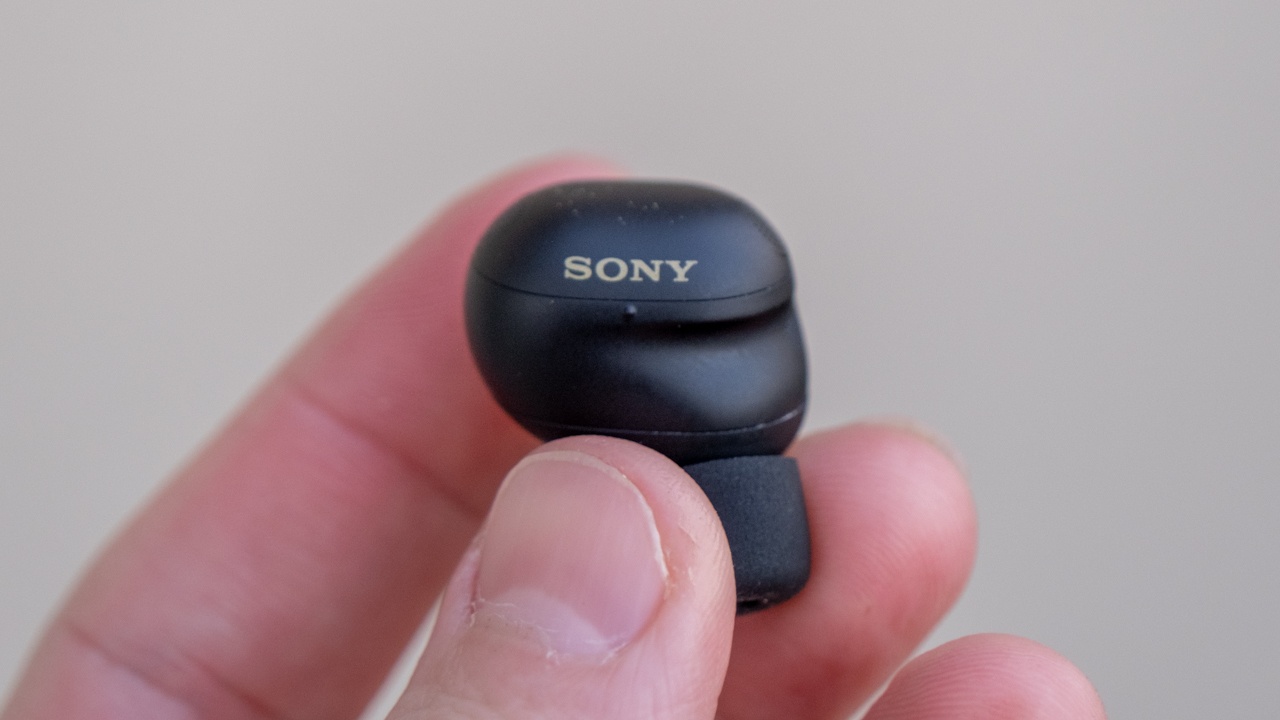
On UK availability, treat the £250 as the number to beat rather than a fixed tariff. Sony sells direct, but John Lewis is worth a look at this price because its standard two-year guarantee on the category quietly de-risks a £250 buy that you expect to live in your pocket for years; Amazon UK and Argos will move on price faster around the usual sales windows. My advice is simple — buy from wherever gives you the longest cover at the keenest price, because at this tier the aftercare is part of what you’re paying for.
Against Bose, the calculus has shifted. If you were leaning towards the QuietComfort Ultra Earbuds — and my Bose versus Sony WF-1000XM5 comparison explains why that was a close-run thing last generation — the XM6 reopens the case in Sony’s favour. Bose still wins on out-of-the-box comfort for some ears; Sony now wins on the metrics I weight most heavily, which are cancellation and stamina.
What I’d want to confirm before I commit
No launch verdict is complete, and I’ll be candid about the gaps that specs can’t close. Comfort and fit are intensely personal, and IPX4 aside, an earbud lives or dies on whether the tips seal for your particular ear canals — the one thing no spec sheet resolves. Expert Reviews’ UK write-up is the sort of granular, longer-run detail worth reading before you buy, particularly on how the touch controls and companion app behave once the novelty of a fresh pairing wears off. Sony’s app has historically been powerful but busy, and the equaliser and ANC-profile menus are where a lot of the value hides.
I’d also weigh how you listen more broadly. If your audio life revolves around the living room as much as your commute, the trade-offs shift again — something I get into in the best OLED TV round-up for 2026, where Sony’s audio pedigree shows up in a very different context. Earbuds are the wrong tool for a sofa night, and it’s worth being honest with yourself about which half of your listening actually dominates before you spend.

The pair everyone else now has to answer
Here is my position, argued from the numbers rather than nostalgia for the brand. The WF-1000XM6 does not reinvent the truly wireless earbud — it consolidates. Eight hours of ANC-on battery, a three-minute charge that buys a full hour, multipoint across the codecs that matter, and a cancellation reputation that the specialist UK press keeps validating: that combination is why I’d tell anyone shopping at the £250 mark to start here and make the alternatives prove why they deserve the switch.
It will not be the cheapest excellent pair you can buy this year, and the Melomania P100 will keep tempting the value-minded — as it should. But if what you want is the earbud that other manufacturers now have to design against, the reference point for the top of the market, Sony has built it. On the two lines that decide it for me, noise cancellation and battery, this is the pair I’d reach for first — and I don’t say that about many launches.









Reader discussion
Leave a comment
Comments are moderated. Keep it useful, accurate, and on topic.