
UPDATED · News · 15 Jun 2026 · Daniel Reid
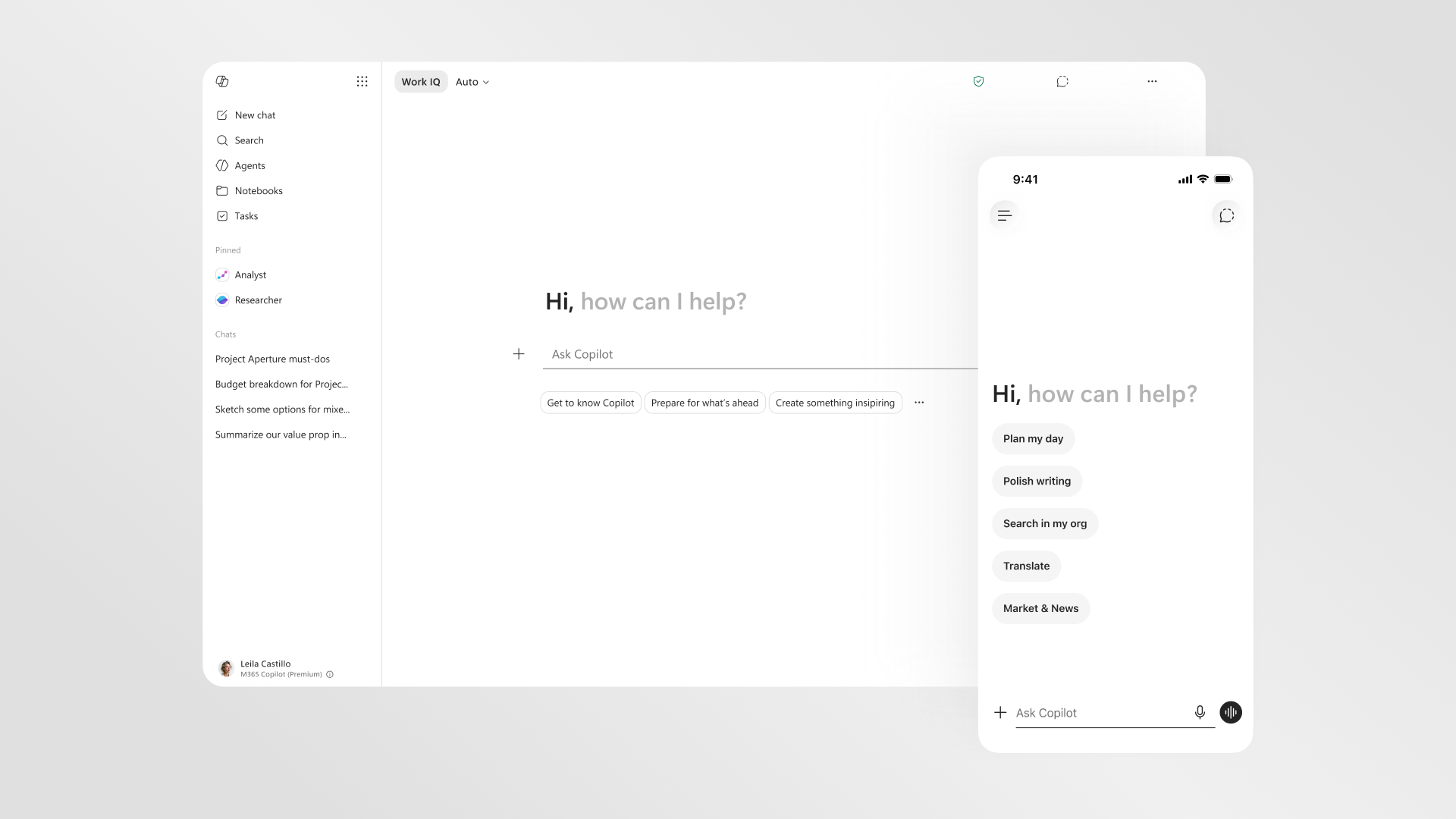
Microsoft NHS Copilot will reach 505,000 clinicians and support staff across NHS England by October 2026, the largest single deployment of a workplace AI assistant in any health service to date. The figure was confirmed as London Tech Week closed on 12 June 2026, and it sits inside a far bigger number: a Microsoft UK Stories announcement, reported the same day by TechTimes, of a 30 billion dollar (about 23 billion pound) commitment to the UK over four years. The investment is the story Microsoft wants you to read. The NHS contract is the one that will actually land on a ward.
The numbers that matter
- Microsoft has pledged 30 billion dollars, roughly 23 billion pounds, to the UK over four years, split close to evenly between capital build-out and running costs (TechTimes, 12 June 2026).
- NHS England will put Microsoft 365 Copilot in front of 505,000 staff by October 2026, with about 200,000 onboarded in the first six months (Microsoft UK Stories).
- A trial of more than 30,000 staff across 90 organisations reported an average saving of 43 minutes a day on admin, equivalent to around five weeks a year per person.
- The UK government used the week to add a 400 million pound commitment to sovereign chip procurement.
- New data centres are planned for Acton and Newport, plus an AI supercomputer in Loughton, Essex, built with UK firm Nscale and due in the first quarter of 2027.
What Microsoft actually committed in Britain (Microsoft NHS Copilot)
Strip out the keynote language and the pledge breaks into two halves. Microsoft says roughly 11.5 billion pounds is capital spending on cloud and AI infrastructure, and a similar sum is operating expenditure to run it. That is the difference between concrete and electricity bills, and it matters, because data-centre announcements have a habit of being counted twice. The physical build is the part you can point at: facilities in Acton and Newport, and a supercomputer in Loughton said to house 23,040 Nvidia GB300 GPUs, drawing 50 megawatts and scalable to 90.
Darren Hardman, chief executive of Microsoft UK and Ireland, framed the week around Britain shifting from an “information work” economy to an “intelligence work” one, and argued the next 18 months will decide how the country competes. That is a sales pitch, and I would treat it as one. What is genuinely new here is scale and location: the company is committing to building and running large AI capacity on UK soil rather than serving Britain from data centres in Ireland or the Netherlands. For anyone who has watched the debate about where sensitive public-sector data physically sits, that is the detail worth holding on to. It is also why the government’s 400 million pound chip pledge landed in the same week rather than by coincidence. If you want the wider context on how this fits the UK’s enterprise AI push, I set it out in my week in review.
Why the Microsoft NHS Copilot deal matters more than the headline £23bn
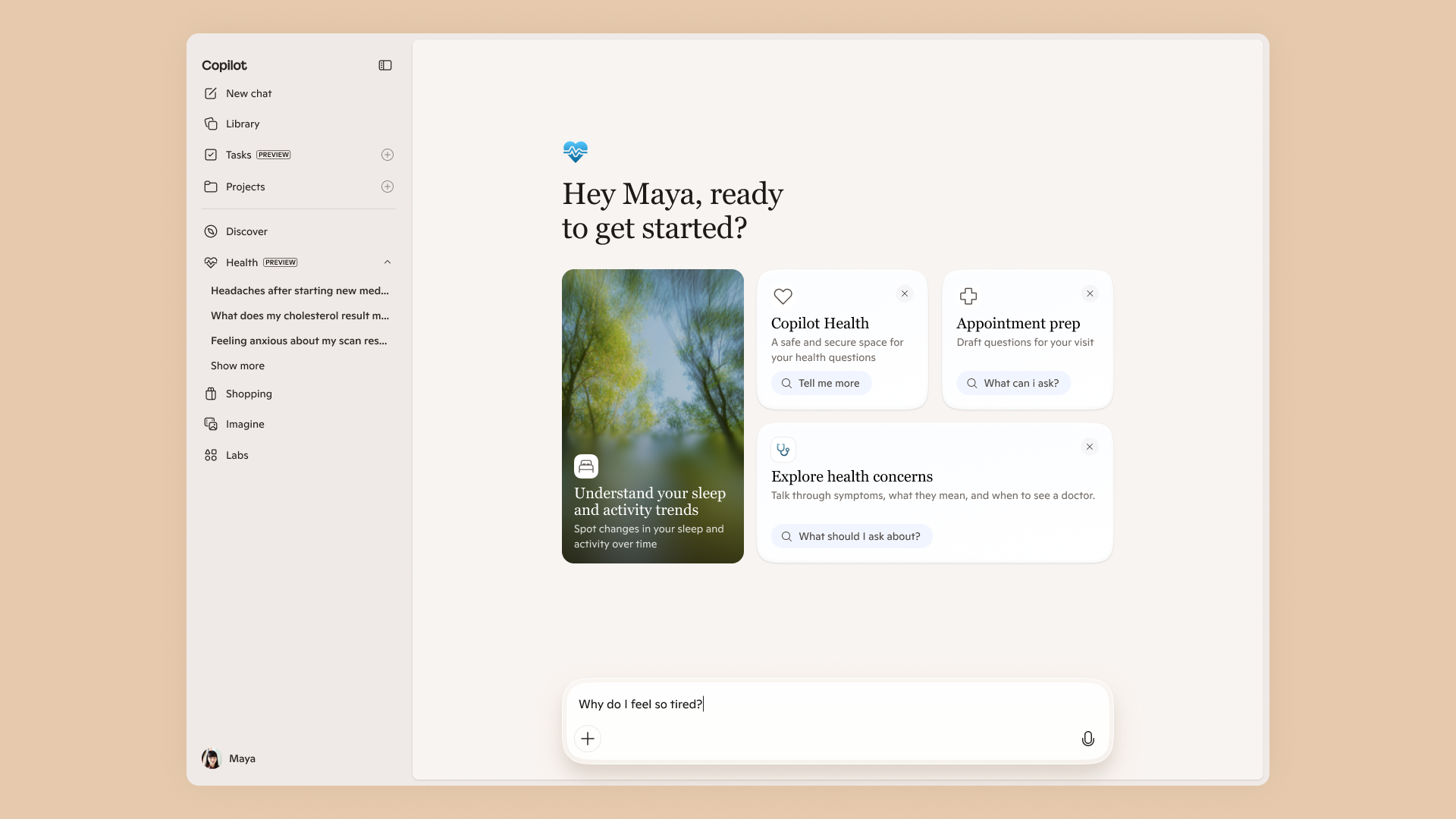
A 23 billion pound infrastructure number is abstract. A Copilot licence on the laptop of the person booking your follow-up appointment is not. NHS England’s plan to give Microsoft 365 Copilot to 505,000 staff is the part of this announcement most likely to touch an ordinary patient, and it is the part that deserves the hardest questions. The pitch is straightforward: drafting letters, summarising notes, preparing meetings and clearing inboxes are exactly the repetitive tasks a large language model handles well, and the NHS runs on an ocean of that work.
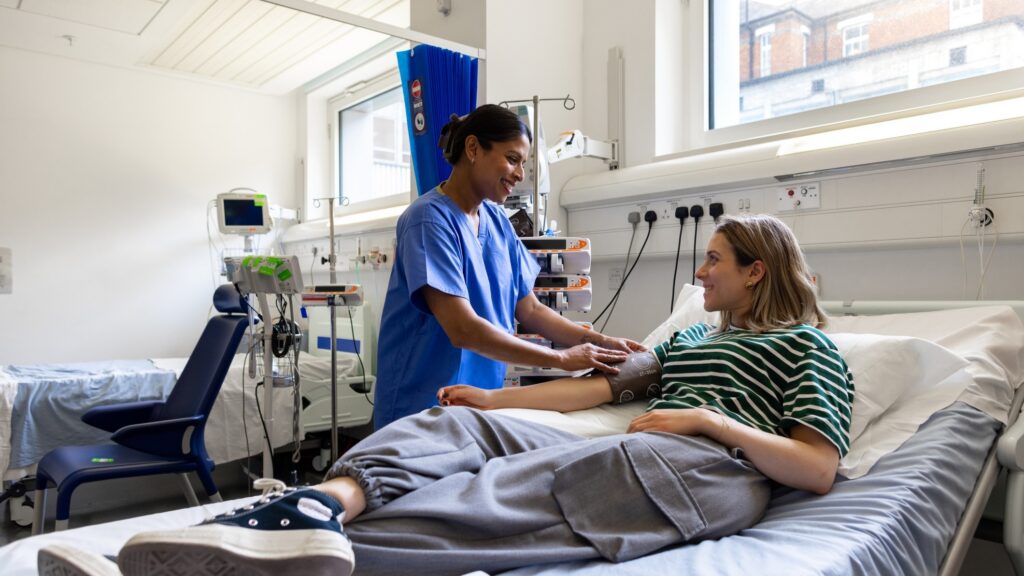
The rollout is staged: about 200,000 users in the first six months, the full 505,000 inside a year. That phasing tells you Microsoft and the NHS both expect the hard part to be adoption, not installation. Handing half a million people a new tool is easy; getting them to trust it with a discharge summary is not. This is the same gap that decides whether any of the consumer assistants are worth the subscription, which is why I keep coming back to it in pieces like how Microsoft 365 Copilot compares with Google Gemini and the wider enterprise AI race in the UK.
The 43 minutes a day, and what the trial leaves unsaid
The headline statistic is the 43 minutes a day saved on administration, drawn from a trial of more than 30,000 staff across 90 organisations. It is a real figure from a real trial, and it is also the kind of number that needs reading carefully. Self-reported time savings tend to flatter a new tool in its honeymoon period, and “minutes saved” is not the same as “minutes redirected to patient care” unless the working day is actually restructured to capture it. Microsoft quotes its UK chief on the human version of the claim: “Less admin, more eye contact, more listening, more time focused on the patient.” That is the outcome everyone wants. It is not yet the outcome the trial measured.
There is a precedent worth noting. The same week’s coverage tied Microsoft’s UK push to public-sector work already under way, including the tax authority’s own programme, which I covered in Microsoft’s HMRC tax deal. The pattern is consistent: government departments and arm’s-length bodies are becoming the anchor customers that justify the data-centre spend. That is good business for Microsoft and potentially good value for the taxpayer, but it concentrates an enormous amount of public administration on one company’s tools. That concentration is the risk nobody on stage wanted to dwell on.
Acton, Newport and a supercomputer in Loughton
The geography is more interesting than it first looks. Acton and Newport give Microsoft cloud capacity in and near the south east and in Wales, while the Loughton supercomputer, built with Nscale, is the headline compute asset. A British-built, British-run facility full of the latest Nvidia silicon is exactly the kind of thing the government’s sovereign-chip money is meant to support, and it is the answer Microsoft can now give when a hospital trust or a regulator asks where patient data is processed. Delivery in early 2027 means none of this is live yet, so the NHS rollout starting this year will run on existing capacity first.

It is worth being precise about what was and was not confirmed. The 30 billion dollar figure, the NHS numbers and the chip pledge are on the record. Other sums floated around London Tech Week, including reported pledges from other cloud and chip firms, were not detailed in the primary material I could verify, so I am leaving them out. On a week this noisy, the discipline is to report the documents, not the atmosphere.
What they are not telling you about a £120m software deal
Here is the line that did not make the keynote slides. The NHS Copilot agreement is reported to be worth around 120 million pounds for the software, licensing and governance tooling. That is a rounding error against 23 billion, and it reveals how the two halves of this story actually connect: the eye-catching infrastructure number buys goodwill and headlines, while the genuinely consequential commitment is a recurring software bill that 505,000 public-sector seats will keep paying. Once an organisation the size of NHS England standardises on one assistant, switching becomes close to unthinkable. That is not a criticism of the technology, which may well earn its place. It is a reminder that the most important figure in this announcement is the smallest one, and that the lock-in it creates will outlast every data centre named on Thursday.
That lock-in is the quiet centre of the whole week, and it is worth seeing clearly before the next round of announcements arrives.
The governance question follows directly. Putting a generative tool into clinical workflows raises real issues about accuracy, audit trails and the handling of patient information, and those are the questions the Information Commissioner’s Office and clinical-safety bodies will be asking long after the cameras leave. Microsoft has built health-specific guardrails, and the NHS has run a sizeable trial, but a 30,000-person pilot is not the same as 505,000 people under daily pressure. If you want the consumer-side version of the same trust calculation, it is the thread running through whether Gemini is worth paying for in the UK and my broader comparison of the major assistants.
What I would watch between now and October
I do not buy the framing that this is settled good news, and I do not buy the framing that it is a giveaway either. It is a large, plausible bet with real upside for an overstretched health service and real concentration risk for public infrastructure. Three things will tell us which way it breaks. First, the adoption curve: if the NHS hits 200,000 active users in six months and they keep using it past the novelty period, the productivity claim has legs. Second, the regulators: watch for ICO guidance and any clinical-safety review, because those will set the limits the marketing cannot. Third, the bill: watch whether that 120 million pound software commitment holds or quietly grows as more agents and add-ons arrive. The infrastructure will get built. Whether it was worth it is a question for the wards, not the keynote, and that is where I will be looking in the autumn.
Buyer action
Where to buy or check next
Use this as the final check before ordering a phone, changing network or trusting a headline monthly price.

















Reader discussion
Leave a comment
Comments are moderated. Keep it useful, accurate, and on topic.