
If you have been waiting for budget and mid-range phones to get cheaper through 2026, I have bad news, and it has nothing to do with the phones themselves. The cost of the memory inside them is climbing, and as The Register reported in January 2026, the analysts at IDC expect that to push smartphone prices up by roughly 6 to 8% this year, with the cheapest phones hit hardest. So the question I keep getting asked this month is the right one: do I buy now, or wait? Here is where I land, and where your money goes either way.
Why the cheap phones get hit first
This is the bit that decides the whole thing. On a £1,000 flagship, the RAM and storage are a small slice of the bill of materials, so a memory price rise barely registers. On a £250 phone, that memory is a much bigger share of the cost, so the same rise either pushes the price up or forces the maker to cut the spec. The memory-market analyst TrendForce warned in December 2025 that brands would respond by raising prices and trimming specifications, and flagged the grim possibility that some entry-level phones drop back to 4GB of RAM in 2026. I would treat 4GB as a hard no in 2026, it is the spec that ages worst.
What your money buys right now
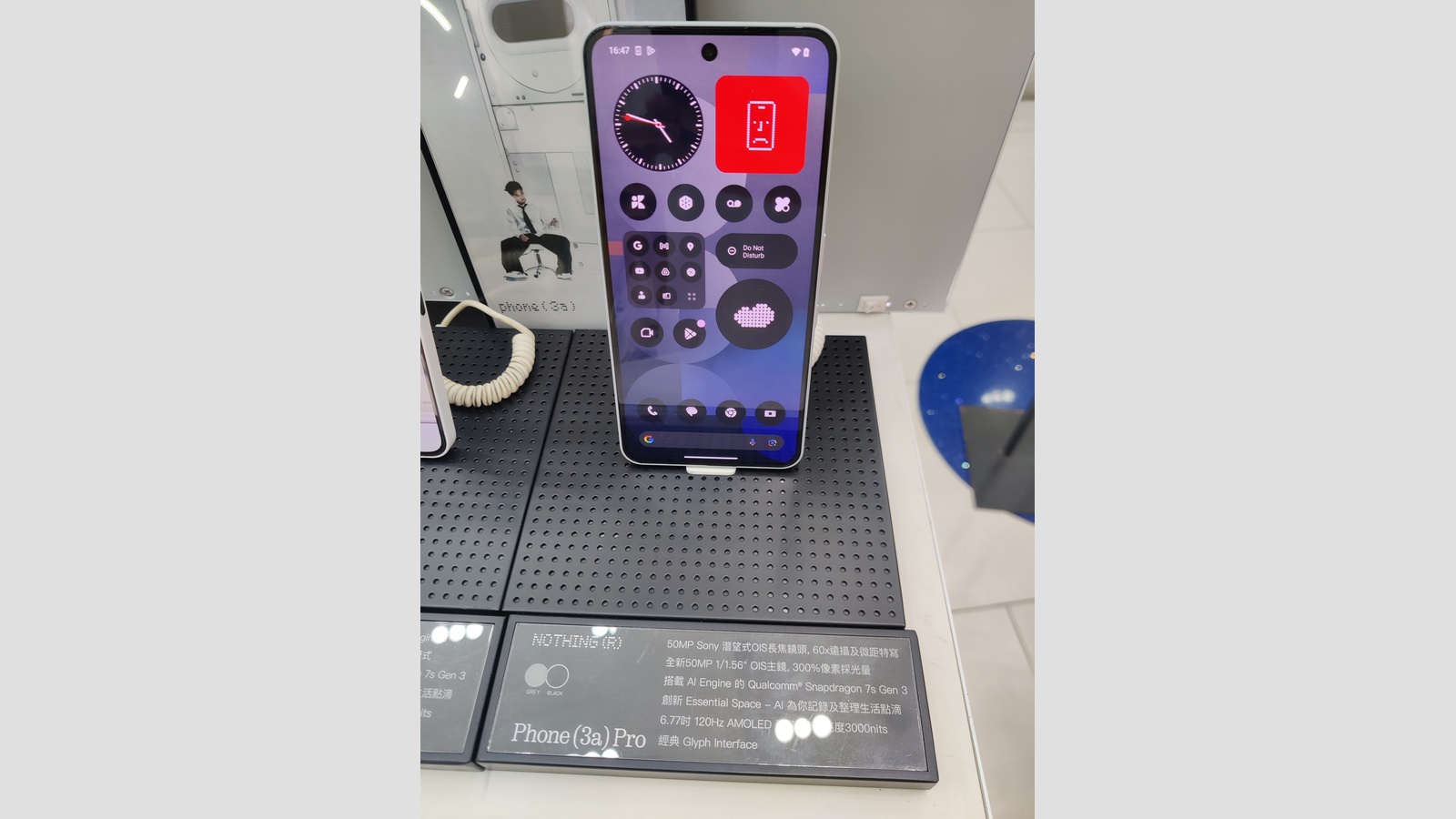
Against that backdrop, the value benchmark I keep coming back to is the Nothing Phone (3a), which Nothing still lists at £299 on its UK store for the 8GB/128GB model. That is the number to beat. At £299 you get 8GB of RAM, which is the floor I would accept for a phone you intend to keep three or four years. Anything cheaper in 2026 deserves a hard look at the RAM line before you spend, because the memory squeeze is exactly where corners will be cut quietly.
Buy now or wait?
My rule is unsentimental. If you need a phone now and you have found 8GB of RAM and decent update support at a price you are happy with, buy it now, waiting for a price that is forecast to rise is a bad trade. If your current phone is fine and you were upgrading on a whim, this is the year to sit tight, because you are not going to be rewarded for waiting and you might be punished for it. The one thing I would not do is stretch to a flagship to “future-proof” against price rises. A £299 phone with 8GB of RAM, kept for four years, is a better use of money than £900 spent to avoid a hypothetical £40 increase on a phone you did not need.
The spec line that actually matters
If you take one thing from this, make it this: in 2026, check the RAM before you check almost anything else on a budget phone. The processor name will be unfamiliar, the camera megapixels are mostly marketing, and the screen will be fine. But RAM is the spec the memory squeeze is quietly attacking, and it is the one that determines whether your cheap phone still feels usable in year three. I would spend the extra £50 to move from 4GB to 8GB long before I would spend it on a bigger number on the camera. That is the whole game this year.
My verdict for a UK buyer in June 2026
Buy if you need to, and buy with your eyes on the RAM line: 8GB minimum, £299 as the value yardstick set by the Nothing Phone (3a). Wait only if your current phone genuinely still does the job, because the wait will not save you money this year. And do not let the price-rise headlines frighten you up into a flagship, the memory squeeze is an argument for buying sensibly, not for spending more. What would change my advice is a real price war among the £250-to-£350 phones, and if one breaks out I will say so. Right now, the smart money buys carefully and keeps the phone longer.
How we pick
Buyer action
Where to buy or check next
Use this as the final check before ordering a phone, changing network or trusting a headline monthly price.













Reader discussion
Leave a comment
Comments are moderated. Keep it useful, accurate, and on topic.