

Prime Day 2026 runs from 23 to 26 June, and the single most useful thing you can do before it starts is to stop trusting the word “was”. Amazon’s four-day event is genuinely large, and some of the discounts are real. But the format is built on a psychology that nudges you toward spending you had not planned, and the headline saving printed next to a product is the part most likely to be misleading. This is not a “should I get Prime” piece; we have already covered whether the membership pays for itself. This is about teaching you to read a sale honestly, so a £40 “saving” does not turn into £40 you never needed to spend.
- Amazon confirmed on About Amazon UK that Prime Day 2026 runs 23 to 26 June, four days, for Prime members only, with the UK included.
- UK Prime costs £8.99 a month or £95 a year; the 18 to 24 and student rate is £4.49 a month or £47.49 a year.
- Since April 2025 the Digital Markets, Competition and Consumers Act gives the CMA direct power to fine firms up to 10% of global turnover for misleading “was” prices and fake urgency.
- On 18 November 2025 the CMA opened investigations into eight businesses and wrote to 100 more over drip pricing and pressure-selling tactics.
- A price-history check (CamelCamelCamel, PriceSpy or your own screenshots) is the fastest way to test whether a Prime Day “deal” is real.
How the four-day blitz is engineered to move you
The first thing to understand is that the event is a logistics operation long before it is a saving for you. Amazon spends months staging stock for these dates, which is why the deals arrive in waves rather than all at once. That staging is also why the urgency feels real: a “lightning deal” with a countdown bar is a genuine inventory mechanic, but it is presented in a way designed to compress your decision. The countdown is the point. When a timer is ticking, you weigh the fear of missing out more heavily than the question of whether you wanted the thing at all.

None of this is illegal, and we are not suggesting it is. Staged stock and timed offers are how every large retailer runs a sales event. The trap is narrower and more specific: it is the reference price, the “was £X, now £Y” claim that does the persuading. If the “was” figure is one almost nobody actually paid, the discount is a story rather than a fact. That is the exact behaviour UK regulators have started to act on, and it is where an informed shopper has a real edge over an impulsive one.
The reference-price game and why “was” figures mislead
A reference price is the number a retailer shows you to make the current price look generous. It might be a recommended retail price the product never sold at, a brief higher price held for a few days so a “was” claim technically holds, or a figure pulled from a single inflated listing. The human brain anchors hard on the first number it sees, so a “was £199” tag makes “now £129” feel like a £70 win even if the product floated around £140 for most of the year. The saving you feel is calculated against a number that was chosen to make you feel it.
If the “was” figure is one almost nobody actually paid, the discount is a story rather than a fact.
This is where tech buyers get caught most often, because gadget pricing is volatile and the “was” anchors are easy to dress up. A flagship phone that dropped to £799 weeks ago can reappear with a “was £899” tag and a sale price of £799, presented as a fresh saving. We saw this pattern around earlier launches, which is why our Pixel 10 versus iPhone 17 comparison kept circling back to the real transacted price rather than the sticker. The same caution applies to foldables: the headline cuts on a Galaxy Z Fold 7 look dramatic precisely because the launch RRP is so high.
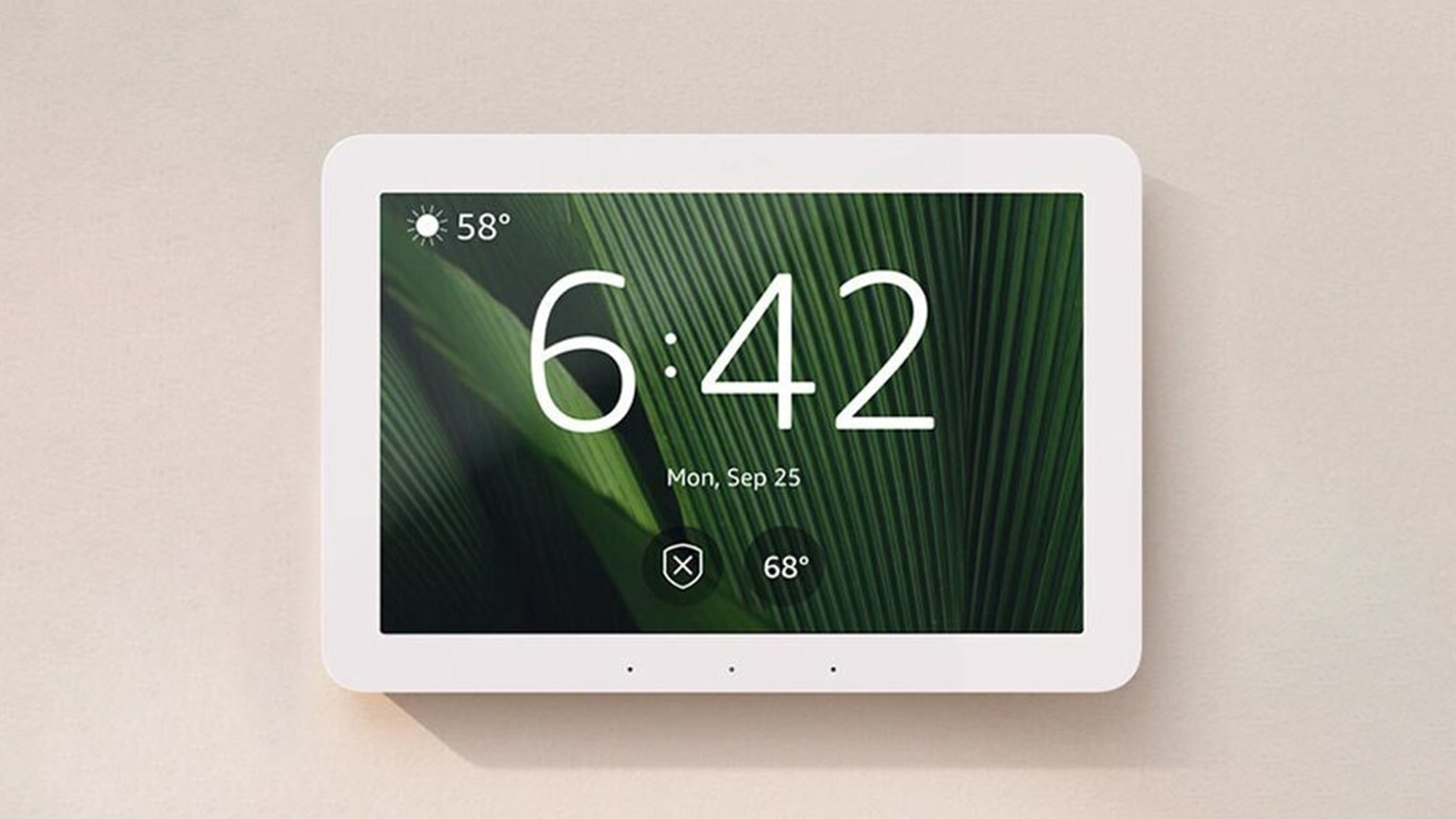
The practical defence is to ignore the “was” entirely and ask a different question: what is the lowest price this item has actually sold at recently, and from anyone? If you cannot answer that, you cannot tell whether the deal is good. The “now” price means nothing without an honest floor to measure it against.
Checking the real cost history in 60 seconds
The fastest way to puncture a misleading anchor is a price-history tool. CamelCamelCamel tracks Amazon’s own price over time and shows you a graph; PriceSpy and Idealo compare the same product across UK retailers; Google Shopping gives a rough cross-retailer spread in one search. Before you buy anything in this sale, pull the product up on one of these and look at the 12-month line. If the “deal” price sits level with where the product has spent most of the year, the discount is cosmetic. If it dips clearly below the recent floor, you have found a genuine cut.

Cross-retailer checking matters just as much as history. A sale price is only a saving if it beats what Currys, John Lewis, Argos or the brand’s own UK store charge that same day. We have watched “exclusive” offers sit a pound or two below a permanent price elsewhere, dressed up as a limited event. On big-ticket categories such as televisions and laptops, John Lewis often matches the headline number while adding a longer guarantee, which can make the slightly higher sticker the better buy. Do not let the badge stop you opening a second tab.
What the law now says about misleading sale prices
The UK has a real backstop here, and it grew teeth in 2025. The Digital Markets, Competition and Consumers Act came into force in April 2025 and handed the Competition and Markets Authority direct enforcement powers, including fines of up to 10% of a company’s global annual turnover. Crucially, the CMA no longer has to take a firm to court first. The Act explicitly targets drip pricing, where mandatory fees appear only at checkout, and fake urgency, where countdown timers or “last chance” messages pressure you without reflecting genuine, time-limited circumstances.
This is not theoretical. On 18 November 2025 the CMA launched a consumer-protection drive on online pricing, opening investigations into eight businesses and issuing advisory letters to 100 more, having identified compliance concerns across 14 sectors. The CMA’s own explainer on drip pricing sets out exactly what an unlawful price presentation looks like, and it is worth two minutes of your time before the sale.
What this means for you is simple. If a listing buries a mandatory fee until the final screen, or runs a timer that resets the moment it hits zero, that is now the kind of conduct the regulator is actively policing. You still have to protect your own wallet, but you are no longer doing it without rules on your side.
Your refund and return rights during the event
A sale does not shrink your consumer rights, and this event is no exception. Under the Consumer Contracts Regulations you have 14 days from delivery to cancel most online orders for any reason and return them for a refund, sale price or not. The Consumer Rights Act sits underneath that: if an item is faulty, you are entitled to a repair, replacement or refund regardless of how good the deal looked. Amazon’s own returns window is usually more generous than the legal minimum, but the statutory floor is the part that cannot be removed by a “final sale” label.

The catch worth flagging is finance. Buy Now Pay Later options such as Klarna and the instalment plans some retailers offer at checkout are a separate decision from the discount itself. Spreading £400 over several months can make an unnecessary purchase feel painless, which is precisely the risk. If you would not buy it outright at the “now” price, a payment plan does not make it a better deal; it makes it a longer one. The same scrutiny we apply to mid-contract price rises and your Ofcom rights belongs on any sale-day finance offer too.
Which tech categories are actually worth watching
Some categories reliably see real cuts, and some are theatre. Amazon’s own-brand hardware, Echo, Kindle, Fire tablets and Ring, tends to fall to genuine annual lows because Amazon controls the margin and uses the event to push its ecosystem. Older-generation flagship phones and last-year’s laptops often see real movement as retailers clear stock ahead of new launches. Headphones, smartwatches and storage are usually competitive enough that a sale price has to be real to beat the field. We keep a running view of the sensible targets in our Prime Day watchlist for UK shoppers.

The categories to treat with suspicion are the ones where the “was” anchor does the heavy lifting: premium phones at launch RRP, big-brand televisions with eye-watering reference prices, and bundles that hide a weak core product behind free accessories. If you are timing a phone purchase specifically, our take on whether to buy an iPhone 17 now or wait walks through how to read the discount rather than the headline. And if you are on a carrier deal, a network instalment plan such as the ones in our EE iPhone deals roundup sometimes beats a one-off sale price once you total the contract.
A simple checklist that beats the urgency
Write your list before 23 June, not during the sale. The single most effective trick against an engineered event is to decide what you want while you are calm, then refuse to buy anything that is not on the list. For each item, note the lowest price you have seen it at and the figure above which it is no longer worth it to you. When the deals arrive, you are matching offers against a plan rather than reacting to a timer. That is the whole game: the sale wants you deciding fast, and the defence is to have already decided slowly.
Keep the price-history tab open, ignore the “was” line, cross-check one rival retailer, and remember your 14-day cancellation right if you slip. None of this stops you getting a genuinely good deal. It stops the sale getting one over on you, which is a different and more valuable thing. The regulatory backdrop, set out in the CMA’s pricing work, means the worst offenders now face consequences, but the everyday anchor games still rely on you not checking.
Our verdict
Our view is that this sale is worth engaging with, but only as a list-driven shopper, never as a browser. The event will surface a handful of real annual lows, mostly on Amazon’s own hardware and clearing stock, and those are genuinely worth catching. Everything else should be assumed guilty until a price-history check proves it innocent. Decide what you want before the 23rd, write down the price that makes it a buy, and let any item that fails that test scroll past you. The countdown timers and “was” tags are designed to override exactly that discipline, so treat your pre-written list as non-negotiable. The one thing that would flip us from cautious to enthusiastic is transparency: if Amazon and its sellers showed honest 30-day reference prices on every deal, the event would be far easier to trust. Until then, the smartest move is to shop like you do not believe the discount, because often you should not.
Prime Day 2026 UK: frequently asked questions
Related reading on MTW
- Amazon Prime Day 2026 UK: is Prime worth it before 23 June?
- Amazon Prime Day 2026 in June: what UK shoppers should put on a watchlist now
- UK mid-contract price rises in 2026: your Ofcom rights explained
MMTW Editorial
Buyer action
Where to buy or check next
Use this as the final check before ordering a phone, changing network or trusting a headline monthly price.















Reader discussion
Leave a comment
Comments are moderated. Keep it useful, accurate, and on topic.