

Amazon Prime Day 2026 runs from 23 to 26 June, exclusively for Prime members, and the question arriving in UK inboxes right now is not which deals to target: it is whether paying for Prime membership is worth doing before the event even starts. With ten days to go, the maths around a 30-day free trial, a monthly £8.99 subscription or a £95 annual plan is the decision that determines whether you access four days of discounts or watch from outside. This guide works through every option honestly.
- Prime Day 2026 runs 23 to 26 June, four full days, Prime members only, UK included among 20-plus countries (aboutamazon.co.uk, 2 June 2026).
- UK Prime pricing verified 13 June 2026: £8.99/month, £95/year, or £4.49/month (£47.49/year) for eligible students and 18 to 24 year-olds (amazon.co.uk/amazonprime).
- A 30-day free trial started today covers the entire Prime Day window, running to 13 July 2026.
- No specific deal prices or discount percentages have been confirmed yet; historically strong categories include phones, tablets, audio gear, smart home devices and Amazon’s own Echo, Kindle and Fire TV range.
- Prime also delivers Unlimited One-Day Delivery, Prime Video, Amazon Music Prime, Prime Reading and Deliveroo Plus Silver as part of standard membership.
What Amazon Prime Day 2026 costs to access
The sale is member-exclusive, so the first decision is which membership route gets you in. Amazon currently offers three tiers on its UK pricing page, and each suits a different type of buyer. The 30-day free trial is the obvious route for anyone without an active subscription. Starting the trial on 13 June takes you through to 13 July before a first payment is required. That covers the full four-day sale with a fortnight to spare, giving you time to assess whether delivery, Prime Video and the other bundle services justify keeping the subscription after the event.
Amazon requires a payment method at sign-up, and billing begins automatically at the trial end unless you cancel. The Amazon Prime membership page shows the trial end date clearly under account settings, and cancellation takes under two minutes via “Manage Your Prime Membership.” There is no penalty for cancelling within the trial period, and the Consumer Rights Act 2015 protects UK subscribers against misleading subscription terms, though Amazon’s trial mechanics are clear. Cancel before day 30 and you pay nothing.
| Membership option | Monthly cost | Annual cost | Who qualifies |
|---|---|---|---|
| Prime Monthly | £8.99 | £107.88 if paid monthly all year | All UK adults |
| Prime Annual | £7.92 averaged | £95 | All UK adults |
| Prime Student / 18 to 24 | £4.49 | £47.49 | Eligible students and 18 to 24 year-olds |
| 30-Day Free Trial | £0 during trial | N/A | New members only, requires payment method |
The monthly plan at £8.99 has a simple break-even point. One same-day delivery on an order below the free-shipping threshold costs roughly £3.99 to £6.99 depending on speed. Three or four deliveries in a month cover the subscription cost before Prime Video or the sale enters the calculation. If your household orders from Amazon more than twice a month with any regularity, monthly Prime already pencils out as a delivery optimisation without any reference to a sale event.

The annual plan saves £12.88 versus paying monthly for twelve months: £95 against £107.88. The saving is real but modest. The case for switching to annual right now, before the sale, rests on a broader question than Prime Day alone. If you already know you will use Prime year-round, locking in the annual rate is straightforward value. If you are signing up specifically for Prime Day and have no history of regular Amazon use, the trial or a single monthly charge are the cleaner entry points.
The free trial window: why the next ten days matter
A 30-day trial started on or before 23 June covers the entire sale. Trials started after 23 June still give partial sale access, but the earlier you start, the more pre-sale benefit you receive. Amazon’s 30-day clock runs from activation, not from first purchase. Someone starting a trial on 22 June gets a single day of Prime Day access followed by 29 days of post-event Prime benefits before the decision to cancel or convert. Someone starting today gets ten pre-sale days, the full four-day event, and sixteen days of post-event evaluation time.
At trial end, Amazon converts the account to a monthly subscription at £8.99 if no action is taken. The charge lands on the card added at sign-up. The UK’s Consumer Contracts Regulations 2013 provide a 14-day cancellation right for digital subscriptions from purchase, though Amazon’s own trial window gives you the full 30 days. To cancel: go to Account and Lists, select Prime Membership, then End Membership. Amazon shows the exact date your trial expires throughout the process so there are no surprises.
For existing monthly subscribers, Prime Day is a bonus rather than a reason to change plan. Upgrading from monthly to annual before the sale does not unlock any additional access or earlier entry: all active Prime members have identical access to Prime Day deals. The annual plan question is purely about cost optimisation over a twelve-month horizon, not about sale-event benefits.

Student and 18 to 24 rates: the most overlooked Prime saving
The student and young person rate is the least-discussed Prime pricing tier and carries the strongest value argument. At £4.49 per month or £47.49 per year, it is a flat 50 per cent discount versus standard pricing. Eligibility is broader than many assume: the discount applies to anyone aged 18 to 24 regardless of whether they are in full-time education, and also to current students of any age with a valid university email address (.ac.uk, .edu or similar). Amazon verifies age or student status at sign-up through its Student verification partner.
For an 18 to 24 year-old who orders online regularly, the annual student plan at £47.49 is hard to argue against. The benefits are identical to standard Prime: Prime Video, same-day and next-day delivery, Prime Gaming, Prime Reading and the full Prime Day access at exactly half the standard annual cost. The trial structure differs for new student sign-ups: a six-month free trial is available before conversion to the £4.49 monthly rate. That six-month window covers Prime Day 2026 several times over. Eligibility check and sign-up are at Amazon Prime Student on Amazon.co.uk.
If you are eligible, checking for the student rate before signing up for the standard trial is worth 90 seconds of your time. The savings over a year (£47.49 versus £95) fund an extra Kindle book purchase most months, or a significant Prime Day spend with the subscription cost already covered at half price.

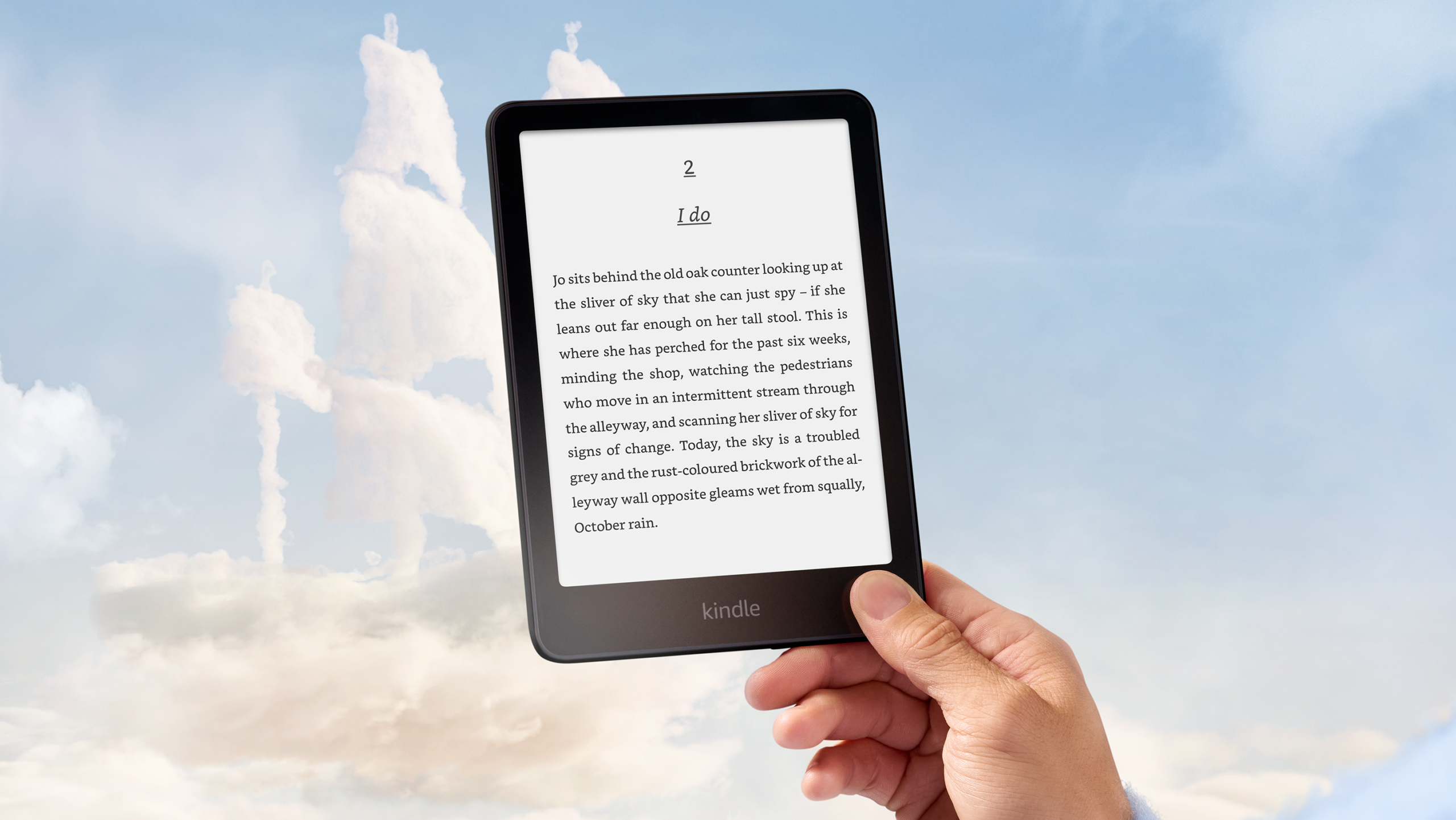
Our guides to the best Android tablets in the UK for 2026 and the best gaming handhelds both flag Amazon’s own Fire HD and Fire Max tablets as strong value options that historically see their steepest cuts during Prime Day. If a Kindle Scribe, Kindle Paperwhite or Fire Max 11 is on your shortlist, starting a student trial now and targeting the 23 June sale is the most cost-efficient route to the device.
What categories to watch, and why we cannot name specific prices yet
As of 13 June 2026, Amazon has not published specific product prices or percentage discount levels for the Prime Day 2026 window. This is normal. Amazon holds deal announcements until the final days before the event or the morning it begins. Any specific figures circulating on deal-aggregator sites before that point are either speculative or carry-overs from prior-year events.
What history shows reliably is which categories carry meaningful discounts. Based on patterns from Prime Day 2022, 2023, 2024 and 2025: Amazon-branded devices (Echo speakers, Kindle readers, Fire tablets, Ring doorbells, Fire TV sticks) almost always carry their deepest annual cuts; wireless earbuds and headphones see consistent 20 to 40 per cent reductions; smart home devices including smart plugs, smart bulbs and robot vacuums follow similar patterns; smartphones and tablets from Samsung, Apple and Google typically offer deals on models six to eighteen months old; and gaming accessories see significant promotions from Razer, Logitech and Amazon’s own Luna hardware.
The key rule for tech buyers: products released in the last three to four months rarely carry meaningful Prime Day reductions. Manufacturers do not want to undermine launch pricing so quickly. The best Prime Day deals consistently fall on devices from late 2024 and early 2025 that retailers want to clear before autumn 2026 launches. Our detailed Prime Day 2026 watchlist for UK shoppers covers the specific products worth tracking once deals go live, and our separate guides on the iPhone 17 buy-now-or-wait question and the Pixel 10 vs iPhone 17 UK face-off both address Prime Day timing directly for flagship phone buyers.
Amazon’s own devices are where the clearest value concentrates. In our guide to the best smart speakers for UK homes in 2026, the Echo Pop and Echo Dot 5th generation were already the best-value options at standard pricing. At Prime Day pricing, they become very hard to argue against for anyone building out a home audio setup or adding Alexa to additional rooms. The same logic applies to Ring doorbells: standard prices are already competitive with Nest and other smart doorbell alternatives, and a Prime Day cut typically widens that gap further.

The full Prime value audit: what you get for £8.99 a month
Framing Prime around one four-day sale undersells the rest of the bundle. The full membership includes services that individually carry real cost in the UK market. Working through them honestly:
Prime Video with limited ads streams Amazon Originals, licensed films and live sport. A standalone streaming subscription with a comparable catalogue costs between £5 and £9 per month across the main UK providers in 2026. Prime Video at under £1.50 per month implied cost (within a £8.99 monthly bill alongside delivery) is reasonable value if you watch it at least a few times a month. If it sits at the bottom of your watch-time list behind Netflix, Disney Plus and Apple TV Plus, that calculation shifts.
Amazon Music Prime (included) provides ad-free access to a rotating curated catalogue and top podcasts. It is not Amazon Music Unlimited, which costs extra, but it gives you a working ad-free music option without additional payment. Prime Reading offers hundreds of Kindle titles monthly. Deliveroo Plus Silver, currently included with UK Prime, waives delivery fees on eligible orders over a minimum spend. At Deliveroo’s standard delivery cost of £1.99 to £2.99 per order, three eligible Deliveroo orders per month cover what Deliveroo Plus Silver costs standalone (around £6 per month).
Our analysis in the real cost of tech and AI subscriptions for UK households in 2026 found the average UK household now pays for multiple overlapping digital subscriptions. Adding Prime makes clearest sense when it replaces at least one existing paid tier, such as a standalone streaming service or a food delivery subscription, rather than sitting on top of an already crowded stack.
Who should pass on Prime before Prime Day
Prime membership is not the right call for everyone, and a four-day sale is not automatically sufficient justification for a subscription you would not otherwise keep.
If you order from Amazon fewer than twice a month and have no interest in Prime Video, Kindle reading or food delivery, the financial case for £8.99 per month does not hold on delivery alone. One or two Prime Day deals are unlikely to generate savings that exceed the subscription cost unless you are purchasing something with a substantial reduction. A 20 per cent saving on a £40 item equals £8, which barely clears one month’s fee and leaves nothing if the subscription continues unnoticed for a second month.
Check your Amazon order history before deciding. If you placed fewer than eight orders in the last six months, you are likely below the break-even point for regular Prime use. That does not make the free trial wrong: it means Prime Day access is the primary benefit rather than a bonus on top of a subscription that already pays off. In that case, the trial-then-cancel approach is the right option, and the Consumer Contracts Regulations 2013 give you a clear cancellation right if you change your mind early.
Worth noting: non-Prime shoppers do not lose Amazon access entirely during Prime Day. Standard delivery still applies on eligible items, and Amazon typically runs a parallel deals page with smaller discounts open to all customers. Our guide to skipping the 2026 smartphone upgrade cycle covers how to find year-old flagship phones at significant reductions across Amazon, Currys, John Lewis and other retailers without requiring Prime membership at all.
Prime Day versus other UK sale events in June 2026
Prime Day 2026’s move into June creates a new dynamic in the UK retail calendar. It now sits alongside mid-year clearance events at Currys, John Lewis, Argos and Very, rather than arriving after them. These events do not require membership, and for categories such as televisions and large appliances, the discounts are often comparable. Where Prime Day consistently outperforms competitors is on Amazon’s own devices, on brands that have negotiated Prime-exclusive promotions (Anker, Soundcore, Ring, Blink), and on category leaders with deep Amazon partnerships. For general consumer electronics, checking Currys and John Lewis alongside Amazon during the same week remains sensible; for Echo, Kindle and Fire hardware specifically, Prime Day pricing typically cannot be matched elsewhere.
MTW verdict: start the trial, decide after Prime Day
Our position is clear. If you are not currently a Prime member and you are reading this before 23 June, start the 30-day free trial. It costs nothing, covers the entire sale, and gives you a clean exit via the cancellation process if the remaining benefits do not prove their value in the days after Prime Day ends. Set a reminder for day 28 or 29 to make a deliberate choice rather than defaulting into the £8.99 monthly charge.
If you are eligible for the student or 18 to 24 discount, apply for that first. The six-month free trial available to qualifying new student sign-ups is the best deal on this page, and the £47.49 annual rate thereafter is well below any comparable delivery and streaming bundle in the UK market right now.
If you are already on monthly Prime, stay on it. The annual plan’s £12.88 saving is real but there is no event-specific argument for switching before the sale: your access is identical. Review the annual option at your next monthly billing date after you have data on how much you actually used Prime during June and July.
If Prime Day is your only reason to join, you are ordering less than twice a month and have no use for the streaming or delivery bundle, the honest read is: take the free trial, use the sale, then cancel. That is precisely what the trial is designed to allow, and Amazon’s process makes it straightforward.
| What we like | What to watch |
|---|---|
| Free trial covers the entire sale window at no cost | Monthly auto-renews at day 30 if you miss the cancellation |
| Student and 18 to 24 rate halves the cost to £4.49/month | No specific deals confirmed yet; category expectations only |
| Annual plan saves £12.88 over twelve months of regular use | Value depends on using delivery, video and the bundle regularly |
For a full category-by-category breakdown of what to track before the event, see our separate Amazon Prime Day 2026 UK watchlist. Our best Android tablets UK guide, Soundcore Liberty 4 Pro review and best smart speakers for the UK each flag which devices are most likely to reach deal-worthiness on 23 June.
Buyer action
Where to buy or check next
Use this as the final check before ordering a phone, changing network or trusting a headline monthly price.
More on Amazon


Buying Guides
iPhone 17 UK: buy now or wait for Prime Day?



Buying Guides
Best gaming handheld UK 2026: which to buy now

Buying Guides






Reader discussion
Leave a comment
Comments are moderated. Keep it useful, accurate, and on topic.