UPDATED · News · 5 Jun 2026 · Daniel Reid
The Nintendo Switch 2 arrived in the UK on 5 June 2025, which means anyone reading this in 2026 is weighing up a console that has had a full year to prove itself rather than a launch-day gamble. The hardware is faster, the screen is bigger and the software shelf has filled out, but the price is still the part that makes people hesitate. This guide walks through what the machine actually costs in pounds today, what it does that the original could not, and whether you should buy now or hold the Switch you already own.
- Standalone console: £395.99 (GAME, Argos, Currys).
- Console plus Mario Kart World bundle: £429.99, so the pack-in game effectively costs about £34.
- Released in the UK on 5 June 2025; one year of firmware updates and a wider library now back it up.
- 256GB of built-in storage, but only the faster microSD Express cards work, and a 256GB card runs around £50.
- Bigger 1080p handheld screen, up to 4K when docked, plus GameChat voice and video and a new Joy-Con mouse mode.
Pricing the Switch 2 in pounds before anything else
Money is the first thing most UK buyers want pinned down, so start there. The console on its own sells for £395.99 at GAME, Argos and Currys, and that figure has held steady through the first year rather than drifting up or down. The far more common purchase is the bundle that adds a download of the new flagship racer for £429.99, which means the headline game is costing you only about £34 over the bare machine. That is the deal most people should take, because buying the same game separately later would cost far more.
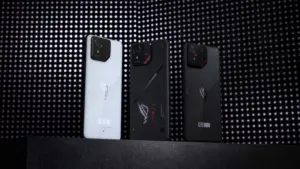
It is worth separating the official price from the deals that float around it. Retailers occasionally trim the bundle by ten or twenty pounds in seasonal sales, and the same shops that stock the console also carry the wider accessory range, so it pays to watch the accessory picks worth budgeting for before you commit. If you are coming from a phone-first gaming habit and were eyeing a dedicated gaming handset instead, the maths is closer than it looks once you add a controller and a couple of games to the phone side.
What the hardware does that the first Switch never could
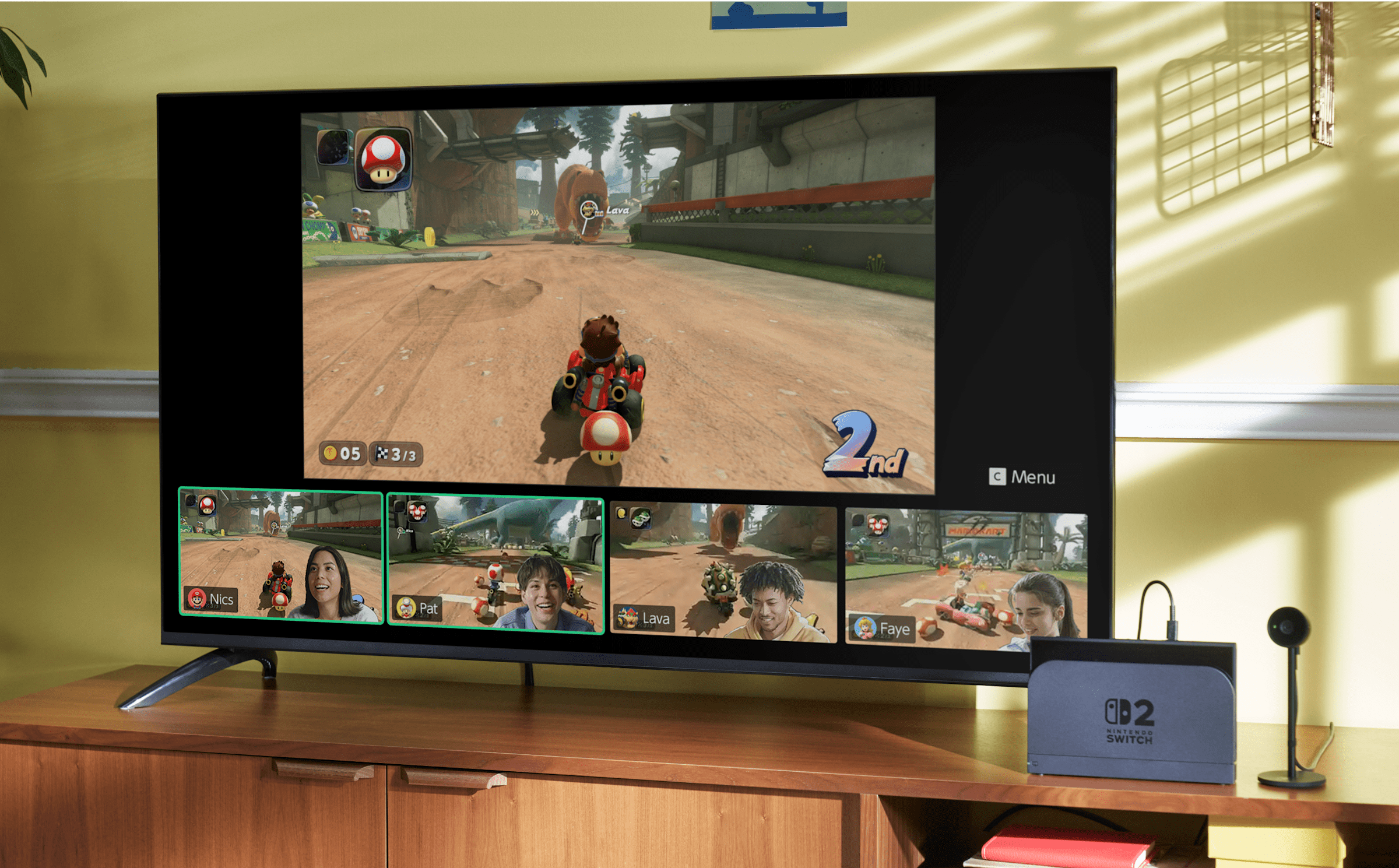
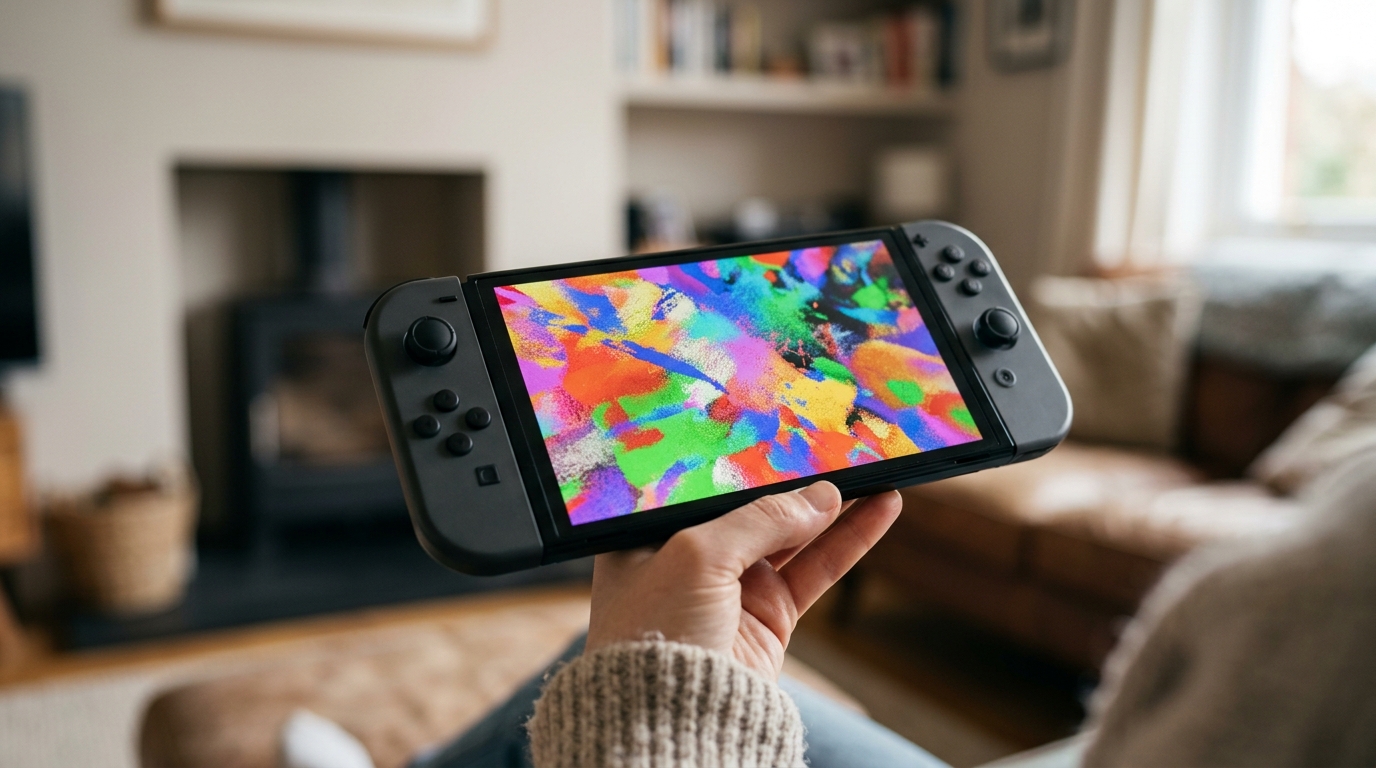
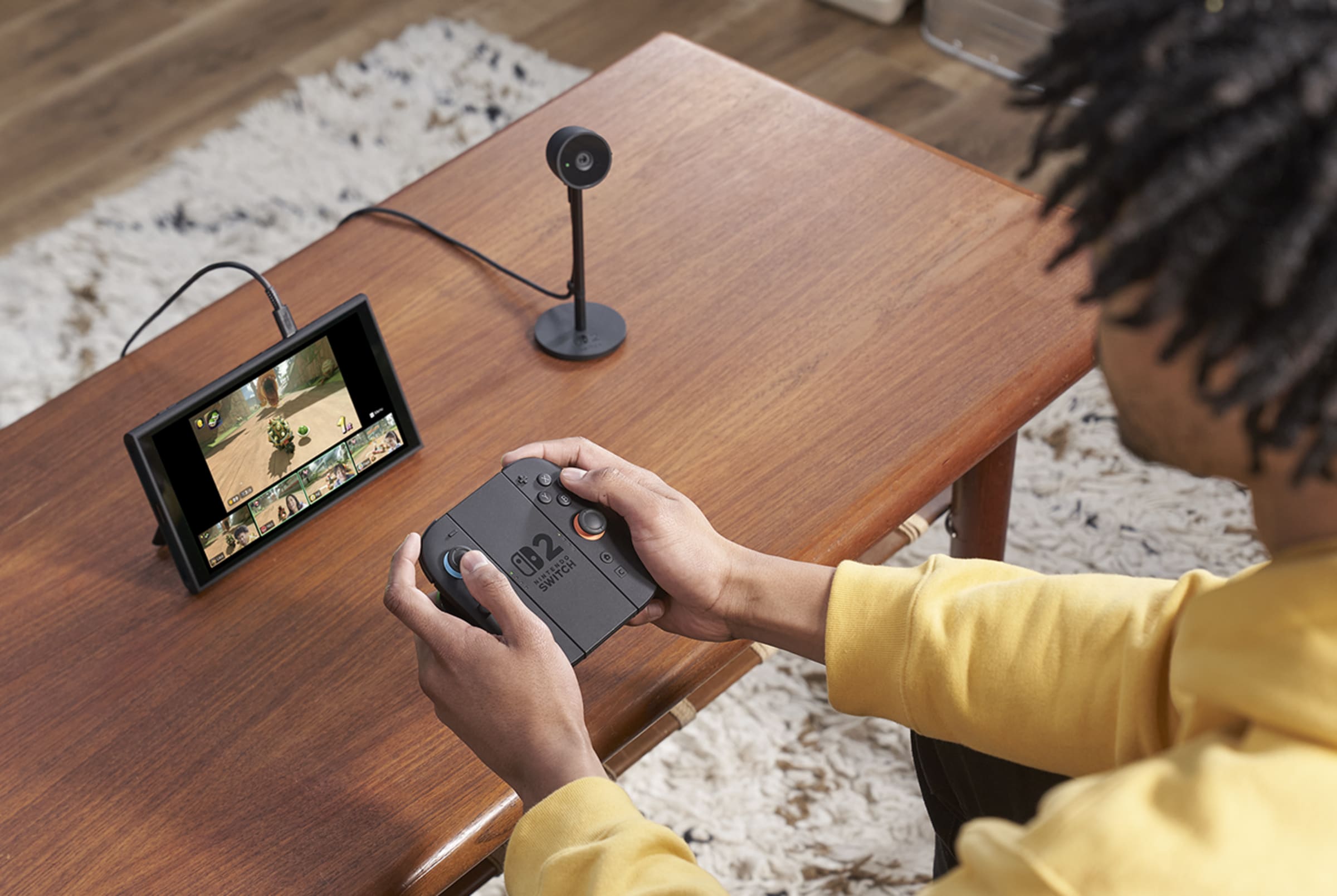
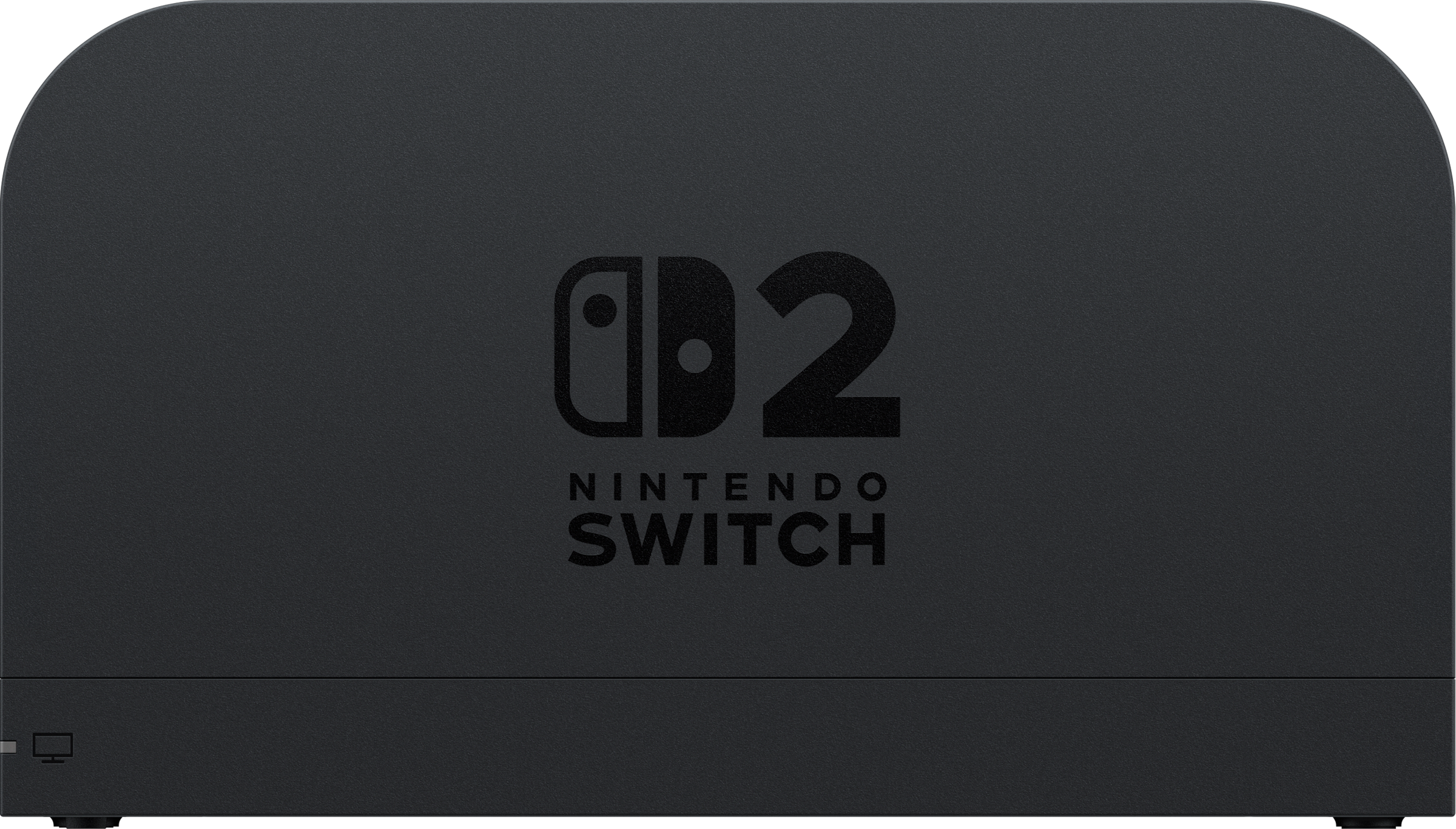
The leap in raw capability is the easiest part of the pitch to defend. The handheld screen is larger and now runs at 1080p, so text and detail look crisper in your hands, and when the machine is slotted into its dock it can push up to 4K to a television. Frame rates are steadier, load times are shorter and the magnetic Joy-Con 2 controllers click on and off with a satisfying snap rather than the old rail slide. For anyone who found the 2017 model showing its age, the difference is obvious within minutes.
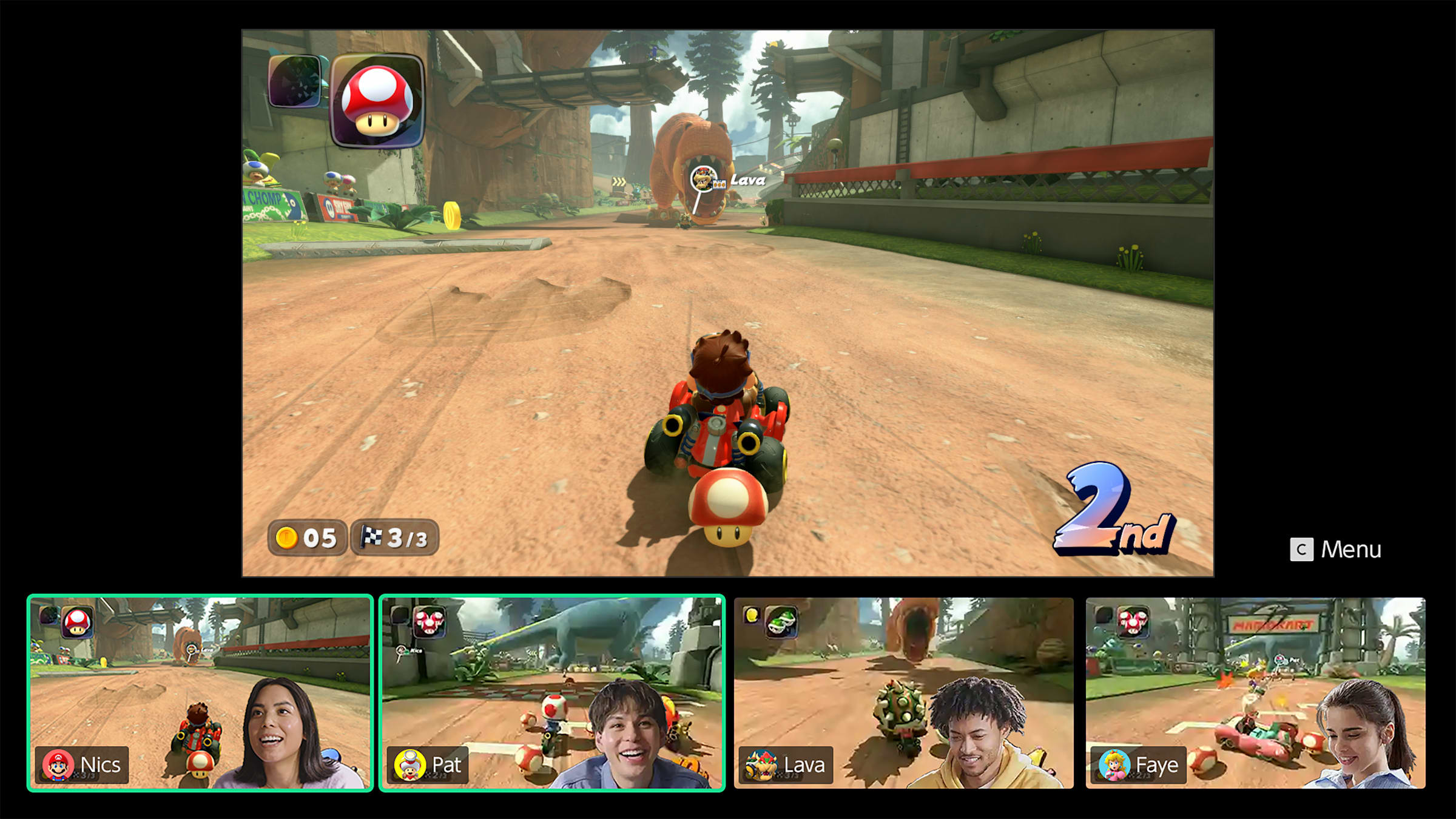
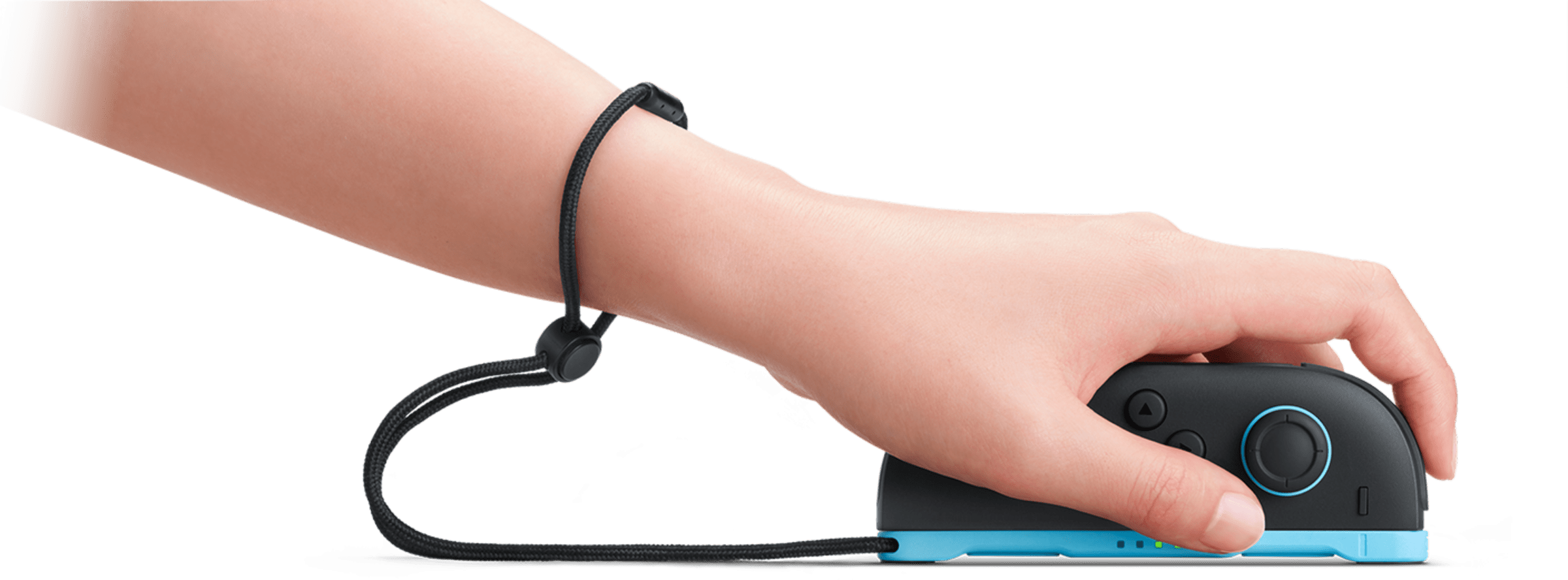
Two genuinely new tricks set it apart. GameChat lets you talk to friends with voice and optional video while you play, turning a solo evening into a shared one without a separate app or headset juggling act. The other is mouse mode: each Joy-Con 2 can be tipped on its side and slid across a table like a mouse, which suits strategy and aiming games far better than a thumbstick. Neither feature was possible on the original, and both reward the kind of living-room setup shown below.
The game library after a full year on shelves
A console lives or dies on what you can play, and this is where the one-year wait pays off. At launch the catalogue was thin and propped up by the racer everyone bought with the machine. Twelve months later the shelf is meaningfully deeper, with first-party releases arriving steadily and a long tail of third-party ports landing most weeks. If you want a sense of the current rhythm, our roundup of what is worth playing this month shows how much busier the schedule has become, and the broader pick of the strongest titles so far is a good place to plan a buy list.
Mario Kart World remains the anchor, and it is the reason the bundle makes sense for almost everyone. It is built around the new hardware, supports the social features properly and is the title most friends will already own, which matters for local and online play alike. Backwards compatibility also means a large slice of your original Switch library carries over, so you are not starting from an empty card. Families upgrading from the older model will find the transition smoother than a console generation usually allows.
Joy-Con drift and the reliability question
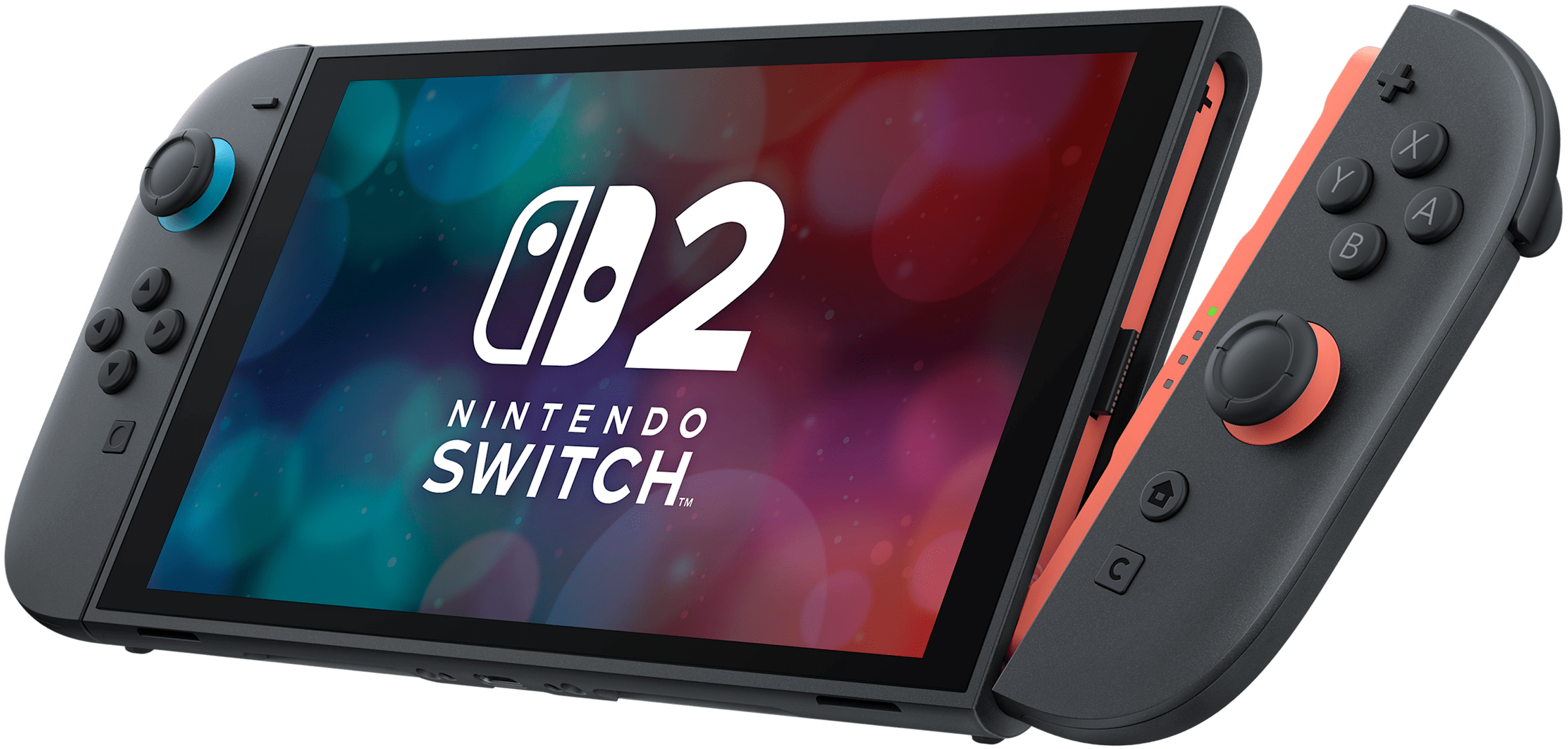
The shadow hanging over any Nintendo controller decision is drift, the fault that plagued the first Switch and led to years of complaints and repairs. Nintendo has redesigned the Joy-Con 2 with the larger, magnetically attached build, but it has not confirmed a drift-proof Hall-effect or TMR stick, and the Joy-Con 2 still uses the same potentiometer-style stick as before. Some drift reports have appeared as of mid-2026, though the volume has not matched the original’s reputation. That is encouraging rather than a cast-iron guarantee, because the controllers see heavy daily use and stick wear is a long game.
The practical advice is to keep your receipt and register the hardware, so that if a stick does start to wander you have a clean route to a repair or replacement. If you are upgrading specifically because your old Joy-Cons drift, the new design is a reasonable bet, but treat the warranty paperwork as part of the purchase rather than an afterthought. Reliability is exactly the sort of thing a one-year-old console lets you judge with real evidence instead of launch-week optimism.
A year of evidence beats launch-week optimism, and the drift reports simply have not matched the original Switch’s reputation.
Who should upgrade and who can wait
Upgrading makes the most sense if you play often, value the bigger 1080p screen and 4K docked output, and want the new titles that simply do not run on the original. Households that already game together gain the most from GameChat, and anyone whose old Joy-Cons have started drifting effectively gets a hardware refresh as part of the deal. If you are the sort of buyer who tracks value carefully, the same instinct that drives readers to our best-value phone advice applies here: pay for the bundle, skip the impulse extras.
Holding on to your original Switch is the sensible call if your current games still satisfy you, you play mostly in short handheld bursts, and the titles you care about have not moved to the new machine. There is no penalty for waiting, since the console is not going anywhere and the library only improves. Some readers were also weighing whether to buy ahead of an expected adjustment, a question we covered in detail when we looked at the timing around a potential price change.
Storage and accessory costs you should budget for
The hidden line item is storage. The console ships with 256GB built in, which sounds generous until you download a few large modern games, and crucially it only accepts the faster microSD Express format rather than the cheap standard cards you may have lying around. A 256GB microSD Express card from Samsung or SanDisk costs around £50, so factor that into the real price if you intend to keep a big library installed rather than juggling downloads.
Beyond the card, the obvious extras are a carry case, a spare controller for local multiplayer and a screen protector for the larger panel. None are mandatory on day one, but they add up, and a sensible kit can push your true outlay well past the sticker price. We break down which of these are genuinely worth buying, and which to skip, in our look at how the monthly release calendar is shaping up, alongside the running tracker of fresh titles worth your money.
One year on, the Switch 2 has earned a recommendation it could not quite justify at launch. For most UK buyers the £429.99 Mario Kart World bundle is the right entry point, because the pack-in game costs barely more than the standalone console and is the title friends are most likely to share. Buy it if you play regularly, want the bigger 1080p screen and 4K docked output, or your old Joy-Cons have started to drift. Hold your original Switch if your current games still satisfy you and nothing you want has moved across, since waiting costs nothing and the library keeps growing. Whichever way you lean, budget around £50 for a 256GB microSD Express card and keep your receipt for the controllers. What would flip our advice is a sustained price cut on the bundle or a sudden return of widespread drift complaints, and we will revisit this the moment either lands.
Nintendo Switch 2 UK price and specs at a glance
| Item | UK detail |
|---|---|
| Console only | £395.99 |
| Mario Kart World bundle | £429.99 |
| UK release date | 5 June 2025 |
| Built-in storage | 256GB (microSD Express only) |
| 256GB microSD Express card | around £50 |
| Handheld display | Larger screen, 1080p |
| Docked output | Up to 4K |
| New features | GameChat voice and video, Joy-Con 2 mouse mode |
Frequently asked questions
How much does the Switch 2 cost in the UK in 2026?
Is the bundle better value than buying the console alone?
Do I need a special memory card?
Has the Joy-Con drift problem been fixed?
Will my original Switch games still work?
Should I buy now or wait?
What does the Switch 2 do that the original cannot?
Where should I buy it in the UK?
Buyer action
Where to buy or check next
Use this as the final check before ordering a phone, changing network or trusting a headline monthly price.



Reader discussion
Leave a comment
Comments are moderated. Keep it useful, accurate, and on topic.