UPDATED · News · 3 Jun 2026 · MTW Editorial Team
The iPhone 17e UK is Apple’s cheaper way into the current iPhone family, and on the Apple UK store it starts from £599. It slots in below the standard iPhone 17 as the entry point that still runs iOS 26 and Apple Intelligence, so the real question for a British buyer is not whether it is a “proper” iPhone but whether the savings are worth what Apple has trimmed.
This guide pulls together the confirmed price, the specs Apple lists on its own UK pages, where you can actually buy or finance one, and how the 17e stacks up against the iPhone 16e it replaces, the pricier iPhone 17, and the better mid-range Android phones. The aim is a clear buy, wait or skip call rather than a spec dump.
What the iPhone 17e actually is
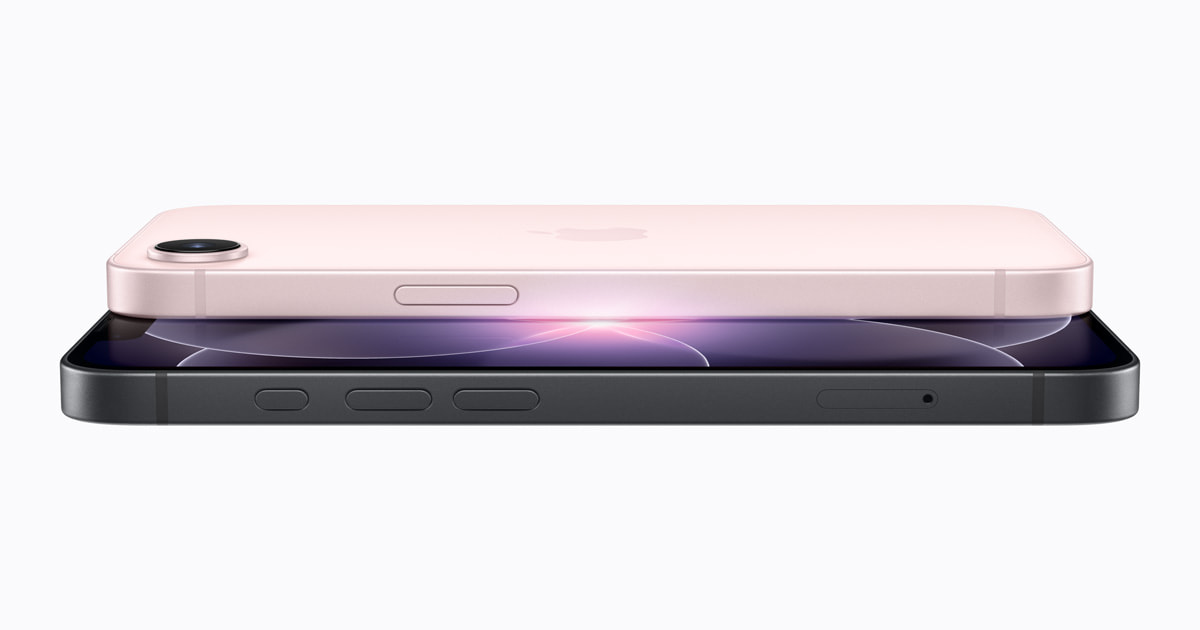
The iPhone 17e is the value model in Apple’s 2026 iPhone line. Apple positions it with the tagline “Feature stacked. Value packed.”, which is marketing, but the substance underneath is real enough: you get the same A19 chip family, a 6.1-inch OLED screen and full Apple Intelligence support, in a body that drops the more expensive flourishes. It is the successor to last year’s iPhone 16e, and it sits directly below the iPhone 17 in both price and ambition.
What Apple has held back tells you who the phone is for. The 17e has no ProMotion high-refresh display, no Always-On screen, no Dynamic Island and no Camera Control button. Those are the features that justify the step up to an iPhone 17 or one of the Pro models, and if you have never owned a phone with them you are unlikely to miss them. If you are coming from an older iPhone with a Home button or a notch, the 17e will feel like a generational leap rather than a compromise.
The colours are deliberately plain: black, white and a new soft pink. There is no pretence of being a flagship here, and that honesty is part of the appeal. For anyone weighing up whether to stay with Apple at all, our roundup of the best iPhone alternative UK 2026 is worth a look before you commit, because the 17e competes as much with Android as with the rest of Apple’s range.
iPhone 17e UK price and what £599 buys
On the Apple UK store the iPhone 17e is listed from £599, and that figure buys the 256GB model. Apple has dropped the old 128GB starting tier entirely, so 256GB is the floor and there is a 512GB option above it for buyers who shoot a lot of video or keep large game libraries on the device. That larger starting capacity is one of the quieter wins here, because 128GB phones fill up faster than most people expect.
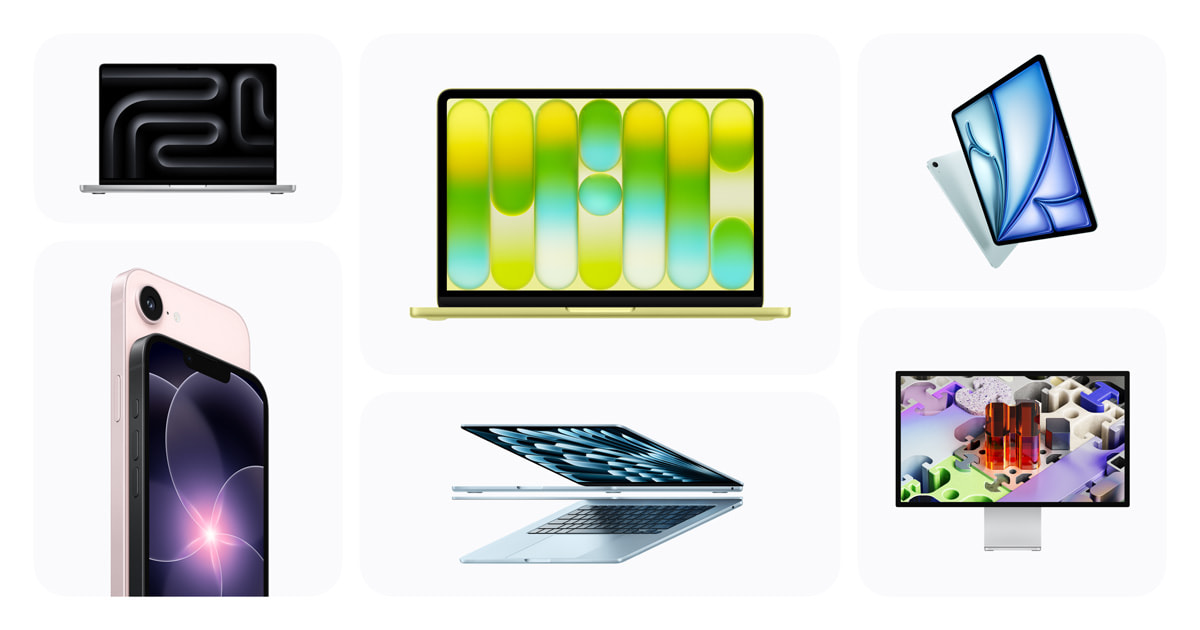
The £599 price puts the 17e in an interesting spot for the UK market. It is comfortably cheaper than the iPhone 17, yet it is no longer a budget phone in absolute terms; £599 is firmly mid-range money, and plenty of capable Android handsets sit below it. That is the central tension of the 17e in 2026, and it is why we keep coming back to value rather than raw specs. If your budget is the deciding factor, our guide to the best mid-range Android phone UK 2026 four picks under £500 shows what the same money buys on the other side of the fence.
One thing worth saying plainly: do not assume the 17e will be heavily discounted on day one. Apple rarely cuts its own prices, so the savings come from choosing the 17e over a dearer model, not from waiting for a sale on the 17e itself. Contract and trade-in deals are where the real flexibility lives, and we cover those below.
The specs that matter
Apple’s own UK specs page is the source for the figures here, and they are more generous than the “e” suffix might suggest. The 17e runs the A19 chip with a 6-core CPU (2 performance and 4 efficiency cores), which is the same generation of silicon driving the standard iPhone 17. In day-to-day use that means the 17e will not feel slow for years, and it handles AAA gaming and 4K streaming without drama.
The display is a 6.1-inch Super Retina XDR OLED at 2532×1170 resolution and 460 ppi, with 800 nits typical brightness and 1,200 nits peak for HDR content. That is a genuinely good panel, and outside of the missing high refresh rate it is not far off what the pricier iPhones offer. The camera is a single 48MP Fusion main sensor at 26mm with an f/1.6 aperture and optical image stabilisation, paired with a 12MP TrueDepth front camera at f/1.9. Apple lets you shoot at 1x and a 2x optical-quality crop from the main sensor, with digital reach up to 10x.
Battery life is quoted at up to 26 hours of video playback, and charging is handled over USB-C, reaching up to 50% in 30 minutes with a 20W adapter. MagSafe wireless charging returns at up to 15W, which was missing on some earlier “e” models. The build uses a Ceramic Shield 2 front that Apple says is three times more scratch-resistant, an aluminium enclosure with 85% recycled aluminium, IP68 water resistance to 6 metres for up to 30 minutes, and a 170-gram weight. Here is the short version:
| Spec | Detail (Apple UK) |
|---|---|
| UK price | From £599 (256GB); 512GB option above |
| Chip | A19, 6-core CPU (2 performance, 4 efficiency) |
| Display | 6.1-inch Super Retina XDR OLED, 2532×1170, 460 ppi, 800 nits typical / 1,200 nits peak HDR |
| Main camera | 48MP Fusion, 26mm, f/1.6, optical stabilisation, 2x optical-quality crop |
| Front camera | 12MP TrueDepth, f/1.9 |
| Battery | Up to 26 hours video playback |
| Charging | USB-C, 50% in 30 minutes (20W); MagSafe up to 15W |
| Durability | Ceramic Shield 2 front, IP68 to 6m/30 min, 170g |
| Colours | Black, White, Soft Pink |
| Software | iOS 26 with Apple Intelligence |
Apple Intelligence on a cheaper iPhone
The headline reason to take the 17e seriously is that it is not locked out of Apple’s software future. It ships with iOS 26 and full Apple Intelligence support, so the writing tools, Clean Up in Photos, Live Translation, Call Screening and Visual Intelligence all work here exactly as they do on dearer iPhones. That matters because a cheaper phone that is artificially capped on software ages badly, and the 17e avoids that trap.
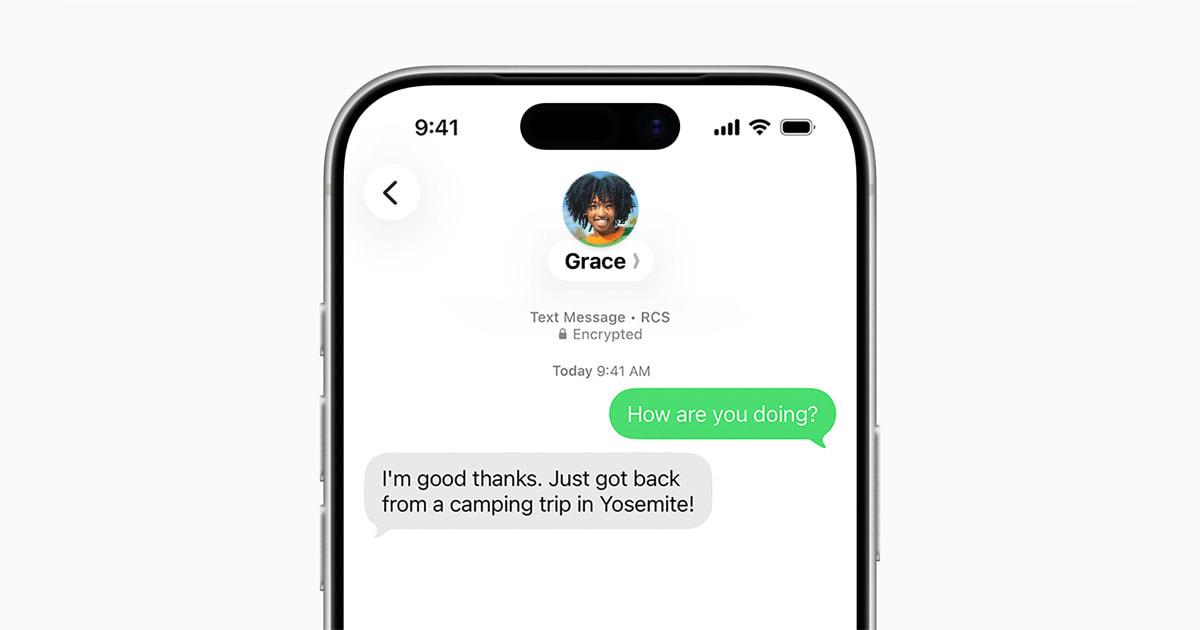
Apple’s framing of the privacy side is consistent with the rest of the range: on-device processing for many tasks, and a private cloud tier where Apple states that no one else can access your data, not even Apple. Whether you lean on these features daily or barely touch them, the point is that the 17e will keep pace with the next few iOS updates rather than being left behind, which is the kind of longevity that justifies spending £599 on a phone instead of £350. If you share a phone across a household, our Family Sharing iPhone UK 2026 step-by-step setup guide covers how to spread that value across the family.
Below is a short Apple clip showing Visual Intelligence in action, one of the Apple Intelligence features the 17e supports out of the box.
It is also worth being realistic. Apple Intelligence is helpful rather than transformative for most people, and it is not a reason on its own to upgrade from a phone you already like. The argument for the 17e is that you get this software ceiling without paying flagship money, not that the AI features will change how you use a phone.
iPhone 17e vs iPhone 16e and iPhone 17
Against the iPhone 16e it replaces, the 17e is a steady upgrade rather than a reinvention. The move to the A19 chip, the larger 256GB starting storage, the return of MagSafe and the tougher Ceramic Shield 2 front are the meaningful changes. If you own a 16e and it is working well, there is no urgent case to switch; the 17e is aimed at people coming from much older iPhones or from Android.
Against the iPhone 17, the gap is about polish, not power. The 17 adds the smoother high-refresh ProMotion display, the Dynamic Island, an extra camera and the Camera Control button, and it costs noticeably more. If a buttery-smooth screen and a more flexible camera system matter to you, the 17 earns its premium. If they do not, the 17e gives you the same chip generation and the same software for less. For buyers cross-shopping Apple’s own range at the top end, our Pixel 10 Pro vs iPhone 17 Pro UK comparison at £899 vs £1,099 shows how steep that ladder gets, and our iPhone 17 Pro Max vs Galaxy S25 Ultra UK verdict covers the very top of it. There is also a strong argument that the larger, dearer models overreach for many people, which we made in our piece on why the iPhone Air still misses the mark for UK power users.
The honest summary: the 17e is the phone to buy if you want a current iPhone and refuse to overpay. The 17 is the phone to buy if you want the nicer everyday experience and can absorb the cost. Both will be supported for years.
How it compares with mid-range Android
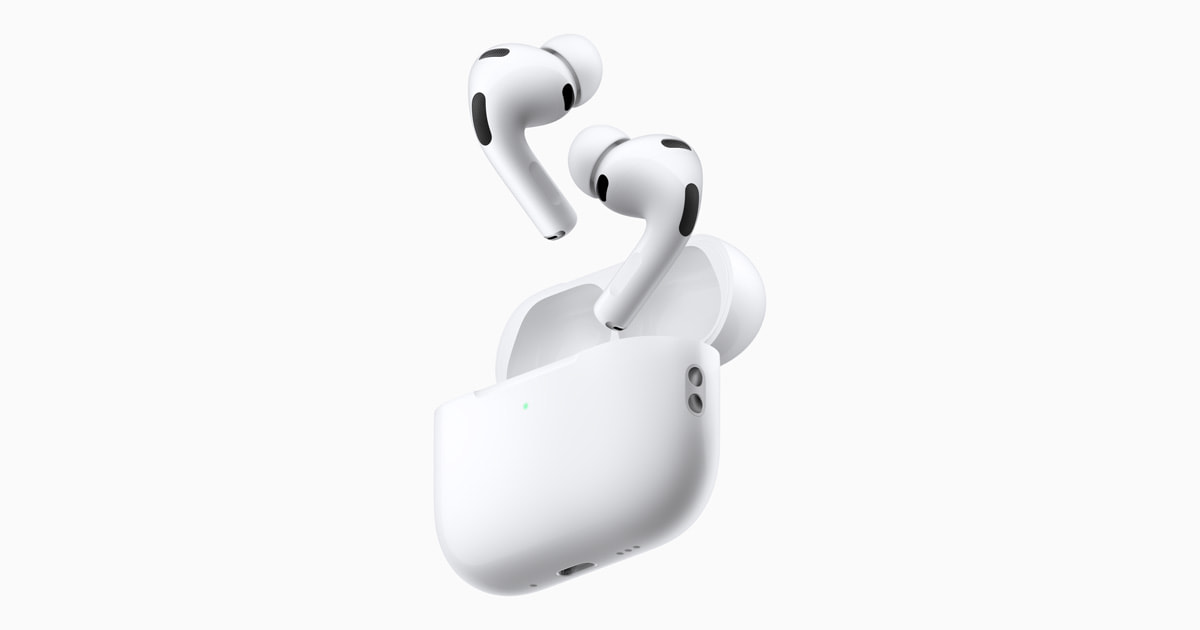
At £599 the 17e is no longer competing only with other iPhones. The best Android phones under £500 undercut it on price while offering high-refresh screens and, in some cases, more versatile cameras. What the 17e brings to that fight is long software support, the polish of iOS, and easy hand-off with other Apple kit such as AirPods and the Watch.
If you are already inside Apple’s world, the 17e is the cheapest sensible way to stay there, and the lock-in arguments (iMessage, FaceTime, ecosystem continuity) work in its favour. If you are platform-agnostic and price-sensitive, a mid-range Android can genuinely give you more screen and camera for the money, and you should weigh that honestly rather than buying on the badge. Either way, sorting your connectivity early helps; our eSIM setup UK 2026 guide for EE, VodafoneThree and O2 walks through moving your number without a trip to a shop.
Where to buy or check next in the UK
The most direct route is the Apple UK store, where the 17e is listed from £599 with Apple’s own trade-in, finance and AppleCare options. Buying direct gives you the cleanest returns policy and the full colour and storage choice, so it is the baseline to price everything else against.
For SIM-free competition on price and delivery, check Currys, John Lewis (worth it for the longer guarantee John Lewis typically adds), Argos for fast click-and-collect, Amazon UK, AO.com and Very if you want to spread the cost. Compare the headline price, the delivery date, the returns window and any added warranty before you commit, because those terms vary more than the phone does.
On contract, the UK networks are where monthly deals and trade-in bonuses live. Look at EE, Vodafone and Three directly, run the total cost over 24 or 36 months rather than fixating on the monthly figure, and confirm whether the plan supports eSIM if you want to switch easily later. Check data allowance, any upfront cost and the early-upgrade terms. As always, a contract that looks cheap per month can cost more overall, so add it up.
| What we like | What we would watch |
|---|---|
| From £599 with the current A19 chip and full Apple Intelligence | £599 is mid-range money, and good Android undercuts it |
| 256GB starting storage and MagSafe both included | No ProMotion, no Dynamic Island, single rear camera |
| Strong 6.1-inch OLED and years of iOS support | Display stays at a standard refresh rate, not 120Hz |
Our verdict
Our view is that the iPhone 17e is the right iPhone for most people who do not want to spend more than they have to. You get the current chip generation, a good OLED screen, full Apple Intelligence and years of software support for £599, and the things Apple has removed are mostly conveniences rather than essentials. For anyone upgrading from an older iPhone, it is an easy recommendation.
We would steer you elsewhere in two cases. If a high-refresh screen, a second camera or the small daily niceties of the iPhone 17 matter to you, pay the extra and buy the 17, because you will notice the difference every day. If you are platform-neutral and price is the deciding factor, a mid-range Android under £500 can give you more hardware for less, and the 17e’s advantage shrinks to software and ecosystem. What would change our recommendation is a real-world contract or trade-in deal that brings the 17e close to that Android pricing; at that point the 17e becomes the obvious pick for almost everyone.









Reader discussion
Leave a comment
Comments are moderated. Keep it useful, accurate, and on topic.