
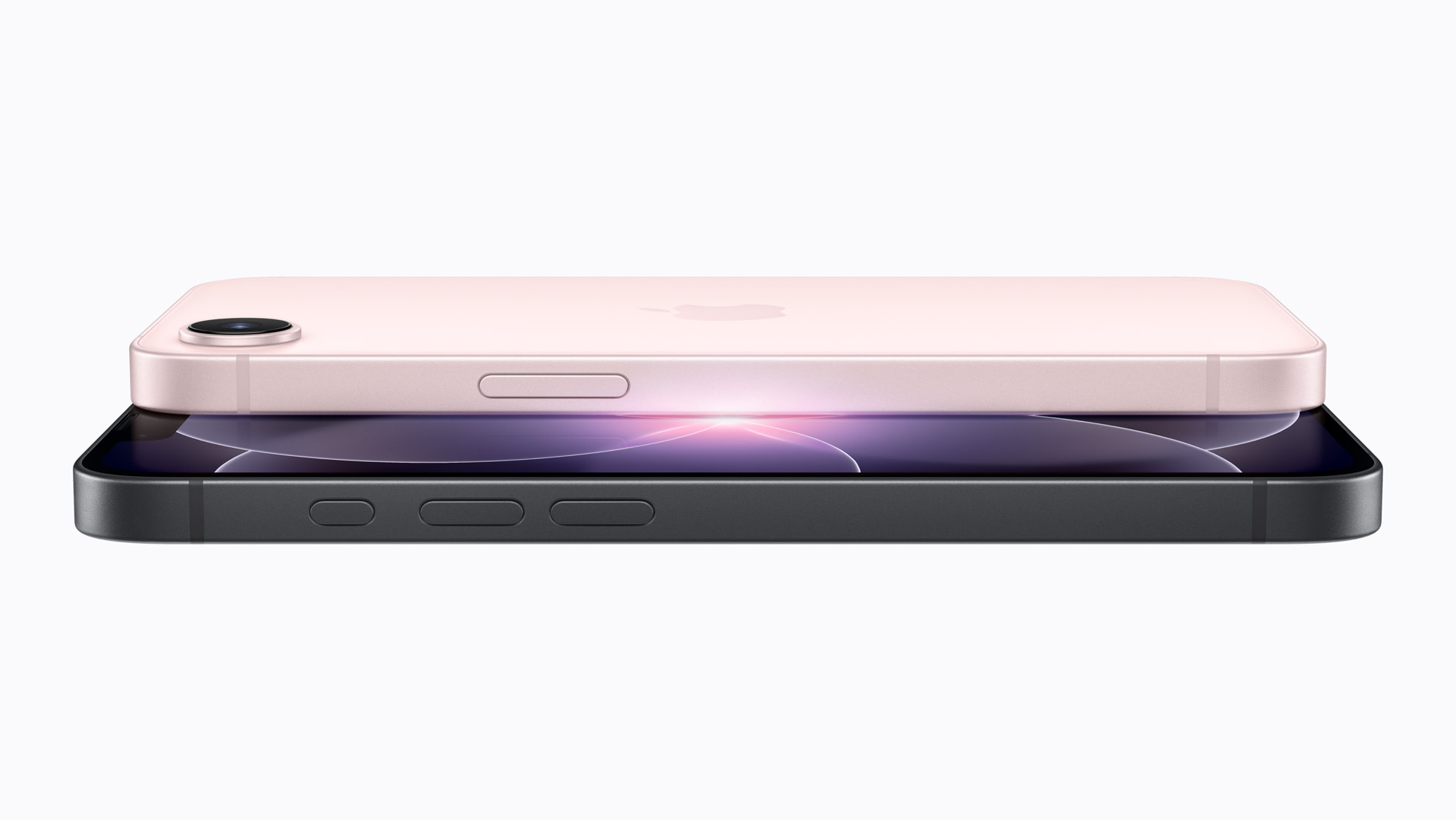
The iPhone 17e is the phone I keep getting asked about, and the answer is more interesting than the spec sheet makes it look. It launched in early March 2026 as Apple’s cheapest new iPhone at £599 for a 256GB model on Apple UK, and at that price it quietly fixes the two things that nagged me most about the 16e it replaced: the stingy 128GB starting storage and the missing MagSafe. You now get double the storage, proper MagSafe charging and the newer A19 chip for the same money the 16e launched at. So the real question is not whether the 17e is good value, it plainly is, but whether you buy it new or chase a discounted 16e instead, and that is the call I will help you make, leaning on Apple’s published specs and reviewers who have lived with it like Macworld.
What actually changed from the 16e
The headline I keep coming back to is that the price did not move and the phone got better anyway. The iPhone 16e was £599 for 128GB of storage, ran the A18 chip, charged wirelessly at a sluggish 7.5W and, crucially, had no MagSafe at all. The 17e holds that same £599 starting price but doubles the base storage to 256GB, steps up to the A19 chip, and adds proper MagSafe with Qi2 wireless charging up to 15W. That is three meaningful upgrades for the same money, and it is rare enough that I think it deserves to be called out plainly.
Storage is the change I would not undersell. Going from 128GB to 256GB at the entry point matters far more in real life than a spec line suggests, because the cheapest iPhone is exactly the model people keep for four or five years and slowly fill with photos and apps. Apple itself frames the 256GB base as twice the storage of the 16e, and for a buyer who never wants to think about deleting things, that alone justifies the upgrade. If you have been weighing the older model on a discount, this is the calculation I would do before anything else, and it is the same instinct I brought to whether to buy the iPhone 17 now or wait for Prime Day.
MagSafe is the quiet headline
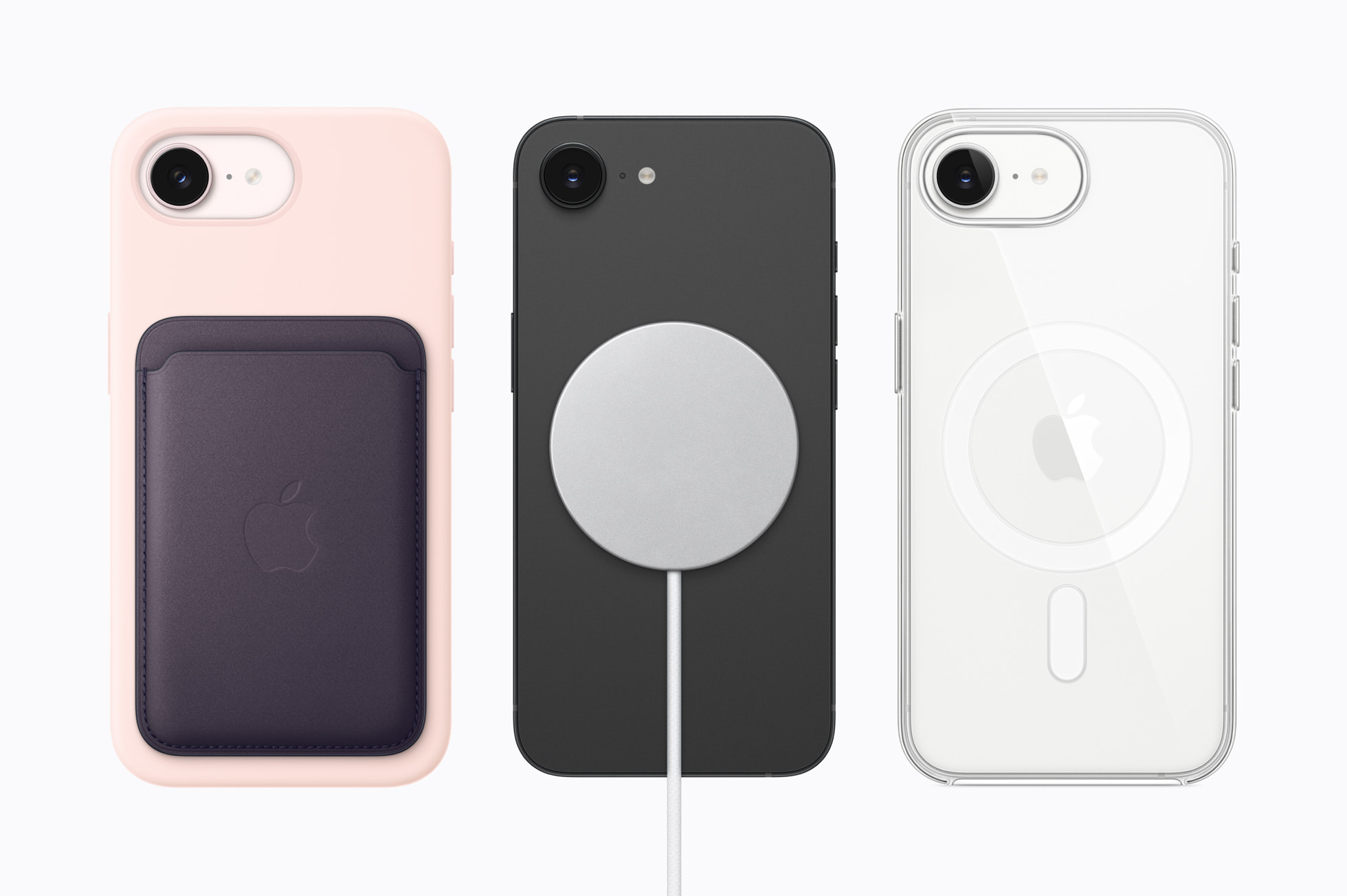
If you have never owned a MagSafe iPhone, here is why I keep mentioning it: the magnetic ring on the back snaps your phone neatly onto chargers, car mounts, wallets and stands, so the whole accessory ecosystem suddenly opens up. The 16e was locked out of that world entirely, which always felt like an odd gap on a phone that otherwise looked the part. The 17e closes it, and it pairs MagSafe with Qi2 wireless charging at up to 15W, double the 16e’s 7.5W ceiling. Independent reviewers have measured around 50 per cent in 30 minutes with a 20W or higher wired adapter, so the wired story is unchanged, but the wireless and accessory story is transformed.
I would not pretend 15W is fast by the standards of the Android phones I usually test, where wired speeds run far higher. It is not. But MagSafe is about convenience and alignment more than raw watts, and for the type of buyer this phone targets, having it at all is the win. If you are coming from Android and weighing the switch, it is worth understanding how Apple’s charging and accessory approach differs from what you will have seen on something like the £549.99 Honor 600.
The A19 chip buys you years, not bragging rights
The move from A18 to A19 is the kind of upgrade I value most on a budget phone, because it is not really about today. It is about longevity. A newer chip means more years of iOS updates ahead and more headroom for the on-device features Apple keeps adding, and on a phone people hold onto for half a decade that headroom is the whole point. I have written before about how Apple’s software direction is shifting, and the same logic applies here: a 17e bought today should comfortably carry the kind of changes I covered in iOS 27 and the new Siri for UK iPhone owners.
I do not have my own benchmark figures to wave around, and I am not going to invent any. What I can tell you confidently is that an A19 in a £599 phone is a generous allocation of silicon, and it is the single biggest reason I would steer a friend towards the 17e over a discounted 16e even if the price gap looked tempting on paper.
The camera is the honest compromise
This is where I have to be candid, because it is the part that has not really moved. The 17e keeps the single rear camera class that defines Apple’s entry iPhones, paired with a 6.1in OLED display. There is no telephoto, no dedicated ultrawide in the way you get higher up the range, and if photography is your reason for upgrading, this is not the iPhone that will thrill you. Apple’s own marketing leans on a capable main sensor, and reviewers who have shot with it describe results that are perfectly good in daylight, but I would set expectations honestly: this is a one-camera phone at a one-camera price.
If a versatile camera is genuinely your priority and you are not wedded to iOS, you can get more lenses for similar money in the Android world, which is exactly the trade-off I weighed in the Honor 200 Pro versus Pixel 9 Pro camera comparison. But if you mostly point and shoot, share to social and want something dependable, the single camera here is a fair compromise rather than a dealbreaker.

Who I would actually point at this phone
The 17e is built for two people in my mind. The first is someone upgrading from a genuinely old iPhone, where the jump to a modern A19, 256GB of storage and MagSafe will feel enormous. The second is the Android switcher who wants the cheapest sensible way into Apple’s ecosystem without buying second-hand. For both, £599 buys a phone that no longer feels like it is hiding compromises in places that matter day to day. Macworld’s reviewer made the same point in early April, describing the changes as made for the customer’s benefit rather than Apple’s, and I think that is a fair read.
Who should look elsewhere? If you want a serious camera system, more lenses or the fastest charging, your money stretches further on Android, and I would not talk you out of that. The same goes if you are device-shopping more broadly this year, where my buying advice for things like the best UK Android tablet for 2026 follows exactly the same logic: match the spend to what you will actually use.
Where I land on the 17e
I will say it plainly: the iPhone 17e is the cheapest iPhone I would happily recommend without a caveat list as long as your arm. Apple held the line at £599 and spent the headroom on the things that age well, which are storage, the chip and MagSafe, rather than on a flashier camera you would forgive but quickly forget. It is not the iPhone for photographers, and it is not trying to be. As the cheapest new iPhone on Apple UK right now, it is the one I would hand to a friend who just wants a good iPhone for years without overthinking it. On price, the £599 figure is current at the time of writing, so check live listings before you buy in case retailers move it.
How much does the iPhone 17e cost in the UK?
Does the iPhone 17e have MagSafe?
What is the difference between the iPhone 17e and the iPhone 16e?
Is the iPhone 17e good for photography?
Buyer action
Where to buy or check next
Use this as the final check before ordering a phone, changing network or trusting a headline monthly price.










Reader discussion
Leave a comment
Comments are moderated. Keep it useful, accurate, and on topic.