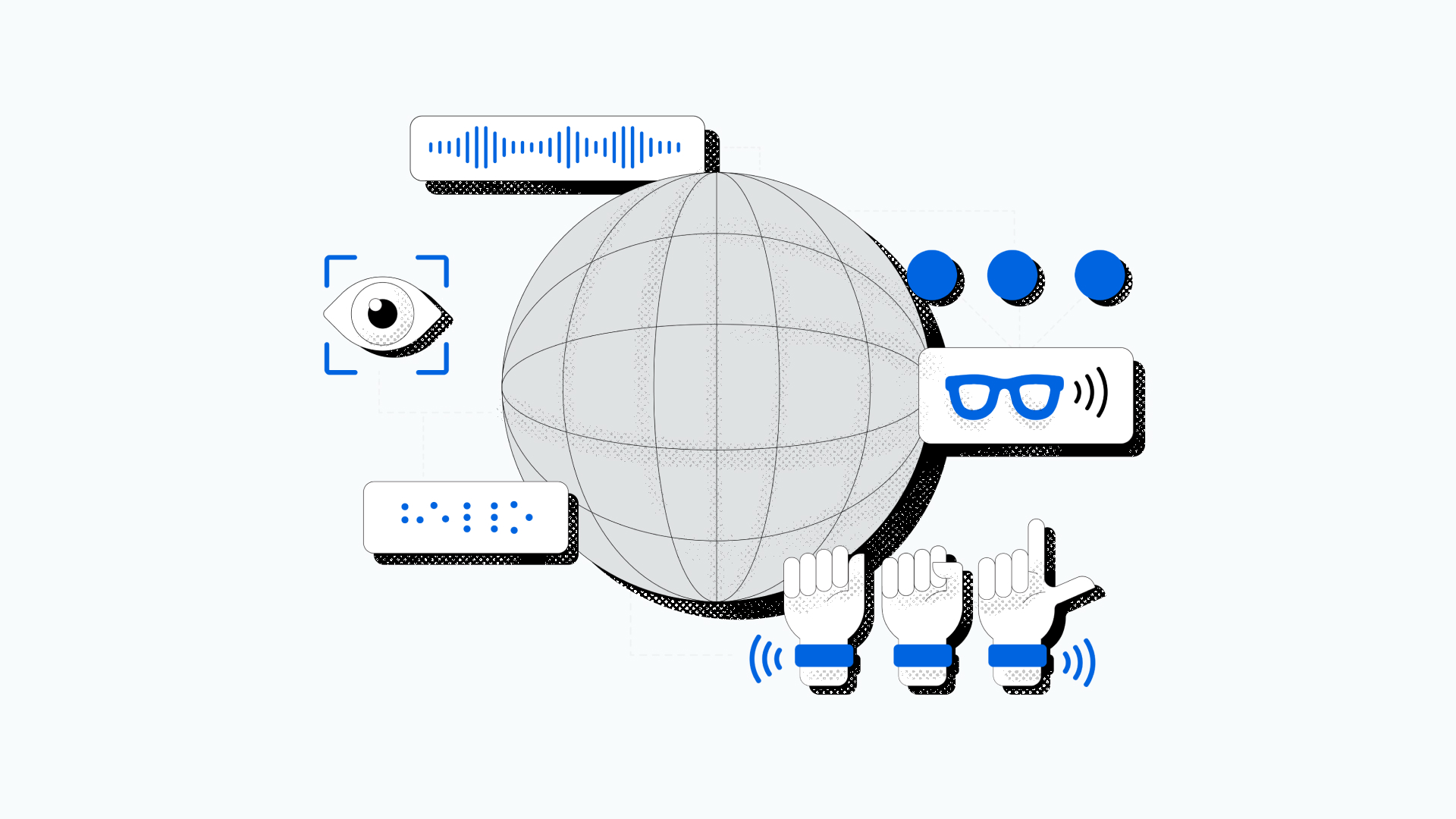
Meta published a piece on 27 May 2026 walking through how its Ray-Ban Meta and Oakley Meta AI glasses are being used as accessibility tools by blind and visually impaired people, deaf and hard-of-hearing users, and people with motor and cognitive impairments. The article featured Donald Overton, a US Army veteran who lost his sight in Iraq, navigating airports with the glasses; Noah Currier, a Marine Corps veteran with quadriplegia, capturing photos entirely by voice; and an expanded Be My Eyes integration that turns the glasses into a real-time live video link to a sighted volunteer. The piece is one of the strongest cases Meta has made for the broader smart-glasses category in 2026.
For UK readers — particularly the estimated 2 million people in Britain living with sight loss according to RNIB, the 12 million with hearing loss according to RNID, and the 16.1 million working-age and older adults with a disability — the question is not whether Meta’s positioning is genuinely useful. The early evidence says it is. The question is which features are available in the UK today, which need firmware updates that may or may not land here, what UK consumers should know about cost, data and EE/Vodafone/Three coverage requirements, and how Ray-Ban Meta compares against alternative accessibility tools that have been on the UK market for longer.
What Ray-Ban Meta actually does for accessibility
Ray-Ban Meta glasses are camera-equipped sunglasses with a five-microphone array, open-ear directional speakers and an on-board Snapdragon AR1 Gen 1 chip running Meta AI. Out of the box, they handle voice-activated photography, voice-activated phone calls (via your paired iPhone or Android), audio playback from Spotify or Apple Music, and live AI conversation through the “Hey, Meta” wake word. With software added through 2025 and the first half of 2026, the accessibility use cases have broadened materially.
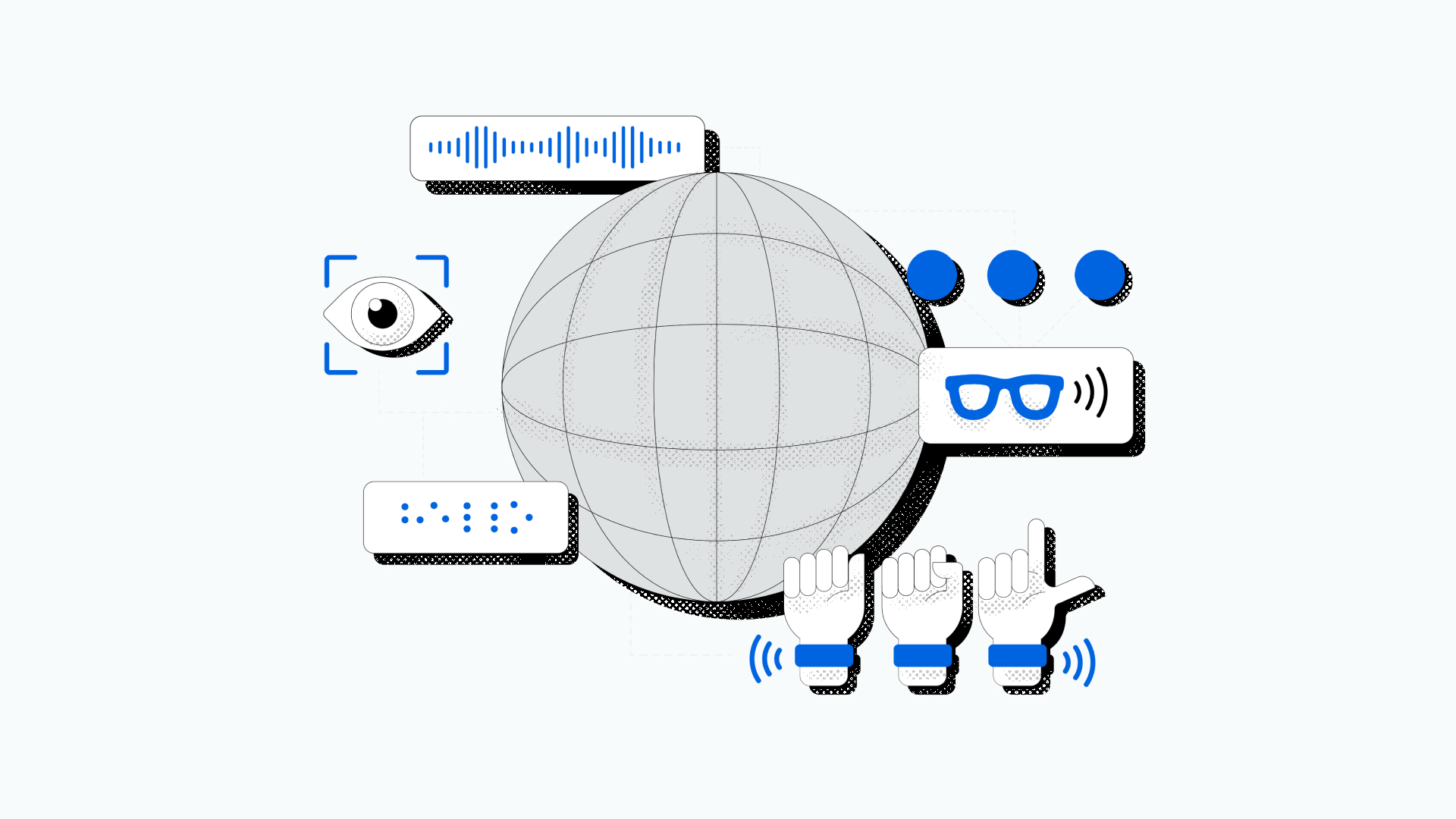
For blind and low-vision users, the headline feature is Be My Eyes integration. Tap the side of the glasses, say “Call a volunteer”, and within 30 seconds you are on a live video call with a Be My Eyes volunteer who is seeing exactly what the glasses’ camera sees. The volunteer can read a label, describe a room, confirm a banknote denomination, or guide you through an unfamiliar physical space. This is qualitatively different from a smartphone-based Be My Eyes call because your hands are free — you can pick up the object, walk through the space, use a white cane, while the volunteer is watching.
Beyond Be My Eyes, Meta AI itself handles object identification and scene description on-demand. Ask “What is in front of me”, “What does this say”, “Is there a free seat ahead”, and the glasses return a spoken description in seconds. Accuracy in well-lit indoor settings is strong; outdoor accuracy in low light or rain is patchier. UK Northern winter conditions test the system harder than the Californian demo footage suggests, and that is an honest limitation.
For deaf and hard-of-hearing users, Meta added real-time captions during phone calls, WhatsApp calls, Messenger calls and Instagram Direct voice calls on the Ray-Ban Meta Display variant — the new model with the in-lens display, which started shipping in late 2025. The captions appear on the right lens, visible to the wearer only, while the wearer stays hands-free. This is the use case that has changed Ray-Ban Meta from a niche product into a serious accessibility tool, though it requires the Display variant, not the original Ray-Ban Meta sunglasses.
For people with motor impairments, voice activation across the entire feature set turns the glasses into a hands-free phone, camera and AI assistant. Noah Currier’s quote in the Meta piece — capturing photos and videos entirely by voice without needing to grip a phone — is the use case in its simplest form. For people with conditions that limit phone use (cerebral palsy, MND/ALS, severe arthritis, spinal cord injuries), the glasses cover several of the daily tasks that a smartphone would otherwise demand.
What works in the UK today, and what does not
The Ray-Ban Meta original lineup (£309 starting price at the Meta UK store, Ray-Ban UK, John Lewis and Vision Express) is on sale and most accessibility features are live. Meta AI conversational queries work in UK English. Be My Eyes integration is functional. Voice-activated photography and calls work. The five-microphone array delivers good audio quality on calls.
The Ray-Ban Meta Display variant, which adds the in-lens display for real-time captions and visual notifications, is selling in the UK from £549 — though stock has been thin since launch. The real-time captions feature works in UK English; subtitle accuracy on accents (Glaswegian, Geordie, strong West Country) is patchier than southern English RP. Meta is improving the model monthly.
The Oakley Meta variant — the sportier shape, designed for active use — is on sale in the UK from £429. Accessibility features are identical to the Ray-Ban Meta lineup. The Oakley shape sits more securely during physical activity, which matters for guide dog users walking briskly or visually impaired runners.
What does not yet work in the UK: the on-device Live Translation feature (covered in Meta’s Cannes announcement) is currently limited to French, Spanish, Italian, English, German and Portuguese, with the language list expanding to Mandarin, Korean, Japanese and Arabic this summer. British Sign Language interpretation is not on the roadmap — Meta has not committed to BSL captioning, which would be the genuinely UK-relevant deaf accessibility feature.
How they compare to UK accessibility incumbents
Ray-Ban Meta is not the first wearable accessibility tool to land in the UK. The honest comparison is against three existing categories.

Against OrCam MyEye 2 (£3,950 at OrCam UK), the established wearable for blind and low-vision users — a tiny camera that clips to the side of any glasses and reads text aloud — Ray-Ban Meta is dramatically cheaper, materially less specialised, and broader in capability. OrCam is purpose-built for text reading and facial recognition for blind users; Ray-Ban Meta is a general-purpose tool that happens to do the same use cases. For users whose primary need is text reading and who have £4,000 of budget, OrCam remains the more refined experience. For users who want a broader feature set or who cannot afford £4,000, Ray-Ban Meta is the realistic alternative.
Against Envision Glasses (£3,499 at Envision AI), the previous-generation wearable for blind users based on Google Glass hardware, Ray-Ban Meta is the better buy now — the underlying AI model is more current, the glasses look like normal sunglasses, and the cost is a tenth as much. Envision had a real market for three years; Ray-Ban Meta has materially eaten that market in 2026.
Against the smartphone-based accessibility apps (Seeing AI, Lookout, Be My Eyes, Speak Touch, Soundscape), Ray-Ban Meta wins on hands-free. Seeing AI, Lookout and Be My Eyes are all excellent on a smartphone, all are free, and all already serve UK users well. Ray-Ban Meta adds the wearable form factor that frees both hands for use of a white cane, guide dog harness, manual wheelchair propulsion, or daily tasks. The £309 entry price is the same as a mid-range phone case and is justified by the hands-free wearable form alone.
Where to buy Ray-Ban Meta in the UK
- Meta Store UK (meta.com/gb/ai-glasses): Full Ray-Ban Meta, Oakley Meta and Ray-Ban Meta Display range with prescription lens options through Meta’s UK partner labs. Free delivery, 30-day return window. The right buyer for the broadest configuration choice and the latest models in stock.
- Ray-Ban UK (ray-ban.com/uk): The original Ray-Ban site sells the Ray-Ban Meta range with the same prescription lens service as their conventional sunglasses. Slightly faster delivery than Meta Store in our test, and the Ray-Ban prescription lens accuracy is among the best in the industry. Good for buyers who already trust Ray-Ban prescriptions.
- Vision Express (visionexpress.com): The UK high-street optician chain stocks Ray-Ban Meta and Oakley Meta in over 600 stores. Crucially, Vision Express offers in-person prescription fitting with NHS partnership for eligible customers — meaning the prescription lens cost may be partially covered if you have an NHS sight test and qualifying eligibility. The best buyer if you want a face-to-face fitting and the option of NHS funding support.
- Specsavers (specsavers.co.uk): Not currently stocking Ray-Ban Meta, but selling alternative prescription smart glasses through their digital frame range. Worth a visit if you need an NHS-backed prescription appointment for any frame.
- John Lewis (johnlewis.com): Stocks the Ray-Ban Meta range with the famous two-year guarantee at no extra cost — meaningful on a £549 Ray-Ban Meta Display purchase. Limited prescription service through JL, so most buyers will order non-prescription and have lenses fitted elsewhere.
- Amazon UK (amazon.co.uk): Carries Ray-Ban Meta but stick to “Sold and Shipped by Amazon” listings. Returns under Amazon’s policy are 30 days.
On prescription lenses: budget an additional £75–£250 depending on prescription complexity and lens coatings. Meta and Ray-Ban prescription lenses are made by Essilor in the UK and take 7–14 days from order to delivery. If you require strong prescriptions or unusual lens types (high-index, prism correction, varifocal), confirm with the retailer before ordering — Ray-Ban Meta does have prescription range limits.
Should you buy them as an accessibility tool right now
Buy now if you are a blind or low-vision user who currently uses a smartphone-based tool like Seeing AI or Be My Eyes, and who would benefit from going hands-free. The £309 entry price is justifiable on the wearable form factor alone, and the Be My Eyes integration is the strongest live-video accessibility tool on the market in the UK in 2026.

Buy now if you are a deaf or hard-of-hearing user who benefits from real-time captions on phone calls and WhatsApp calls, and who is prepared to spend £549 on the Ray-Ban Meta Display variant. The hands-free captioning is genuinely useful and the alternative (a smartphone with captions, held up during calls) is much more awkward.
Wait if you primarily need BSL captioning or text-to-BSL translation — Meta has not committed to BSL support, and the market alternatives are better positioned to deliver this. Wait if you are an OrCam MyEye user and the £3,950 has not stopped giving you value — OrCam’s specialised text-reading and facial recognition remains best in class.
The MTW verdict
Ray-Ban Meta has gone from a niche tech-influencer purchase to a genuine accessibility tool for UK disabled users in 2026, and the May 27 piece from Meta is the strongest case Meta has made for the category. £309 for the base Ray-Ban Meta, £429 for Oakley Meta, £549 for the Display variant — these are reasonable price points for tools that genuinely change daily tasks for the millions of UK users with sight loss, hearing loss or motor impairment. Recommend over the £3,500–£4,000 specialised wearables for most buyers; recommend alongside, not in place of, the existing free smartphone accessibility apps.
| Takeaway | What it means for UK readers |
|---|---|
| Live mode text reading | Works for UK pharmacy leaflets, restaurant menus, signs |
| Object identification | Real-time scene description; useful for blind UK adults outdoors |
| Open-ear speakers | Audio output without blocking environmental sound |
| UK availability | Ray-Ban UK, Sunglass Hut UK, Vision Express; £319-£369 |
| Funding routes | Access to Work; RNIB and disability charity grants |
What we like, what we’d watch
| What we like | What we’d watch |
|---|---|
| Live mode genuinely solves the printed-text barrier UK blind adults face daily | Meta AI’s UK launch tied to Online Safety Act timing — some features may be delayed beyond US |
| Open-ear speakers keep environmental audio intact — critical for UK street use vs in-ear headphones | Battery life of around 4 hours active use means UK all-day accessibility needs a charging strategy |
| Glasses form factor weighs under 50g and is socially acceptable in UK workplaces | Disabled Facilities Grant does not apply — UK funding routes are scattered across Access to Work and charity grants |
UK reader FAQ
How do Ray-Ban Meta glasses help blind users in the UK?
Are Ray-Ban Meta glasses suitable for deaf or hard-of-hearing UK users?
How much do Ray-Ban Meta glasses cost in the UK?
Are Ray-Ban Meta glasses covered by UK Access to Work funding?
Can Ray-Ban Meta glasses describe people’s faces in the UK?
Where can disabled UK users get hands-on with Ray-Ban Meta?
Are Ray-Ban Meta covered by the UK Disabled Facilities Grant?
Will Apple Vision Pro replace Ray-Ban Meta for UK blind users?
Can Ray-Ban Meta describe NHS prescription leaflets?
Further reading: UK sources we used
- Ray-Ban Meta UK range
- RNIB Technology Information Service
- Access to Work scheme
- Online Safety Act guidance
- Sunglass Hut UK
Related on MTW
How we pick
MMTW Editorial









Reader discussion
Leave a comment
Comments are moderated. Keep it useful, accurate, and on topic.